
Comprehensive Overview of Posthitis
Detailed Medical Insights on Inflammation of the Foreskin
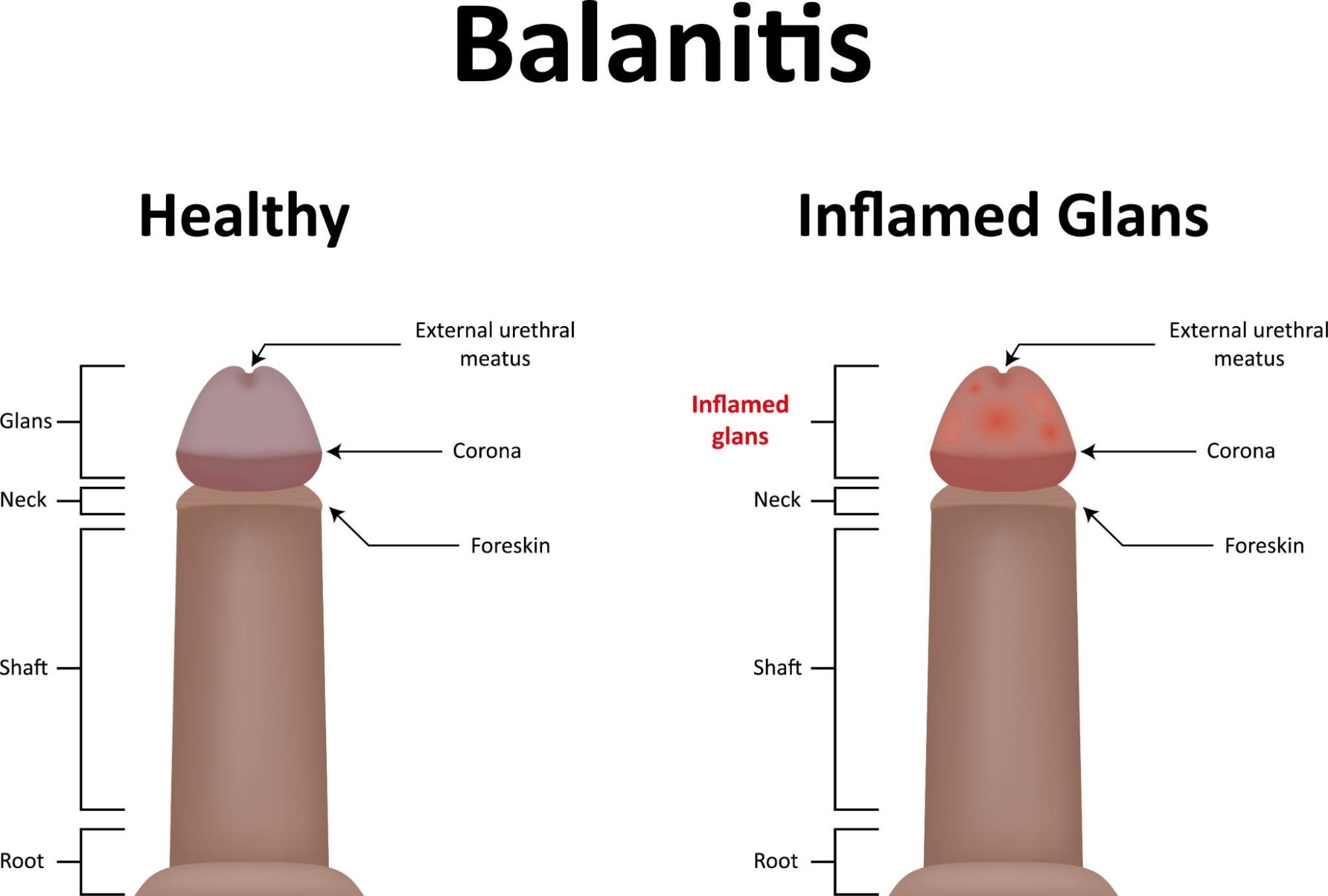
Key Highlights
- Inflammatory Condition: An inflammation primarily affecting the foreskin, often due to poor hygiene or infections.
- Diverse Etiologies: Caused by bacterial, fungal infections, allergic reactions, and sometimes associated with skin conditions.
- Management Strategies: Ranging from improved hygiene and topical medications to systemic antibiotics or antifungals; severe cases may even require surgical intervention.
Introduction to Posthitis
Posthitis is a medically recognized inflammatory condition affecting the foreskin (prepuce) of the penis, predominantly seen in uncircumcised individuals. This condition is characterized by the development of inflammation, leading to symptoms such as redness, swelling, pain, and sometimes a malodorous discharge. Given its propensity to cause discomfort and potential complications if left untreated, posthitis is of notable clinical importance. Healthcare practitioners must consider various underlying factors when diagnosing and managing this condition, ensuring a comprehensive approach that addresses both the symptoms and the root causes.
Etiology and Pathogenesis
Understanding the Underlying Causes
The etiology of posthitis is multifactorial. The condition may arise due to several reasons, with the following being the most critical factors in its development:
Poor Hygiene
One of the most common factors is inadequate cleaning of the foreskin. Accumulated smegma, a substance composed of shed skin cells, moisture, and bacteria, can irritate the delicate skin of the foreskin. This accumulation provides a medium where bacteria and fungi can thrive, leading directly to inflammatory processes.
Bacterial and Fungal Infections
Microbial infections are a frequent cause of posthitis. Pathogenic bacteria colonizing the area may result from suboptimal hygiene conditions. Additionally, fungal infections, particularly candidiasis, are also known to be associated with foreskin inflammation. The clinical presentation may include signs of infection such as redness, pain, and sometimes malodorous discharge.
Allergic Reactions and Irritants
Exposure to allergens or irritants can precipitate an inflammatory response. This may include allergic reactions to certain personal care products (e.g., soaps, creams, or lubricants), latex in condoms, or environmental chemicals that irritate the delicate skin. Such reactions can exacerbate the likelihood of developing posthitis.
Dermatologic and Systemic Conditions
Individuals with preexisting skin conditions such as eczema, psoriasis, or dermatitis may have an increased susceptibility to posthitis due to the compromised barrier function of their skin. Moreover, systemic conditions that affect immune function can also contribute to a higher risk of developing this inflammatory condition.
Pathophysiology
At the cellular level, the inflammatory response in posthitis involves an influx of immune cells aimed at combating infection or irritation. This leads to increased vascular permeability, redness, and swelling observed clinically. In repeated or chronic cases, the inflammatory response can lead to fibrosis and thickening of the foreskin, which might pose functional issues such as difficulty in retraction, a condition known as phimosis.
Clinical Presentation
Clinically, posthitis typically presents with several distinct signs and symptoms. Although the condition might vary in severity, patients commonly report:
Local Symptoms
Redness and Swelling
The most prominent features are localized erythema (redness) and edema (swelling) of the foreskin. Such signs indicate the active inflammatory process and may be confined to the foreskin, though in some cases, adjacent areas might exhibit signs of irritation.
Pain and Discomfort
Patients frequently experience pain and discomfort, which can interfere with normal activities, including sexual intercourse and routine hygiene practices. The level of discomfort may vary depending on the severity of inflammation and the presence of secondary infection.
Discharge
There may be a malodorous or purulent discharge from the affected area, especially if a secondary bacterial infection has developed. This discharge not only complicates the clinical picture but also necessitates microbiological assessment to ascertain the infecting organism.
Difficulty in Foreskin Retraction
In more advanced or chronic cases, the inflammatory process can lead to fibrosis, resulting in the narrowing of the foreskin opening. This condition, known as phimosis, impedes the ease of retraction and may require further intervention.
Associated Systemic Effects
Although posthitis is principally a localized condition, severe inflammation may sometimes be accompanied by systemic signs such as fever or malaise, particularly if an aggressive infection is involved. These systemic manifestations warrant prompt medical evaluation to prevent further complications.
Diagnostic Approach
A thorough diagnostic workup is essential for effectively managing posthitis. The diagnostic process is primarily clinical, yet additional tests may be warranted depending on the complexity and suspected underlying cause.
History and Physical Examination
The initial evaluation includes a detailed patient history focusing on hygiene practices, sexual history, exposure to potential allergens, and any previous episodes of similar symptoms. A meticulous physical examination of the genitalia is performed to assess the severity of inflammation, presence of discharge, and any anatomical changes like phimosis.
Laboratory Investigations
In cases where an infectious etiology is suspected, laboratory investigations such as swabs for bacterial culture or fungal examination can be critical. The following table outlines common diagnostic tests used during evaluation:
| Test | Purpose | Interpretation |
|---|---|---|
| Microscopic Examination | Identifies fungal elements or bacterial colonies | Positive findings indicate infection |
| Bacterial Culture | Isolates specific pathogens | Guides targeted antibiotic therapy |
| Allergy Testing | Identifies allergenic triggers | Useful in chronic or recurrent cases |
| CBC (Complete Blood Count) | Assesses systemic infection or inflammatory response | An elevated white blood cell count suggests infection |
These tests assist in narrowing down the precise cause of the inflammation and contribute to the formulation of a targeted treatment plan.
Treatment and Management Strategies
Hygiene and Preventive Measures
The cornerstone of managing posthitis is indeed preventive hygiene. Patients must be educated on the importance of daily gentle cleaning of the foreskin to prevent the accumulation of smegma and reduce pathogen load. Adequate drying after washing reduces moisture, which otherwise serves as a breeding ground for microbes.
Pharmacological Interventions
Topical Treatments
For mild to moderate cases of posthitis, topical treatments can be very effective. These include:
- Antibiotic Ointments: Applied to manage bacterial infections causing inflammation.
- Antifungal Creams: Particularly useful if a fungal infection, such as candidiasis, is involved.
- Corticosteroid Creams: Prescribed to reduce inflammation and alleviate discomfort.
Systemic Medications
In instances where the local infection is severe or refractory to topical therapies, systemic medications may be required. Broad-spectrum antibiotics, oral antifungals, or even a short course of corticosteroids might be indicated based on the individual’s clinical picture and microbial diagnostics.
Surgical Intervention
Surgical management is generally considered only in recurrent or severe cases of posthitis. Circumcision, the surgical removal of the foreskin, can be an effective solution for patients who experience persistent inflammation or complications such as phimosis. While this is typically considered a last resort after conservative measures, it can provide definitive relief and improved hygiene maintenance.
Special Considerations in Patient Management
Patient Education
Effective management of posthitis requires that patients understand the importance of personal hygiene and the implications of recurrent infections. Physicians should provide thorough education on:
- The necessity of regular gentle cleaning routines
- Recognizing early signs of inflammation
- When to seek prompt medical evaluation to avoid complications
Follow-up and Monitoring
Scheduling follow-up appointments is important for assessing the response to treatment, especially in cases where there is a risk of chronic inflammation or the development of complications such as phimosis. Continuous monitoring ensures that any recurrent infection is promptly addressed, and modifications to the treatment plan can be made if necessary.
Addressing Underlying Conditions
In patients with underlying conditions such as diabetes or dermatological disorders, managing these comorbidities becomes integral to preventing recurrence. A holistic approach not only provides symptomatic relief but also addresses predisposing factors, leading to better long-term outcomes.
Differential Diagnosis
It is essential to differentiate posthitis from other similar conditions that affect the genital area. Misdiagnosis or delayed treatment might lead to complications. The following breakdown allows clinicians to compare posthitis with related conditions:
| Condition | Key Features | Distinguishing Factors |
|---|---|---|
| Balanitis | Inflammation of the glans penis | Primarily affects the head of the penis, often concurrent with posthitis |
| Phimosis | Tightening of the foreskin | May arise as a complication of chronic posthitis with fibrosis |
| Contact Dermatitis | Skin reaction to irritants or allergens | Usually involves a more diffuse rash and possible involvement of non-genital sites |
| Sexually Transmitted Infections (STIs) | Infections like herpes or syphilis | Often present with systemic symptoms and specific lesion types |
An accurate diagnosis is vital to the success of treatment, and clinicians should rule out conditions that could mimic posthitis, ensuring a careful clinical assessment and, when necessary, corroborative laboratory investigations.
Preventive Strategies and Lifestyle Modifications
Encouraging Proper Hygiene
Prevention of posthitis relies heavily on exhibiting proper genital hygiene. These recommendations are integral for patients, including:
- Daily gentle washing under the foreskin
- Utilizing mild, non-irritating cleansers
- Ensuring thorough drying after bathing to minimize moisture retention
- Avoiding harsh chemicals or heavily fragranced products that can act as irritants
Lifestyle Considerations
For many patients, addressing lifestyle factors plays a significant role in reducing the risk of developing posthitis. This involves the following considerations:
- Regular Medical Check-ups: Especially for patients with chronic conditions like diabetes, which may predispose them to infections.
- Sexual Health Awareness: Safe practices to prevent sexually transmitted infections that can contribute to foreskin infections.
- Clothing Choices: Wearing loose, breathable underwear to avoid accumulation of moisture and friction in the genital area.
Advanced Management Considerations
Role of Circumcision
In cases where conservative measures, including improved hygiene and pharmacological treatments, have failed to resolve chronic or recurrent posthitis—and if complications such as phimosis are present—circumcision may be advised. Circumcision is a surgical procedure that removes the foreskin, thereby reducing the risk of future infections and facilitating better genital hygiene. This intervention, while effective, is typically reserved for patients where non-invasive treatments have proven inadequate.
Long-term Management and Patient Support
For patients experiencing recurrent episodes of posthitis, a comprehensive care plan is essential. This involves coordinated efforts from primary care physicians, dermatologists, and urologists. Patient support, including counseling and detailed education on the condition and its management, can significantly improve patient adherence to treatment regimens and overall outcomes.
Research and Future Directions
Ongoing research is focused on improving our understanding of the underlying microbial ecosystems on the genital skin, as well as investigating novel therapeutic approaches. Future innovations may include refined topical formulations targeting specific pathogens, as well as enhanced diagnostic tools to accurately distinguish between bacterial, fungal, and allergic etiologies. These advances aim to optimize treatment outcomes and prevent complications associated with chronic inflammation.
Conclusion and Final Thoughts
In summary, posthitis is an inflammatory condition that affects the foreskin, primarily in uncircumcised males. Its presentation is typically marked by redness, swelling, pain, and sometimes a malodorous discharge, making it a significant condition within urological practice. The etiology is multifaceted, often involving poor hygiene, bacterial or fungal infections, allergic reactions, and associated dermatological conditions. A thorough diagnostic approach — incorporating patient history, physical examination, laboratory investigations, and appropriate imaging when necessary — is crucial to ensure accurate diagnosis and effective treatment.
The management of posthitis spans a spectrum from improved hygiene practices and topical pharmacotherapy to systemic medications in case of severe infections, and even surgical intervention when indicated. Preventive strategies, including meticulous maintenance of genital hygiene and lifestyle modifications, are paramount in mitigating the risk of posthitis. For patients with underlying comorbidities or recurrent episodes, a comprehensive, multidisciplinary approach significantly enhances outcomes, thereby reducing the risk of complications such as phimosis.
Clinicians must remain vigilant in recognizing an array of differential diagnoses that may mimic posthitis, ensuring that the underlying cause is correctly identified and managed. Patient education, regular follow-up, and an emphasis on preventive care are key to successfully managing this condition. Future research continues to expand our understanding of the condition, promising improvements in both diagnosis and treatment strategies.
References
- Posthitis - MedicalNewsToday
- Posthitis - Wikipedia
- Posthitis - Baptist Health
-
Posthitis - Cleveland Clinic
Recommended Queries
Last updated February 21, 2025