
Navigating the Potty Training Journey: A Comprehensive Guide for Parents
Empowering Your Child Towards Independence with Patience and Positive Reinforcement
Key Insights for Potty Training Success
- Readiness is paramount: Potty training is most effective when your child shows physical, cognitive, and emotional readiness, typically between 18 and 24 months, though it can vary significantly.
- Consistency and routine are crucial: Establishing a predictable potty routine, such as after meals or before bedtime, and maintaining it consistently, helps children understand expectations and build habits.
- Embrace a positive and patient approach: Celebrate small successes, avoid punishment for accidents, and be prepared for regressions. A stress-free environment fosters better learning.
Potty training marks a significant developmental milestone for both children and parents, transitioning from diapers to independent toilet use. While it can often feel like a challenging and sometimes messy process, approaching it with patience, positivity, and the right strategies can lead to successful outcomes. There isn't a single "best" method that works for every child, as each child is unique and learns at their own pace. Understanding various approaches and tailoring them to your child's individual needs and cues is key to making this journey smoother and more enjoyable.
Understanding Potty Training Readiness: The Foundation for Success
Before embarking on the potty training journey, recognizing your child's readiness cues is perhaps the most critical step. Starting too early can lead to prolonged training times and increased frustration for both child and parent. Conversely, waiting until your child is genuinely ready can significantly shorten the training period.
Signs of Readiness: More Than Just Age
While many children show readiness signs between 18 and 24 months, some may be ready earlier, and others later. Boys, for instance, often start later and may take longer to train compared to girls. Key indicators of readiness include:
- Physical Readiness:
Motor Skills and Control
Your child should have the ability to walk to and from the potty, pull their pants up and down independently, and stay dry for longer periods (at least two hours during the day or waking up dry from a nap).
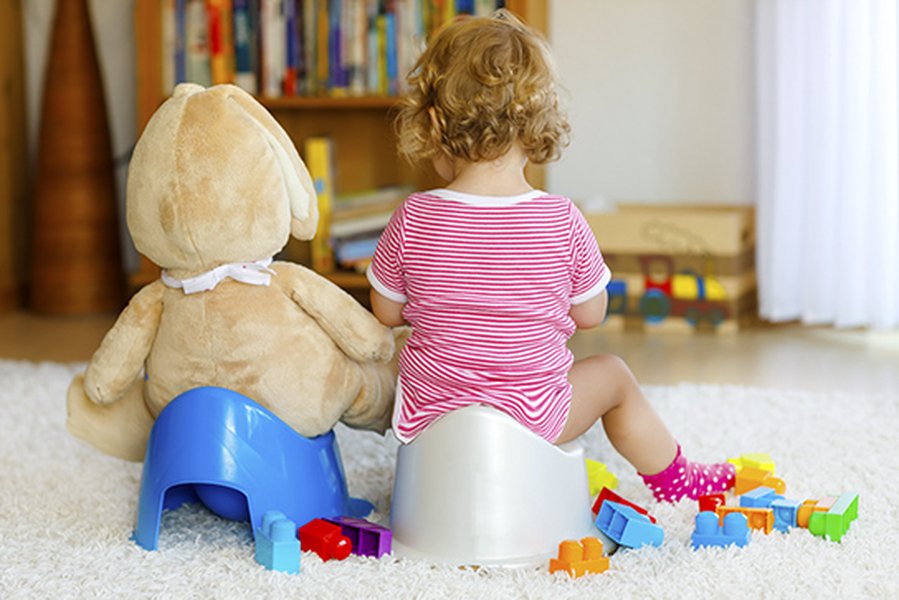
A child showing readiness for potty training.
Bowel Movement Predictability
Having predictable bowel movements, often around the same time each day, is a good sign they are developing internal control.
- Cognitive Readiness:
Understanding and Communication
Your child should be able to understand and follow simple instructions and communicate their needs, such as "I need to go" or "I went." They might also show an interest in the bathroom, mimicking adults or older siblings.
Curiosity and Interest
They might show curiosity about the toilet or their own bodily functions, or express a desire to wear "big kid" underwear.
- Emotional Readiness:
Desire for Independence
A child's desire for independence and a willingness to cooperate are strong indicators. They might show interest in being "big" and doing things themselves.
Discomfort with Diapers
Some children show discomfort with wet or dirty diapers, indicating a desire to be clean and dry.
Popular Potty Training Methods: Finding Your Fit
There are several widely recognized potty training methods, each with its own philosophy and approach. The "best" method is the one that aligns with your child's temperament and your family's lifestyle.
Child-Oriented (Brazelton) Approach
Introduced by pediatrician T. Berry Brazelton, this method emphasizes following the child's cues and readiness. It's a gradual, low-stress approach where parents introduce the potty and encourage its use without pressure. It focuses on the child's natural pace and aims to prevent resistance or negative associations with toilet training. Parents talk about using the toilet and offer it, but without extensive efforts to push the child.
Parent-Led or Structured Approaches
These methods involve parents initiating the training process on a set schedule or at specific intervals. While there are variations, they generally involve consistent routines and reminders.
- The "Potty Training in 3 Days" Method: This intensive approach involves dedicating a few uninterrupted days to training. The child often remains naked from the waist down to facilitate quick access to the potty and increase awareness of bodily functions. While it can be effective for some, parents should manage expectations, as mastering daytime peeing is usually the initial focus, with nighttime dryness and bowel movements often taking longer.
- Scheduled Potty Breaks: This involves taking your child to the potty at regular intervals, such as every 45 minutes to an hour, especially after meals or naps. Consistency helps children understand the routine and associate the feeling of needing to go with using the potty.
Essential Tips for a Smooth Potty Training Experience
Regardless of the method chosen, several universal tips can significantly enhance the potty training journey.
Creating a Positive and Supportive Environment
- Make it Inviting: Make the bathroom a child-friendly space. Use a small potty chair or a child seat on the regular toilet to make it accessible and comfortable. You might even consider placing the potty in a convenient location initially, like their bedroom or playroom.
- Positive Reinforcement: Celebrate every success, no matter how small. Use praise, high-fives, or a sticker chart to track progress and offer rewards. Avoid punishment or shame for accidents, as this can create anxiety and setbacks.
- Patience is Key: Potty training is a marathon, not a sprint. Some children may learn in a week, while others take months. If it becomes stressful, take a break and try again in a few weeks.
Practical Strategies for Daily Training
- Easy-to-Remove Clothing: Dress your child in clothes that are easy to take off quickly, such as elastic-waist pants or dresses. Avoid overalls or shirts that snap in the crotch.
- Frequent Potty Breaks: Encourage frequent visits to the potty, especially after waking up, before leaving the house, after meals, and before bedtime.
- Role Modeling: Let your child see you using the toilet. This can help normalize the process and make it less intimidating.
- Teach Proper Wiping: Teach your child to wipe from front to back, especially for girls, to prevent infections.
Choosing the Right Potty Gear
Selecting appropriate potty training equipment can make a significant difference in your child's comfort and confidence.
Types of Potty Training Equipment
The market offers a variety of products designed to aid in potty training. Here's a breakdown of common options:
| Equipment Type | Description | Pros | Cons |
|---|---|---|---|
| Standalone Potty Chair | A small, child-sized toilet that sits on the floor. | Child feels secure; feet can be flat on the floor (good ergonomics); portable. | Requires emptying and cleaning; can be messy. |
| Potty Training Seat (for adult toilet) | A smaller seat that fits on top of a standard toilet. | Helps child transition to adult toilet; less cleaning than a potty chair. | Child may need a step stool for access; may feel less secure. |
| Potty Training Seat with Step Stool Ladder | A toilet seat attachment with integrated steps and handles. | Promotes independence; secure and comfortable; adjustable for growth. | Can be bulky; may not fit all toilet types; requires assembly. |
| Travel Potty | Compact, foldable potty for use on the go. | Highly portable; useful for consistency during outings. | Smaller capacity; may require liners; less comfortable for extended use. |
When choosing, prioritize comfort, stability, and ease of cleaning. Some popular choices include the BabyBjörn Potty Chair for its ergonomic design, the Munchkin Arm & Hammer Multistage 3-in-1 Potty for versatility, and various step stool ladder seats like SKYROKU or Forbena for promoting independence.
This radar chart illustrates the perceived strengths of different potty training methods across various key factors. The Child-Oriented Method scores highly on patience, adaptability, and positive reinforcement, reflecting its emphasis on the child's individual pace and emotional well-being. The 3-Day Potty Training Method shows strength in consistency and structure, aiming for a quicker transition, but may be less flexible regarding a child's natural readiness. Scheduled Training excels in routine and structured breaks, providing a consistent framework. All methods benefit from comfortable equipment. This chart is based on aggregated insights from various sources and aims to provide a comparative overview of how each method might prioritize certain aspects of the potty training process, offering a helpful visual for parents to consider when choosing an approach.
Understanding Potty Training Challenges and Setbacks
Potty training is rarely a linear process. Accidents and regressions are common and should be viewed as part of the learning curve rather than failures.
Common Hurdles and How to Address Them
- Accidents: Remain calm and don't overreact. Gently remind your child what to do next time and help them clean up.
- Resistance or Refusal: If your child strongly resists, they might not be ready. Take a break for a few weeks or months and try again later. Forcing it can create negative associations.
- Regression: Stress, changes in routine (like a new sibling or starting preschool), or illness can cause a child to regress. Revert to earlier strategies, offer reassurance, and be extra patient.
- Difficulty with Bowel Movements: Some children master urination quickly but struggle with pooping on the potty. This can sometimes be due to fear or discomfort. Ensure they have a comfortable and secure position on the potty, and maintain a consistent routine for bowel movements.
Insights from Pediatricians and Experts
Medical and parenting experts emphasize that readiness, patience, and a positive approach are universally beneficial. The American Academy of Pediatrics (AAP) supports a child-oriented approach, focusing on the child's physiological maturity and intrinsic motivation.
This video from Sarah Mechling - Tinkle & Toot Potty Training provides a helpful overview of a pediatrician's step-by-step advice for successful potty training, emphasizing readiness and positive strategies. It offers practical tips that align with many of the recommendations discussed, making it a valuable resource for parents navigating this milestone.
Frequently Asked Questions About Potty Training
When is the best age to start potty training?
What if my child has accidents after being seemingly potty trained?
Should I use rewards during potty training?
Is there a difference in potty training boys versus girls?
Conclusion
Potty training is a unique and personal journey for every child and family. By understanding the signs of readiness, exploring different methods, and maintaining a patient and positive approach, you can guide your child through this significant developmental phase successfully. Remember to celebrate progress, manage setbacks with understanding, and ultimately, trust your child's pace. The goal is not just to get out of diapers, but to foster independence and confidence in your little one.
Recommended Further Reading
- How to identify toddler potty training readiness signs?
- Comparing child-led vs. quick potty training methods.
- What are the best potty training chairs and seats for toddlers?
- How to deal with potty training regressions and challenges?
