
Poultry Farming: An In-Depth Analysis
Exploring the Fundamentals and Future of Poultry Farming in Class 12 Zoology
Key Takeaways
- Essential for Nutrition and Economy: Poultry farming provides vital protein sources and significant economic benefits.
- Diverse Management Practices: Effective housing, feeding, and health management are crucial for productivity.
- Technological Advancements: Innovations like IoT and automated systems are shaping the future of poultry farming.
Introduction to Poultry Farming
Understanding the Scope and Significance
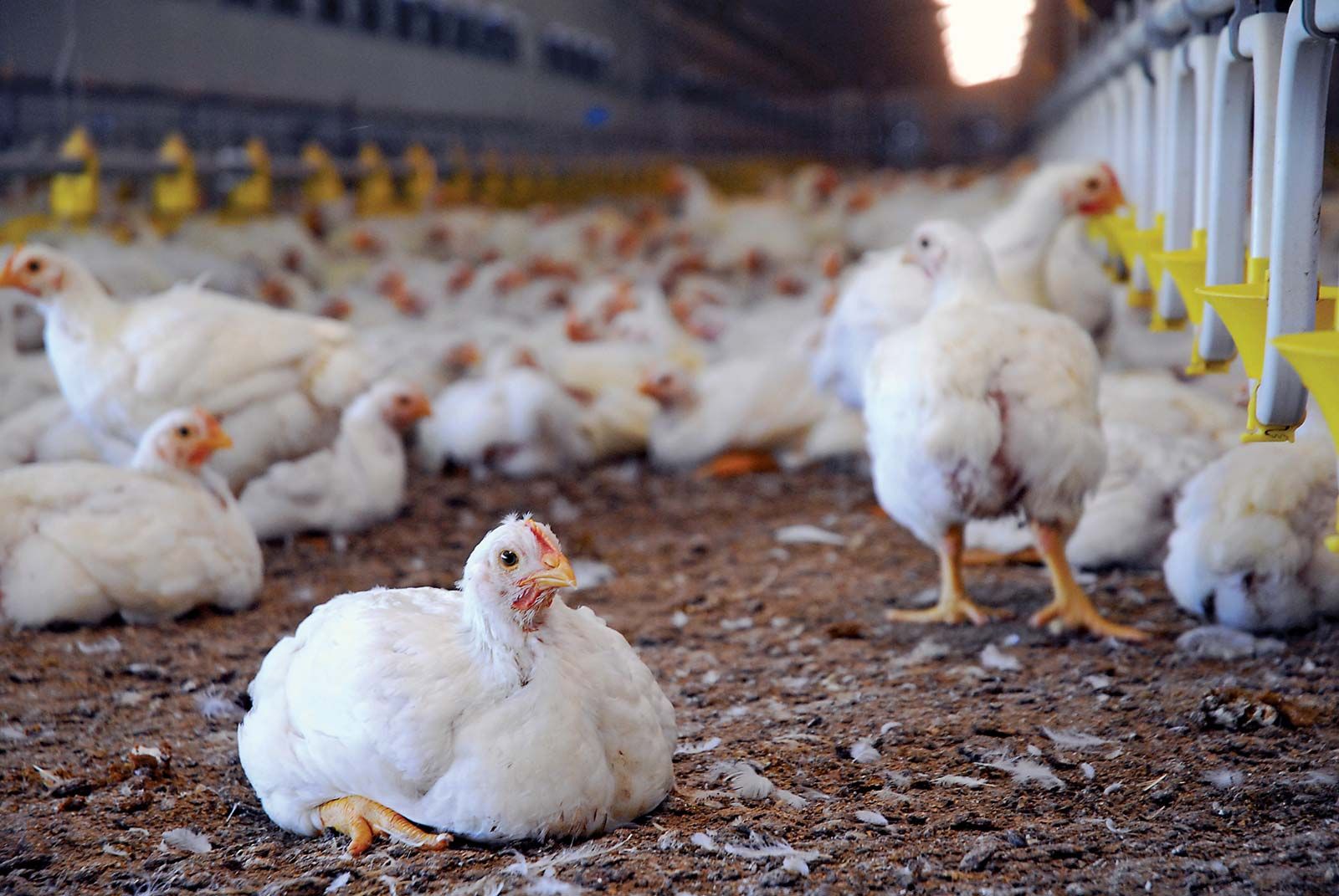
Poultry farming is a specialized branch of animal husbandry focused on the rearing of domesticated birds such as chickens, ducks, turkeys, and geese. Primarily, it aims at the production of meat and eggs, which are essential components of human nutrition. Beyond food production, poultry farming plays a pivotal role in the agricultural economy, providing employment opportunities and contributing to food security globally.
Types of Poultry Farming
Diverse Approaches to Poultry Rearing
1. Intensive Poultry Farming
This method involves raising a large number of birds in controlled environments with high stocking densities. It maximizes production efficiency but often raises concerns regarding animal welfare due to limited space and natural behaviors.
2. Free-Range Farming
Free-range farming allows birds to roam freely outdoors, promoting natural behaviors and better welfare conditions. However, this approach can be less productive and more susceptible to diseases and environmental factors.
3. Organic Farming
Organic poultry farming focuses on using organic feed, natural healthcare practices, and providing better living conditions. While it results in higher quality products, it is generally more expensive and requires stringent adherence to organic standards.
4. Yarding Method
This method combines indoor housing with outdoor fenced areas, offering a balance between confinement and freedom. It enhances animal welfare while maintaining a reasonable level of productivity.
Types of Poultry Birds
Diversity in Poultry Species
- Chickens: The most common poultry bird, used for both egg and meat production.
- Ducks: Known for their eggs and meat, often raised in free-range conditions.
- Turkeys: Primarily raised for meat production.
- Geese: Utilized for meat, eggs, and feathers.
- Quail and Guinea Fowl: Locally significant for meat and egg production.
Breed Selection
Choosing the Right Breeds for Optimal Production
Layer Breeds
- Single Comb White Leghorn: Renowned for high egg production, lightweight, and economical feed conversion.
Broiler Breeds
- White Plymouth Rock: Characterized by rapid weight gain and high meat quality, suitable for commercial meat production.
Dual-Purpose Breeds
- Breeds that are suitable for both egg and meat production, offering versatility for small and large-scale farms.
Poultry Farm Management
Key Practices for Successful Poultry Farming
Housing
A hygienic and well-ventilated environment is essential to protect birds from predators and harsh weather conditions. Proper housing systems vary from deep litter systems to cage systems, depending on the type of poultry and the scale of operation.
Feeding and Nutrition
Providing a balanced diet tailored to the specific needs of different stages of growth and production is crucial. Diets typically include proteins, carbohydrates, vitamins, and minerals. Specialized feeds are formulated for layers and broilers to maximize productivity and health.
Breeding and Rearing
Selective breeding focuses on enhancing traits such as high egg or meat production, disease resistance, and adaptability to various climatic conditions. Proper rearing practices ensure optimal growth rates and productivity.
Health and Disease Management
Regular health checks, vaccination protocols, and biosecurity measures are vital to prevent and control diseases like avian influenza, Newcastle disease, and salmonellosis. Maintaining bird health is essential for sustained productivity.
Record Keeping
Maintaining detailed records of feed consumption, growth rates, egg production, and health issues helps in effective management and continuous improvement of farm operations.
Genetics and Breeding
Enhancing Productivity Through Genetic Selection
Selective breeding has led to significant improvements in growth rates, egg production, feed conversion ratios, and disease resistance. Modern techniques, such as marker-assisted selection, refine breeding practices by targeting specific genetic traits, ensuring both productivity and genetic diversity.
Disease Management and Biosecurity
Protecting Poultry Health
Effective disease management is critical in poultry farming. Implementing biosecurity measures, including sanitation protocols, controlled farm access, and regular vaccinations, helps in preventing disease outbreaks. Understanding pathology and immunology is essential for developing treatment strategies and maintaining flock health.
Economic Significance and Environmental Impact
Balancing Profitability and Sustainability
Poultry farming is a major source of income and employment, contributing significantly to the agricultural economy. It supports food security by providing affordable protein sources. However, large-scale operations must address environmental concerns such as waste management and resource utilization. Sustainable practices, including using poultry waste as manure and implementing efficient waste treatment systems, mitigate environmental impacts and promote eco-friendly farming.
Technological Advancements and Future Trends
Innovations Shaping the Future of Poultry Farming
The integration of technology in poultry farming is revolutionizing the industry. Automated feeding systems, precision farming, and Internet of Things (IoT) devices enhance efficiency and productivity. Research into alternative feeds, such as insect protein, and advanced genetic selection methods promise to further improve sustainability and productivity. Advances in vaccinology and molecular biology techniques for disease surveillance are expected to reduce the risk of zoonotic outbreaks, ensuring safer and more resilient poultry farming practices.
Challenges in Poultry Farming
Navigating Obstacles for Sustainable Growth
-
Disease Management: Preventing and controlling disease outbreaks requires constant vigilance and investment in healthcare protocols.
-
High Initial Investment: Setting up poultry farms involves significant capital expenditure for infrastructure, equipment, and stock.
-
Market Price Fluctuations: Variability in market prices for poultry products can impact profitability and financial stability.
-
Feed Cost Variations: Fluctuations in feed prices affect overall production costs and farm profitability.
Sustainable Practices in Poultry Farming
Promoting Eco-Friendly and Ethical Farming
Integrating sustainable practices is essential for minimizing the environmental footprint of poultry farming. Utilizing poultry waste as organic manure enhances soil fertility and supports crop production. Implementing renewable energy sources, such as solar panels, reduces reliance on non-renewable resources. Ethical treatment of birds, including providing adequate space and humane living conditions, aligns with growing consumer preferences for ethically produced poultry products.
Educational and Career Implications
Preparing Students for Opportunities in Poultry Farming
Understanding poultry farming provides valuable insights into applied biological concepts, genetics, physiology, and environmental management. For Class 12 Zoology students, poultry farming serves as a practical case study that bridges theoretical knowledge with real-world applications. It opens avenues for careers in animal husbandry, veterinary sciences, agricultural management, and sustainable farming practices.
Conclusion
Summarizing the Importance and Future of Poultry Farming
Poultry farming is a multifaceted industry that plays a crucial role in global food production, economic development, and sustainable agriculture. By adopting effective management practices, embracing technological advancements, and implementing sustainable and ethical farming methods, the poultry industry can continue to thrive and meet the growing demands for protein-rich food sources. For students and professionals alike, poultry farming offers a dynamic field rich with opportunities for innovation and growth.
References
Further Reading and Resources
Last updated February 13, 2025