
Exploring Character Portrayal and Objectification in the Power Rangers Franchise
A thoughtful investigation into the portrayal of female characters and the challenges of objectifying inquiries
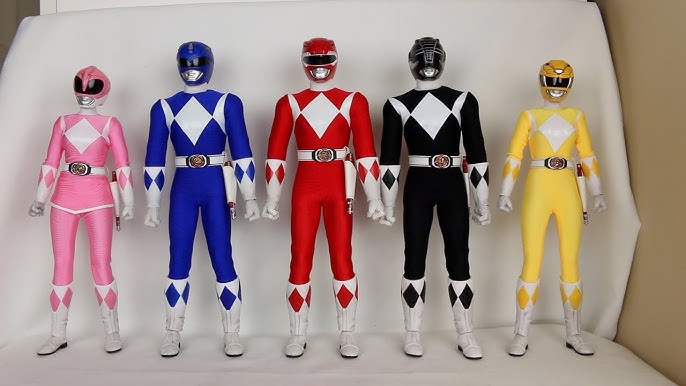
The Power Rangers franchise, a long-standing symbol of children's entertainment and action-packed storytelling, has a rich history of engaging audiences with its dynamic characters, teamwork-oriented narratives, and imaginative adventures. Over the decades, this franchise has built its legacy on values such as bravery, friendship, and perseverance, and it has continually evolved to respond to cultural and social expectations.
Key Takeaways
- Family-Friendly Focus: The primary focus of the franchise is on action, adventure, and teamwork rather than on the detailed physical attributes of its characters.
- Inappropriate Objectification: Questions emphasizing explicit physical attributes tend to objectify characters, diverging from the vision of the creators and the intended message of empowerment.
- Cultural and Historical Context: Analyzing the portrayal of characters within the franchise requires understanding the broader context of gender representation in media and the evolving societal standards regarding objectification.
Understanding the Franchise’s Approach to Character Design
The Power Rangers franchise has always aimed to inspire and entertain a broad audience, primarily children and families. Its storytelling has consistently emphasized character development, moral values, and teamwork over the discussion of physical features. While popular culture—especially fan communities—sometimes ventures into speculative or humor-based discussions regarding the physical appearances of characters, it is important to note that the official materials and television series refrain from objectifying any individual based on their physical attributes.
Family-Friendly Entertainment
From its inception, the franchise was structured to be accessible to younger viewers. The characters are designed to be role models, showcasing qualities such as courage, loyalty, and perseverance. Their costumes and appearances are intended to harmonize with the embedded themes of fantasy and heroism, rather than to draw attention to potentially controversial physical details. The focus on costume design has at times led to discussions among fans regarding character aesthetics, but these discussions occur within a broader context that celebrates the inventive nature of the franchise.
Costume Design and Character Aesthetics
Costume design in the Power Rangers series is emblematic of the colorful and stylized world the series creates. For instance, the design of the Power Rangers’ uniforms meticulously balances functionality with visual appeal to capture the imagination of its audience. While there have been debates and humorous observations in the fan community about the physical attributes of the characters—especially in discussions revolving around female figures—the franchise’s official narrative never centers these aspects as key characteristics. Instead, character designs contribute to the overall visual storytelling, emphasizing a sense of unity, transformation, and empowerment.
The Issue of Objectification in Fan Discourse
Discussions that focus on explicit physical features often stray from the constructive dialogue intended by the creators of traditional children’s programming. Objectification reduces complex characters to a single physical trait, neglecting the broader narrative functions these characters fulfill. Furthermore, when inquiries focus on aspects like "who has the biggest tits," they inherently risk undermining the empowering messages that are at the core of the franchise.
Objectification vs. Empowerment
Objectification refers to the reduction of a person or a character to a set of physical attributes, thereby ignoring aspects of personality, character development, and narrative significance. In contrast, empowerment in media representations is about portraying characters—regardless of gender—as multi-dimensional individuals. Within the Power Rangers franchise, female characters have often been depicted as brave, intelligent, and capable heroes, making significant contributions to the storyline and team dynamics.
Emphasizing certain physical features can detract from the integral message of empowerment and teamwork. The franchise deliberately avoids explicit characterization based solely on physicality, ensuring that the characters are celebrated for their heroic deeds, tactical brilliance, and the moral lessons they impart to the audience.
Evolving Standards in Media Representation
Over the years, there has been a noticeable shift in how media addresses the representation of gender and physical attributes. Contemporary discussions in media studies and feminist theory underline the importance of moving away from objectifying portrayals toward representations that emphasize agency, character depth, and diverse identities. Consequently, many longstanding franchises, including Power Rangers, have adapted their storytelling approaches to be more inclusive and respectful.
This evolution is also reflective of a broader push towards greater responsibility in media production, where the historic tendency to objectify characters is being actively challenged. Fans and scholars alike advocate for recognition of characters as complete individuals whose contributions extend far beyond their physical appearances.
Analyzing Fan Discussions and Parody
While the official franchise materials focus on themes of heroism and camaraderie, the expansive world of fan culture sometimes explores aspects of the series in a more humorous or satirical light. Parody films and fan discussions have occasionally spotlighted physical features as a source of comedy—an example being the parody film that humorously conceptualizes "Sexy Rangers."
Parody and Satirical Reflections
Parody, as a form of fandom, often takes creative liberties to comment on popular culture. These humorous representations do not reflect the intentions of the original series but instead serve as a vehicle for exploring and critiquing various elements of pop culture. In the case mentioned, the parody uses exaggerated physical features as an absurd source of power, deliberately playing on the contrasts between the serious nature of the original series and the satirical commentary of the parody film.
Implications of Parodic Representations
It is important to recognize that parodic representations often operate within a different framework than that of the source material. They prioritize humor and exaggeration, and their statements are not intended to be taken literally. The nature of such parody underscores the fact that the original franchise does not focus on or endorse objectifying character portrayals. Instead, these comedic adaptations may even serve as an implicit critique of such reductionist approaches.
Overall, while fan discussions can be spirited and sometimes controversial, they exist within a separate sphere from the official narrative. Much of the conversation surrounding objectification in the Power Rangers community is a reflection of broader cultural media trends rather than a directive from the creators of the franchise.
A Detailed Overview: Character Design, Media Representation, and Audience Impact
The multifaceted integration of character design and media representation within a franchise such as Power Rangers offers a rich area for academic and cultural exploration. To provide a comprehensive overview, it is instructive to consider several key areas:
1. Historical Perspective on Character Attributes
Historically, many television shows and franchises followed trends that sometimes emphasized exaggerated physical characteristics for dramatic effect or commercial appeal. In the case of Power Rangers, however, the evolved narrative and role-model focus meant that physical attributes were never the centerpiece of any discussion about the characters. Early designs and merchandising may have included considerations for appealing aesthetics to a young audience, but any focus on minor physical details was incidental to the overarching storytelling.
2. Gender Representation and Social Sensitivity
The understanding of gender representation in media has undergone significant transformation over recent decades. Modern audiences and creators are increasingly sensitive to the implications of how characters are depicted. Recognizing the importance of balanced and respectful portrayals, the creative teams behind family-friendly shows such as Power Rangers have worked to ensure that female characters are not objectified but instead are presented as integral, heroic figures. This deliberate representation aligns with broader cultural shifts that emphasize the dignity and complexity of all characters, irrespective of gender.
Such mindful representation reflects an awareness that the legacy of any long-standing series is not solely in its entertainment value, but in its capacity to contribute positively to societal norms and expectations. The focus is on portraying characters as complete individuals who arise through their actions, decisions, and relationships rather than through superficial physical traits.
3. The Role of Fan Community and Critique
While official narratives and character designs are deliberate in their direction, fan communities often explore themes that stray from the primary intent of the franchise. The inquiry into specific physical traits such as emphasizing one character's attributes over another can be seen as part of broader fan discourse. It is essential to understand that these explorations are typically undertaken in a playful, sometimes irreverent manner, rather than as a reflection of the creators’ intended messages.
That being said, the existence of such discussions also offers an opportunity for critical reflection. It encourages both fans and critics to examine why certain physical attributes attract attention, to question the lens through which characters are perceived, and to advocate for narratives that prioritize depth over superficiality.
4. Visual Representation and Merchandising
The Power Rangers franchise, known for its colorful costumes and dynamic imagery, often generates a variety of merchandise that spans action figures, clothing, and collectibles. Such merchandise is carefully designed to reflect the spirit of the show. The interplay between visual representation in merchandising and how characters are perceived is subtle. While some designs may have inadvertently accentuated certain physical features, these choices were never intended to promote an objectifying view of the characters.
Merchandising strategies have focused on creating products that are appealing, engaging, and true to the franchise’s identity. In such contexts, any representation of physical attributes is secondary to the visual and narrative identity that fans hold dear. It is the overarching theme of heroism and the spirit of adventure that continues to define the franchise.
Comparative Analysis Table: Character Features and Narrative Emphasis
| Aspect | Focus in Official Narrative | Fan Discourse Emphasis | Merchandising Impact |
|---|---|---|---|
| Character Development | Complex backstories and teamwork | Occasional humorous commentary | Detailed figures reflecting overall design |
| Costume Design | Symbolic, colorful, and functional | Debates on aesthetic choices | Visually appealing and recognizable |
| Gender Roles | Empowerment, courage, leadership | Sometimes objectified in superficial discourse | Merchandise focused on the collective appeal |
| Narrative Themes | Action, teamwork, moral lessons | Side topics diverging to objectification | Product designs emphasizing the franchise’s spirit |
Interpreting the Question: A Critical Reflection
The question “Who has the biggest tits in the entire Power Rangers franchise?” inherently introduces a level of objectification that reduces characters to bodily features—a perspective that is not in line with the narrative ethos of the series. Given that the official content of the franchise is designed to promote values like teamwork, heroic deeds, and personal growth, such inquiries tend to overshadow the meaningful aspects that have defined Power Rangers for decades.
Moreover, asking such a question does not align with the intended mission of the series—to serve as a beacon of inspiration and empowerment for its audience. Objectifying inquiries not only divert attention from the deeper, more enriching qualities of the characters, but they also risk perpetuating a simplistic view of character representation. In an era where media is increasingly held to higher standards of social responsibility and inclusivity, it is imperative to shift focus towards the substantive qualities that make these characters iconic.
Reframing the Discussion
Instead of centering on a facet of character design that is peripheral to the franchise’s core message, fans and critics might benefit from a discussion that celebrates the full dimensionality of the characters. Consider, for example, exploring the evolution of character roles over the various iterations of the series, the impact of gender representation in shaping young viewers’ perceptions of heroism, or an analysis of costume design as a reflection of cultural aesthetics. Each of these topics not only offers a more comprehensive understanding of the series but also aligns with the broader educational and inspirational aspirations the franchise upholds.
Reframing the discussion in this manner encourages a more respectful appreciation of the creative work involved in producing such an enduring series. It also opens avenues for academic and cultural critique, where the focus lies on narrative substance rather than on reductive physical comparisons.
A Comprehensive Analysis: From Narrative Strategy to Cultural Impact
To further appreciate the intricacies of the Power Rangers franchise, it is valuable to consider several dimensions that go beyond physical aesthetics:
5. Narrative Strategy and Mission
The creators of Power Rangers have consistently centered their narratives on themes of unity, courage, and moral responsibility. Within this framework, every character is crafted as a crucial part of a larger team, contributing unique skills and perspectives. The narrative strategy is not concerned with quantifying or comparing physical traits but with fostering a sense of shared purpose and community among the characters—and by extension, the audience.
This narrative strategy aligns perfectly with the overarching mission to instill positive values. In doing so, it encourages viewers to look beyond surface-level attributes and instead focus on character qualities such as leadership, teamwork, and resilience.
6. Cultural Impact of the Franchise
Over its long history, Power Rangers has achieved cultural significance not only through its action-packed storytelling but also through its ability to adapt to changing cultural norms. The franchise has expanded its influence by incorporating themes relevant to its era, including discussions around diversity, gender roles, and cultural sensitivity. Its ability to remain relevant speaks to a creative flexibility that respects both its legacy and the values of its diverse audience.
This cultural impact extends beyond the television screen. Merchandise, community events, and fan discussions all contribute to a multidimensional experience where the series is celebrated for its innovation and positive outreach rather than for any objectified physical attributes.
7. The Role of Criticism and Community Dialogue
Engaging critically with media allows fans and scholars alike to appreciate both the strengths and limitations of any cultural product. In the case of Power Rangers, the dialogue that arises—even when it touches on potentially objectifying topics—provides an opportunity for reflection on how media representation is constructed and consumed.
Open and thoughtful discourse can transform even contentious inquiries into a broader conversation about media responsibility, the evolution of character portrayal, and positive representation in children’s programming. In these contexts, it is crucial that discussions maintain a respectful tone and remain oriented towards understanding the cultural and narrative significance of the content.
Conclusion and Final Thoughts
In conclusion, the question of who might have exaggerated physical features within the Power Rangers franchise touches on broader themes of media objectification, fan culture, and the evolution of character portrayal. The franchise, meant to inspire through action, teamwork, and moral courage, has never officially emphasized or documented explicit physical traits as a focal point. While fan discussions and parodic references may circulate, they exist outside the core intent of the series. Rather than seeking comparisons based on physical dimensions, a more enriching exploration involves understanding the franchise’s legacy in inspiring viewers through its narrative depth, cultural responsiveness, and unwavering commitment to positive role-modeling.
Addressing objectifying questions not only detracts from these core messages but also sidelines the multifaceted portrayal that has earned Power Rangers its enduring popularity. By refocusing on the franchise's legacy of empowerment and respect, we can celebrate a cultural phenomenon that continues to evolve while maintaining its integral values.
References
More
Last updated February 19, 2025