
Deep Dive into Powerfoyle Technology in Consumer Audio Products
Exploring How Solar Innovation Transforms Headphones, Speakers, and More
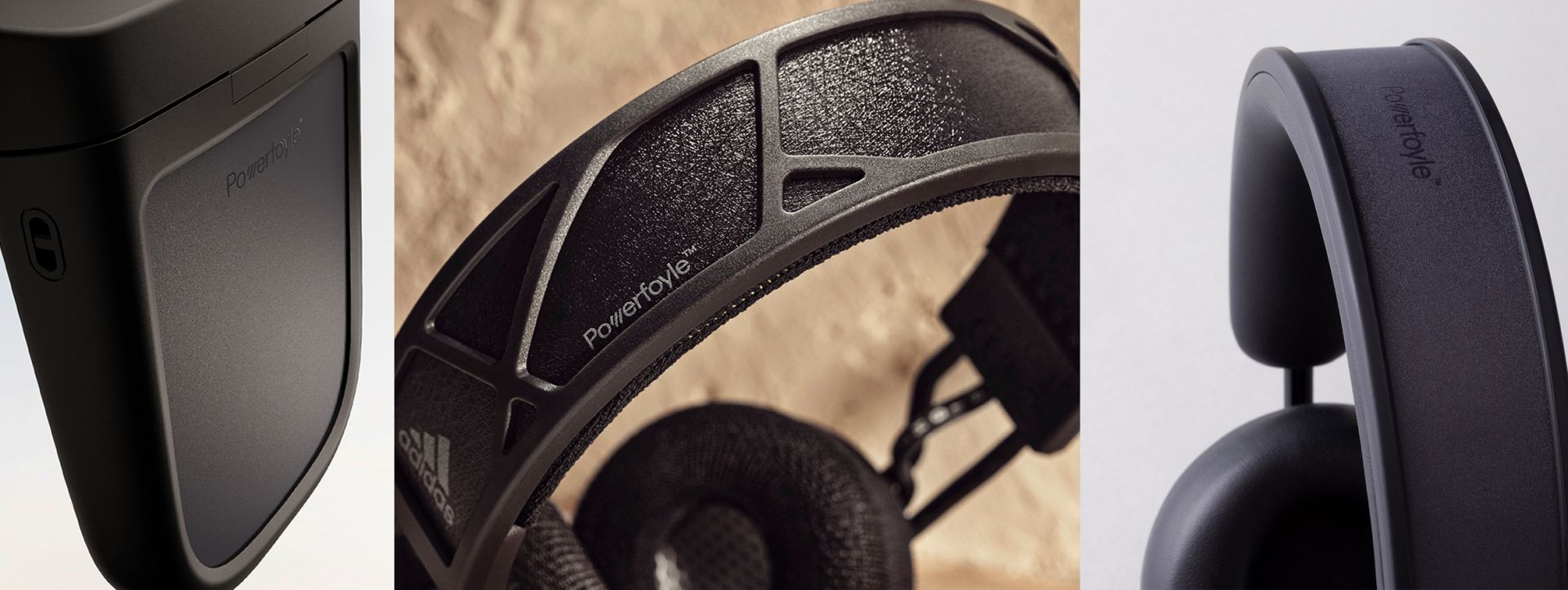
Highlights
- Seamless Integration: Powerfoyle is designed for incorporation into modern audio products without compromising design or performance.
- Unlimited Energy: By converting all forms of ambient light into electrical energy, devices can achieve near-continuous operation.
- Sustainability: This technology minimizes e-waste and promotes eco-friendly product design using renewable energy.
Introduction to Powerfoyle Technology
Powerfoyle represents a breakthrough in solar cell technology, primarily developed by the Swedish company Exeger. By harnessing both indoor and outdoor light, this innovative material converts ambient energy into electricity, enabling consumer electronic devices such as smart speakers and headphones to operate on a renewable energy source. Its design has revolutionized the traditional reliance on conventional charging methods, opening a host of benefits in terms of user convenience, sustainability, and product aesthetic integration.
Evolution from Traditional Solar Cells
The technology behind Powerfoyle evolved from Dye-Sensitized Solar Cells (DSSCs), which mimic artificial photosynthesis. Unlike conventional solar panels that require direct sunlight, Powerfoyle is engineered to work effectively in low-light and indoor conditions. This unique ability to generate power from a broader range of light sources makes it particularly suitable for today's lifestyle, where devices are used in various lighting conditions.
Core Features and Technical Capabilities
Energy Conversion Efficiency
One of the most striking attributes of Powerfoyle technology is its capability to harvest energy from both natural sunlight and artificial indoor light. Traditional solar cells often suffer from limited efficiency in artificial lighting, but Powerfoyle overcomes these challenges by using specialized materials and structural designs that maximize light absorption in any environment. In particular, the versatility in energy conversion enables consumer devices to benefit from an almost endless energy supply, especially in today’s dynamic usage patterns.
Material Flexibility and Design Integration
Another key feature of Powerfoyle technology is its flexibility in terms of shapes, sizes, and textures. Manufacturers have the freedom to integrate these solar cells seamlessly into product designs without compromising on aesthetic appeal. Unlike bulkier and rigid traditional solar cells, Powerfoyle can mimic materials such as leather, brushed steel, or fabric. This allows the technology to be embedded into product exteriors discreetly, encouraging innovation in designs for headphones, smart speakers, and even wearable devices.
Durability and Environmental Benefits
Durability is paramount in consumer electronics, and Powerfoyle does not disappoint. Engineered for everyday wear and tear, the material boasts a robust build quality that can withstand the rigors of daily use. Besides offering longevity, the use of Powerfoyle technology contributes substantially to environmental sustainability. By reducing reliance on disposable batteries and eliminating frequent charging requirements, the technology helps curb the amount of electronic waste while also lowering carbon emissions. Additionally, its manufacturing process is powered by 100% renewable energy with no toxic emissions, aligning perfectly with contemporary eco-friendly values.
Applications in Consumer Audio Products
The positive impact of Powerfoyle technology is most evident in its integration with consumer audio products. Its flexibility and efficiency allow it to be embedded into a variety of devices, enhancing both performance and user experience. Let’s explore some prominent examples.
Self-Charging Headphones
Perhaps the most widely recognized application of Powerfoyle technology is in the realm of headphones. Brands such as Urbanista and Adidas have launched self-charging models. For instance, Urbanista Los Angeles headphones are celebrated as the world's first self-charging wireless active noise cancelling headphones. These devices take advantage of ambient light to continuously charge, thus enabling nearly unlimited listening without the need for frequent manual charging. This not only improves convenience but also aligns with trends towards sustainable product design.
Smart Speakers and Portable Audio
While smartphones and headphones have seen a significant uptick in solar integration, smart speakers have also begun to incorporate Powerfoyle technology. A notable example is the Urbanista Malibu speaker, which leverages the technology to remain self-charging in outdoor and indoor conditions alike. The advantages here are clear: users can enjoy uninterrupted sound without constantly searching for power outlets. This hands-free, continuous operation enhances the overall user experience, making smart speakers more adaptable to various environments.
Additional Device Integration
Beyond headphones and smart speakers, Powerfoyle's inherent versatility allows for its application across other portable electronic devices, including wearables and potential IoT (Internet of Things) devices. This opens up a broad landscape for future innovations, making everyday electronics resilient, independent, and environmentally friendly. As consumer demand for continuous performance and sustainable technology grows, more brands may consider integrating Powerfoyle technology into a wider range of products.
Market Impact and Consumer Benefits
Convenience and User Experience
The primary consumer benefit of integrating Powerfoyle technology into audio devices is convenience. Users are liberated from the constant worry of battery depletion and the need to plug in devices for charging. The ability to charge continuously with ambient light results in a significant enhancement in the overall user experience. Whether used during a commute, at home, or in low-light environments, the technology offers a level of autonomy that is both practical and revolutionary.
Economic Advantages
Although initial development and integration costs might be higher than traditional methods, the long-term economic benefits are substantial. Powerfoyle-enabled devices reduce or even eliminate the periodic expense of replacing batteries or purchasing separate charging equipment. Moreover, as the market for sustainable and eco-friendly electronics grows, early adoption could offer competitive advantages, driving a premium both in terms of user satisfaction and market share.
Sustainability and Environmental Impact
In an era where environmental concerns are propelling innovation, Powerfoyle technology stands out by addressing key ecological challenges. By reducing dependency on disposable batteries and traditional power sources, it directly contributes to lower e-waste and diminished carbon footprints. Manufacturers adopting this technology benefit not only from a green image but also from the underlying message of sustainable progress that resonates with environmentally conscious consumers.
Industry Partnerships and Growth Potential
The successful integration of Powerfoyle technology into consumer audio products has been aided by strategic partnerships. Collaborations involving companies like TP Vision (a partner of Philips), Tymphany, and Minami collectively push the boundaries of what solar cell technology can achieve. These partnerships are paving the way for broader acceptance and larger-scale deployment. With ongoing development and research, the technology is poised to expand further into other categories, including wearable electronics and other smart devices.
A Closer Look: Technical Specifications and Performance
Overview Table of Key Technical Specifications
| Feature | Description | Impact on Device |
|---|---|---|
| Light Conversion Efficiency | High conversion of ambient light (both natural and artificial) to electrical energy. | Enables continuous operation under various lighting conditions. |
| Flexibility | Can be manufactured in different shapes, sizes, and textures, blending with product design. | Allows seamless integration into modern audio products without design compromise. |
| Durability | Engineered to withstand daily wear and tear while maintaining efficiency. | Ensures long-term reliability and product lifespan. |
| Sustainability | Manufactured using renewable energy and without toxic emissions. | Reduces environmental impact and appeals to eco-conscious consumers. |
| Market Adaptability | Suitable for a wide range of consumer electronics, from headphones to wearables. | Offers versatility in product design and broad market integration. |
Performance Highlights
Devices integrated with Powerfoyle have reported significant improvements in battery longevity. For example, Powerfoyle-enabled headphones can continue charging steadily during usage, often providing up to 80 hours of playtime on a single charge with continuous ambient light exposure. This performance is crucial for consumers who demand uninterrupted usage in various environments, from urban commutes to outdoor adventures.
Future Prospects and Emerging Trends
Expanding the Technology Horizon
As the demand for sustainable technologies increases, the future of Powerfoyle looks promising. Researchers and manufacturers are actively exploring ways to enhance efficiency further while reducing manufacturing costs, thus making the technology more accessible. Future innovations may include improved energy conversion materials, enhanced durability for incorporation into flexible materials, and even more innovative product designs.
Implications for Consumer Electronics
The broad implications of Powerfoyle extend beyond just audio devices. With its ability to provide self-sustaining energy, this technology could revolutionize the entire consumer electronics industry. As more products adopt Powerfoyle, we can expect an ecosystem where devices are less dependent on traditional power grids, thus paving the way for entirely new design philosophies focused on renewable energy. This trend is especially relevant in the emerging era of IoT devices, where continuous operation without reliance on external power sources could be a game-changer.
Innovative Product Lines and Expanded Use Cases
The versatility of Powerfoyle opens avenues for compelling product innovations. Beyond smart speakers and headphones, manufacturers are investigating how the technology can be applied to wearables, portable charging devices, and even home automation systems. As partnerships with leading consumer electronics brands mature, the anticipated market impact includes a wider range of products that embody both technological sophistication and environmental responsibility.
Addressing Challenges and the Road Ahead
Balancing Cost with Innovation
While Powerfoyle technology offers remarkable advantages over traditional charging systems, challenges persist. The cost-effectiveness of production is a critical consideration for mass-market adoption. As advanced materials and specialized manufacturing techniques are required, initial costs may be higher. However, economies of scale and ongoing research are expected to bring these costs down over time, ensuring that the benefits outweigh the investment.
Consumer Adoption and Education
Another potential challenge lies in consumer awareness and acceptance. As with any innovative technology, market penetration will depend on educating users about its benefits. Clear messaging about long-term convenience, reduced maintenance costs, and the positive environmental impact is essential. Manufacturers and partners must work together to communicate these advantages, ensuring that the technology resonates with a broad audience.
Enhancing Collaborative Innovations
Strategic partnerships play a pivotal role in addressing technical and economic challenges. Collaborations between technology developers like Exeger and brands such as Urbanista, Philips, and others are essential for refining and expanding the use of Powerfoyle. Through integrated research and development efforts, the device ecosystems of tomorrow will likely incorporate even more advanced iterations of solar-powered technology, further bridging the gap between sustainable innovation and consumer electronics.
References
- Exeger and TP Vision Partnership - TP Vision
- Official Powerfoyle Technology - Powerfoyle
- Philips Branded Self-Powered Products - AudioXpress
- Urbanista Malibu Speaker - AudioXpress
- Powerfoyle in Headphones - Exeger
Recommended Further Reading

Last updated March 6, 2025