
Rationale and APA Citations for PPE Disposal Procedures
A Comprehensive Overview of Key Steps in PPE Disposal
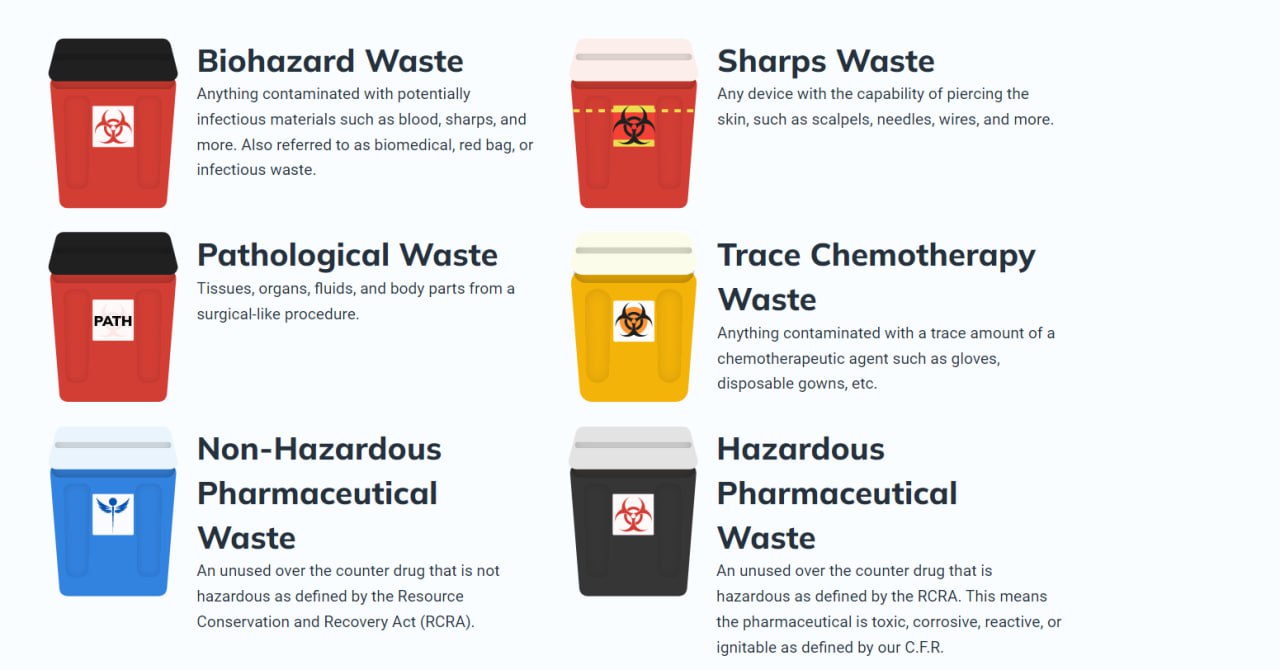
Highlights
- Double-Bagging Strategy: Minimizes contamination risk by creating secondary containment barriers.
- Sequential PPE Removal: Reduces self-contamination risk through proper order in doffing procedures.
- Secure Labeling and Handling: Ensures hazardous waste management with correct identification and safe transport.
Introduction
Effective disposal of used personal protective equipment (PPE) is a critical component of infection control in healthcare settings. With the potential presence of infectious agents, strict adherence to proper waste management protocols is essential for protecting healthcare workers, patients, and the community. This comprehensive overview presents detailed rationales and APA citations for three key steps in the PPE disposal process:
- Placing the first bag inside the second bag which is outside the room
- Removing the cap, mask, and gloves together with the gown, placing them inside the second bag
- Securing the bag with tape and labeling it with the room number and type of isolation, explicitly indicating contamination with blood or other secretions
Step-by-Step Rationale and APA Citations
Step 8: Place the First Bag Inside the Second Bag Outside the Room
This step is designed primarily to manage potential contamination risk while transferring PPE waste out of an isolation area. The process uses a double-bagging technique which serves as a critical barrier against environmental contamination and accidental exposure. By placing the first bag, which contains the contaminated PPE, into a second bag kept outside the isolation room, there is a clear separation between the contaminated material and the areas where personnel might be present.
Rationale
The rationale behind this procedure includes several key points:
- Minimizing Cross-Contamination: By using a double-bag system, healthcare facilities add redundancy to their safety measures, ensuring that any leakage from the primary bag is contained by a secondary barrier.
- Reducing Exposure Risk: When the outer bag is positioned outside the contaminated zone, it prevents the personnel outside from coming into inadvertent contact with the contaminated surfaces of the primary bag.
- Facilitating Safe Handling: The mechanism ensures that the contaminated material is securely enclosed and ready for safe transport and disposal in accordance with biohazard waste regulations.
This double-bagging method is widely endorsed by health organizations as an effective means to reduce the risk of infectious material dissemination during the PPE disposal process.
APA Citation
Centers for Disease Control and Prevention. (2003). Guidelines for environmental infection control in health-care facilities. Retrieved from https://www.cdc.gov/infectioncontrol/guidelines/environmental/index.html
Step 9: Remove the Cap, Mask, and Gloves Together with the Gown and Place Them Inside the Second Bag
This stage in the procedure targets the careful removal and containment of used PPE to minimize the chance of self-contamination or the spread of infectious agents. The removal sequence is crucial in reducing the possibility that contaminants spread onto the wearer's skin or clothing.
Rationale
The fundamental aspects of this step’s rationale are as follows:
- Maintaining a Clean Environment: By systematically removing all PPE items (cap, mask, gloves, and gown) and immediately placing them into the secondary bag, this process confines the contaminants within a controlled environment. This systematic approach ensures that contaminated surfaces do not come into contact with other items or the personnel responsible for their disposal.
- Preventing Self-Contamination: The prescribed order of removal is designed to keep the most contaminated items (such as gloves, which are in direct contact with potentially infectious materials) away from the body. By doing so, the risk of self-inoculation is minimized.
- Consolidated Waste Handling: Collecting all used PPE into one receptacle benefits subsequent handling, as the waste is treated as a single potentially hazardous unit. This facilitates a uniform approach to its subsequent transport and disposal.
APA Citation
Centers for Disease Control and Prevention. (2025). Donning and doffing PPE: Proper wearing, removal. Retrieved from https://www.cdc.gov/niosh/learning/safetyculturehc/module-3/8.html
Step 10: Secure the Bag with Tape and Label It with the Room Number and Type of Isolation
The final step in the PPE disposal process involves both securing and labeling the waste bag. This dual action is essential for ensuring that the hazardous waste is managed correctly during its subsequent handling and disposal.
Rationale
The rationale for securing and labeling the bag encompasses several important considerations:
- Ensuring Integrity During Transport: Securing the bag with tape prevents accidental openings or spills during transportation through different areas of the facility. This is critical for avoiding exposure to infectious agents and maintaining the integrity of the waste containment.
- Clear Communication of Hazardous Contents: Labeling the bag with the room number and the specific type of isolation (as well as indicating if there is contamination with blood, drainage, or secretions) plays a vital role in hazardous waste management. It alerts waste management personnel to handle the bag using appropriate protocols by clearly communicating the nature and source of the contamination.
- Regulatory Compliance and Traceability: Precise labeling ensures that the facility remains compliant with state and federal waste management regulations. It also provides essential traceability for any follow-ups or investigations in the case of exposure accidents.
APA Citation
World Health Organization. (2025). MODULE 12: Labeling, handling and collection of healthcare waste. Retrieved from https://www.who.int/docs/default-source/wash-documents/wash-in-hcf/training-modules-in-health-care-waste-management/module-12---labeling-handling-and-collection-of-health-care-waste.pdf
Summary Table of Steps and Rationales
| Step | Action | Rationale | Key APA Citation |
|---|---|---|---|
| 8 | Place the first bag inside the second bag outside the room |
|
CDC (2003): Guidelines for Environmental Infection Control |
| 9 | Remove the cap, mask, and gloves together with the gown and place them inside the second bag |
|
CDC (2025): Donning and Doffing PPE Guidelines |
| 10 | Secure the bag with tape and label it with room number and type of isolation |
|
WHO (2025): Module 12: Labeling and Handling Healthcare Waste |
Detailed Discussion on the Importance of Each Step
Double-Bagging: A Multi-layered Protection Strategy
In environments where there is potential exposure to infectious agents, the concept of double-bagging plays a central role in reducing cross-contamination. The first bag, which directly receives potentially contaminated PPE, is vulnerable to damage or leakage that could release harmful agents into the environment. By inserting this bag into a secondary bag maintained outside the isolation area, a safety buffer is created. This approach adheres to rigorous waste management practices by ensuring that the contaminated material remains isolated, effectively minimizing any risk that might arise during its transport.
This strategy is underscored in clinical guidelines and waste management manuals. With infectious materials, even minor exposure can lead to the spread of pathogens. The extra layer of containment offered by the second bag assures that any breaches in the first layer do not lead to widespread contamination. The design of this system not only reduces environmental hazards but also aligns with occupational health standards to protect healthcare workers.
Sequential PPE Removal: Critical for Preventing Self-Contamination
The order in which PPE is removed is universally recognized as crucial to preventing self-contamination. In a typical protocol, healthcare workers begin by removing gloves, which are most likely to be heavily contaminated. This is followed by the removal of gowns, caps, and masks. Each PPE component, once removed, poses a risk if inadvertently touched. To mitigate this risk, complete removal before any surface is touched is essential.
Importantly, by consolidating all removed items into the secondary bag immediately, the process safeguards subsequent steps involving waste handling. The importance of this sequential procedure is validated through rigorous studies and published guidelines. These guidelines have demonstrated that following a systematic doffing method notably decreases the incidence of contamination, thus protecting both the personnel performing the removal and those involved in handling discarded materials.
Secure Labeling and Handling: Ensuring Safe Transport and Compliance
The final step—securing and labeling the bag—serves dual purposes. Firstly, it provides physical security to the potentially hazardous waste by sealing the bag with tape, which prevents accidental openings during transit. This is a critical step in maintaining the integrity of the waste container, thereby avoiding environmental spills.
Secondly, prominent and precise labeling of the bag plays an essential role in ensuring that the waste is identified correctly. The label should include details such as the room number, type of isolation, and any indicators of contamination (for example, if the waste is contaminated with blood or other bodily fluids). This information is crucial for waste handlers who are tasked with following specific protocols designed for hazardous materials. The clear labeling acts as a guide for the safe transport, storage, and final disposal of the waste, ensuring that every step of the process complies with local regulations and guidelines.
The combination of physical security through tape and clear labeling creates a robust framework for managing hazardous waste. It not only protects the workers in immediate contact with the waste but also supports the overall environmental safety of healthcare operations. Consistent and precise labeling is an integral part of regulatory compliance and aids in the rapid identification of waste types, thus facilitating better response in case of accidental exposures.
Further Analysis and Considerations
Importance in Regulatory and Clinical Contexts
The above-discussed methods are not arbitrary but are rooted in established guidelines from several respected health organizations. Their approach to PPE disposal is part of a broader strategy aimed at curbing the spread of infections in healthcare environments. Regulatory agencies emphasize that proper waste disposal must be aligned with strict engineering and procedural controls.
Healthcare facilities are mandated to follow such guidelines to ensure that every step in the process—from removal to final disposal—meets the highest standards of safety and efficiency. The double-bagging method, methodical PPE removal, and secure labeling practices collectively conform to the best practices endorsed by national and international public health institutions. These practices are constantly updated in light of new data regarding pathogen transmission and waste management.
Challenges and Best Practices
While the processes described are effective in mitigating risks, real-world implementation often requires rigorous staff training, continuous quality control, and adherence to evolving standards. Best practices include regular drills on PPE removal, proper disposal techniques, and audits to ensure compliance with established protocols. The role of documentation cannot be overstated—each step should be recorded so potential breaches can be identified and rectified promptly.
Healthcare institutions often develop institutional guidelines based on international standards, adapting them to local regulatory frameworks. For instance, double-bagging might include specific requirements concerning the type of bags used, the proper sequence in handling contaminated materials, and precise labeling protocols that incorporate not only the identification of the waste but also the timing of its disposal. Such detailed documentation is invaluable for quality assurance and for legal compliance, as it provides clear evidence of adherence to safety standards.
Training and Continuous Improvement
Continuous training initiatives are vital to ensure that all healthcare workers remain updated on the latest procedures in waste management. Simulation exercises focusing on the proper removal of PPE and the subsequent secure labeling and containment of waste are regularly conducted. These exercises are critical in reinforcing the protocols detailed above and ensuring that potential risk factors are mitigated effectively.
Ongoing education and regular updates based on the latest scientific research and case studies ensure that these practices remain robust. Healthcare workers must be knowledgeable about the rationale behind each step, which in turn fosters a culture of safety and attentiveness that protects both individuals and the broader community.
Conclusion and Final Thoughts
The safe disposal of used PPE is an integral part of infection control in healthcare settings. The three steps discussed—double-bagging contaminated PPE, systematically removing all components of the PPE, and securing plus labeling the waste bag—are crucial in minimizing the risk of contamination and ensuring compliance with regulatory standards. The rationale for each of these steps is supported by widely recognized guidelines from organizations such as the Centers for Disease Control and Prevention and the World Health Organization, among others.
Each step builds upon the preceding one to form a comprehensive approach that prevents accidental exposures and cross-contamination. With the double-bagging technique, a robust secondary containment ensures that any breach in the primary barrier does not compromise safety. The sequential removal of PPE components is essential to avoid the transfer of infectious agents onto the body or surrounding surfaces. Finally, the final step of securing and accurately labeling the waste container underlines the importance of protecting all stakeholders by clearly communicating hazards and ensuring proper waste handling.
Meticulous adherence to these procedures ensures that healthcare workers and patients are safeguarded from potential infectious threats. The integration of safety protocols across multiple steps not only meets regulatory requirements but also enhances the overall efficacy of infection control measures in high-risk environments. Through continuous training and adherence to evidence-based guidelines, healthcare institutions can maintain a safe workspace that effectively manages biohazardous waste.
References
-
Guidelines for Environmental Infection Control in Health-Care Facilities - CDC
- Donning and Doffing PPE: Proper Wearing, Removal - CDC
- Module 12: Labeling, Handling and Collection of Healthcare Waste - WHO
Recommended Further Queries
Last updated February 20, 2025