
Ten Basic PPEs in Construction and Materials Operation
A Comprehensive Guide to Essential Safety Equipment and Their Functions
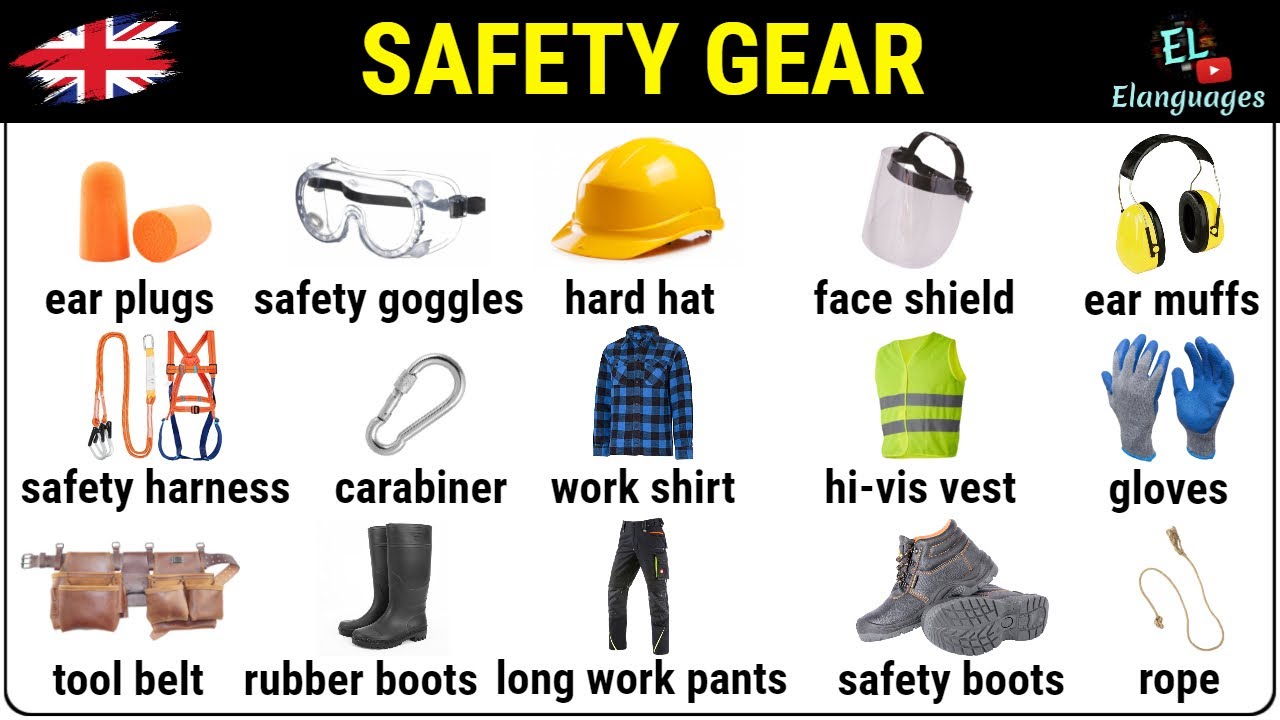
Highlights
- Comprehensive Protection: Each PPE plays a critical role in mitigating specific hazards.
- Layered Defense System: Using multiple forms of protection ensures safety from head to toe.
- Industry Standards: The list aligns with established construction and materials operation safety guidelines.
The construction industry and materials operation environments are inherently risky due to numerous potential hazards. Ensuring worker safety in such areas relies heavily on the proper use of Personal Protective Equipment (PPE). These items are specifically designed to offer protection against injury or illness resulting from contact with hazards present in these work environments. Below, we delve into an in-depth analysis of the ten basic PPE items along with a detailed explanation of their functions.
1. Hard Hats
Function and Importance
Hard hats are among the most critical elements of PPE in construction and materials operation. Their primary function is to protect the head from severe injuries caused by falling objects, flying debris, or accidental impacts. By absorbing and dispersing the energy from impacts, hard hats significantly reduce the risk of traumatic brain injuries. They are essential in environments where overhead work is prevalent, such as building sites and material storage areas. In addition to their primary protective function, modern hard hats are often designed with additional features such as ventilation, ergonomic shaping for comfort, and sometimes even integrated communication systems.
2. Safety Glasses or Goggles
Function and Importance
Eye protection is paramount in preventing injuries that can result from flying particles, dust, chemicals, and harmful ultraviolet (UV) radiation. Safety glasses or goggles act as a barrier for the eyes, reducing the risk of injuries that can occur during tasks such as cutting, grinding, welding, or handling hazardous materials. While safety glasses provide a general shield, goggles offer an enhanced level of protection by sealing around the eyes to prevent particles or liquids from entering. Some advanced variants also come with anti-fog and scratch-resistant coatings, ensuring clear vision under challenging conditions.
3. Ear Protection
Function and Importance
Construction sites often produce extremely high decibel levels due to heavy machinery, power tools, and environmental noise. Long-term exposure to such high levels of noise can lead to permanent hearing damage or loss. Earplugs and earmuffs are designed to attenuate and reduce the intensity of sound entering the ear, offering both comfort and protection. While earplugs fit snugly into the ear canal to block out noise, earmuffs cover the entire ear, creating a consistent barrier against the high-decibel environment. The choice between the two often depends on the type of work being conducted and individual comfort preferences.
4. Safety Gloves
Function and Importance
Safety gloves are indispensable in protecting the hands from various hazards encountered in construction and materials handling. They serve as a shield against cuts, abrasions, chemical burns, and extreme temperatures. The gloves are made from materials that are resistant to a range of hazards—such as leather for abrasion resistance, nitrile for chemical protection, and insulated versions for thermal hazards. Their design ensures both protection and dexterity, allowing the wearer to maintain a firm grip and manipulate tools with precision. In some cases, specialty gloves are used to provide additional resistance against electrical hazards, reducing the risk of electrocution.
5. Safety Footwear or Steel-Toed Boots
Function and Importance
Foot protection in construction sites is crucial due to the risk of heavy objects falling, rolling materials, or accidentally stepping on sharp objects. Safety boots, often reinforced with steel toes, prevent serious foot injuries by absorbing and redistributing the force of impacts. Additionally, these boots are designed with slip-resistant soles to reduce the risk of falls on wet or uneven surfaces. Advanced safety footwear may also offer puncture resistance and protection from electrical hazards. Their role in maintaining worker mobility and protection makes them one of the fundamental elements of a construction safety protocol.
6. High-Visibility Clothing
Function and Importance
High-visibility clothing, such as vests or jackets, is designed to make workers easily noticeable in environments with moving machinery, vehicles, or in low-light conditions. Reflective strips and bright colors are key features of these garments, significantly reducing the risk of collision or accidents by ensuring that workers remain visible to operators. This form of PPE is not only critical in construction sites but also for any operations involving vehicular traffic or areas where worker visibility is a concern. High-visibility gear is instrumental in fostering a safety culture by ensuring that all personnel can be seen at any time, thereby preventing potentially catastrophic accidents.
7. Respiratory Protection (Masks or Respirators)
Function and Importance
Respiratory hazards in construction sites can range from dust generated during cutting or grinding to harmful fumes emitted by chemicals. Respiratory protection, such as dust masks and respirators, is critical for filtering out fine particles, fumes, and airborne contaminants. Masks offer basic protection during low-hazard activities, whereas more sophisticated respirators with replaceable filters provide effective defense against chemical vapors, asbestos dust, silica, and other hazardous airborne particles. The effectiveness of these devices lies in their ability to prevent respiratory ailments and diseases that could otherwise result from prolonged exposure to hazardous particulates.
8. Protective Clothing and Coveralls
Function and Importance
Protective clothing is an essential safeguard against exposure to hazardous substances, extreme weather conditions, and physical abrasions. This category includes coveralls, aprons, or specialized suits that protect the body and underlying clothing from dirt, chemicals, and other contaminants. Designed to be robust yet comfortable, protective clothing often features properties like flame resistance, waterproofing, and chemical resistance. In many cases, such clothing also serves an important secondary function of minimizing the spread of contaminants outside the work area, thereby contributing to overall occupational hygiene standards.
9. Face Shields
Function and Importance
Face shields provide an additional layer of protection by covering the full face, including the eyes, nose, and mouth, from potential hazards such as flying debris, chemical splashes, or sparks from welding operations. While these shields are often used in conjunction with safety glasses for enhanced protection, they offer the benefit of a broader barrier against diverse and unpredictable hazards. The design allows for improved clarity and reduced fogging compared to traditional goggles, making them suitable for high-risk environments where comprehensive facial protection is required.
10. Fall Protection Equipment
Function and Importance
Working at heights inherently increases the risk of falls, which can cause life-threatening injuries. Fall protection equipment, such as harnesses, lanyards, and safety lines, are engineered to secure workers and prevent falls from elevated work surfaces. These devices are designed to distribute the forces in a fall across a larger area of the body, thus reducing the severity of injuries. In many cases, the use of fall protection equipment is mandated by regulatory safety guidelines for any work performed at heights above a specific threshold. Their importance in ensuring worker safety cannot be overstated, as they serve as a crucial barrier between workers and potentially fatal falls.
Detailed Table of PPE Items and Their Functions
| PPE Item | Function |
|---|---|
| Hard Hat | Protects the head from falling objects, impacts, and electrical hazards by absorbing and dispersing shock. |
| Safety Glasses or Goggles | Shields the eyes from flying debris, dust, harmful radiation, and chemical splashes to prevent eye injuries. |
| Ear Protection | Reduces exposure to high noise levels, thereby preventing hearing loss and auditory damage. |
| Safety Gloves | Provides hand protection against cuts, abrasions, chemical burns, and extreme temperatures while maintaining dexterity. |
| Safety Footwear or Steel-Toed Boots | Protects the feet from heavy impacts, sharp objects, and electrical hazards, and often includes slip-resistant soles. |
| High-Visibility Clothing | Enhances worker visibility in low-light conditions and around machinery to reduce collision risks. |
| Respiratory Protection | Filters out dust, fumes, vapors, and airborne contaminants to safeguard the respiratory system. |
| Protective Clothing | Acts as a barrier against hazardous substances and extreme environmental conditions, protecting the skin and clothing. |
| Face Shield | Provides comprehensive facial protection against flying debris, chemicals, and sparks, often used with safety glasses. |
| Fall Protection Equipment | Secures workers at heights with harnesses, lanyards, and other devices to prevent falls and minimize injury. |
Integration and Practical Implementation
Ensuring a Safe Work Environment
Implementing the use of these ten basic PPEs requires thoughtful planning and regular training sessions. Construction and materials operators should routinely conduct safety briefings to underscore the correct usage and maintenance of each piece of equipment. Regular inspections are crucial to ensure that all PPE is in good condition and that its protective qualities have not been compromised by wear and tear or environmental damage.
Training and Awareness
Worker training is fundamental in the proper implementation of PPE usage. Training sessions should include hands-on demonstrations on how to correctly put on, adjust, and maintain each type of PPE. The training should also educate workers about the limitations of their equipment and the variety of hazards present on the job site. An informed workforce is better equipped to recognize potentially hazardous situations and react appropriately by using the proper PPE.
Regulatory Compliance
Adherence to safety standards set by regulatory bodies is non-negotiable. These regulatory guidelines provide detailed instructions on the appropriate use of PPE and serve as benchmarks for safety accountability on construction sites. Employers must ensure that all PPE in use meets or exceeds these standards and that workers are accompanying their PPE use with best practices as recommended. Routine audits and assessments help in maintaining compliance and often identify areas for improvement.
PPE Maintenance
To maximize the lifespan and protective capability of PPE, regular checks and maintenance protocols should be established. This involves cleaning items after exposure to hazardous substances, replacing damaged components, and scheduling periodic inspections to track wear and tear. For example, hard hats should be inspected for cracks or deformations, and safety glasses should be checked for scratches that could impede vision. Consistent maintenance not only ensures safety but also enhances the reliability of protective equipment during critical moments.
Ergonomic Considerations
Comfort and ease of use greatly influence the consistent wearing of PPE. Ergonomic designs are increasingly emphasized to reduce strain and ensure that PPE items fit a wide range of body types and sizes. For instance, adjustable hard hats, custom-fitted gloves, and specialized footwear can make a significant difference in user comfort, reducing the temptation for workers to bypass safety measures. It is essential that manufacturers and operators keep ergonomics in mind to promote long-term usage and adherence to safety protocols.
Economic and Health Benefits
Reducing Workplace Injuries and Costs
The proper application of these ten basic PPE items not only safeguards worker health but also yields significant economic benefits. Preventing injuries on the job site leads to fewer workers' compensation claims, reduced downtime, and minimized costs associated with accident management. Employers who invest in high-quality PPE can anticipate a reduction in the operational impacts associated with workplace accidents. This proactive strategy also fosters a culture of safety that may enhance overall workforce morale and productivity.
Long-term Health Protection
Extending beyond immediate physical injuries, the long-term health effects of exposure to hazardous substances and environments are considerably mitigated by proper PPE usage. Respiratory protection can reduce the risk of chronic respiratory diseases, while effective eye and ear protection can prevent permanent sensory damage. This protection is especially important in operations with ongoing exposure to hazardous conditions. The cumulative benefit of these measures is a healthier workforce and lower risk of chronic health conditions related to construction or materials operation environments.
Return on Investment in Safety
The financial benefits of investing in PPE often surpass initial costs when considering the potential loss from workplace accidents. Safe work environments attract skilled labor, reduce absenteeism, and foster a reputation for diligence and responsibility. Equally important, companies that prioritize safety tend to avoid costly legal battles or regulatory fines, further underscoring the fiscal prudence of PPE investment. As such, PPE is integral not only to worker safety but also to sustainable operational efficiency.
Case Studies and Real-World Applications
Insights from the Field
Real-world applications serve as robust demonstrations of the vital role PPE plays in mitigating risk. In one case study, a construction workforce equipped with proper fall protection and respiratory equipment reported a significant decrease in on-site injuries compared to similar operations that neglected these safety protocols. Another example outlines how the use of modern high-visibility clothing dramatically reduced accidents at night shift operations, underscoring the importance of visibility in dynamic work environments.
Incident Management Improvement
Organizations that have integrated comprehensive PPE protocols often exhibit lower incident rates and improved emergency responses. Detailed documentation and continuous improvement based on incident analysis foster better training programs and equipment upgrades. By evaluating incidents and near-misses, safety managers tailor PPE strategies to address emerging hazards, ensuring the protection methods evolve with the operational environment.
Future Trends and Innovations
Advancements in materials science and ergonomic design promise to further enhance the protective features of PPE. Future innovations may include smart PPE integrated with sensors to monitor environmental hazards and worker health metrics in real time. These developments not only increase safety but also provide data-driven insights that can inform policy and further reduce workplace injuries. Embracing such innovations will likely become a standard practice in progressive construction and materials operation industries.
Conclusion and Final Thoughts
In conclusion, Personal Protective Equipment (PPE) is a cornerstone of occupational safety in both construction and materials operation. The ten basic PPE items discussed—ranging from hard hats and safety glasses to fall protection equipment—form an integrated system designed to mitigate a wide spectrum of hazards. Each piece of equipment not only addresses specific risks but also complements the protection provided by other items, resulting in a comprehensive defense mechanism for workers.
Implementing these PPEs effectively demands a strong commitment from both employers and employees. Regular training, strict adherence to regulatory standards, routine maintenance, and ergonomic considerations are all critical factors in ensuring continuous protection. Proactive safety measures pay dividends in not only reducing the frequency and severity of workplace accidents but also in supporting long-term worker health and economic stability.
Ultimately, fostering a culture of safety, where the use of PPE is integrated seamlessly into daily operations, is essential. This results in a safer working environment that minimizes risk, reduces economic loss associated with accidents, and ultimately grows into a model of best practices in industrial safety. As the industry continues to evolve, ongoing education and the adoption of innovative safety solutions will further enhance the ability to protect workers in challenging environments.
References
- Construction PPE Checklist: Essential Safety Gear - Safetyware
- The Complete Construction PPE Checklist - Fastbuild Supplies
- Personal Protection Equipment (PPE) Guide For Construction - Bigrentz
- Construction PPE Checklist: All the Items You'll Need - Cangard Care
- Personal Protective Equipment List with Pictures and Function - Anbu Safety
- OSHA Construction PPE Guidelines - OSHA
- PPE is the Last Resort - Raken
Recommended Queries for Deeper Insights
Last updated February 20, 2025