
Understanding the Paradox: PPP vs. Cost of Living in Singapore
Exploring how Singapore can appear cheap via PPP yet remain one of the world's most expensive places to live.
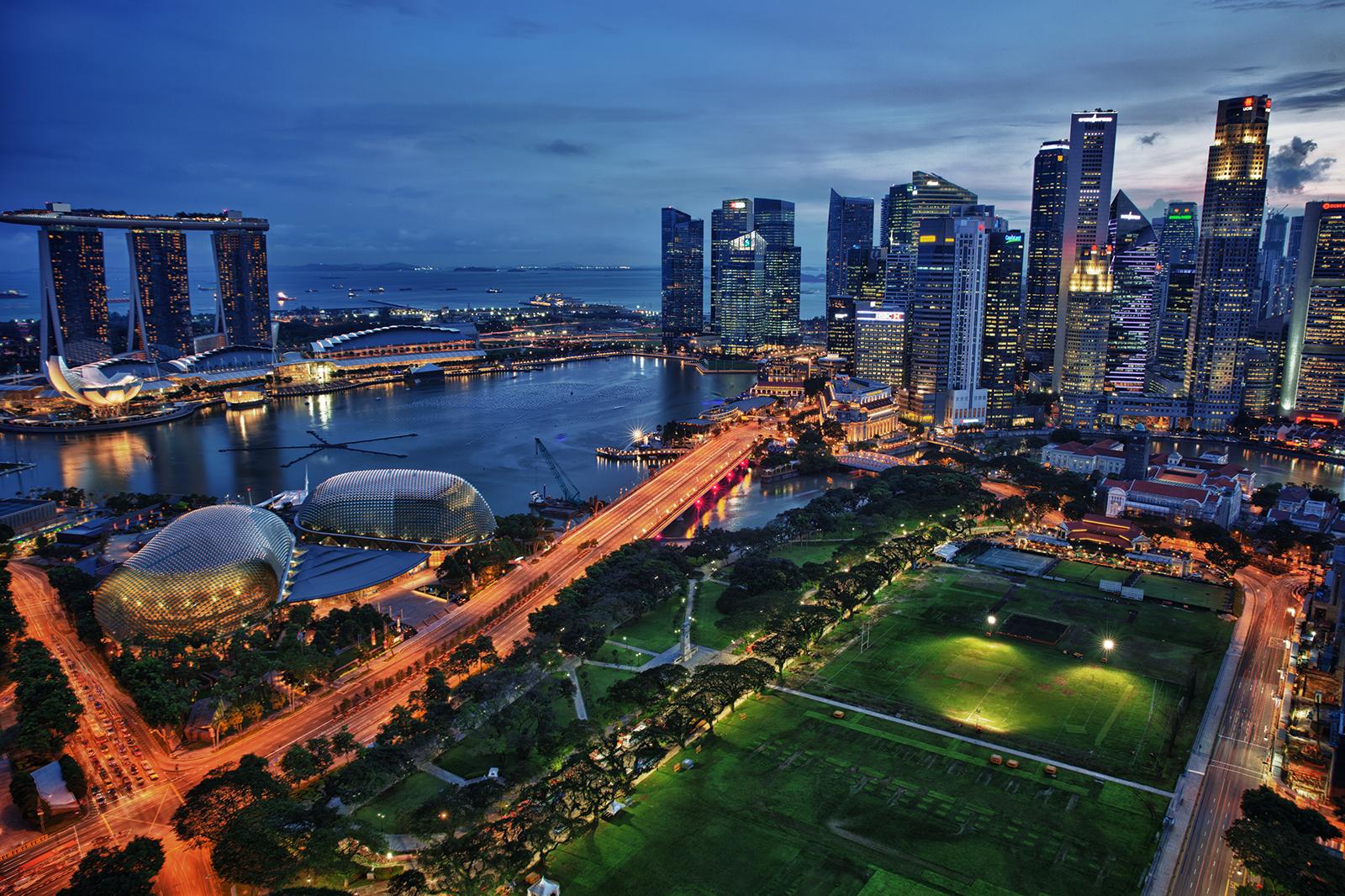
Key Highlights
- PPP and Basket of Goods: PPP is built on an average basket of goods that may not capture local nuances.
- Real World Costs: Items such as housing, transportation, and luxury goods in Singapore are significantly higher.
- Economic Subtleties: The discrepancy arises from differences in non-tradable services and specific market dynamics.
The Concept of PPP and Its Application
Purchasing Power Parity (PPP) is a theoretical tool that converts local currencies into a common international dollar based on equivalent purchasing power. In essence, it measures how much local currency is needed to purchase a standard basket of goods and services compared to how much one U.S. dollar would provide in the United States. The intent behind this approach is to facilitate comparisons of economic indicators such as Gross Domestic Product (GDP) and Gross National Income (GNI) by controlling for differences in price levels between nations.
Key Elements of PPP
The calculation of PPP involves several steps:
- Defining a representative basket of goods and services.
- Comparing the cost of this basket across different countries.
- Adjusting the nominal exchange rates to reflect relative price levels.
This conversion factor, in theory, should provide a better understanding of relative economic activity by removing distortions caused by fluctuating nominal exchange rates. However, the inherent assumption is that the basket used is fully representative of all residents' expenditures.
Disparities Between PPP and the Actual Cost of Living in Singapore
Despite PPP's intent to reflect comparative living costs, significant differences emerge when applying it to Singapore. Although the PPP conversion factor may suggest that prices in Singapore are lower compared to the United States, many residents and visitors experience a much higher cost of living in day-to-day expenses.
Basket of Goods Does Not Equal Lifestyle Costs
One of the foundational reasons for this apparent contradiction is the composition of the basket of goods and services used in PPP calculations. The basket is typically an averaged set of products that might include common items such as food, clothing, and utilities. However, it often fails to capture:
- Housing Costs: Singapore’s housing market is characterized by sky-high prices, which are driven by limited land availability and high demand. Whether for public housing or private condominiums, the price of property represents a significant expenditure that is under-represented in the general basket of goods.
- Transportation: Expenses related to transportation in Singapore, especially the high costs for vehicle ownership due to the Certificate of Entitlement (COE) and other regulatory fees, are not fully factored into PPP computations.
- Non-Tradable Services: Services such as healthcare, education, and certain local retail services do not have direct international competition. Their costs are influenced by local market dynamics and government policies, often rendering them more expensive than suggested by a broad-based PPP calculation.
The Influence of Market and Lifestyle Factors
Living expenses in Singapore are not only a product of standardized goods and services but also the result of unique local market dynamics and tastes:
High Demand vs. Limited Supply
Singapore is a small island city-state with a dense population. The limited geographical space results in high levels of competition for housing and amenities. This imbalance between high demand and restricted supply drives rental prices and property values upward, contributing substantially to the cost of living.
Luxury and Imported Goods
While the PPP conversion might incorporate locally produced goods whose prices are relatively moderate, many consumer choices in Singapore involve luxury or imported goods. Items such as high-end electronics, branded fashion, and gourmet foods incur significant mark-ups due to import duties and luxury tax regimes, further inflating living costs.
Government Policies and Fees
Singapore’s government actively manages various aspects of the economy to foster prosperity and long-term sustainability. Notable policies include the COE system for vehicles, which dramatically raises car ownership costs, and certain taxes aimed at controlling demand for limited resources. These financial measures ensure that while the calculated PPP conversion factor might suggest moderate prices, actual costs borne by residents are markedly higher.
Limitations of PPP in Reflecting Local Realities
A fundamental limitation of the PPP approach is its reliance on an averaged basket that may not accurately capture the personalized consumption patterns of a specific locale like Singapore. Given that the basket includes a mix of tradable and non-tradable goods, it inherently dilutes the impact of extremely high costs in certain areas.
Additionally, PPP calculations are often based on historical or periodically updated data that may not reflect more recent changes in the cost structure of an economy. In rapidly transforming urban settings such as Singapore, real-time market conditions can diverge significantly from these averaged metrics.
Comparative Analysis: Nominal Exchange Rates vs. PPP
To illustrate the contrast between the nominal exchange rate and the PPP conversion factor, consider the following points:
| Aspect | Nominal Exchange Rate | PPP Conversion Factor |
|---|---|---|
| Definition | The current market rate for exchanging currencies. | A rate adjusted for differences in price levels between countries. |
| Daily Relevance | Directly affects travel, trade, and immediate purchasing power. | Used for comparing overall economic metrics like GDP. |
| Basket Composition | Not considered in calculations. | Averages costs across a selection of goods and services. |
| Real World Impact | Reflects actual currency exchange costs that affect imports and exports. | Often underestimates local non-tradable costs such as housing and premium services. |
The table above outlines the key differences between the nominal exchange rate and the PPP conversion factor. In the context of Singapore, while the PPP method indicates that 1 U.S. dollar is worth a similar amount of local purchasing power when adjusted, the nominal exchange still dictates the true cost of imported goods and many services that dominate the local economy.
Real-World Implications of Discrepancies in Economic Measures
Understanding these differences is crucial when interpreting economic data and making policy or investment decisions. For instance, while PPP-adjusted GDP figures may suggest that Singapore's economy is on par with countries that have a lower cost of living, residents feel the pinch of expensive everyday expenses.
Impact on Residents
Singaporeans often experience the dichotomy between high income levels and high costs:
- Income vs. Expenses: Despite high nominal incomes, a large proportion of earnings is spent on housing, transportation, and personal services, leaving limited disposable income for other expenditures.
- Cost on Lifestyle Choices: The high cost of living affects decisions regarding housing choices, modes of transport, and even leisure activities. Even if an averaged PPP suggests moderate pricing, individual choices can lead to expensive lifestyles.
- Perceived Value: Many adopt cost-saving measures, such as subsidized public housing and efficient public transportation, to combat the high prices that are not fully captured by PPP.
Impact on Economic Analysis
Economists and policymakers use PPP-adjusted figures for international comparisons. However, while PPP offers insights into the overall economic size and standard of living, it does not reflect the granular costs that affect day-to-day expenses. As a result, relying solely on PPP may mask underlying issues such as housing affordability and transportation costs. Analysts must therefore consider both nominal and PPP figures to gain a comprehensive view of the economic health and living conditions in Singapore.
Incorporating Multi-Faceted Data
To obtain a more thorough understanding, it is essential to look beyond PPP and incorporate other economic indicators:
- Cost of Living Indices: These indices track specific expenses and provide a ground-level view of everyday costs that residents face.
- Income Distribution Metrics: Data on income distribution can highlight whether the high costs are mitigated by commensurate earnings across various sectors.
- Housing Affordability Studies: Detailed studies on real estate prices and rental markets help explain the high expenses in limited geographical areas.
- Consumer Price Indices: These indices track changes in the prices of goods and services over time, helping to bridge the gap between macroeconomic measures and individual experiences.
Reconciling the PPP Paradox in Singapore
The seeming contradiction between PPP numbers and the high cost of living in Singapore largely stems from the divergence between theoretical statistical measures and real-world economic experiences. PPP’s foundation in an averaged basket masks the elevated costs associated with non-tradable services and specialized market conditions prevalent in the city-state.
In Singapore, where space constraints and high demand shape every sector, essential services like housing, transportation, and luxury goods are priced at a premium. Meanwhile, general consumer goods that form the baseline of PPP calculations may be subject to competitive pricing due to local production or subsidies. This contributes to the scenario where macroeconomic indicators suggest a moderate purchasing power, yet individuals face high monthly expenditures.
Final Analysis
When evaluating economic well-being, both PPP and nominal cost-of-living measures provide valuable but different insights. PPP allows for cross-country comparisons by normalizing exchange rate differences and general price levels. However, it does not capture the sector-specific spikes in prices influenced by geographic limitations, high demand, import duties, and government policy—factors all too evident in Singapore.
Thus, while the PPP conversion factor might indicate that Singapore is cheaper relative to some benchmarks, this metric is incomplete in describing the lived experiences of its residents. Anyone assessing the financial climate in Singapore must consider both the theoretical constructs and the practical realities that drive daily expenses in one of the world's most expensive cities.
References
- Purchasing Power Parities (PPP) - OECD
-
IMF PPP DataMapper - IMF
- Cost of Living in Singapore - Numbeo
- World Bank PPP Data - World Bank
- Purchasing Power Parity by Country - World Population Review
Recommended Further Queries
Last updated March 12, 2025