
Practical Applications of IEEE Standards
Enhancing Technology and Innovation Across Diverse Industries
Key Takeaways
- Interoperability and Reliability: IEEE standards ensure seamless communication and compatibility across various devices and systems.
- Innovation and Efficiency: Standardization fosters technological advancements and optimizes operational efficiencies in multiple sectors.
- Safety and Security: Adherence to IEEE guidelines enhances the safety and security of complex systems, from medical devices to power grids.
Comprehensive Overview of IEEE Standards Applications
1. Networking and Communication
Wireless Networking: IEEE 802.11 (Wi-Fi)
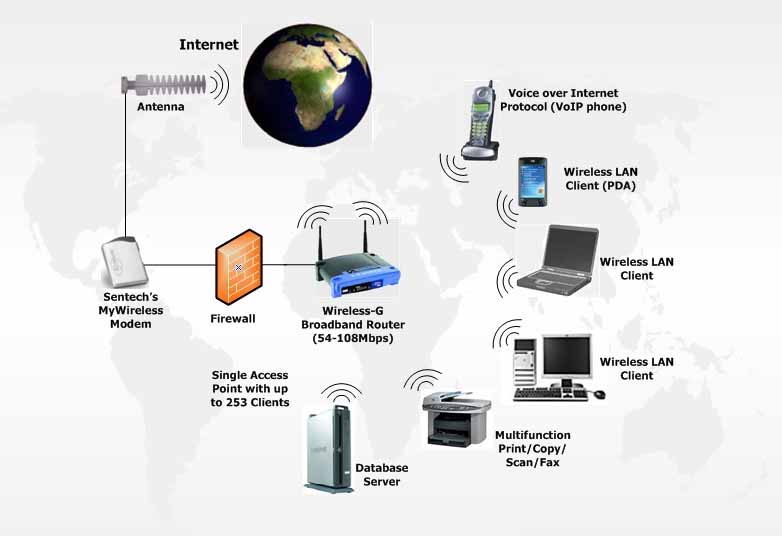
IEEE 802.11, commonly known as Wi-Fi, is integral to wireless local area networks (WLANs). It facilitates internet connectivity for billions of devices globally, enabling seamless communication in homes, offices, and public spaces. The standard supports various frequencies and protocols, ensuring reliable and high-speed data transmission across diverse environments.
Wired Networking: IEEE 802.3 (Ethernet)
IEEE 802.3 establishes the framework for Ethernet, the foundational technology for wired networking. It ensures that devices from different manufacturers can communicate effectively over local area networks (LANs). Ethernet standards support various speeds, from traditional 10 Mbps to modern 100 Gbps connections, catering to both consumer and enterprise needs.
2. Computing and Software
Floating-Point Arithmetic: IEEE 754
IEEE 754 standardizes floating-point arithmetic in computing, ensuring consistent and reliable numerical computations across different hardware and software platforms. This consistency is crucial for applications requiring high precision, such as scientific research, financial modeling, and engineering simulations.
Operating System Interfaces: IEEE 1003 (POSIX)
POSIX defines a set of standardized operating system interfaces, promoting software portability across various UNIX-like systems. By adhering to POSIX standards, developers can create applications that run seamlessly on different platforms, from embedded devices to large-scale servers.
3. Power and Energy Systems
Smart Grid Technologies: IEEE 2030.100-2017
IEEE 2030.100-2017 outlines practices for substation automation, which are pivotal for modern smart grids. Implementing this standard enhances the reliability, efficiency, and safety of electricity distribution and transmission. It supports the integration of renewable energy sources and facilitates real-time monitoring and control of power systems.
Battery Management Systems
IEEE provides recommended practices for designing and configuring battery management systems used in stationary energy storage applications. These guidelines ensure the safe and efficient operation of batteries in renewable energy systems, grid storage solutions, and backup power systems, thereby supporting the transition to sustainable energy sources.
4. Medical and Healthcare Technologies
Wireless Communication in Medical Devices
IEEE standards govern the wireless communication protocols used in medical devices, ensuring interoperability and safety. Standards like ISO/IEEE 11073 facilitate seamless data exchange between diverse medical equipment, enhancing patient monitoring, diagnostics, and overall healthcare delivery.
5. Robotics and Automation
Robot Task Representation: IEEE 1872.1-2024
This standard provides a framework for representing robot tasks, essential for the development and deployment of robotic solutions. By standardizing task representation, it enables interoperability and scalability of robotic systems used in manufacturing automation, healthcare service robots, and logistics management.
Robot Map Data Representation: IEEE 1873-2015
IEEE 1873-2015 standardizes the representation of map data used by mobile robots for navigation. It specifies data models for both 2D metric and topological maps, enhancing the efficiency and interoperability of robotic systems in industries such as manufacturing, logistics, and healthcare.
6. Emerging Technologies
Deep Learning Inference Engines: IEEE 2941.2-2023
This standard establishes a common set of APIs for deep learning inference engines, bridging the gap between different deep learning frameworks and applications. It facilitates the deployment of AI models across various platforms, enhancing the portability and efficiency of AI applications in image recognition, natural language processing, and predictive analytics.
Face Recognition Systems: IEEE 2945-2023
IEEE 2945-2023 outlines the technical requirements for face recognition systems, encompassing functional, performance, and security aspects. This standard improves the reliability and security of face recognition technologies used in surveillance, access control, and identity verification across sectors like law enforcement, finance, and retail.
7. Safety and Security
Age-Appropriate Digital Services: IEEE 2089-2021
IEEE 2089-2021 provides a framework for designing safer online products and services tailored for children. It sets guidelines to ensure that digital environments are secure, privacy-conscious, and appropriate for young users, addressing concerns related to online safety and digital well-being.
Comparative Analysis of IEEE Standards Across Industries
| Industry | Relevant IEEE Standards | Practical Applications |
|---|---|---|
| Networking & Communication | IEEE 802.11, IEEE 802.3 | Enabling Wi-Fi and Ethernet connectivity in consumer and enterprise environments. |
| Computing & Software | IEEE 754, IEEE 1003 (POSIX) | Standardizing floating-point computations and operating system interfaces for software portability. |
| Power & Energy | IEEE 2030.100-2017, Battery Management Systems | Enhancing smart grid reliability and ensuring efficient battery operations in energy storage. |
| Medical & Healthcare | ISO/IEEE 11073 | Facilitating interoperability between medical devices for improved patient care. |
| Robotics & Automation | IEEE 1872.1-2024, IEEE 1873-2015 | Standardizing robot task and map data representation for scalable and interoperable robotic systems. |
| Emerging Technologies | IEEE 2941.2-2023, IEEE 2945-2023 | Facilitating AI deployment and enhancing security in face recognition systems. |
| Safety & Security | IEEE 2089-2021 | Designing secure and age-appropriate digital services for children. |
Conclusion
IEEE standards play a pivotal role in shaping the technological landscape across multiple industries. By ensuring interoperability, reliability, and safety, these standards facilitate seamless integration of diverse systems and devices, fostering innovation and enhancing operational efficiencies. From foundational networking protocols like IEEE 802.11 and IEEE 802.3 to specialized standards in robotics, healthcare, and emerging technologies, IEEE continues to drive progress and maintain the integrity of complex technological ecosystems. Adhering to IEEE standards not only streamlines development and deployment processes but also safeguards the quality and security of technological solutions, thereby supporting the advancement of industries worldwide.
References
Learn more about IEEE standards and their applications:
Last updated February 11, 2025