
BULVĖS PRADA ANALYSIS
Discovering the Characteristics, Growth, and Market Aspects of Prada Potatoes
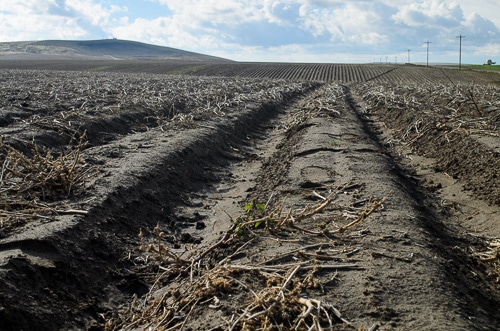
Essential Highlights
- Early Maturity and High Yield – Prada potatoes mature in approximately 45-50 days, allowing for early harvest and high yields.
- Outstanding Quality and Appearance – Renowned for their oval-oblong shape, smooth light yellow skin, and appealing pre-commercial look.
- Crop Versatility and Resistance – Suitable across various soil types when managed properly, with resistant properties against common diseases and mechanical damage.
Overview of Bulvės Prada
Bulvės Prada, an exceptionally early-maturing variety of culinary potatoes, stands out in the agricultural and commercial sectors not only for its high yield but also for its attractive appearance and culinary versatility. Known for its smooth, lightly yellow skin and distinctly oval-oblong shape, this variety meets many of the quality standards prized by both commercial growers and home gardeners alike. In regions like Lithuania, where culinary traditions often prioritize both taste and texture, Prada potatoes have earned a reputation for being both visually appealing and versatile when prepared in numerous ways.
Detailed Characteristics
Physical Appearance and Culinary Qualities
The physical appearance of Prada potatoes is one of their most celebrated features. They possess a moderately thin, smooth skin with a subtle light yellow coloration. Their shape is typically oval-oblong, which lends to an excellent commercial presentation. This feature is particularly important for market stalls and retail environments where visual appeal can significantly affect consumer choice.
Internally, the flesh is yellow, and while the overall dry matter content is around 18.1%, the texture when cooked tends to remain watery to a certain degree. This property makes them ideal for dishes such as fries, roasting, or light baking. Their lower starch level compared to other varieties further makes them a preferred option for consumers seeking a less starchy potato dish.
Disease Resistance and Durability
Bulvės Prada are recognized for their robust resistance to common scab and other diseases that often afflict potato crops. This resistance is an essential characteristic for maintaining the preeminent quality of the tubers even in conditions that might otherwise compromise other varieties. Additionally, these potatoes are noted for their resistance to mechanical damage, which is highly beneficial during transportation and in commercial handling.
Their inherent durability ensures that despite minor blemishes that may occur in transit or during harvesting, the appearance and functional quality of the potatoes remain largely intact. This resistance is a significant factor for both large-scale commercial growers and small-scale farmers who need a reliable product that can be handled with minimal risk for damage.
Growth Cycle and Yield
One of the key advantages of Prada potatoes is their short dormancy and early maturity cycle, generally maturing approximately 45-50 days after emergence. This early maturation permits farmers to harvest and distribute the product early in the growing season, which is especially critical for markets where early supply is a competitive advantage.
The high-yield nature of this variety means that each plant typically produces multiple tubers, enhancing the overall productivity per area of cultivation. Early and consistent yields are particularly appreciated in environments where crop rotation and timely market supply are essential elements of agribusiness strategy.
Soil and Growing Requirements
While Prada potatoes can be successfully grown in various soil types, there are a few considerations that can optimize crop health and tuber quality. The variety exhibits healthy growth in moderately fertile soils with adequate drainage. However, excessively heavy soils or those overly rich in nematodes should be avoided as they may cause undesirable alterations in tuber shape and quality.
Additionally, modern agronomic practices stress the importance of proper soil preparation, balanced fertilization, and appropriate moisture control. Farmers typically ensure that the soil maintains the right balance of organic matter to support the rapid growth cycle of Prada potatoes. This is critical to prevent risks like waterlogging or nutrient deficiencies that can compromise both the yield and quality.
Cultivation Practices and Market Trends
Optimal Cultivation Practices
For successful cultivation of Prada potatoes, timing is crucial. Given their early maturation, optimal planting dates fall during the late spring to early summer, coinciding with suitable soil temperatures and moisture conditions. Farmers often need to undertake careful planning to make the most of this limited yet highly productive period.
A systematic approach includes the following steps:
Soil Preparation and Fertilization
Before planting, the soil should be well-prepared, ensuring that it is free from heavy compaction and rich in necessary nutrients. Organic matter and well-rotted compost are frequently recommended to enhance soil structure, which in turn promotes better root development.
Planting and Irrigation
Given the early maturing cycle, ensuring consistent irrigation is pivotal. The initial growth stages are critical, and sufficient moisture helps establish robust seedlings. Drip irrigation systems are often utilized to deliver precise water quantities directly to the roots, minimizing waste while maximizing efficiency.
Pest and Disease Management
Although Prada potatoes are noted for their resistance to common scab and mechanical damage, regular monitoring for pests and emerging diseases remains important. Organic and integrated pest management practices are increasingly popular in modern potato farming, ensuring that the crop remains healthy without relying heavily on chemical pesticides.
Market and Economic Considerations
The commercial appeal of Bulvės Prada is multifaceted. Their impeccable appearance combined with high yield makes them an attractive choice for both local markets and larger retail chains. Given the early harvest cycle, these potatoes often hit the market sooner than other varieties, a strategic advantage in regions with seasonal demand or where early availability can drive premium pricing.
Additionally, price variations and packaging options—such as the common 2 kg or larger bulk packets (e.g., 5 kg)—allow retailers to cater to different segments of the market. For instance, larger packages are often marketed to restaurants, catering businesses, and wholesalers who benefit from volume pricing.
Economic studies within specific agricultural regions have shown that early-maturing potatoes like Prada can contribute to reducing overall production risks by providing a relatively rapid turnover. This early yield allows multiple cropping cycles within a season, thereby increasing the overall profitability for farmers who can replant after an early harvest.
Key Features Comparison Table
| Characteristic | Details |
|---|---|
| Appearance | Smooth, light yellow skin; oval-oblong shape offering excellent commercial appeal. |
| Culinary Uses | Suitable for fresh consumption, frying, roasting, and baking with a moderately watery texture when cooked. |
| Maturity | Approximately 45-50 days after emergence, supporting early market entry. |
| Yield | High yield with multiple tubers per plant, making it favorable for production efficiency. |
| Disease Resistance | Notable resistance to common scab and mechanical damage, ensuring durability during handling. |
| Soil Adaptability | Grows in various soil types but best adapted to light or medium soils; heavy, nematode-rich soils should be avoided. |
| Market Reception | High consumer acceptance due to outstanding appearance and cooking versatility, available in various packaging sizes. |
Agricultural Impact and Future Perspectives
Role in Sustainable Agriculture
The cultivation and commercial distribution of Prada potatoes not only bolster agricultural productivity but also contribute significantly towards sustainable farming practices. Their early maturity and innate resistance to common diseases mean reduced dependency on chemical pesticides and a lower environmental footprint during cultivation. Sustainable practices, including crop rotation and integrated pest management, complement the natural strengths of this variety, thereby ensuring long-term soil health and ecological balance.
The adaptability of Prada potatoes in different soil conditions further supports its role in sustainable agriculture. Farmers are encouraged to maintain balanced fertilization strategies and implement organic soil amendments to enhance crop yield while remaining environmentally conscious. By minimizing chemical inputs and optimizing water usage, the cultivation of Prada potatoes integrates well into modern sustainable farming methodologies.
Technology and Innovation in Potato Cultivation
Advancements in agricultural technologies have greatly assisted the enhanced cultivation of varieties like Prada potatoes. The integration of smart farming techniques such as precision irrigation systems and remote sensing for soil nutrient monitoring ensure that the planting and growth conditions are optimal. These innovations not only improve yield but also help in early detection of pest outbreaks or disease symptoms.
Modern data-driven approaches allow growers to analyze field performance and adjust agronomic practices in real-time. This level of precision farming contributes to higher productivity and ensures that the economic risks associated with weather uncertainties and pest infestations are minimized. As global trends continue to point toward sustainable intensification, Prada potatoes, with their robust characteristics, remain a favorable choice.
Market Availability and Economic Considerations
Packaging and Distribution
In commercial settings, Bulvės Prada are marketed in various packaging sizes, typically ranging from smaller 2 kg packages targeted at small-scale consumers to bulk 5 kg or larger packets ideal for restaurants and wholesale distributors. Pricing is variable depending on market demand, location, and seasonality. Retailers benefit from the product’s early maturation as it creates a competitive edge in local markets and offers more opportunities for continuous sales within a growing season.
Retailers and distributors often maintain multiple inventory channels to appeal to different customer segments. The packaging not only preserves the fresh appearance of the potatoes but also ensures that transportation and storage conditions are optimized to prevent physical damage. In several European markets, high-quality plastics or mesh bags are used which balance visibility with protection against mechanical impacts.
Economic Advantages for Growers
For agronomists and commercial growers, the early maturity of Prada potatoes represents a significant economic advantage. With rapid turnover, farmers can plan for multiple cropping cycles within a single year. This flexibility decreases financial risks associated with delayed harvests or market saturation with later-maturing varieties. As demand for premium potatoes increases, particularly in gourmet and artisanal food sectors, the high-quality appearance and reliability of Prada potatoes help secure steady market premiums.
Additionally, resistance to diseases and mechanical handling means that crop losses are minimized. This attribute directly contributes to the overall cost-effectiveness of the production process, resulting in improved profit margins. The adoption of modern technologies further drives efficiencies throughout the production lifecycle, thereby solidifying Prada potatoes’ status as a leading variety in both local and international markets.
Comprehensive Insights and Further Exploration
Practical Tips for Farmers and Enthusiasts
For those interested in cultivating Prada potatoes, consider the following practical tips:
- Ensure soil is well-drained and enriched with organic matter to support vigorous root development.
- Plan planting schedules to maximize the early harvest potential and allow for multiple cycles within a growing season.
- Adopt integrated pest management practices for a sustainable approach to disease and pest control.
- Utilize precision irrigation systems to maintain optimal moisture levels without overwatering.
- Regular soil testing can help adjust fertilization needs and avoid deficiencies that might affect yield quality.
These strategies help maintain the exceptional quality that Bulvės Prada are recognized for and empower growers to fully exploit its economic and culinary potential.
Scientific Research and Field Trials
Numerous field trials and scientific studies have emphasized the agronomic strengths of early maturing potato varieties. Prada potatoes have been part of various research experiments due to their consistent yield patterns, disease resistance, and adaptability to different soil compositions. Data from these studies have further confirmed that when grown under optimal conditions, the quality attributes significantly align with consumer expectations regarding texture, taste, and cooking performance.
Future research is expected to delve deeper into genotype-environment interactions specific to Prada potatoes, aiming to enhance yield stability and resistance to emerging pests and diseases. Experiments on fertilizer formulation and organic farming alternatives also remain a vital aspect of continuing innovations within this field, ensuring that Prada potatoes can sustainably meet global market needs.
Resources and Further Reading
For more detailed information and practical guidance on cultivating and marketing Bulvės Prada, explore the following resources:
- Seklinesbulves.lt - Prada bulvių veislė
- Prekės Sodui - Sėklinės bulvės Prada 2kg
- Lankava.lt - Sėklinės bulvės Prada, labai ankstyvos 5 kg
- Mokivezi.lt - Sėklinės bulvės PRADA, 5 kg
- Žalumynas.lt - Sėklinės bulvės PRADA A 2 KG
Recommended Enquiries for Further Exploration
Last updated March 10, 2025