
Predicting Consecutive Test Failures in Continuous Integration
Understanding and Mitigating Build Breakage Patterns
Key Insights
- Identifying patterns in continuous integration (CI) build failures is crucial for improving software development efficiency and reducing costs. Failures are common, but understanding their root causes, especially those that are repeatable or consecutive, allows teams to proactively address underlying issues.
- Test failures are a significant contributor to CI build failures. These can stem from various sources, including issues in test code, test data, server environments, or application code defects.
- Machine Learning and predictive analytics are emerging as valuable tools for anticipating CI build failures and flaky tests. By analyzing historical data and identifying influential factors, these approaches can help prioritize test runs and allocate resources more effectively.
Continuous Integration (CI) is a fundamental practice in modern software development, emphasizing frequent code integration and automated testing to detect issues early. However, even in well-established CI pipelines, build failures are inevitable. A particularly challenging scenario involves consecutive failed tests, which can significantly disrupt the development workflow, delay releases, and incur substantial costs. Understanding the research and patterns related to predicting and addressing these consecutive failures is essential for maintaining a healthy and efficient CI process.
CI build failures can arise from various sources. While some failures are transient or easily resolved, consecutive failures often indicate more persistent problems. These can include issues with the test environment configuration, external service dependencies, resource limitations, or fundamental flaws in the code or test logic. Rapid and consistent feedback on build status is a core benefit of CI, and prolonged consecutive failures undermine this feedback loop, leading to developer frustration and reduced productivity.
Research highlights that test failures are a primary reason for CI build failures, accounting for a significant percentage of breakages in projects. These test failures themselves can be caused by diverse factors. Common culprits include incorrect assertions in unit tests, flawed test logic, issues with test data, or problems with the server or testing environment. Additionally, application code defects, even those considered low priority, can contribute to recurring test failures if not addressed promptly.
Common Causes of CI Test Failures
Delving into the Roots of Build Breakage
Identifying the specific reasons behind consecutive test failures is the first step towards mitigation. Understanding these common causes allows teams to implement targeted strategies for prevention and resolution.
Test Code and Logic Issues
Flaws within the test code itself are a frequent source of failures. This can include incorrect test case design, errors in assertions, or faulty test logic that doesn't accurately reflect the expected behavior of the application. Outdated or poorly written tests also contribute to unreliable results and can lead to consecutive failures.
Test Data Problems
The data used to execute tests is critical for their reliability. Issues such as inconsistent, incomplete, or incorrect test data can cause tests to fail unexpectedly and repeatedly, even if the application code is correct.
Environmental and Infrastructure Issues
The environment in which CI tests are executed can introduce failures. This includes problems with server configurations, network connectivity, resource limitations (overtaxed servers or over-utilized networks), or incompatibilities between testing tools and the application's technology stack. Insufficiently provisioned testing environments can struggle to handle concurrent tests, leading to increased execution times and system failures.
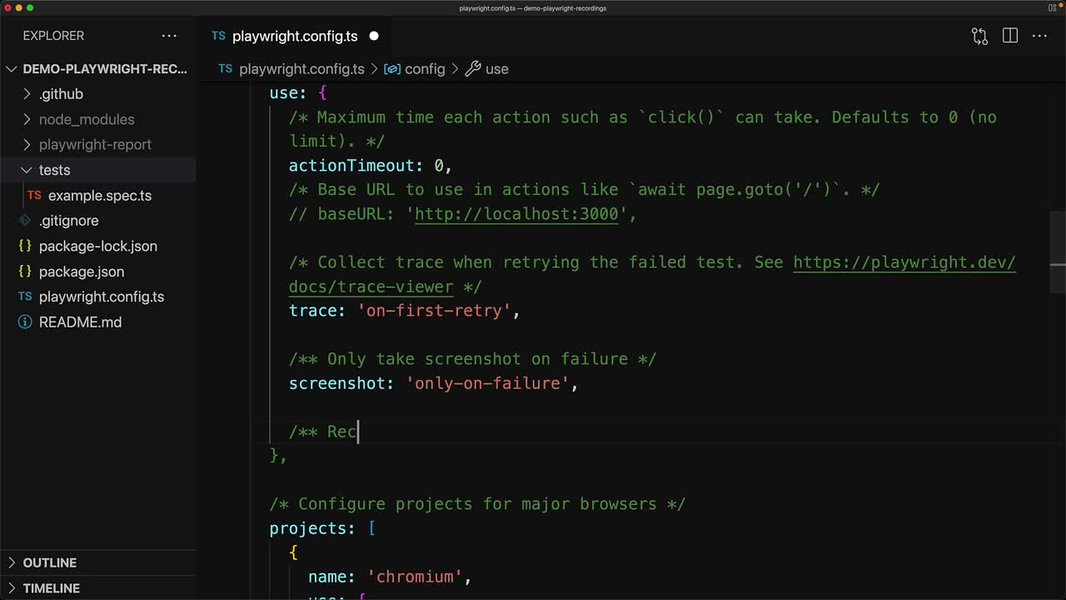
Capturing video and screenshots of failed tests can help diagnose environmental or test-specific issues.
Application Code Defects
While ideally, CI should catch application code defects before they cause prolonged issues, sometimes defects, particularly those with low business priority, might be known but not immediately fixed. These unaddressed defects can lead to persistent test failures in the CI pipeline.
Flaky Tests
A particularly insidious type of failure comes from "flaky" tests. These are tests that produce both passing and failing results with the same code, often due to non-deterministic factors like timing issues, reliance on external services, or improper handling of asynchronous operations. Flaky tests are frustrating to debug as they can be impossible to reproduce locally and contribute significantly to consecutive or intermittent build failures.
Anti-Patterns Contributing to Failures
Practices That Undermine CI Reliability
Certain practices, or anti-patterns, can exacerbate the problem of consecutive CI failures. Avoiding these patterns is crucial for building a robust and reliable CI pipeline.
Ignoring Failing Tests
One of the most detrimental anti-patterns is allowing tests to fail repeatedly without immediate investigation and resolution. This leads to a backlog of failing tests, making it difficult to discern new failures from existing ones and eroding confidence in the CI system. As Martin Fowler emphasizes, "any test failing is enough to fail the build, 99.9% green is still red."
Lack of Fast Feedback
CI is intended to provide rapid feedback to developers. If the build process is slow or if feedback mechanisms are poor, developers may not be immediately aware of failures, delaying the time it takes to address issues and increasing the likelihood of multiple developers introducing changes that contribute to the same underlying problem.
Manual Intervention in the Pipeline
Frequent manual interventions or changes to the build configuration can introduce inconsistencies and lead to unpredictable failures. When engineers are not aware of changes to build settings, it becomes difficult to figure out the cause of failures.
Poor Team Communication and Prioritization
Lack of clear communication and shared understanding within the team regarding the importance of maintaining a green build can contribute to a culture where failing tests are not immediately addressed. Business priorities that don't adequately value internal quality and clean builds can also lead to the neglect of CI issues.
Predicting and Mitigating Consecutive Failures
Leveraging Data and Techniques for a Stable Pipeline
Proactively predicting and effectively mitigating consecutive test failures requires a combination of robust practices, analytical approaches, and increasingly, the application of machine learning.
Analyzing Build and Test History
Examining historical build data and test results is fundamental to identifying patterns and understanding the common causes of failure. This includes analyzing the frequency of failures, the specific tests that consistently fail, and the context surrounding those failures (e.g., specific code changes, build environments, or time of day). Research shows that features related to project statistics (like team size), information about the last build, and the types of changed files are influential factors in predicting build failures.
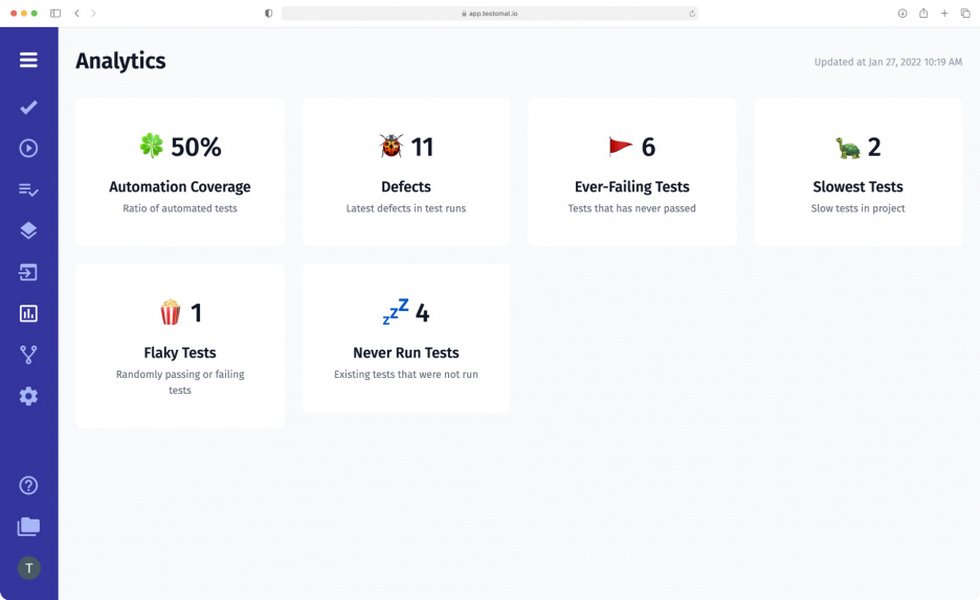
Test management dashboards provide valuable insights into failure patterns and metrics.
Implementing Robust Test Management
Effective test management involves clearly defined test cases, accurate test data, and a structured approach to test execution and reporting. This helps in maintaining the integrity of the test suite and makes it easier to identify and debug failures.
Addressing Flaky Tests Systematically
Identifying and fixing flaky tests is crucial. This often requires dedicated effort to analyze the causes of non-determinism, which can involve logging detailed information about test runs, using tools to detect test pollution, and refactoring tests to be more robust and independent. Studies indicate that while most flaky tests are resolved relatively quickly, some can persist for weeks.
Utilizing Predictive Analytics and Machine Learning
Emerging research explores the use of machine learning to predict CI build and test failures. By training models on historical data, teams can potentially identify builds or test runs that are likely to fail before they are even executed. This can enable intelligent test selection, where only tests predicted to be relevant or risky are run, saving time and resources. Machine learning can also be used for anomaly detection, flagging code changes that deviate from typical patterns and could potentially introduce failures.
This video discusses AI-driven test failure diagnostics, showcasing how machine learning can aid in identifying and fixing test failures in CI/CD pipelines.
Machine learning approaches for predicting failures often involve collecting data from various sources, including build logs, test results, and code change metrics. This data is then preprocessed, and features are engineered to train prediction models. Research has explored different techniques, including search-based approaches like Multi-Objective Genetic Programming (MOGP), which aim to find optimal combinations of CI build features for predicting outcomes.
Improving Debugging Capabilities
Making it easier for developers to debug failures is critical. This includes providing detailed failure reports, logs, and potentially even recordings of failed test runs. The ability to reproduce failures locally or within the CI environment significantly speeds up the debugging process. Time travel debugging tools can capture the exact state of a failing process, allowing developers to step through execution and pinpoint the root cause.
Analyzing Failure Characteristics
Quantifying the Impact of Failures
To effectively address consecutive failures, it's helpful to analyze their characteristics and impact. This can be done through various metrics and visual representations.
The following radar chart provides a conceptual comparison of the impact and characteristics of different types of test failures in a CI pipeline. These values are illustrative and based on general observations and research findings, not specific datasets.
This radar chart visually represents how different types of test failures can vary in their frequency, how difficult they are to debug, their impact on delivery speed, their likelihood of occurring consecutively, and the resources required to address them. Flaky tests, for instance, are often frequent and difficult to debug, while application code defects can have a high impact on delivery speed if they are significant.
Strategies for Prevention
Building a Resilient CI Pipeline
Preventing consecutive test failures is more effective than constantly reacting to them. Several strategies can be employed to build a more resilient CI pipeline.
Improving Test Quality and Design
Writing high-quality, reliable, and maintainable tests is paramount. This includes following best practices for test design, using appropriate testing frameworks, and ensuring tests are independent and not reliant on external factors that can introduce flakiness.
Investing in Test Infrastructure
Ensuring the testing environment is stable, adequately provisioned, and accurately reflects the production environment minimizes failures caused by infrastructure issues. This may involve investing in dedicated test servers, robust networking, and compatible toolchains.
Implementing Automated Failure Analysis
Automating the analysis of test failures can help quickly identify the root cause and distinguish between different types of failures, such as flaky tests versus genuine bugs. This can involve parsing build logs, analyzing stack traces, and correlating failures with code changes.
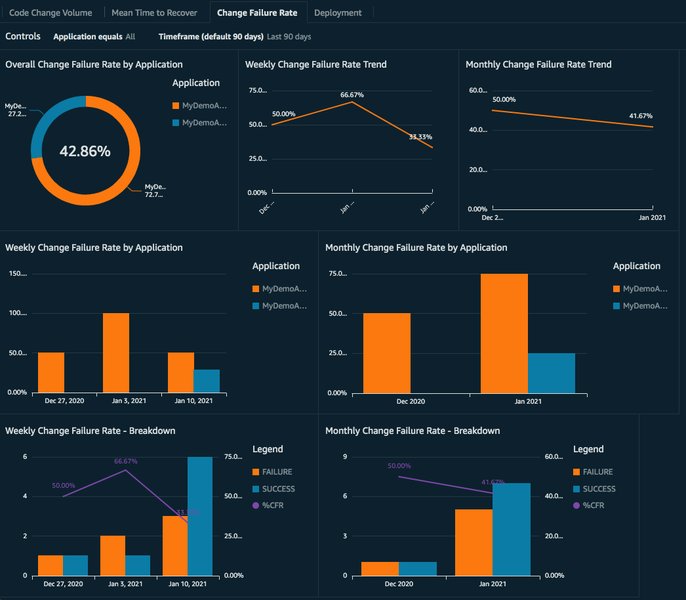
Dashboards tracking metrics like change failure rate can highlight areas for improvement in the CI process.
Promoting a Culture of Quality
A team culture that prioritizes quality and takes ownership of fixing failing tests is essential. This involves open communication about build status, shared responsibility for maintaining a green pipeline, and allocating dedicated time for addressing technical debt related to testing and CI infrastructure.
Predicting with Data
As mentioned earlier, leveraging data and predictive analytics can proactively identify builds likely to fail. This allows teams to focus their attention and resources on potentially problematic areas before they cause prolonged disruptions. Techniques like analyzing commit history, file change types, and historical failure rates can inform these predictions.
The Cost of Consecutive Failures
Understanding the Business Impact
Consecutive failures in CI pipelines have a tangible impact on the business, extending beyond technical frustrations. These costs underscore the importance of addressing the root causes of failure.
Development Bottlenecks and Delayed Releases
Repeated failures slow down the development process, as developers spend time debugging instead of building new features. This leads to delays in releasing new software versions, impacting the ability to deliver value to customers.
Increased Engineering Costs
The time and resources spent on investigating, reproducing, and fixing failing tests, especially consecutive ones, represent a significant cost. Research indicates that a substantial portion of developer time is spent on dealing with failing tests.
Reduced Team Morale and Productivity
Constantly encountering failing builds can be demotivating for development teams. It erodes confidence in the CI system and can lead to developers bypassing the pipeline or becoming less diligent about testing, further exacerbating the problem.
Compromised Software Quality and Reputation
If failing tests are ignored or if the CI process is unreliable, there is a higher risk of releasing software with defects. This can lead to production issues, poor user feedback, and damage to the company's reputation.
The following table summarizes some of the key costs associated with CI test failures:
| Cost Category | Description | Impact of Consecutive Failures |
|---|---|---|
| Developer Time | Time spent debugging, reproducing, and fixing failing tests. | Significantly increased time loss due to repeated investigations of the same or related issues. |
| Delivery Speed | The pace at which new features or updates are delivered. | Major bottlenecks and delays in release cycles. |
| Infrastructure Costs | Resources consumed by failed builds and repeated test runs. | Increased expenditure on CI infrastructure due to inefficient resource utilization. |
| Software Quality | The reliability and stability of the released software. | Higher risk of introducing defects into production due to unreliable testing. |
| Team Morale | Developer satisfaction and motivation. | Decreased morale and increased frustration from dealing with persistent issues. |
FAQ
Frequently Asked Questions About CI Failures
What is a "flaky" test?
Why are consecutive test failures particularly problematic?
How can machine learning help predict CI failures?
What are some common anti-patterns that lead to CI failures?
Recommended Further Exploration
To delve deeper into related topics, consider exploring the following queries:
- Strategies for reducing flaky tests in CI
- Impact of continuous integration failures on delivery speed
- Using data analytics to improve CI pipeline reliability
- Best practices for debugging CI test failures
References
 docs.aws.amazon.com
Last updated May 20, 2025