
Revolutionizing HR with Predictive Analytics
Explore how data-driven forecasts transform workforce management and HR decision-making.
Key Highlights
- Comprehensive Data Integration: Aggregating data from multiple HR sources to build accurate models.
- Tailored Predictive Models: Utilizing statistical, machine learning, and regression techniques to forecast employee outcomes.
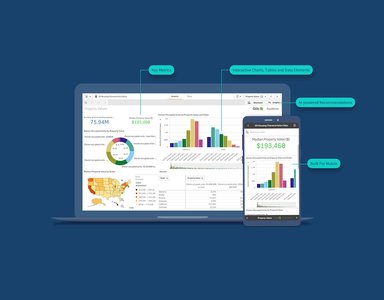
- User-Friendly Dashboards: Seamless integration with HR systems leading to intuitive visualization for strategic decisions.
Understanding the Fundamentals
Predictive analytics in HR dashboards is reshaping the way organizations manage human resources, moving away from reactive processes to proactive strategies. By leveraging historical data, statistical modeling, and machine learning algorithms, HR teams can forecast employee-related outcomes such as turnover, performance, and recruitment success. This forward-looking approach enables HR managers to develop preemptive initiatives, ultimately optimizing overall workforce planning and improving employee engagement.
How Predictive Analytics Works in HR
The integration of predictive analytics into HR dashboards involves several systematic steps. These include identifying key metrics and objectives, gathering and preprocessing data, implementing suitable predictive models, validating predictions, and seamlessly incorporating the insights into user-friendly dashboards. Each of these steps ensures that HR professionals have access to real-time data and actionable insights.
1. Defining Metrics and Objectives
Establishing clear goals is the fundamental first step. Organizations must decide which HR aspects need monitoring and prediction – be it employee turnover, recruitment efficiency, or performance management. Once objectives are aligned with organizational goals, relevant key performance indicators (KPIs) are selected. Common metrics include:
- Employee turnover and retention rates
- Performance appraisal scores
- Engagement and satisfaction survey results
- Recruitment efficiency indicators (e.g., time-to-hire, quality of hire)
These selected metrics form the basis for the predictive models that forecast trends and identify potential challenges before they escalate.
2. Data Integration and Quality Assurance
For predictive analytics to yield reliable insights, it is crucial to aggregate data from various HR systems. This includes employee records, performance management platforms, payroll systems, applicant tracking systems (ATS), and employee engagement tools. The process involves:
- Data Gathering: Collecting comprehensive datasets from multiple sources.
- Data Cleaning: Removing duplicates, rectifying inconsistencies, and ensuring data standardization.
- Data Aggregation: Merging diverse datasets into a cohesive dataset that reflects the true state of the workforce.
Clean and standardized data is the backbone of any successful predictive analytics initiative.
3. Selecting and Implementing Predictive Models
Once the data is prepared, the next step is choosing and applying the most suitable predictive models. This process may involve:
- Statistical Modeling: Methods like regression analysis that help in forecasting numerical outcomes such as employee turnover rates.
- Classification Techniques: Decision trees or random forest algorithms can be useful for categorizing employees based on risk factors or engagement levels.
- Machine Learning Algorithms: Advanced models that continuously learn from incoming data, adapting their predictions over time.
- Clustering Algorithms: Grouping employees with similar characteristics to identify trends across different workforce segments.
The selection of the model depends on the specific HR objective at hand and the nature of the data available. Tools such as Python, R, and machine learning libraries like TensorFlow are commonly used to develop these models.
Integrating Predictive Analytics into HR Dashboards
Creating Seamless, Interactive Dashboards
The successful application of predictive analytics in HR is not only about data and models but also about presenting the results in an accessible and actionable format. HR dashboards should integrate predictive insights into real-time visualizations using platforms like Tableau, PowerBI, or specialized HRIS systems. Effective dashboards feature:
User Interfaces and Visualization Tools
Dashboards designed for HR purposes should be intuitive, providing clear visual representations of complex data. Key features include:
- Interactive charts and graphs: Visual tools to track trends and forecast outcomes.
- Real-time data updates: Immediate integration with existing HRIS systems to reflect the latest data.
- Customizable views: Options for HR professionals to focus on specific datasets depending on their needs, such as employee performance or recruitment metrics.
- Predictive visualizations: Specific components that illustrate forecast models, expected trends, and possible future scenarios.
Sample Table: Comparison of Key Features in Predictive Analytics Tools
The table below provides a side-by-side comparison of the critical features to consider when selecting predictive analytics tools for HR dashboards.
| Feature | Description | Tools/Platforms |
|---|---|---|
| Data Integration | Ability to aggregate and preprocess data from various HR systems. | Excel, Tableau, PowerBI, HRIS |
| Statistical & Machine Learning Models | Use of regression, classification, and clustering for predicting HR outcomes. | Python, R, TensorFlow |
| Visualization | User-friendly dashboards with interactive charts and graphs for real-time insights. | Tableau, PowerBI, Visier, SplashBI |
| Scalability & Compatibility | Capability to integrate with existing HR systems securely and adapt as needs grow. | HRIS, HireVue, custom integrations |
Practical Applications and Benefits
Enhancing Recruitment and Hiring
Predictive analytics can transform recruitment by identifying the most effective channels, forecasting hiring needs, and assessing candidate quality even before the recruitment process is fully executed. HR teams can:
- Analyze recruitment data to determine patterns that lead to successful hires.
- Forecast future skill requirements based on market trends.
- Utilize predictive models to evaluate the likelihood of success for potential candidates.
This proactive approach not only improves the quality of hires but also reduces recruitment cycles, saving both time and resources.
Optimizing Employee Retention and Engagement
High employee turnover can be costly, and predictive analytics helps mitigate this risk by:
- Identifying early signs of disengagement or dissatisfaction.
- Forecasting turnover risks based on historical and current engagement data.
- Allowing HR teams to implement targeted retention programs aimed at improving employee satisfaction and longevity.
Furthermore, continuous monitoring through HR dashboards ensures that measures are adjusted as employee sentiments change over time.
Streamlining Workforce Planning
Effective workforce planning hinges on an accurate understanding of current workforce dynamics as well as the ability to forecast future trends. Predictive analytics in HR dashboards assist in:
- Anticipating skill gaps and planning subsequent training programs.
- Mapping out career progressions to align with future business needs.
- Allocating resources more efficiently by forecasting workload and staffing requirements.
This ensures that the organization is always prepared to handle future challenges through well-informed decision-making.
Continuous Improvement and Model Refinement
Monitoring, Evaluation, and Flexibility
One of the key aspects of integrating predictive analytics into HR dashboards is the necessity for continuous review and model refinement. To maintain accuracy and relevance:
- Model Validation: Regularly comparing predicted outcomes with actual results to assess the model's performance.
- Feedback Loops: Incorporating feedback from HR professionals to fine-tune models and adjust predictions.
- Data Updates: Ensuring the integration of fresh data to reflect current trends and organizational changes.
- Scalability and Adaptability: Increasing the robustness of the models to adapt to growing datasets and evolving HR goals.
This iterative process ensures that the predictive analytics system remains an intrinsic part of strategic HR operations, consistently delivering relevant insights.
Security and Compliance in Predictive Analytics
Data Privacy and Regulatory Considerations
Incorporating predictive analytics within HR dashboards also means handling sensitive employee data. Organizations must adhere to data privacy regulations and implement robust security measures to prevent unauthorized access and data breaches. Critical aspects include:
- Data Encryption: Encrypting sensitive information to protect data integrity.
- Access Controls: Limiting data access to authorized personnel only.
- Regulatory Compliance: Ensuring adherence to local, regional, and international data protection laws.
- Audit Trails: Maintaining logs of data access and changes for accountability and transparency.
A secure predictive analytics system not only protects employee data but also builds trust and ensures that analytics efforts comply with legal standards.
Implementing Best Practices for HR Predictive Analytics
Strategic Steps to Successful Implementation
To harness the full potential of predictive analytics within HR, it is essential to adopt a structured and methodical strategy:
- Start Small: Focus first on one specific area such as reducing turnover or improving recruitment, then expand gradually across other HR functions.
- Collaborate with IT: Work closely with the technical teams to ensure seamless integration of HR systems and predictive models.
- Invest in Training: Equip HR professionals with the skills needed to interpret dashboard analytics and make informed decisions.
- Regular Reviews: Schedule periodic evaluations of the analytics tools and models to refine processes based on real-world performance.
- Emphasize Transparency: Ensure that the algorithms and predictive models used are explainable to build trust among stakeholders.
By adhering to these best practices, organizations can build a resilient system that not only predicts future trends but also facilitates strategic decision-making across all areas of HR.
References
- Predictive HR analytics: Your HR team's secret weapon for 2025 - Time Doctor
- HR Dashboard: 5 Examples, Metrics and a How-To - AIHR
- How Predictive Analytics in HR Optimizes Your Workforce - Betterworks
- Predictive Analytics in Human Resources: How to Use it Well in 2025 - SplashBI
- Predictive Analytics in HR: Use Cases, Trends, and Tips - Itransition
Recommended Related Queries
Last updated March 27, 2025