
Mastering the Supplier Quality Engineering Role
A Comprehensive Guide to Thriving in the World of Supplier Quality
Key Highlights of the Supplier Quality Engineering Role
- Crucial Link: Supplier Quality Engineers (SQEs) act as a vital bridge between a company and its external suppliers, ensuring the quality and reliability of sourced materials and components.
- Diverse Skill Set: Success in this role demands a blend of technical expertise, analytical capabilities, and strong interpersonal and communication skills.
- Proactive and Reactive Responsibilities: SQEs are involved in both preventing quality issues through supplier evaluation and development, and addressing issues when they arise through problem-solving and corrective actions.
The role of a Supplier Quality Engineer (SQE) is fundamental in industries where the quality of externally sourced components and materials directly impacts the final product. From automotive and aerospace to electronics and pharmaceuticals, SQEs are the guardians of the supply chain, ensuring that what comes in meets stringent standards. This guide will delve into the multifaceted nature of this role, outlining the essential skills, responsibilities, and knowledge required to excel.
Understanding the Supplier Quality Engineer's Core Function
At its heart, the Supplier Quality Engineer is responsible for ensuring that suppliers adhere to established quality standards, regulatory requirements, and the specific criteria set by their organization. This involves a range of activities aimed at mitigating risks associated with external sourcing and driving continuous improvement within the supply base. The SQE is not just an inspector; they are a collaborator, a problem-solver, and a strategic partner in building a robust and reliable supply chain.
Bridging the Gap Between Company and Supplier
One of the primary functions of an SQE is to facilitate effective communication and collaboration between their company's internal teams (such as engineering, procurement, and manufacturing) and external suppliers. This involves clearly communicating quality requirements, providing technical guidance, and working together to resolve any quality-related challenges that may arise.
Essential Skills for a Supplier Quality Engineer
A successful Supplier Quality Engineer possesses a broad array of skills, encompassing technical knowledge, analytical prowess, and strong interpersonal abilities. The combination of these skills allows them to effectively manage supplier relationships and ensure product quality from the source.

Ensuring quality control throughout the manufacturing process.
Technical and Analytical Capabilities
A strong foundation in engineering principles, often in mechanical, industrial, or quality engineering, is crucial. SQEs need to understand technical specifications, blueprints, and manufacturing processes. Key technical and analytical skills include:
- Understanding of Quality Standards: Proficiency in relevant industry standards such as ISO 9001, AS9100 (aerospace), IATF 16949 (automotive), or others specific to the industry.
- Quality Management Systems (QMS): Knowledge of implementing and managing quality systems.
- Root-Cause Analysis: The ability to effectively identify the underlying causes of quality issues.
- Data Analysis and Reporting: Utilizing data to monitor supplier performance, identify trends, and report on quality metrics.
- Quality Tools: Familiarity with tools such as FMEA (Failure Mode and Effects Analysis), Control Plans, SPC (Statistical Process Control), and 8D problem-solving.
- Auditing Techniques: The ability to conduct thorough supplier audits to assess compliance and identify areas for improvement.
Interpersonal and Communication Skills
Beyond technical skills, SQEs must be adept communicators and collaborators. They interact with diverse stakeholders, both internally and externally. Important soft skills include:
- Excellent Communication: Clearly articulating technical requirements and quality expectations to suppliers and internal teams.
- Collaboration: Working effectively with cross-functional teams (procurement, engineering, manufacturing) and building strong relationships with suppliers.
- Problem-Solving: Collaborating with suppliers to resolve non-conformance issues and implement effective corrective actions.
- Negotiation: Discussing quality requirements and improvement plans with suppliers.
- Team Building: Fostering a collaborative environment with suppliers to achieve shared quality goals.
Key Responsibilities of a Supplier Quality Engineer
The day-to-day activities of an SQE are varied and dynamic, encompassing both proactive measures to prevent issues and reactive responses when problems occur. Their core responsibilities typically include:
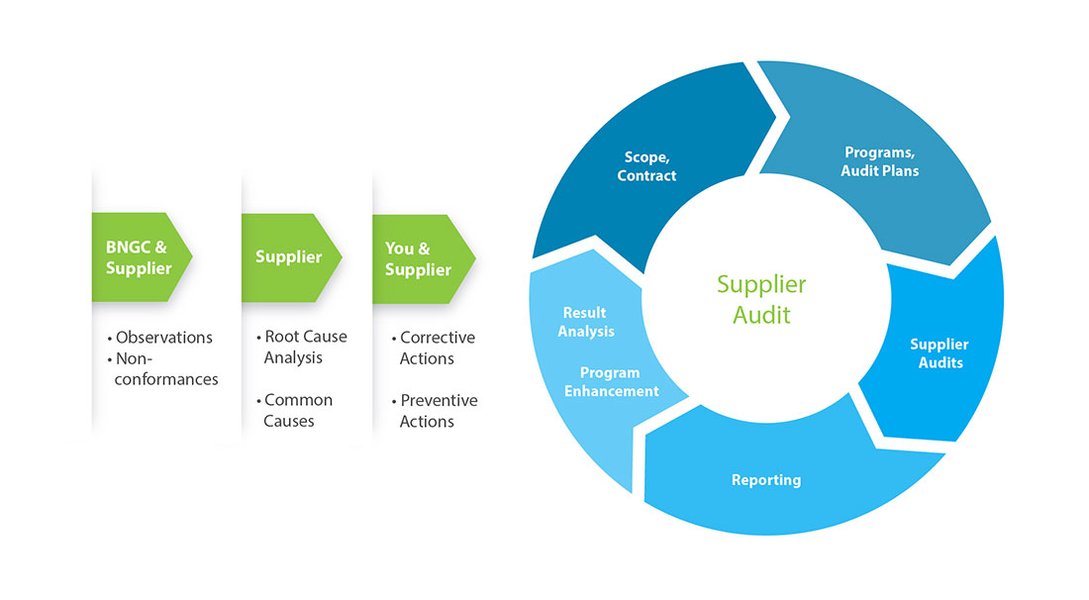
Conducting supplier audits is a critical responsibility.
Supplier Evaluation and Selection
SQEs often play a role in evaluating potential new suppliers, assessing their capabilities, quality management systems, and overall suitability. This may involve conducting initial audits and risk assessments to ensure the supplier can meet the company's requirements.
Establishing Quality Requirements
Working with engineering and procurement, SQEs help define and document the specific quality standards and specifications that suppliers must meet for sourced materials and components.
Monitoring Supplier Performance
A key responsibility is to continuously monitor the quality performance of approved suppliers. This involves tracking key performance indicators (KPIs) such as defect rates (DPPM - Defect parts per million), on-time delivery, and the effectiveness of corrective actions.
Conducting Supplier Audits
Regular audits of supplier facilities and processes are essential to verify compliance with quality standards and identify areas for improvement. These audits can be system audits, process audits, or product audits.
Managing Non-Conformances and Corrective Actions
When suppliers deliver non-conforming parts or materials, the SQE is responsible for initiating and managing the corrective action process. This involves working with the supplier to identify the root cause of the issue, implement corrective actions, and verify their effectiveness.
Supplier Development and Continuous Improvement
Beyond addressing immediate issues, SQEs work with suppliers to help them improve their quality systems and processes. This proactive approach aims to enhance the overall quality and reliability of the supply chain.
Supporting Product Development
SQEs often collaborate with product development teams to ensure that quality considerations are integrated early in the design phase and that suppliers are capable of producing components to the required specifications (e.g., utilizing APQP - Advanced Product Quality Planning).
Educational Background and Career Path
A typical path to becoming a Supplier Quality Engineer involves obtaining a bachelor's degree in an engineering discipline, such as Mechanical, Industrial, or Quality Engineering. Some roles may prefer or require a master's degree. Gaining work experience in quality assurance, manufacturing, or a related engineering field is highly beneficial.
Understanding the role and responsibilities of a Supplier Quality Engineer.
Relevant certifications, such as those offered by the American Society for Quality (ASQ), can also enhance career prospects and demonstrate a commitment to the quality field. The role offers opportunities for career advancement, potentially leading to positions such as Senior SQE, Quality Manager, or Supply Chain Manager.
Common Interview Questions for Supplier Quality Engineers
Preparing for an interview for an SQE role requires demonstrating a strong understanding of quality principles, problem-solving abilities, and effective communication skills. Interview questions often focus on both technical knowledge and behavioral competencies. Here are some common themes and sample questions:
Questions About Experience and Knowledge
- Can you explain the role of a Supplier Quality Engineer and its importance in the manufacturing process?
- Describe your experience with quality management systems (e.g., ISO 9001, IATF 16949).
- How do you ensure that suppliers are meeting quality standards and specifications?
- What is your experience with conducting supplier audits? Describe your process.
- How do you utilize data analysis to monitor supplier performance?
- Are you familiar with quality tools such as FMEA, Control Plans, SPC, or 8D? Provide examples of how you've used them.
- What is APQP, and how is it relevant to supplier quality?
Behavioral and Situational Questions
These questions assess your problem-solving abilities and how you handle specific situations, often using the STAR method (Situation, Task, Action, Result).
- Describe a situation where you had to deal with a supplier who consistently delivered subpar quality. How did you address the issue?
- Tell me about a time you successfully implemented a corrective action with a supplier that led to significant improvement.
- How do you handle disagreements or conflicts with suppliers regarding quality issues?
- Describe a challenging supplier audit you conducted and how you managed it.
- How do you prioritize working with multiple suppliers and addressing various quality issues simultaneously?
Being prepared to discuss specific examples from your past experience, highlighting your actions and the positive results achieved, is crucial for a successful interview.
Skills Radar: A Self-Assessment Tool
To help visualize the diverse skill set required for a Supplier Quality Engineer role, consider the following radar chart. This is not based on specific data points but rather represents a conceptual weighting of different skill areas based on common job requirements. Use this as a tool for self-assessment to identify areas where you may want to focus your development.
This radar chart conceptually illustrates the relative importance of various skill sets for a successful Supplier Quality Engineer. Technical expertise and knowledge of quality standards are foundational, while strong problem-solving, communication, collaboration, and auditing skills are also critical. Supplier development and data analysis further contribute to effectiveness in the role.
Building Your SQE Resume
Your resume is your first impression. For a Supplier Quality Engineer role, it's essential to highlight relevant experience and skills effectively. Focus on quantifiable achievements rather than just listing duties.
Crafting Impactful Bullet Points
Instead of simply stating "Managed supplier audits," consider quantifying your impact: "Led audits for 20+ key suppliers, identifying non-conformances and driving corrective actions that resulted in a 15% reduction in incoming defects."
Highlighting Key Skills and Experience
Ensure your resume clearly lists relevant technical skills (e.g., QMS knowledge, specific quality tools, industry standards) and soft skills (e.g., communication, problem-solving, collaboration). Include experience with supplier evaluation, development, and managing corrective actions.
Salary Expectations and Job Outlook
The salary for a Supplier Quality Engineer can vary based on factors such as experience level, location, industry, and company size. According to some sources, the average salary can be around $75,000 USD per year, but this can range significantly. The job outlook for quality engineers, including those specializing in supplier quality, is generally positive as companies continue to prioritize supply chain reliability and product quality.
Frequently Asked Questions About the Supplier Quality Engineer Role
Supplier Quality Engineering in Practice: Key Activities
To further illustrate the practical aspects of the SQE role, the following table summarizes some of the key activities and their importance:
| Activity | Description | Importance |
|---|---|---|
| Supplier Audits | Evaluating supplier facilities, processes, and quality management systems. | Ensures compliance with standards and identifies areas for improvement. |
| APQP/PPAP | Advanced Product Quality Planning and Production Part Approval Process - structured methods for quality planning during product development. | Ensures suppliers can produce parts meeting specifications before mass production. |
| Problem Solving (e.g., 8D) | Systematic approach to identify root causes of issues and implement corrective actions. | Resolves quality issues effectively and prevents recurrence. |
| Performance Monitoring | Tracking supplier quality metrics (e.g., DPPM, on-time delivery). | Identifies trends, assesses supplier performance, and drives improvement efforts. |
| Supplier Development | Working with suppliers to improve their quality systems and processes. | Enhances overall supply chain quality and reliability. |
Recommended Further Exploration
- Explore different quality management systems used in supplier quality.
- Dive deeper into the specific quality tools used by SQEs.
- Understand the APQP process and its stages.
- Learn more about best practices for conducting effective supplier audits.
References
Last updated May 20, 2025