
Navigating In-Camera Inspections: A Guide for Defending Work Product
Strategies for Protecting Confidential Documents During Judicial Review
Key Highlights for Defending Work Product
- Understand the Scope: In-camera inspections involve a judge privately reviewing documents to determine privilege, requiring meticulous preparation.
- Document Your Rationale: Clearly articulate and document the reasons for claiming work product protection for each document in question.
- Leverage Protective Orders: Existing protective orders can provide a framework for maintaining confidentiality during and after the inspection process.
Understanding In-Camera Inspections in the Context of Work Product
When a dispute arises over whether certain documents are protected by the work product doctrine, a judge may order an in-camera inspection to review the documents privately. This process allows the judge to assess the validity of the privilege claim without disclosing the contents of the documents to the opposing party. This is particularly relevant in cases like yours, where you are trying to withhold documents based on work product protection in a personal injury case stemming from a job site incident.
What is an In-Camera Inspection?
An in-camera inspection is a procedure where a judge reviews sensitive or confidential information privately in their chambers to determine its admissibility or discoverability. This is often used when assessing claims of privilege, such as attorney-client privilege or work product protection. The purpose is to balance the need for transparency and access to information with the need to protect certain confidential materials from disclosure.
In the context of discovery disputes, an in-camera inspection allows the judge to examine the documents in question to determine whether they genuinely qualify for the protection being asserted. This process is deemed less intrusive than public proceedings and is often employed when handling sensitive information.
The Work Product Doctrine
The work product doctrine protects materials prepared in anticipation of litigation from discovery by opposing counsel. This protection encourages attorneys to develop their case strategies and theories without fear that their adversaries will have access to their thought processes. The party claiming work product protection must demonstrate that the materials are: (1) documents and tangible things; and (2) prepared in anticipation of litigation.
The work product doctrine may shield an attorney's strategies, theories, and understanding of a case. It allows counsel and their clients to communicate effectively and shield case strategy from discovery.
Preparing for an In-Camera Inspection
Given that the judge has decided to conduct an in-camera inspection, there are several steps you should take to prepare and protect your client's interests.
Document-by-Document Justification
It is crucial to provide a detailed justification for withholding each document. For each document you are claiming is protected work product, prepare a written explanation of why it qualifies for this protection. This explanation should include:
- The circumstances under which the document was created.
- The specific anticipated litigation it relates to.
- The role the document plays in formulating legal strategy.
Affidavits and Declarations
Consider submitting affidavits or declarations from attorneys or other individuals involved in the creation of the documents. These sworn statements can provide additional context and support for your claim that the documents were prepared in anticipation of litigation.
Highlighting Key Information
Prepare a concise summary of the key facts and legal arguments supporting your claim of work product protection. This summary should be easy for the judge to review and understand. The more clearly and persuasively you present your case, the better the chance the judge will rule in your favor.
Motion to Seal: Necessity and Strategy
You've raised the question of whether to file a motion to seal the documents specifically for the in-camera inspection. Here's a breakdown of that issue:
Assessing the Need to Seal
Generally, filing a separate motion to seal specifically for the in-camera inspection might be redundant, especially if a protective order is already in place. The purpose of sealing is to prevent the disclosure of sensitive information to the public or other parties not involved in the litigation. However, in-camera review, by its nature, limits access to the judge.
Leveraging the Existing Protective Order
Your existing protective order should already provide a framework for handling confidential information. Ensure that the protective order's language is broad enough to cover the documents in question during an in-camera inspection. If the existing order adequately protects the confidentiality of the documents, a separate motion to seal might be unnecessary.
When a Motion to Seal Might Be Necessary
There might be specific circumstances where a motion to seal is advisable, even with a protective order in place:
-
Broad Protective Order: If the existing protective order is very broad and doesn't specifically address the handling of documents during an in-camera inspection, a motion to seal could provide additional clarity and protection.
-
High Sensitivity: If the documents contain extremely sensitive information that warrants extra precautions, a motion to seal can reinforce the need for confidentiality.
-
Local Rules: Check the local rules of the court. Some jurisdictions may have specific requirements for handling confidential documents submitted for in-camera review.
Alternative Approach: Stipulation
Instead of a formal motion to seal, consider a stipulation with the opposing party that the documents will be treated as confidential during and after the in-camera inspection. A stipulation is an agreement between the parties that is presented to the court for approval.
Addressing the Plaintiff's Proposed Order
The plaintiff's proposed order raises several points that you should address:
10-Day Production Deadline
The proposed order likely stipulates that if the motion to compel is granted (after the in-camera inspection), you must produce the documents within 10 days. This timeline may be reasonable, but it's essential to assess whether you can realistically meet this deadline. If you anticipate difficulty in producing the documents within 10 days, raise this issue with the court and request a more feasible timeline.
Bates Stamping and Confidentiality Tags
The requirement to Bates stamp and apply confidentiality tags after production is standard practice. Bates stamping involves assigning a unique identification number to each page of the document, making it easier to track and reference. Confidentiality tags indicate that the document contains confidential information and is subject to the protective order.
Consider this Table for Document Preparation
When preparing your documents, consider creating a table that outlines key information about each document in question:
| Document | Date | Author | Recipient(s) | Brief Description | Justification for Work Product Protection |
|---|---|---|---|---|---|
| [Document Name] | [Date] | [Author] | [Recipient(s)] | [Brief Description] | [Detailed Explanation] |
| [Document Name] | [Date] | [Author] | [Recipient(s)] | [Brief Description] | [Detailed Explanation] |
This table will help you organize your thoughts and present a clear and persuasive argument to the judge.
Visualizing Confidentiality: Document Protection in Action
Protecting confidential information is paramount in legal proceedings. Visual aids can help illustrate the importance of confidentiality and the measures taken to safeguard sensitive documents. These images represent different aspects of document protection, from disclaimers to access control.

Email confidentiality disclaimers are common practices to protect sensitive information shared via electronic communication.
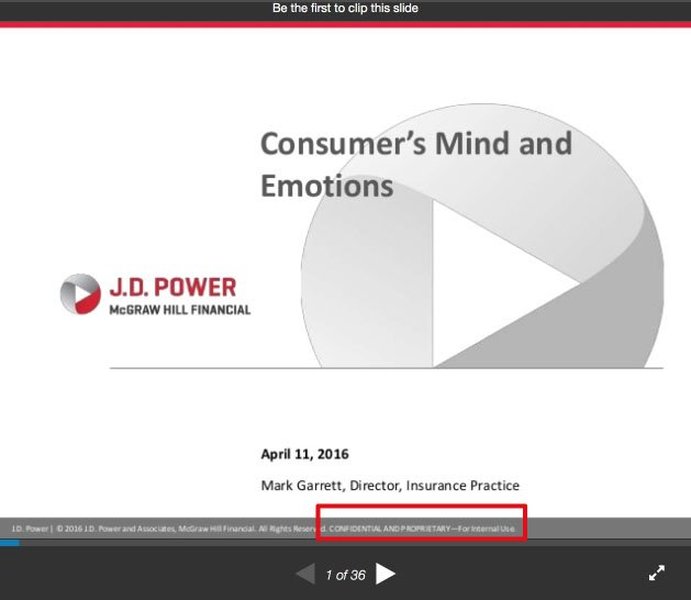
Confidentiality tags highlight proprietary information, ensuring it's treated with the appropriate level of care.
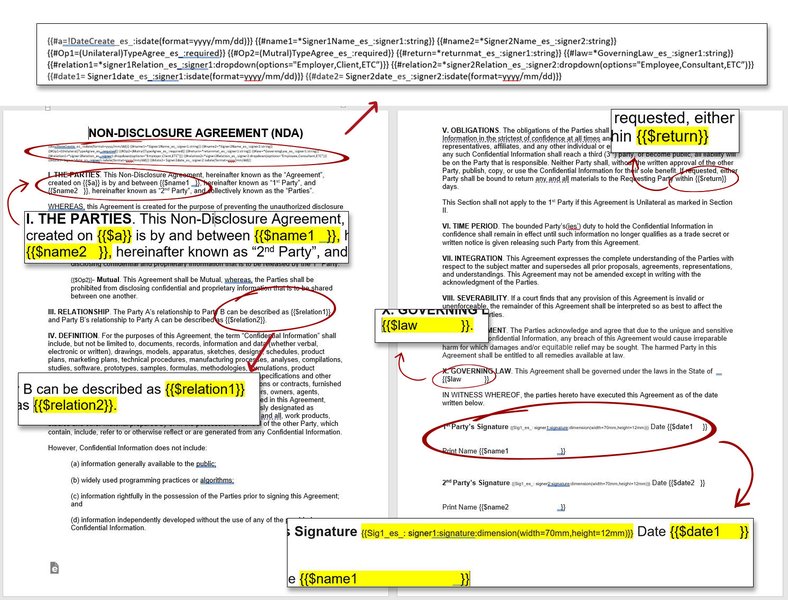
Access control systems manage permissions, restricting access to sensitive documents to authorized personnel only.
Understanding the Work Product Doctrine
This video, titled "Attorney Work-Product Doctrine | Rule 26(B)(3)," provides a concise overview of the attorney work-product doctrine and its implications under Rule 26(b)(3). Understanding the nuances of this doctrine is crucial in cases where you are trying to protect documents from discovery. The video explains how the doctrine shields information gathered by an attorney in anticipation of trial from being disclosed to the opposing party. By understanding the key principles and applications of the work-product doctrine, you can better assess whether the documents in your case qualify for protection and effectively argue your position to the court during the in-camera inspection.
FAQ: Addressing Common Concerns About In-Camera Inspections
What is the purpose of an in-camera inspection?
An in-camera inspection allows a judge to privately review documents or evidence to determine if they are privileged, confidential, or otherwise protected from disclosure.
Who gets to see the documents during an in-camera inspection?
Only the judge (and sometimes their staff) will review the documents during an in-camera inspection. The parties and their attorneys do not have access to the documents at this stage.
What happens after the in-camera inspection?
After the inspection, the judge will issue a ruling on whether the documents are privileged or discoverable. If the judge determines that the documents are not protected, they may order you to produce them to the opposing party.
Can I object to an in-camera inspection?
Yes, you can object to an in-camera inspection if you believe it is unnecessary or inappropriate. However, the judge has broad discretion in deciding whether to conduct such an inspection.
What if I disagree with the judge's ruling after the in-camera inspection?
If you disagree with the judge's ruling, you may have the right to appeal the decision to a higher court.
References
Last updated April 10, 2025