
Securing Your Rug: Advanced Solutions for Preventing Movement on Carpeted Floors
Mastering the Art of Rug Stability to Enhance Safety and Aesthetics
Rugs placed on top of carpeted floors can often be a source of frustration, constantly shifting, bunching, and creating tripping hazards. This common issue arises primarily because the rug tends to follow the subtle directional lean of the carpet pile beneath it. The repeated friction and movement not only diminish the aesthetic appeal of your living space but can also cause premature wear and tear on both the rug and the underlying carpet. Fortunately, a variety of effective solutions exist to keep your rugs firmly in place, ranging from specialized pads and tapes to ingenious DIY methods.
Key Insights for Rug Stability
- Strategic Underlays: The most effective and widely recommended solution involves using specialized non-slip rug pads designed for carpet-to-carpet applications. These pads create a crucial friction layer that anchors the rug, preventing it from sliding or bunching up.
- Adhesive and Mechanical Grips: Options like double-sided rug tape, Velcro strips, and corner grippers offer strong, localized adhesion or mechanical hold, proving particularly effective for smaller rugs or in areas with moderate traffic.
- Creative Anchoring Techniques: For larger rugs, leveraging the weight of furniture provides a practical and aesthetically pleasing anchoring solution. Additionally, DIY methods such as silicone caulk or even strategically placed zip ties can offer robust stability in specific scenarios.
Understanding Why Rugs Migrate on Carpet
The Dynamics of Pile Movement and Friction
The primary reason rugs move on carpet is due to the inherent nature of carpet pile. When carpets are manufactured, their fibers (or "pile") are often directional, leaning slightly in one direction. Any object placed on top, like a rug, will gradually move in the same direction as this pile movement due to friction and everyday foot traffic. This phenomenon is exacerbated in high-traffic areas or homes with active children and pets, leading to constant readjustment and potential safety risks.
Beyond simple movement, rugs can also bunch up, wrinkle, and create an unkempt appearance. This not only detracts from your home's decor but also poses significant tripping hazards, especially for the elderly, children, and those with mobility challenges. Addressing this issue promptly is crucial for maintaining both the safety and visual appeal of your home.
Top Solutions for Anchoring Your Rug
Specialized Rug Pads: The Foundation of Stability
Non-slip rug pads are arguably the most effective and widely recommended solution for preventing rugs from moving on carpet. These pads are specifically designed to create a strong grip between the rug and the underlying carpet, providing a crucial layer of friction that inhibits movement. They come in various materials and designs, each offering unique benefits.
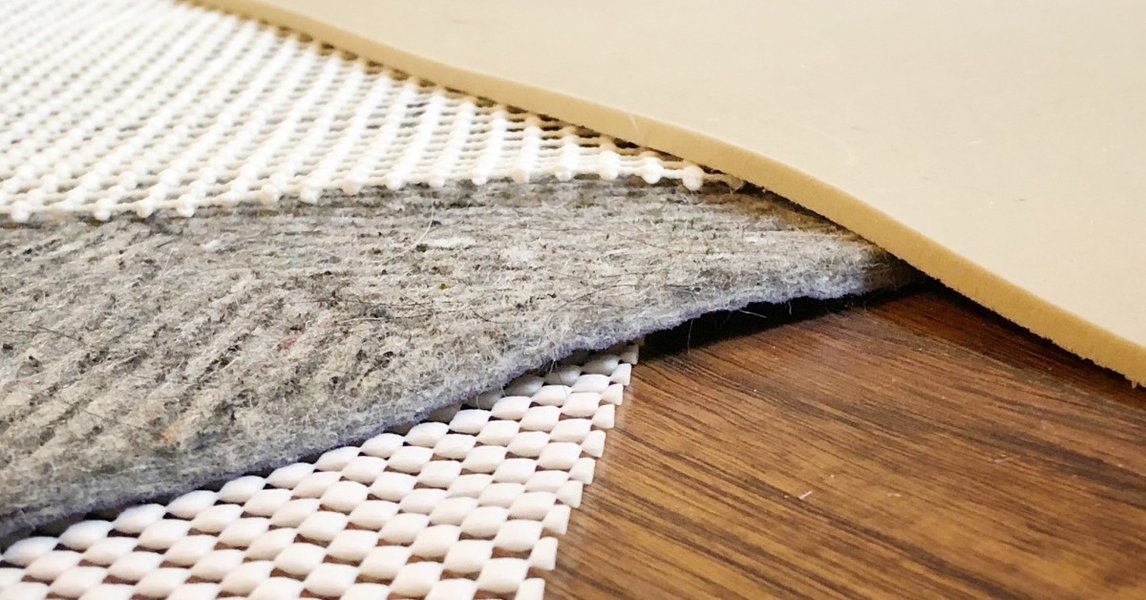
A specialized rug pad providing crucial anti-slip functionality.
Rubber Waffle Rug Pads
These pads feature a waffle-like texture made from natural or synthetic rubber. They offer excellent grip and provide a good balance of cushioning and stability. Some versions are designed with a non-woven polyester textile coating and a special water-based, pressure-sensitive, dry acrylic adhesive for maximum gripping power without transferring residue.
Felt and Rubber Combination Pads
These pads typically have a felt upper layer for cushioning and a rubberized underside for grip. They offer enhanced comfort underfoot while effectively preventing slippage. The "Carpet Lock" rug pad, for example, is specifically designed for carpet-to-carpet anchoring, made of felt and natural rubber to prevent rippling and ensure a smooth lay.
Considerations for Rug Pads
- Carpet Pile: While rug grippers generally work well on carpets, their effectiveness can vary with carpet pile. They perform best on low and medium-pile carpets. Plushier, high-pile carpets may cause the grippers to move along the long pile, reducing their effectiveness.
- Size: Always ensure the rug pad is slightly smaller than your rug (typically by about an inch on all sides) to prevent the pad from showing and to allow the rug's edges to lay flat.
- Protection: Beyond stability, rug pads also protect both your rug and the underlying carpet from wear and tear by absorbing impact and reducing friction. They can also add an extra layer of comfort and help absorb noise.
Adhesive and Gripping Solutions
For those seeking more direct adhesion or localized stability, several tape and gripper options are available. These solutions are often easy to apply and can be highly effective, especially for smaller rugs or specific problem areas.
Double-Sided Rug Tape
Double-sided carpet tape is a popular choice for its ease of use and effectiveness. It's applied to the underside of the rug, then pressed firmly onto the carpet. It creates a strong bond that prevents slipping and bunching. This method is particularly suitable for low-traffic areas and smaller rugs. However, repeated removal might lead to residue build-up on the carpet. Some specific carpet tapes are designed to be removable without leaving residue, which is ideal for renters.
Velcro Strips
Velcro strips offer a strong, reusable solution. One side (the "hook" side) is typically adhered to the back of the rug, while the other side (the "loop" side) can be attached to the carpet, or often, the hook side alone can grip the carpet pile sufficiently. This provides a robust hold and allows for easy removal and repositioning when needed. It's a versatile option for various rug sizes.
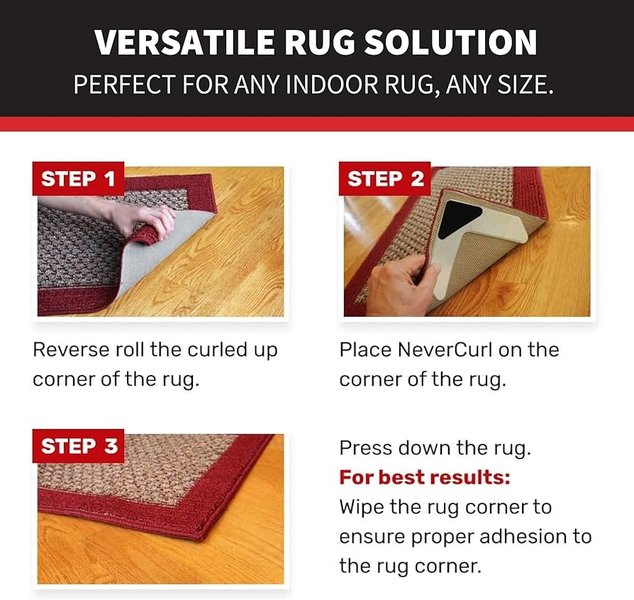
Corner rug grippers, an effective solution for preventing corner curling and general movement.
Rug Corner Grippers
These specialized grippers are often triangular or rectangular pads with adhesive on one side (for the rug) and a textured or suction-based surface on the other (for the carpet). They are applied to the corners and sometimes edges of the rug to prevent curling and shifting. Many are washable and reusable, making them a cost-effective long-term solution.
Innovative DIY and Alternative Approaches
Beyond commercially available products, some DIY methods and strategic placements can also help secure your rugs.
Silicone Caulk or Hot Glue
For inexpensive rugs, applying dots or thin strips of silicone caulk or hot glue to the back of the rug can create a non-slip surface. It's crucial to allow the caulk or glue to dry completely before placing the rug on the carpet. While cost-effective, this method carries a risk: removing the rug might pull at the carpet's fibers, especially on high-pile carpets, or peel off fibers from the rug itself. It's generally recommended for rugs that won't require frequent removal.
Anchoring with Furniture
For larger area rugs, strategically placing heavy furniture on top of the rug can effectively anchor it. Position legs of sofas, chairs, or tables on the rug to weigh it down, preventing movement. This method is particularly effective for rugs in living rooms or dining areas where furniture naturally defines the space. It's a practical solution that also integrates with your interior design.
Drew Scott demonstrates how to use caulk to prevent a rug from slipping.
The video above showcases a simple yet effective home hack using silicone caulk to secure a rug. This method is particularly useful for rugs that consistently shift or curl, offering a semi-permanent solution without the bulk of a full rug pad. It highlights how a common household item can be repurposed for practical home improvement, emphasizing the importance of letting the caulk dry completely to ensure a strong, non-slip bond.
Zip Ties (for wall-to-wall carpet)
A less common but effective DIY solution involves using zip ties for rugs on wall-to-wall carpeting. By cutting small, inconspicuous holes in both the rug and the carpet, zip ties can be threaded through and secured, essentially tying the rug to the carpet. This method requires precision and is more permanent, so it's best suited for rugs that will remain in place for extended periods and where the underlying carpet is not a high-value or easily damaged surface.
Flattening Corners
Sometimes, a rug's movement is exacerbated by curling corners. Flattening these corners, perhaps by weighting them down for a period or by using specialized corner grippers, can significantly improve the rug's overall stability and adherence to the carpet.
Comparative Analysis of Rug Stabilization Methods
Weighing the Pros and Cons of Each Solution
To help you choose the best method for your specific needs, here's a comparative overview of the various rug stabilization solutions, considering factors like ease of installation, effectiveness, cost, and potential impact on the rug or carpet.
| Method | Ease of Installation | Effectiveness (on carpet) | Cost-Effectiveness | Potential for Damage/Residue | Best For |
|---|---|---|---|---|---|
| Non-Slip Rug Pads | Easy | High (especially carpet-specific) | Medium to High | Low (minimal risk) | All rug sizes, high-traffic areas, added cushioning |
| Double-Sided Rug Tape | Easy | Medium to High | High | Medium (possible residue, buckling) | Smaller rugs, low-traffic areas, temporary fixes |
| Velcro Strips | Easy | High | Medium | Low (renter-friendly options available) | Various rug sizes, good for repositioning |
| Rug Corner Grippers | Easy | Medium (primarily for corners) | High | Low (reusable, washable) | Preventing corner curling, light rugs |
| Silicone Caulk / Hot Glue | Medium | High | Very High (DIY) | High (potential carpet/rug fiber damage) | Inexpensive rugs, permanent placement, small areas |
| Anchoring with Furniture | N/A (design-based) | High | N/A (uses existing furniture) | None | Large area rugs, living rooms, dining areas |
| Zip Ties | Medium to Difficult | Very High | Very High (DIY) | High (requires holes in rug/carpet) | Specific, permanent installations on wall-to-wall carpet |
Assessing the Suitability of Solutions
A Radar Chart of Performance Attributes
Choosing the optimal solution depends on several factors, including the size and material of your rug, the type of carpet, the amount of foot traffic, and whether you need a temporary or permanent fix. The radar chart below illustrates the relative strengths of various rug stabilization methods across key performance attributes, helping you visualize their suitability for different scenarios.
This radar chart illustrates how different rug stabilization methods perform across key attributes. For instance, non-slip rug pads generally excel in adhesion strength and carpet compatibility while having a low residue risk. Double-sided rug tape, while easy to install and cost-effective, carries a higher residue risk. Velcro strips offer a good balance of ease of installation and durability with moderate residue risk. Silicone caulk, while very cost-effective, poses a higher risk of damage and requires more careful application.
Maintenance for Lasting Stability
Ensuring Long-Term Rug Security
Once you've secured your rug, regular maintenance can help ensure its long-term stability and prevent future slippage. Dirt and debris can accumulate between the rug and the carpet, reducing the effectiveness of any gripping solution. Regularly vacuuming both the rug and the underlying carpet can help remove these particles and maintain optimal grip.
Periodically check your chosen anchoring method. Adhesive solutions might lose their stickiness over time, and rug pads can wear down. Seasonal changes in humidity and temperature can also affect how rugs behave, so minor adjustments or reapplication might be necessary. Flattening any persistent curled corners can also contribute to overall stability.
Frequently Asked Questions
Why do rugs move on carpet in the first place?
Are rug pads safe for all types of carpet?
Can double-sided tape damage my carpet?
Is silicone caulk a permanent solution?
Can anchoring with furniture really stop a rug from moving?
Conclusion
Preventing a rug from moving on carpet is essential not only for maintaining the aesthetic appeal of your home but, more importantly, for ensuring safety by eliminating tripping hazards. From specialized non-slip rug pads that offer comprehensive stability and cushioning, to targeted adhesive solutions like double-sided tape and Velcro, and even creative DIY methods such as silicone caulk or furniture anchoring, there are numerous effective strategies at your disposal. The best approach depends on your specific rug size, carpet type, traffic levels, and desired level of permanence. By carefully considering the pros and cons of each method, you can choose the most suitable solution to keep your rugs securely in place, enhancing both the beauty and safety of your living space.
Recommended Searches
- Discover the top-rated non-slip rug pads specifically designed for use on carpeted floors.
- Explore effective and easily removable solutions to secure rugs without damaging carpets for renters.
- Learn innovative and budget-friendly DIY techniques to prevent rug movement using common household items.
- Understand the additional advantages of using rug pads, beyond just preventing slippage, for your rugs and carpets.
Referenced Search Results
 amazon.com