
Clearing the Haze: Tackling Cloudiness in Thiourea-Sulfamic Acid Solutions During Electrochemistry
Practical strategies to prevent and resolve turbidity in your NaCl-containing electrochemical system.
Essential Insights
- Purity is Paramount: The primary suspect for cloudiness is often the reaction of thiourea with metal impurities present in reagents or water, forming insoluble sulfides. Using high-purity chemicals and deionized/distilled water is crucial.
- Manage Precipitation: Cloudiness arises from insoluble particles (sulfur, metal sulfides, or other reaction byproducts). Filtration and optimizing conditions (pH, concentration, temperature) can prevent or remove these particles.
- Control the Process: Electrochemical oxidation itself can generate cloudiness. Careful selection of electrode materials and optimization of parameters like current density and mixing are key to minimizing unwanted side reactions.
Understanding the Cloudiness Phenomenon
Why Does the Solution Become Turbid?
When preparing a solution containing thiourea, sulfamic acid, and sodium chloride (NaCl) for low-current electrochemical oxidation, observing cloudiness or turbidity can be perplexing. This phenomenon typically indicates the formation of finely dispersed solid particles suspended in the liquid, scattering light and obscuring clarity. Several chemical and physical factors can contribute:
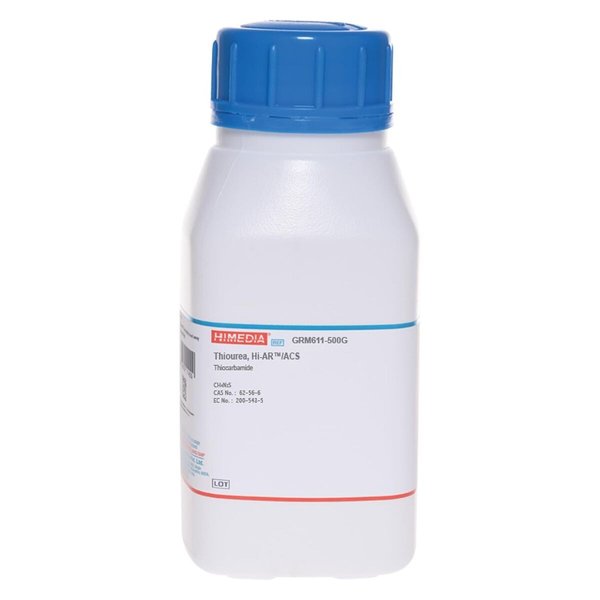
Thiourea, a key component, can be involved in reactions leading to precipitation.
Metal Impurity Reactions
Thiourea (CS(NH₂)₂) is known to react readily with various metal ions. Even trace amounts of metal contaminants, potentially present in the thiourea, sulfamic acid, NaCl reagents, or the water used, can react with thiourea. This reaction often forms insoluble metal sulfides (e.g., reacting with copper, iron, mercury ions). These precipitates are a common cause of cloudiness, especially given thiourea's role as a sulfur source.
Thiourea Decomposition and Side Reactions
Thiourea can be unstable under certain conditions. Acidic environments, like that created by sulfamic acid (HSO₃NH₂), or oxidizing conditions encountered during electrochemical processes, can lead to its decomposition. One common decomposition product is elemental sulfur (S), which is notoriously insoluble in water and readily forms colloidal suspensions, causing significant turbidity. Additionally, thiourea might react with intermediate species generated during oxidation (like chlorine species from NaCl electrolysis or NOx), forming other insoluble byproducts.
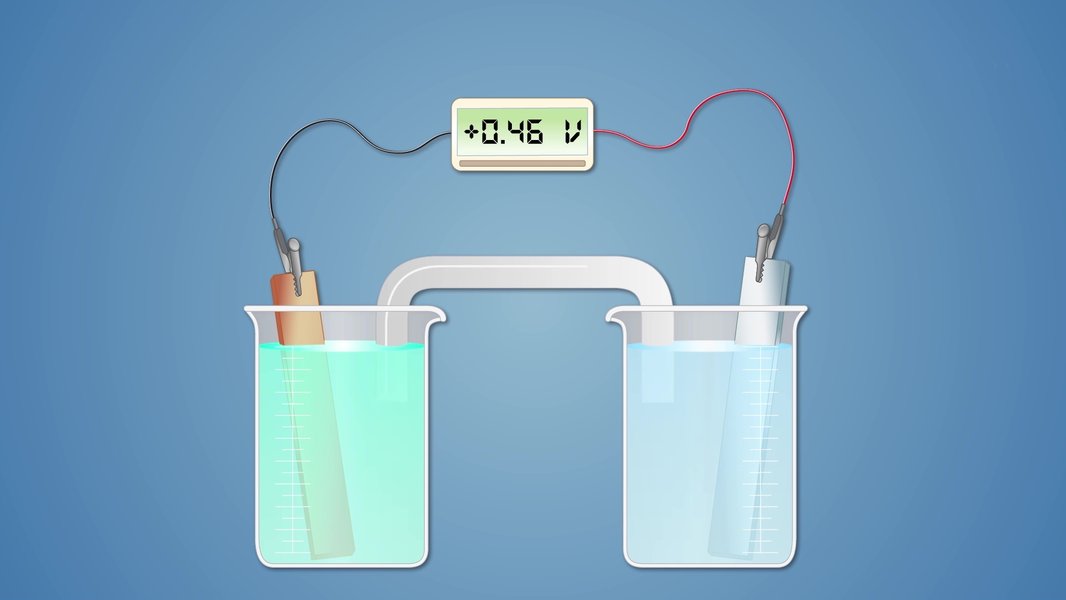
Electrochemical processes introduce oxidative conditions that can trigger side reactions.
Electrochemical Oxidation Effects
The low-current electrochemical oxidation process itself introduces factors that can cause cloudiness.
- Electrode Interactions: If the electrodes used are not inert under the reaction conditions, they might corrode or dissolve slightly, releasing metal ions into the solution. These ions can then react with thiourea as described above.
- Intermediate Products: The oxidation process, even at low currents, can generate intermediate chemical species. Some intermediates involving sulfur or reactions with chloride ions (from NaCl) might be poorly soluble, accumulating as fine particles before they can be further oxidized or dissolved.
Solubility and Concentration Issues
While sulfamic acid and NaCl are generally highly soluble, the overall solubility of all components and potential reaction products in the specific mixture matters. If the concentration of thiourea or any formed byproduct exceeds its solubility limit under the given conditions (temperature, pH, ionic strength from NaCl), precipitation will occur, leading to cloudiness. Ensuring complete dissolution during preparation is vital.
Strategies to Prevent and Resolve Cloudiness
Practical Steps for a Clear Solution
Addressing cloudiness requires a systematic approach, focusing on controlling the potential causes identified above. Here are several strategies:
Prioritize Purity
- High-Purity Reagents: Use analytical grade or higher purity thiourea, sulfamic acid, and NaCl. This minimizes the introduction of metal ion contaminants, a primary cause of sulfide precipitation with thiourea.
- Purified Water: Prepare the solution using deionized (DI) or distilled water. Tap water or lower-grade lab water can contain significant levels of metal ions and other impurities.
Optimize Solution Conditions
- pH Control: While sulfamic acid provides acidity, excessive acidity might promote thiourea decomposition. Monitor and potentially adjust the pH to find a range that maintains stability without compromising the electrochemical process. Buffering could be considered if pH fluctuations are an issue.
- Concentration Management: Ensure that the concentrations of all components are below their solubility limits in the final mixture. Avoid supersaturation. Consider experimenting with slightly lower concentrations if cloudiness persists. Ensure thorough mixing and complete dissolution of all solids before starting oxidation.
- Temperature Control: Temperature affects both reaction rates and solubility. Gentle warming might help dissolve components initially, but avoid excessive heat, which can accelerate thiourea decomposition. Maintaining a stable, controlled temperature during the process might be beneficial.
Manage Physical Particles
- Filtration: If cloudiness appears after mixing or during the process, filtration can remove the suspended particles. Allow the solution to settle, then filter through a fine filter paper or membrane filter (e.g., 0.22 µm or 0.45 µm pore size) before or after the electrochemical step. Pre-filtering the solution after initial mixing but before oxidation can prevent issues during the electrochemical process.
- Dissolution Techniques: Ensure all solid reagents are fully dissolved before proceeding. Gentle heating (if compatible with stability) and continuous stirring can aid dissolution. The order of addition might also play a role; experiment if necessary.
Control the Electrochemical Process
- Inert Electrodes: Use electrode materials that are stable and non-reactive in the solution under the applied potential. Platinum (Pt), glassy carbon, or Dimensionally Stable Anodes (DSA) are often preferred choices in such environments to prevent contamination from electrode corrosion.
- Optimize Current Density: While a low current is specified, stability might require fine-tuning. Too low a current might favor the accumulation of insoluble intermediates, while too high could cause vigorous side reactions. Experiment with slight adjustments, potentially using pulsed current techniques.
- Mixing/Flow: Ensure adequate mixing or solution flow, especially near the electrode surfaces. This helps prevent localized high concentrations of reactive species or products, reducing the chance of precipitation.
Consider Chemical Additives
- Chelating Agents: If metal ion contamination is suspected as the primary cause despite using pure reagents, adding a small amount of a chelating agent like Ethylenediaminetetraacetic acid (EDTA) can help. EDTA forms soluble complexes with many metal ions, preventing them from reacting with thiourea to form precipitates. Test compatibility and concentration carefully.
Visualizing Contributing Factors to Cloudiness
Relative Impact Assessment
The following chart provides a relative assessment of how significantly different factors might contribute to cloudiness in this specific system. A higher score indicates a greater potential impact or likelihood of causing turbidity if not properly controlled. This is an estimation based on chemical principles and the interactions discussed.
This visualization highlights that impurities (especially metal ions reacting with thiourea) and thiourea's own potential for decomposition under the solution's conditions are often the most significant factors to address.
Mapping the Interactions
A Mind Map of Cloudiness Causes
This mind map illustrates the relationships between the solution components, the process, potential contaminants, and the resulting cloudiness.
Understanding these connections helps in pinpointing the most likely cause in a specific situation and choosing the most effective mitigation strategy.
Comparing Mitigation Strategies
Effectiveness vs. Practicality
The table below offers a comparison of common strategies to combat cloudiness, considering their potential effectiveness and ease of implementation.
| Strategy | Primary Target | Potential Effectiveness | Ease of Implementation | Notes |
|---|---|---|---|---|
| Use High-Purity Reagents/Water | Metal Impurities, Other Contaminants | High | Moderate (Cost/Availability) | Often the most crucial first step. |
| Filtration (Pre- or Post-Oxidation) | Suspended Solid Particles (any source) | High (for existing particles) | Easy to Moderate | Removes existing cloudiness but doesn't prevent formation. Requires appropriate filter type. |
| Optimize pH | Thiourea Decomposition, Solubility | Moderate to High | Moderate (Requires monitoring/adjustment) | Balance stability with process requirements. |
| Adjust Concentrations | Solubility Limits, Reaction Rates | Moderate | Easy | May require re-optimization of the process. |
| Add Chelating Agent (e.g., EDTA) | Metal Impurities | High (for metals) | Easy | Test compatibility; adds another component. |
| Control Temperature | Solubility, Decomposition Rates | Low to Moderate | Moderate (Requires equipment) | Avoid high temperatures. |
| Use Inert Electrodes | Electrode Corrosion (Metal Ion Source) | High | Moderate (Cost/Setup) | Essential for preventing electrode-sourced contamination. |
| Optimize Current Density/Mixing | Formation of Insoluble Intermediates, Local Concentration Effects | Moderate | Moderate (Requires process control) | Fine-tuning the electrochemical parameters. |
Frequently Asked Questions
Quick Answers to Common Concerns
▶ Why is reagent and water purity so important?
▶ Can I just filter the solution to solve the problem?
▶ What if the cloudiness only appears *during* the electrochemical oxidation?
▶ Could the NaCl be causing the cloudiness?
References
- Thiourea - Wikipedia
- Effects of the cleaning of silver with acidified thiourea solutions - ResearchGate
- Why does a solution turn cloudy when sodium thiosulphate reacts with hydrochloric acid? - Quora
-
Sulfamic acid (HSO3NH2): A versatile and powerful acid - ScienceDirect
- Sulfamic acid - Tidjma
- In NaCl electrolysis, why does chlorine ion get oxidized but not oxygen ion - Chemistry Stack Exchange
- Thiourea Cleaning Solution - Fisher Scientific
Recommended Reading
Last updated April 21, 2025