
Preventing Deception: Comprehensive Solutions
Insights and practical strategies for protecting against deceptive practices
Key Highlights
- Integrated Approach: Combining education, regulatory oversight, and technology solutions to prevent deception.
- Transparency & Verification: Ensuring clear communication and robust fact-checking methods to safeguard trust.
- Proactive Cybersecurity: Deploying innovative deception techniques in cybersecurity to detect and neutralize threats early.
Overview
Deceptive practices can have far-reaching implications, impacting consumer trust, business reputation, and even cybersecurity resilience. Whether the deception occurs in business, interpersonal relationships, or digital environments, a well-rounded strategy is essential. Preventing deception requires a collaborative and multifaceted approach, integrating regulatory frameworks, transparency in communication, robust verification techniques, and advanced technological solutions. This comprehensive guide outlines practical solutions and strategies drawing from multiple credible sources to help both individuals and organizations mitigate the risks associated with deceptive practices.
Strategies for Preventing Deception
Regulatory and Legal Frameworks
One of the pillars of preventing deception is the establishment and enforcement of strong regulatory frameworks. Regulatory agencies, such as the Federal Trade Commission (FTC) and Consumer Financial Protection Bureau (CFPB), play an essential role in monitoring deceptive business practices. These bodies investigate and take legal actions against entities that engage in misleading advertisements, unfair pricing strategies, or other deceptive practices.
Key Elements of Regulatory Frameworks
- Risk Assessments: Before launching products or services, companies should undergo risk assessments to evaluate any potential deceptive elements. This means thoroughly reviewing claims and ensuring they are substantiated by factual data and third-party verifications.
- Enforcement of Laws: Consistent enforcement of consumer protection laws deters companies from engaging in deceptive practices. Regulatory bodies need to implement stringent penalties to discourage violations.
- Compliance Programs: Organizations should establish compliance training programs and internal audits to ensure that all practices align with legal and ethical standards.
Transparency and Ethical Communication
Transparency is the cornerstone of building trust in both business and interpersonal relationships. Effective communication strategies ensure that all claims, policies, and practices are communicated clearly and honestly to all stakeholders.
Methods to Enhance Transparency
- Clear Disclosures: Businesses should ensure that all product and service descriptions, pricing details, and terms of service are laid out in simple language free of hidden conditions or confusing jargon.
- Ethical Advertising: Marketing materials must be truthful and supported by factual evidence. Claims, whether about product quality or performance, should be verified by independent testing, third-party audits, or consumer reviews.
- Consumer Communication: Openly sharing the rationale behind business decisions and updating customers about any changes builds a culture of trust. For example, if a product feature changes, organizations should communicate the details and reasons transparently.
Consumer Education and Awareness
Educating consumers is a primary defense against deceptive practices. Consumers who are informed about common tricks and scams are less likely to fall victim to deception. Education efforts should focus on enhancing critical thinking and establishing routines for information verification.
Consumer Education Strategies
- Awareness Campaigns: Campaigns aimed at educating the public about common deceptive tactics—such as phishing scams, fake offers, and misleading social media content—can empower consumers to identify and report suspicious activity.
- Training Workshops: Engaging educational sessions for employees and consumers that cover topics like the "Stop, Call, Confirm" technique can be effective in combating deception. Such workshops can demonstrate how to cross-check information and recognize red flags.
- Fact-Checking Resources: Promoting the use of reputable fact-checking websites (e.g., Snopes, FactCheck.org, PolitiFact) ensures that consumers have access to tools for verifying the authenticity of information.
Verification and Internal Controls
Verification processes, both in human interactions and automated systems, are critical in combating deceptive practices. Implementing robust internal controls and verification procedures reduces the likelihood of deceptive information causing harm.
Best Practices for Verification
- Cross-Reference Information: Always cross-check information from a variety of sources, particularly when it involves important decisions like financial transactions. This method involves using multiple data points to confirm the authenticity of a claim.
- Credential Verification: For any service or communication, verifying the credentials and reputation of the provider through professional networks or certifications adds an extra layer of safety.
- Set Boundaries in Communication: Create clear guidelines for interactions, especially in online transactions. This can involve secure exchanges, multi-factor authentication, and limited access protocols to protect against phishing and impersonation.
Technological Innovations and Cybersecurity Measures
In the digital era, technology plays a pivotal role in both perpetrating and preventing deception. Advanced systems can detect patterns of deception using machine learning, data analytics, and cybersecurity frameworks.
Cybersecurity and AI Deception Solutions
- Machine Learning Algorithms: Integrate learning systems that analyze and compare data, flag anomalies, and identify potential deceptive behaviors. These systems can continually improve by learning from past deceptive patterns.
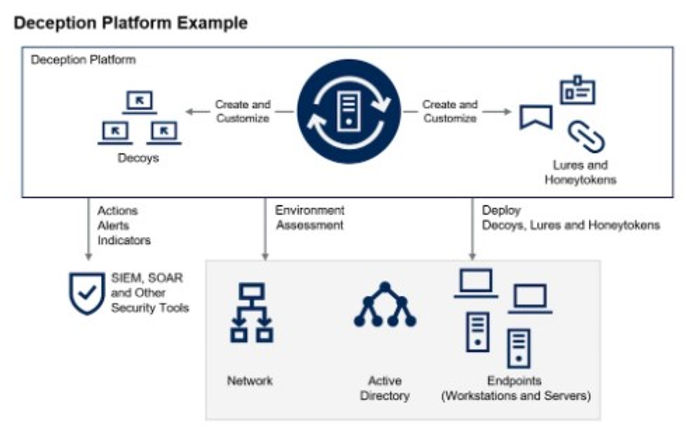
- Deception Solutions in Cybersecurity: Deploy deception technology that creates decoy assets such as fake files, credentials, and network shares. When an intruder interacts with these decoys, the system alerts security teams to a potential breach. This proactive measure allows organizations to monitor suspicious activity and respond before any real damage is done.
- Scalable Security Protocols: Ensure that cybersecurity measures are applicable across all endpoints, including cloud services, Active Directory (AD), and network infrastructure. This comprehensive approach creates an enterprise-wide security mesh capable of early threat detection.
- Secure Communication Channels: Implement secure and authenticated channels for exchange of sensitive information using encryption, two-factor authentication, and other security protocols. This minimizes risks of eavesdropping or data interception.
Decoy Technologies and Cyber Deception
Deception technology is an effective defense mechanism in cybersecurity. It proactively misleads attackers by providing them with decoy data that seems valuable while protecting the real assets.
Deploying Decoy Assets
- Decoy Files and Folders: Create and extend decoy files or folders that simulate legitimate documents and data repositories to trap malicious actors.
- Credential Decoys: Generate fake credentials and fake access tokens that provide attackers with a false sense of success when they attempt to breach systems.
- Network Deception Fabric: Implement a comprehensive network of decoys across various endpoints and cloud environments, ensuring that any attempt to breach the system is consistently detected.
- Rapid Response Mechanisms: Once an attacker interacts with a decoy, systems should be designed to alert security teams immediately, facilitating timely intervention.
Integrated Table of Deception Prevention Strategies
| Category | Strategies | Examples/Tools |
|---|---|---|
| Regulatory Frameworks |
|
|
| Transparency & Ethical Communication |
|
|
| Consumer Education |
|
|
| Verification & Internal Controls |
|
|
| Technological Solutions |
|
|
Industry-Specific and Relationship Strategies
Deceptive practices vary by industry and context. Whether dealing with financial transactions, healthcare information, e-commerce interactions, or personal relationships, tailored strategies are required.
Industry-Specific Strategies
Financial Sector
Financial institutions need robust verification protocols. Secure online banking, dual authentication processes, and regular fraud detection drills ensure that customers are safeguarded against financial deception.
Healthcare
In healthcare, verifying professional credentials and ensuring secure channels for patient data helps reduce the risk of medical fraud and misdiagnosis. Transparency in billing and treatment plans further enhances consumer trust.
E-commerce
E-commerce platforms benefit from secure payment gateways, encryption protocols, and regular monitoring of customer reviews. Transparent return policies and verified claims about product quality help combat online deception.
Relationship and Personal Interactions
In personal and professional relationships, clear boundaries and honest communication are vital. Whether dealing with business partnerships or romantic relationships, setting explicit expectations, utilizing secure communication channels, and seeking third-party verification when necessary can help prevent manipulation and trust breaches.
Technological Innovations: AI and Deception Prevention
Innovations in artificial intelligence (AI) have improved our ability to detect and prevent deception at scale. By integrating advanced machine learning algorithms and real-time analytics, organizations can identify unusual patterns that may indicate deceptive behavior. The following technological solutions illustrate how AI enhances deception prevention:
AI and Machine Learning Algorithms
Machine learning models can be trained on historical data to spot anomalies. For example, unusual patterns in user behavior on financial platforms can prompt further verification. These algorithms facilitate faster response times and more accurate identification of deceptive trends.
Deception Technologies in Cybersecurity
Cyber defenders increasingly rely on deception technologies that set traps for potential attackers. These tools create decoy environments—fake files, network segments, and dummy credentials—that lure attackers into revealing their strategies. Once an intruder interacts with these decoys, security teams are alerted to the breach and can promptly take corrective actions.
Regulatory Considerations in AI
Policies are evolving to address the misuse of AI for deception. Regulatory frameworks now consider risk assessments for AI systems, ensuring that products incorporating AI are subject to sufficient scrutiny. Such measures protect both consumers and industries from the consequences of increased AI deception capabilities.
References
- Bureau of Consumer Protection - Federal Trade Commission
- LinkedIn Advice on Preventing Deception - LinkedIn
-
AI Deception Survey - ScienceDirect
- Stop, Think, Fraud Campaign - UK Government
- Avoiding Scams and Scammers - FDIC
Recommended Topics for Further Exploration
Last updated March 21, 2025