
Unclouding the Issue: How to Stabilize Thiourea During Electrochemical Oxidation
Preventing precipitate formation in acidic thiourea/sulfamic acid solutions through targeted stabilization and process control.
Highlights
- Understand the Cause: Cloudiness arises from the electrochemical oxidation of thiourea ( \( \text{SC(NH}_2\text{)}_2 \) ) in acidic solutions, forming insoluble or colloidal sulfur- and nitrogen-containing byproducts.
- Employ Stabilizers: The most effective strategy is adding reducing agents like sodium sulfite ( \( \text{Na}_2\text{SO}_3 \) ), sodium metabisulfite ( \( \text{Na}_2\text{S}_2\text{O}_5 \) ), or sulfur dioxide ( \( \text{SO}_2 \) ) to scavenge oxidants and protect thiourea.
- Control the Process: Carefully manage electrochemical parameters (potential, current density) and maintain appropriate acidity to minimize unwanted side reactions and thiourea decomposition.
Understanding the Cloudiness: Why Thiourea Oxidation is the Culprit
You've observed that your acidic solution containing thiourea and sulfamic acid remains clear until subjected to electrochemical oxidation, at which point it becomes cloudy. This phenomenon is directly linked to the chemical nature of thiourea and its behavior under oxidizing conditions.
The Chemistry of Thiourea Decomposition
Thiourea ( \( \text{SC(NH}_2\text{)}_2 \) ) is an organosulfur compound structurally similar to urea, but with sulfur replacing oxygen. This sulfur atom, along with the nitrogen atoms, makes the molecule susceptible to oxidation. When oxidized, thiourea can break down into various products. These include:
- Formamidine sulfenic acid
- Formamidine sulfinic acid
- Ureas
- Sulfides
- Oxides of sulfur and nitrogen (e.g., thiourea dioxide)
Some of these oxidation products, particularly certain sulfur-containing compounds, may have limited solubility in the acidic aqueous medium or can aggregate to form colloidal particles, leading to the observed turbidity or cloudiness.
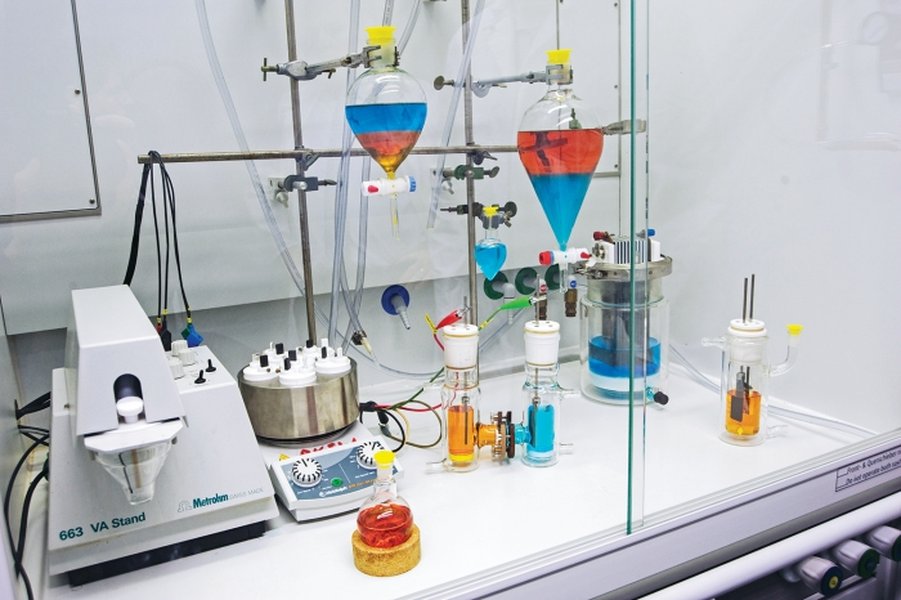
Conceptual representation of electrochemical processes relevant to organic synthesis and potential oxidation reactions.
Role of Electrochemical Oxidation
Electrochemical oxidation provides the energy needed to initiate these decomposition pathways. By applying an electrical potential, electrons are removed from thiourea molecules (or intermediate species), triggering the oxidation cascade. The specific products formed can depend heavily on the applied potential, current density, electrode materials, and solution composition.
Impact of the Acidic Environment (Sulfamic Acid)
Thiourea is generally considered more stable in acidic conditions compared to alkaline ones, where it decomposes more readily. Sulfamic acid ( \( \text{H}_3\text{NSO}_3 \) ) provides a stable acidic environment (pH ≈ 1-2) and does not readily hydrolyze under typical conditions. While this acidity helps preserve thiourea against spontaneous decomposition, it doesn't prevent oxidation initiated electrochemically. The acidic medium influences the specific oxidation products formed and their solubility.
Strategies to Maintain Solution Clarity
Preventing the cloudiness involves inhibiting the formation of insoluble oxidation products. This can be achieved primarily through the use of chemical stabilizers (specifically, reducing agents) and careful control over the electrochemical process itself.
The Power of Stabilizers: Introducing Reducing Agents
The most direct way to prevent oxidative decomposition is to introduce substances that preferentially react with the oxidizing species generated electrochemically, or that keep the thiourea in its reduced state. These stabilizers act as antioxidants or reductants.
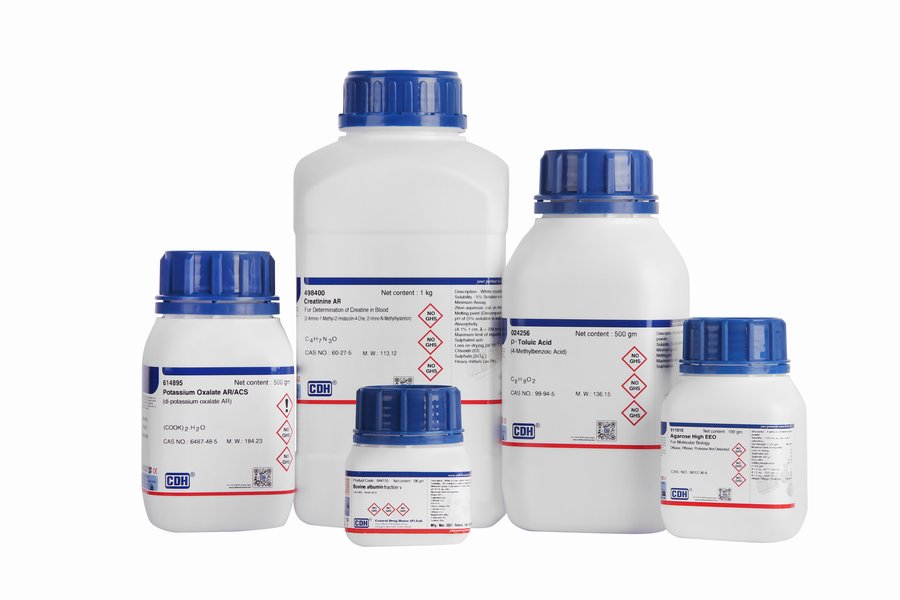
Thiourea, the compound susceptible to oxidation, often requires stabilization in processes involving oxidizing conditions.
Sodium Sulfite ( \( \text{Na}_2\text{SO}_3 \) ) and Sodium Metabisulfite ( \( \text{Na}_2\text{S}_2\text{O}_5 \) ): The Go-To Solution
Sodium sulfite and its related compound, sodium metabisulfite (which forms sulfite ions in solution), are widely recognized and effective stabilizers for thiourea in acidic media, particularly in metallurgical applications like gold and silver leaching. They function as mild reducing agents:
- They scavenge oxidizing species (like electrochemically generated radicals or intermediates) before they can attack the thiourea molecule.
- They help maintain a lower redox potential in the solution, disfavoring thiourea oxidation.
Studies have shown that adding small, controlled amounts of \( \text{Na}_2\text{SO}_3 \) or \( \text{Na}_2\text{S}_2\text{O}_5 \) significantly reduces thiourea consumption and prevents the formation of turbidity during oxidative processes. The exact concentration required depends on the specific electrochemical conditions and thiourea concentration, often determined empirically.
Sulfur Dioxide ( \( \text{SO}_2 \) ): Another Effective Reductant
Sulfur dioxide ( \( \text{SO}_2 \) ), often introduced as a gas or in solution (e.g., from dissolving sulfites), also acts as a potent reducing agent in acidic environments. It effectively counteracts oxidative stress on thiourea.
- \( \text{SO}_2 \) reacts readily with many oxidants.
- It has been employed in "oxidation-free" thiourea leaching processes to minimize decomposition.
Controlling the addition of \( \text{SO}_2 \) (e.g., by bubbling the gas or adding a sulfite source) can create a protective reducing environment, maintaining solution clarity during electrochemical oxidation.
Controlling the Electrochemical Process
Chemical stabilization should ideally be combined with careful control of the oxidation process itself.
Fine-Tuning Potential and Current Density
Over-oxidation is a key factor in forming unwanted byproducts. By carefully controlling the electrochemical parameters:
- Potential: Operate at the lowest potential sufficient for the desired reaction, avoiding potentials that excessively oxidize thiourea.
- Current Density: Lower current densities often lead to more selective reactions and less byproduct formation.
Optimizing these parameters can significantly reduce the rate of thiourea decomposition and subsequent cloudiness.
Importance of Monitoring
Monitoring the process through techniques like measuring redox potential or analyzing product formation can help in adjusting conditions in real-time to maintain stability.
Managing Other Factors
Maintaining Optimal Acidity
While sulfamic acid provides acidity, ensure the pH remains consistently within the optimal range for thiourea stability (strongly acidic, e.g., pH 1-2) throughout the process. Fluctuations could impact decomposition rates.
Considering Complexing Agents
If trace metal ions are present in your system (either from reactants, electrodes, or contamination), they might catalyze the oxidation of thiourea. In such cases, adding a suitable chelating agent could potentially sequester these metal ions and reduce unwanted catalytic oxidation. However, this is secondary to using direct reductant stabilizers like sulfites.
The Role of Ferric Ions ( \( \text{Fe}^{3+} \) ): A Cautious Approach
Some sources mention ferric ions ( \( \text{Fe}^{3+} \) ), often from ferric sulfate, in the context of thiourea solutions. The role is somewhat ambiguous in the literature:
- Some studies use \( \text{Fe}^{3+} \) as a controlled *oxidant* in thiourea leaching processes.
- Answer D suggests \( \text{Fe}^{3+} \) can act as a *stabilizer* by preventing decomposition.
- Answer B warns that while \( \text{Fe}^{3+} \) can be a compatible oxidant at low concentrations, excessive amounts can *promote* turbidity.
Given that your problem stems from *oxidation*, adding another oxidant like \( \text{Fe}^{3+} \) requires extreme caution. It might potentially regulate the oxidation pathway to favor more soluble products or form a stable complex, but it could easily exacerbate the problem if not precisely controlled. Relying on reducing stabilizers (sulfites, \( \text{SO}_2 \) ) is generally a safer and more direct approach to prevent oxidation-induced cloudiness.
Visualizing Stabilization Strategies
The following chart provides a comparative overview of the primary strategies discussed for preventing thiourea oxidation and cloudiness, based on factors like effectiveness, ease of implementation, and potential drawbacks.
This chart compares different approaches based on generalized assessments. Sulfites and \( \text{SO}_2 \) score highly on effectiveness and compatibility, while requiring moderate control. Electrochemical control is crucial but implementation can be complex. Cautious use of \( \text{Fe}^{3+} \) has higher control requirements and inherent risks.
Mindmap: Navigating Thiourea Stabilization
This mindmap illustrates the core problem, the underlying causes, and the key solution pathways discussed for preventing cloudiness in your thiourea/sulfamic acid system during electrochemical oxidation.
during Electrochemical Oxidation"] id1["Cause: Thiourea Oxidation"] id1a["Formation of Insoluble Products"] id1a1["Sulfur/Nitrogen Oxides"] id1a2["Sulfenic/Sulfinic Acids"] id1a3["Colloids/Precipitates"] id1b["Role of Electrochemical Process"] id1c["Influence of Acidic Medium (Sulfamic Acid)"] id2["Solution: Stabilization & Control"] id2a["Chemical Stabilizers (Reducing Agents)"] id2a1["Sodium Sulfite (Na2SO3)"] id2a2["Sodium Metabisulfite (Na2S2O5)"] id2a3["Sulfur Dioxide (SO2)"] id2b["Process Control"] id2b1["Electrochemical Parameters
(Potential, Current Density)"] id2b2["Maintain Strong Acidity (pH)"] id2b3["Monitoring (e.g., Redox)"] id2c["Other Considerations"] id2c1["Chelating Agents (If Metals Present)"] id2c2["Ferric Ions (Fe3+) - Use Cautiously!"] id2c3["Avoid Strong Oxidants (e.g., H2O2)"]
The mindmap highlights that addressing the root cause (oxidation) involves using specific chemical stabilizers (primarily reducing agents like sulfites or \( \text{SO}_2 \) ) and carefully controlling the electrochemical process and other factors like acidity.
Summary Table: Recommended Stabilizers
This table summarizes the key features of the most recommended stabilizers for preventing thiourea oxidation and cloudiness in your acidic electrochemical system.
| Stabilizer | Chemical Formula | Mechanism of Action | Advantages | Considerations |
|---|---|---|---|---|
| Sodium Sulfite | \( \text{Na}_2\text{SO}_3 \) | Acts as a reducing agent; scavenges oxidants/radicals. | Widely used and documented (esp. in metallurgy); effective in acidic media; readily available solid. | Requires careful dosage control; byproduct is sulfate. |
| Sodium Metabisulfite | \( \text{Na}_2\text{S}_2\text{O}_5 \) | Hydrolyzes to form bisulfite/sulfite ions, acting as a reducing agent. | Similar effectiveness to sodium sulfite; stable solid form. | Dosage control needed; effectively acts like sulfite in solution. |
| Sulfur Dioxide | \( \text{SO}_2 \) | Acts as a strong reducing agent in acidic solutions. | Very effective reductant; used in "oxidation-free" processes. | Requires handling of gas or controlled addition (e.g., via sulfite dissolution); potential respiratory irritant. |
Choosing between these depends on availability, handling requirements, and the specifics of your experimental setup. Sulfites are often preferred for ease of handling as solids.
Frequently Asked Questions (FAQ)
What concentrations of stabilizers like sodium sulfite should I use? ▼
The optimal concentration is system-dependent and often needs empirical determination. It depends on the thiourea concentration, the intensity of the electrochemical oxidation (current density, potential), temperature, and other solution components. As a starting point, literature from related fields (like gold leaching) might suggest molar ratios relative to thiourea or concentrations in the range of grams per liter (e.g., 1-10 g/L), but you should conduct small-scale tests to find the minimum effective concentration for your specific conditions to avoid excess reagent use.
Can I use other reducing agents besides sulfites or SO2? ▼
Possibly, but sulfites and \( \text{SO}_2 \) are well-documented for this purpose in acidic thiourea systems. Other reductants might work, but you would need to consider their compatibility with your electrochemical process, their reduction potential relative to thiourea, potential side reactions, and effectiveness in the specific acidic (sulfamic acid) environment. Common strong reductants might interfere with the intended electrochemical process or be unstable. Sticking with proven stabilizers like sulfites is generally recommended unless specific reasons warrant exploring alternatives.
Why is avoiding strong oxidants like hydrogen peroxide important? ▼
Strong oxidants like hydrogen peroxide ( \( \text{H}_2\text{O}_2 \) ) react vigorously and often non-selectively with thiourea. This leads to rapid and uncontrolled decomposition, producing a wide range of oxidation products, significantly increasing the likelihood of forming insoluble species and causing severe cloudiness or precipitation. Your issue arises from electrochemical *oxidation*, so adding another strong *chemical* oxidant would likely worsen the problem significantly, rather than stabilize the solution.
Is the cloudiness definitely harmful to my process? ▼
Cloudiness indicates the formation of solid or colloidal particles. This usually signifies decomposition of your reactant (thiourea), reducing its effective concentration and potentially leading to lower yields or efficiency in your desired electrochemical reaction. Furthermore, the precipitates could coat electrodes, hindering the electrochemical process, or interfere with downstream analysis or processing steps. Therefore, preventing cloudiness is generally desirable for maintaining process control, efficiency, and reproducibility.
References
- Study on Decomposition Characteristics and Stability Enhancement Technology of Thiourea in Acidic Medium - MDPI
- Thiourea Leaching of Gold & Silver Ores - 911Metallurgist
-
Improving the stability of thiourea leaching of refractory gold concentrate by Na2SO3 and hydroacoustic emitter - ScienceDirect
-
Thiourea - an overview | ScienceDirect Topics - ScienceDirect
- Oxidation of Thiourea and Substituted Thioureas - ResearchGate
- Thiourea applying in textile industry and methods of its removal from industrial effluents - Environment Protection Engineering
- THIOUREA - CICADs | INCHEM
Recommended
Last updated April 17, 2025