
Understanding Price Dynamics in Markets
A comprehensive exploration of price in finance and economics
Key Highlights
- Market Fluctuations: Explores how stock prices move in response to economic indicators and global events.
- Price Functions: Discusses the role of price in resource allocation, signaling, and market stabilization.
- Broader Implications: Provides insights on pricing across various sectors including consumer goods and trade policies.
Defining Price in Economic and Financial Contexts
The term price generally refers to the amount of money or other payment required in exchange for goods or services. In finance and economics, a price is not only a numerical indicator but also a signal that conveys essential information regarding value, scarcity, and demand. Whether we discuss the stock market, consumer products, or commodities, price forms the central pivot around which transactions and resource allocations revolve.
Core Functions and Concepts of Price
Transmitting Information
Prices serve as an immediate metric of value, communicating the worth of goods and services based on supply and demand. When market dynamics change, price adjusts accordingly to reflect shortages, surpluses, or shifts in consumer sentiment.
Incentivizing Production
Higher prices often incentivize producers to allocate more resources towards the production of sought-after goods, while lower prices may signal the need to reduce output. This balancing act ensures that scarce resources are optimally directed towards where they are most valuable.
Directing and Rationing Resources
Prices help in the allocation and distribution of resources. In well-functioning markets, they ensure that goods flow to where the highest value is placed by consumers. Prices also act as a mechanism of rationing; when demand outstrips supply, rising prices prevent overconsumption and encourage conservation.
Price Dynamics in the Stock Market
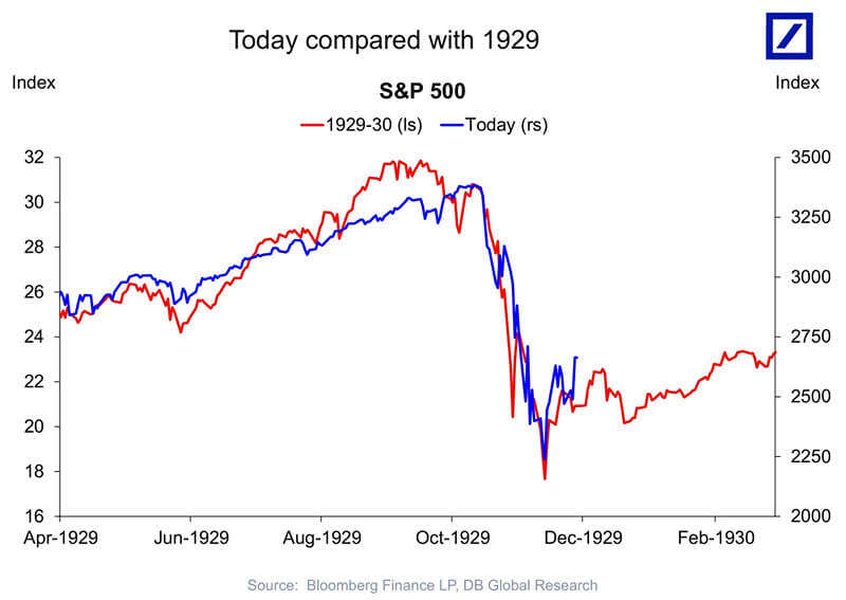
In the context of stock markets, price specifically relates to the market valuation of a company’s stock. These prices are determined by multiple factors including economic indicators, market sentiment, corporate performance, and government policies. A recent analysis of the market reveals several instances where price fluctuations have had significant impacts:
- Index Movements: The United States stock market experienced a decrease, with a fall of 294 points or 5.00% from the beginning of the year, linked to geopolitical developments, like suggestions of tariff flexibility by influential policymakers.
- Key Indices: Alongside the DJIA, major indices like the S&P 500 and Nasdaq have shown differing trends. For example, the DJIA saw an increase of 485.60 points (1.14%) from the previous day, highlighting volatility fueled by shifting investor sentiment.
- Specific Stocks: Individual companies such as Apple Inc., Live Nation, and PVH have experienced notable price movements based on their earnings, market outlooks, and external economic influences.
Case Study: Apple Inc. Stock Price
The detailed snapshot of Apple Inc. showed a current stock price of $222.13 with fluctuations during the trading day. These variations—a market day high of $224.97 and a low of $216.24—demonstrate the inherent volatility in equity markets. Changes post-market further refine this dynamic, as reflected in the slight adjustments in after-hours trading.
Market Sentiment and External Influences
Price is also heavily influenced by investor sentiment, which can be swayed by factors such as:
- Economic indicators like interest rates and inflation expectations.
- Geopolitical events including trade policies and tariff debates.
- Corporate news that affects investor confidence and earnings forecasts.
Analyzing Market Data: A Visual Perspective
The following radar chart provides a visual representation of several key market factors that influence price dynamics. The radar chart below integrates multiple datasets such as market volatility, investor sentiment, external geopolitical influence, and economic indicators. Such a visualization aids in understanding how these interrelated factors contribute to the overall movement in stock prices.
Economic and Financial Factors Influencing Prices
Prices in both consumer markets and financial markets are multifaceted. They are affected by a range of economic theories including supply and demand, cost of production, and government regulations.
Supply and Demand Effects
The balance between supply and demand is a primary determinant of price. When demand increases and supply remains constant, prices tend to rise. Conversely, if supply increases without a corresponding rise in demand, prices may fall. This simple relationship affects everything from the cost of everyday goods to the valuation of stocks.
Government Policies and Tariffs
Government intervention in the form of tariffs, subsidies, and regulatory measures can also significantly impact prices. For example, recent discussions around tariff flexibility, as hinted by prominent policymakers, have led to short-term fluctuations in the U.S. stock market. Changes in these policies can shift investor sentiment and alter the pricing landscape across sectors.
Geopolitical and Global Market Dynamics
Global events such as international trade negotiations and political changes contribute to the dynamic pricing environment. When major economies face uncertainty, stock prices can be volatile, reflecting investor anxiety about future performance. Such global interactions underline how interconnected economic sectors are on an international stage.
Comparative Analysis: Stock Prices of Major Indices and Companies
The table below provides a comparative snapshot of key stock market indices and notable company stock prices as of early April 2025. This table consolidates essential data points that illustrate the diversity of price influences in the market.
| Index / Company | Current Price | Recent Change | Commentary |
|---|---|---|---|
| DJIA | 43,006.59 | +485.60 (1.14%) | Reflects short-term recovery amid tariff debates |
| S&P 500 | 5,611.85 | Varied; mixed signals | Indicative of broader market trends |
| Apple Inc. (AAPL) | $222.13 | Fluctuating intra-day | Shows daily volatility and investor sentiment |
| PVH | Noted Increase | Positive outlook | Driven by optimistic fiscal guidance |
| Live Nation | Variable | Under watch | Impacted by potential regulatory actions |
Price as a Broader Economic Indicator
Beyond individual stock market indicators, the concept of price serves as a broad economic indicator. In retail environments, price points determine consumer purchasing decisions by signaling value and quality. For producers, pricing strategies are essential to both capture market share and maximize revenue. In many respects, the micro-level analysis of stock prices parallels the macro-level dynamics observed in consumer markets.
Consumer Goods and Services Price Trends
In everyday consumer transactions, prices are influenced by production costs, competition, and market demand. Retailers and wholesalers continuously adjust prices to reflect changes in costs and regulatory frameworks, ensuring that the products remain competitive while still providing margins that sustain business operations.
Digital Assets and Emerging Markets
As the market evolves, we also see new forms of assets--such as digital currencies--where price determination follows similar underlying economic principles. Though subject to additional volatility due to regulatory uncertainty and technological factors, the fundamentals of supply and demand remain central.
Visual Mindmap of Price Dynamics
The illustrated mindmap below provides an overview of the relationship between various factors that affect price. This diagram is designed to visually represent how market sentiment, government policies, global influences, and consumer behavior interact, ultimately influencing pricing strategies across different sectors.
Embedded Video: Market Insights on Price Fluctuations
For a more dynamic explanation of current market trends and their impact on price fluctuations, the video below offers insights into recent market movements, tariff influences, and investor sentiment. This analysis is particularly relevant for understanding how abrupt policy changes may correlate with market volatility.
FAQ Section
What is the significance of price in the stock market?
How do economic indicators affect prices?
What role do tariffs play in pricing?
References
- United States Stock Market - Trading Economics
- NYSE Market Overview - NYSE
- Yahoo Finance - Financial News
- CNBC Markets - CNBC
-
Reuters Markets - Reuters
Recommended Queries for Further Exploration
Last updated April 1, 2025