
Principles of Effective Communication and Globalization
Understanding Global Integration Through Communication
Key Highlights
- Effective communication involves clarity, active listening, and understanding non-verbal cues, forming a foundation for mutual understanding.
- Globalization is a multifaceted process increasing the interconnectedness of individuals, groups, companies, and countries.
- Human integration within globalization involves both widening social cooperation and addressing inequalities for meaningful global equity.
In today's interconnected world, understanding the principles of effective communication and the concept of globalization is more critical than ever. Effective communication ensures that messages are conveyed clearly and understood, while globalization drives the integration of societies, economies, and cultures on a worldwide scale.

Effective Communication in Diverse Environments
Principles of Effective Communication
Effective communication is the cornerstone of meaningful relationships and successful outcomes, both personally and professionally. It fosters understanding, resolves conflicts, motivates change, boosts engagement, and transmits critical information clearly. Mastering core principles can vastly improve one’s communication abilities.
Core Principles for Successful Interactions
Several core principles underpin effective communication. These principles serve as guiding mechanisms for how we interact with others, build stronger relationships, and have more productive conversations.
- Clarity: Ensure your message is clear and concise, avoiding ambiguity and misunderstandings. Use simple language and avoid jargon that others may not understand.
- Conciseness: Communicate your message in as few words as possible. Short, punchy statements are often more effective than rambling prose.
- Correctness: Ensure that the information you are communicating is accurate and factual. Proofread written messages carefully to avoid errors.
- Coherence: Ensure your communications are logical and consistent. If your communications are not coherent, they will not be effective.
- Completeness: Provide all necessary information to the recipient. A complete message ensures that the receiver does not need additional information to understand the message.
- Courteousness: Be polite and respectful in your communication. Showing your audience that you respect them can increase the effectiveness of your communications.
- Active Listening: Pay attention to the speaker, understand their message, and provide feedback. Active listening is a key component of mutual understanding.
- Empathy: Understand and share the feelings of others. Empathy helps to build trust and rapport.
The Seven C's of Communication
The "Seven C's of Communication" are a set of principles that ensure your messages are effective and well-received:
- Clear: Be clear about the purpose of your message.
- Concise: Keep your message brief and to the point.
- Concrete: Use specific facts and figures.
- Correct: Ensure your information is accurate.
- Coherent: Make sure your message is logical.
- Complete: Include all necessary information.
- Courteous: Be friendly and respectful.
Additional Principles for Enhanced Communication
Beyond the core principles and the Seven C's, several other elements contribute to effective communication:
- Attention and Style: Capture and maintain the audience's attention through engaging content and delivery.
- Timeliness and Urgency: Communicate information when it is most relevant and necessary.
- Importance of Feedback: Encourage and listen to feedback to improve future communications.
- Integrity: Maintain ethical standards and transparency in all communications.
- Adaptability: Adjust your communication style to suit the audience and medium.
Globalization as Worldwide Integration of Humanity
Globalization refers to the increasing interaction and integration among countries, cultures, economies, and political systems. This process is often driven by advancements in technology and international trade.
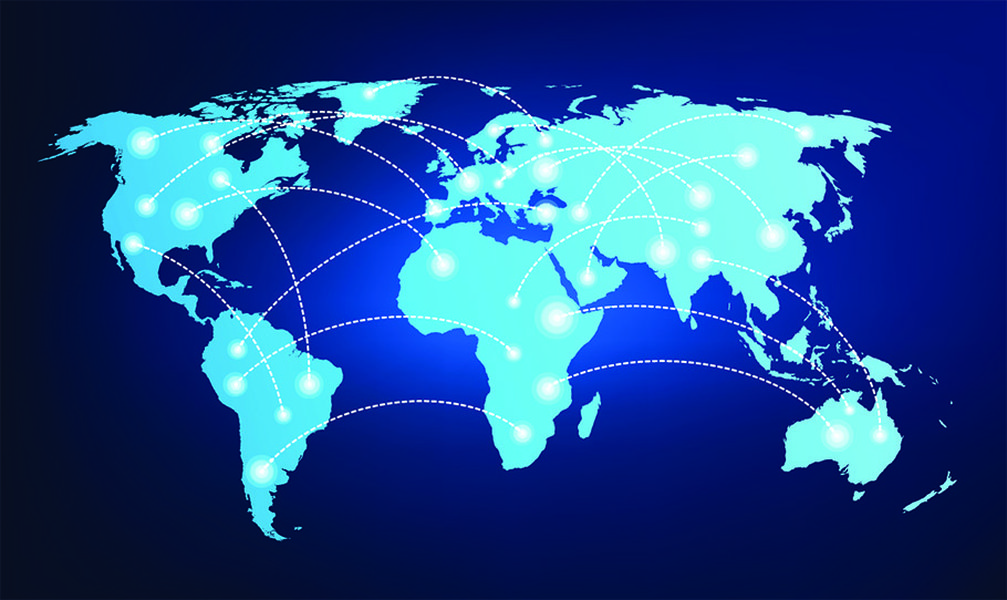
Global Network Connections
Key Aspects of Globalization
Globalization encompasses various dimensions, including economic, social, political, and cultural aspects:
- Economic Globalization: Increased flow of trade, capital, and investments across borders.
- Social Globalization: Exchange of ideas, information, and cultural values among different societies.
- Political Globalization: Growing cooperation and interconnectedness of political systems.
- Cultural Globalization: Spread of cultural products and practices worldwide.
Impact of Globalization on Human Integration
Globalization significantly impacts human integration, leading to both opportunities and challenges:
- Increased Interconnectedness: Globalization connects individuals on a scale more expansive in scope and temporally compressed than ever before.
- Spread of Knowledge and Technology: Globalization helps spread knowledge and technology across borders.
- Cultural Exchange: It fosters cultural exchange and understanding among different societies.
- Economic Development: Globalization can contribute to economic growth and development in developing countries.
Challenges of Globalization
Despite its benefits, globalization also presents challenges:
- Inequality: Globalization can exacerbate income inequality within and between countries.
- Cultural Homogenization: The dominance of certain cultures can lead to the loss of local traditions and diversity.
- Environmental Concerns: Increased economic activity can lead to environmental degradation.
- Xenophobia: Globalization can reinforce parochialism by strengthening the demarcation between one's ethnic, local, or national group and the outgroup.
Globalization and Communication
Effective communication plays a crucial role in navigating the complexities of globalization. It helps bridge cultural gaps, fosters understanding, and facilitates collaboration on a global scale. In a globalized world, the ability to communicate clearly and effectively across cultures is essential for success.
Globalization: Connecting the World - Prim Chandavasu
This video by Prim Chandavasu discusses how the world is becoming more interconnected and examines the question of embracing modernity and globalization. This is relevant because it visually and conceptually explains the driving forces behind globalization and its impact on worldwide integration.
Globalization, Human Development, and Integration
Globalization's influence on human development varies across different income groups and regional economic blocs. Countries that cooperate and facilitate globalization through free trade, international business, and financial integration often experience more human development.
The integration of human resources in the era of globalization is vital for organizational success. Effective communication is essential for managing human resources and achieving organizational goals in a globalized environment. This requires addressing challenges related to cultural differences, communication styles, and technological infrastructure.
Illustrative Examples
To further illustrate the principles of effective communication and the impact of globalization, consider the following examples:
-
Multinational Corporations: Companies operating globally must ensure clear and consistent communication across different cultures and languages. This includes adapting communication styles, providing training on cultural sensitivity, and using technology to facilitate communication.
-
International Organizations: Organizations like the United Nations rely on effective communication to address global issues such as climate change, poverty, and human rights. This requires clear and concise messaging, active listening, and collaboration with diverse stakeholders.
-
Educational Institutions: Universities and colleges are increasingly offering online courses and programs to students around the world. Effective communication is essential for creating inclusive and engaging learning environments that cater to diverse learning styles and cultural backgrounds.
Communication Styles and Globalization
Globalization amplifies the importance of understanding diverse communication styles. Different cultures have unique approaches to communication, and being aware of these differences can enhance understanding and collaboration.
Table: Cross-Cultural Communication Styles
Understanding cultural differences in communication styles is crucial for effective global interactions. The table below summarizes key differences across various dimensions:
| Dimension | High-Context Cultures (e.g., Japan, China) | Low-Context Cultures (e.g., United States, Germany) |
|---|---|---|
| Communication Style | Indirect, implicit, relies on nonverbal cues | Direct, explicit, relies on verbal communication |
| Emphasis | Relationships, trust, long-term connections | Efficiency, clarity, short-term goals |
| Decision-Making | Consensus-oriented, group decisions | Individualistic, quick decisions |
| Feedback | Subtle, indirect criticism | Direct, constructive criticism |
| Formality | Formal, hierarchical | Informal, egalitarian |
FAQ
What are the key principles of effective communication?
The key principles include clarity, conciseness, correctness, coherence, completeness, courteousness, active listening, and empathy. These principles ensure that messages are understood and well-received.
How does globalization impact human integration?
Globalization increases interconnectedness, spreads knowledge and technology, and fosters cultural exchange. However, it can also lead to inequality, cultural homogenization, and environmental concerns.
Why is effective communication important in a globalized world?
Effective communication is crucial for bridging cultural gaps, fostering understanding, and facilitating collaboration on a global scale. It is essential for managing human resources and achieving organizational goals in a globalized environment.
What are the challenges of globalization?
Challenges include inequality, cultural homogenization, environmental concerns, and xenophobia. These issues require careful management and policy interventions to ensure equitable outcomes.
How can organizations improve cross-cultural communication?
Organizations can provide training on cultural sensitivity, adapt communication styles, use technology to facilitate communication, and promote diversity and inclusion in the workplace.
References
Last updated April 14, 2025