
Comparing Inkjet vs Toner Printing: Unraveling the Key Differences
A detailed comparative analysis of inkjet and toner-based digital printing technologies
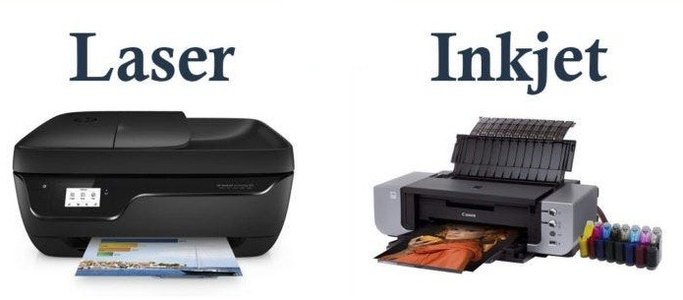
Key Highlights
- Printing Technology: Inkjet uses liquid ink; toner-based employs a dry powder process with heat and electrostatic charge.
- Quality & Speed: Inkjet excels in vibrant, photo-quality prints at moderate speeds, while toner printing offers quick, crisp, high-volume document output.
- Cost & Applications: Inkjet printers have a lower upfront cost but higher recurring ink expenses, whereas toner-based printers deliver cost efficiency in high-volume environments.
Overview of Printing Technologies
Both inkjet and toner-based digital printers have distinct characteristics regarding how images and text are produced on paper. Inkjet printers function by spraying liquid ink through microscopic nozzles that deposit ink droplets directly onto paper. In contrast, toner-based printers, commonly known as laser printers, rely on a different mechanism whereby a laser creates an image on a photoconductive drum that attracts toner particles—essentially a dry powder—which are then fused onto paper through heat.
Inkjet Printing Technology
Process and Materials
Inkjet printing utilizes a series of tiny nozzles that precisely deliver liquid ink onto a variety of media. Using thermal or piezoelectric mechanisms, these printers create small droplets that merge to form images and text. Because the ink is liquid, its application allows for smooth gradients and a broad color gamut, making it the preferred choice for photo printing and projects that require intricate color details.
Advantages
- Cost and Versatility: With generally lower initial purchase prices, inkjet printers are accessible for home and small business users. They can handle various paper types and sizes, including glossy photo paper and matte document stock.
- Photo and Color Quality: The liquid ink system is highly effective at blending colors, producing prints that are excellent for photographs and creative projects.
- Speed in Specific Applications: Certain advanced inkjet systems can achieve high speeds with multiple nozzles and integrated drying systems, particularly beneficial in digital press environments.
Limitations
- Maintenance Issues: Inkjet printers may require regular usage to prevent ink from drying up and clogging the nozzles. This can be particularly problematic if the printer is left idle.
- Cost Over Time: While the upfront cost is lower, the expense of replacement ink cartridges can accumulate, especially in high-volume print situations.
- Print Speed: For very large print runs, certain inkjet systems may be slower than their toner-based counterparts unless specifically designed for high-speed production.
Toner-Based (Laser) Printing Technology
Fundamentals of Toner Printing
Process and Mechanism
Toner-based printers work on the principle of electrostatics. A laser beam projects an image onto a photoconductive drum. The areas of the drum that are hit by the laser lose their charge, allowing fine toner particles to attach to the charged zones. The toner is then transferred onto paper and fixed in place by heat and pressure. This dry powder, once fused to the paper, provides fast, precise, and durable prints, particularly suitable for documents and high-volume work.
Advantages
- High-Speed Printing: Toner-based printers are engineered for rapid printing, which makes them ideal for office environments with substantial document output. Their efficiency at printing high volumes quickly is a major strength.
- Sharp Print Quality: The precision application of toner results in crisp, clear text and well-defined graphics. This is particularly valuable for business documents and professional reports.
- Cost Efficiency for Heavy Use: Despite a higher initial investment in the printer, toner cartridges generally yield a larger number of printed pages compared to inkjet cartridges. This leads to a lower cost per page for high-volume print jobs.
Limitations
- Initial Expense: Unlike inkjet printers, toner-based systems usually come at a higher upfront price, which can be a barrier for some users.
- Complexity and Maintenance: Although toner cartridges have a longer shelf life and are less prone to issues like drying out, the technology involved is more complex, potentially increasing maintenance requirements over time.
- Adaptability in Media Handling: While modern toner printers have improved, they are sometimes less versatile in handling a wide variety of media types compared to their inkjet counterparts.
Comparative Analysis
Print Quality and Color Range
Inkjet printers are renowned for their ability to deliver vibrant and detailed color prints, which makes them particularly attractive for photo printing and intricate graphics. Their ability to create smooth gradients and subtle color transitions is unmatched. Toner-based printers, while excellent for sharp text and professional document printing, may sometimes produce prints that, though precise, lack the nuanced color vibrancy of inkjet systems when it comes to custom photo reproduction. However, modern toner printers have made significant improvements, achieving impressive color reproduction and consistency for high-volume outputs.
Speed and Production Efficiency
When it comes to speed, toner-based printing generally leads the field for large-scale printing tasks. Toner printers process pages quickly, making them ideal for environments where high output in short periods is essential. Although advanced inkjet systems—especially those used in digital press environments—can reach high speeds by employing multiple nozzles and dedicated drying systems, typical inkjet printers used in homes or small offices are slower relative to toner-based systems. The choice between speed and color fidelity often determines the ideal technology for different applications.
Cost Considerations
The cost analysis between inkjet and toner printing is multifaceted. Inkjet printers typically boast a low purchase price, making them accessible to a wide range of users. However, the cost of replacement ink cartridges can be substantial, particularly for users who print frequently. Toner-based printers, on the other hand, involve a higher initial investment but benefit from a lower cost per page over time due to the higher yield of toner cartridges. For businesses and environments with heavy document printing, the long-term savings achieved with toner-based systems can be significant.
Practical Applications and Use Cases
The application of either technology generally depends on the specific needs of the user. Inkjet printers are favored in scenarios that demand high-quality color output such as photographic prints, marketing materials, and brochures. Their versatility also makes them a popular choice for home use where varied media types are often required. Conversely, toner-based printers shine in professional settings and environments requiring high-volume output, such as offices, schools, and print shops. The precision and durability of toner prints are particularly advantageous for document retention and professional reports.
Feature Comparison Table
| Aspect | Inkjet Printing | Toner-Based Printing |
|---|---|---|
| Technology | Liquid ink sprayed via nozzles; advanced techniques like thermal and piezoelectric. | Dry toner powder applied through electrostatic attraction and fused by heat. |
| Print Quality | Superior for photographic and color-rich images with smooth gradients. | Exceptional for crisp text and high-definition documents; improved color reproduction in modern models. |
| Speed | Moderate to high speed, with advanced systems achieving fast production via multiple nozzles. | Typically faster, especially for high-volume, office-type document printing. |
| Cost Efficiency | Lower initial cost; higher recurring ink expense for frequent use. | Higher upfront cost; cost-effective over time with higher page yields per cartridge. |
| Maintenance | Requires regular use to avoid ink drying and nozzle clogs. | Lower maintenance frequency; toner cartridges have long shelf lives, though the process may be more complex. |
| Applications | Ideal for photo printing, creative projects, and variable media applications. | Best for document printing, office use, and high-volume commercial printing. |
Environmental and Long-Term Considerations
Sustainability and Recycling
Both inkjet and toner-based printers have environmental implications. Typically, toner cartridges are designed for extended use and are often easier to recycle, which can lessen their overall environmental impact. Inkjet cartridges, on the other hand, may require more frequent replacement and thus generate more waste in the long run. Advances in recycling technologies and corporate sustainability initiatives are working to reduce the environmental footprint of both types of printing systems.
Scalability and Business Needs
In high-volume business environments, the scalability of the printing solution is a key factor. Toner-based printing systems often outperform inkjet machines when large quantities are needed quickly. The reliability, speed, and longevity of toner cartridges make laser printers particularly attractive for businesses. Conversely, for applications requiring high color fidelity and detailed photographic reproductions, such as marketing campaigns or design projects, inkjet systems offer unparalleled versatility.
Additional Technical Considerations
Durability and Fusing Process
A major technical distinction lies in the fusing process inherent in toner-based printers. The heat and pressure fusing of toner particles to the paper produce durable prints that resist smudging and water exposure—a critical quality for long-lasting official documents. Inkjet prints, while typically not as durable in terms of water resistance and longevity without specific coatings, can be enhanced by selecting specialized papers or protective finishes.
Technological Evolution
Over the years, both technologies have seen significant improvements. Inkjet technology continues to advance with increased nozzle precision, better color management, and integrated drying technologies that mitigate slow speeds. Similarly, laser printing technology has evolved with improvements in toner formulation and electrostatic imaging, leading to sharper outputs and reduced operating costs. Organizations must consider these evolving factors, as today's systems are significantly different from earlier models in both functionality and cost-effectiveness.
References
-
HP Tech Takes - HP
- ITPro - ITPro
- Toner Master - Toner Master
- Brother USA - Brother USA
- PI World - PI World
Recommended Related Queries
Last updated March 27, 2025