
Exploring the Differences Between Inkjet and Toner-Based Printing
A detailed examination of technologies, costs, and print applications
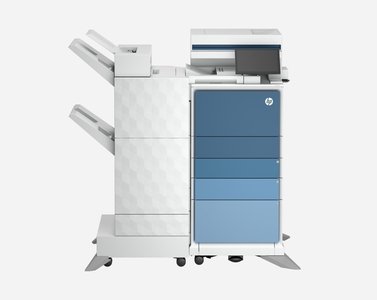
Key Highlights
- Cost Efficiency: Balancing upfront costs with long-term consumption expenses.
- Print Quality: Differentiating between vibrant color images and crisp text output.
- Operational Speed & Maintenance: Comparing production speed and ease of upkeep.
Overview of Technologies
The digital paper printing landscape features two dominant printing technologies: inkjet and toner-based (laser) systems. Each system utilizes a fundamentally different mechanism for transferring images and text onto paper, resulting in distinct advantages and potential drawbacks. In this discussion, we analyze their mechanisms, print quality, cost dynamics, speed, durability, and media capabilities.
Inkjet Printing Machinery
Technology and How It Works
Inkjet printers work by propelling liquid ink through minuscule nozzles directly onto the paper. Modern inkjet printers often implement thermal or piezoelectric technologies to produce high-resolution images. Thermal inkjet systems heat the ink to generate vapor bubbles that force droplets out of the nozzle, while piezoelectric systems use crystal changes to produce the same effect.
Advantages
- High-Quality Color Output: The liquid ink allows for a continuum of colors and detailed shading, making them ideal for photos and graphics.
- Cost-Effective Initial Investment: Typically, inkjet printers have a lower purchase price, making them attractive for home offices and small businesses.
- Media Versatility: They can print on a wide variety of paper types, textiles, and specialized printing materials, which adds to their adaptability in creative and industrial applications.
Limitations
- Maintenance Issues: Regular usage is essential to avoid clogging of nozzles. Infrequent use leads to dried ink and potential blockages, requiring cleaning cycles or replacement of print heads.
- Higher Operating Costs for High Volume: Although the acquisition cost is lower, the ink cartridges used in inkjet systems can be prohibitively expensive over time, especially when printing in large quantities.
- Durability Concerns: Inkjet prints may be more susceptible to fading if exposed to sunlight; however, some modern inks have improved resistance properties.
Toner-Based (Laser) Printing Machinery
Technology and How It Works
Toner-based systems predominantly use laser technology to produce prints. These printers rely on a dry powdered pigment, known as toner, which is electrostatically charged and transferred to a drum. The image is then fused onto the paper through a heating process. This method leads to quick drying times and sharp, durable printouts.
Advantages
- High Output Speed: Laser printing is generally faster than inkjet printing, making these machines ideal for high-volume printing environments such as offices and print shops.
- Superior Text Quality: The precise transfer of toner particles onto paper results in remarkably clear and sharp text, an important criterion for business documents and professional presentations.
- Cost-Effective in High-Volume Scenarios: Despite a higher initial investment, toner cartridges have a significantly lower cost per page. This leads to long-term savings for organizations with heavy printing needs.
- Lower Maintenance Requirements: Laser printers are engineered to endure extended print runs with minimal upkeep compared to the more delicate inkjet components.
Limitations
- Higher Initial Costs: The purchase price for toner-based printers is often higher due to the advanced technology and durability of the machines.
- Media Restrictions: While versatile for standard office paper and heavier stocks, toner printers might be less flexible when it comes to specialized media types that require exceptional color vibrancy.
Detailed Comparative Analysis
Comparing inkjet and toner-based printing requires a look into several key operational and economic factors. The following table summarizes the differences and highlights overlapping areas which can influence decision-making based on specific usage scenarios.
| Aspect | Inkjet Printers | Toner-Based Printers |
|---|---|---|
| Printing Mechanism | Sprays liquid ink through minute nozzles using thermal or piezoelectric methods. | Uses a dry powdered toner fused onto the paper via electrostatic charge and heat. |
| Print Quality | Excellent for detailed, vibrant photos and color graphics. May face issues with dryness and smudging if not properly maintained. | Outstanding for crisp text and high-contrast graphics; produces durable prints less susceptible to smudging. |
| Cost Investment | Low initial cost but with higher recurring costs due to expensive ink cartridges for high volume. | Higher upfront investment balanced by lower cost per page in large volume printing scenarios. |
| Speed | Generally slower, especially over large print runs; improvements have been made in recent advancements. | Typically faster, well-suited for high-volume and continuous printing environments. |
| Maintenance | Requires proactive maintenance to prevent clogged nozzles; risks include dried ink and print head wear. | Lower maintenance needs with enduring components, ideal for prolonged high volume operations. |
| Versatility | Highly adaptable for various media like specialized photo paper, labels, and certain textile types. | Excels primarily on standard office and heavy stock papers though occasionally restricted in specialized applications. |
Practical Use Cases and Final Considerations
Usage Scenarios
Inkjet Solutions
Inkjet printers are highly recommended in scenarios where high-quality color reproduction and versatility are critical. Creative professionals such as photographers, graphic designers, and home office users often benefit from their ability to print on diverse substrates and deliver superior color accuracy. They are perfect for:
- Home printing and personal projects
- Small business marketing materials
- Specialized printing on various paper types and materials
- Arts and craft projects where detailed image reproduction is required
Toner-Based Solutions
Toner-based printers are best suited for environments that demand high-volume, fast, and efficient printing. Their ability to deliver robust text quality and consistent output makes them the choice for:
- Large offices requiring consistent document production
- Print shops, factor printing centers, and corporate environments
- Applications where durability and longevity of the printed material are vital
- Scenarios where the cost per page is a critical component for high output printing
Cost Considerations
One of the most crucial aspects when choosing between inkjet and toner-based printing machinery is cost efficiency. Although inkjet printers are attractive due to their lower acquisition price, intensive printing operations can drive up the overall expenses because of higher ink costs over time. In contrast, toner-based devices, while requiring a steeper initial investment, tend to offer cost savings during high-volume tasks given their efficient use of toner and lower per-page expense.
Maintenance and Durability
Maintenance is another critical factor in assessing the two systems. Inkjet printers may necessitate regular maintenance procedures such as cleaning cycles to prevent nozzle clogging and may also require occasional replacements of print heads. Such regular upkeep might increase overall operational costs and downtime, especially in a busy print environment. On the other hand, toner-based printers are built to handle extended printing runs with minimal servicing, thereby providing a more reliable solution for high-demand settings.
Speed and Productivity
When speed is a priority, toner-based machines hold a distinct advantage over inkjet systems. Laser printing technology, due to its inherent mechanism of fusing toner onto paper swiftly, can support higher productivity, which is pivotal in office settings and production lines. While inkjet printers can achieve competitive speeds with the latest technological advancements, they remain generally slower compared to the high throughput offered by toner-based printers.
Summary Comparison Table
The following table provides a summary of core attributes and a side-by-side comparison of inkjet versus toner-based digital paper printing machinery:
| Feature | Inkjet Printers | Toner-Based Printers |
|---|---|---|
| Printing Mechanism | Uses liquid ink through small nozzles; supports thermal or piezoelectric methods. | Utilizes electrically charged toner powder fused via heat; relies on laser technology. |
| Quality of Output | Superior for photo quality and color gradation; may face occasional smudging and fading. | Excels in sharp text, consistent graphics, and durability, suitable for professional documents. |
| Cost Considerations | Lower purchase cost; higher long-term costs due to frequent ink replacements. | Higher initial investment; lower cost per page in high-output scenarios. |
| Speed | Typically slower, though recent advances have improved output times. | Optimized for fast, bulk printing; well-suited for office and production environments. |
| Maintenance | Requires regular cleaning and may experience nozzle clogging issues. | Requires less frequent maintenance and is engineered for long-term reliability. |
| Media Versatility | Capable of printing on varied mediums including specialized photo paper and textiles. | Best for standard office paper and heavier stocks; may have limitations with unconventional materials. |
References
The insights presented are backed by multiple sources providing comparisons of inkjet and toner-based printing technology:
- Toner-Based Print Systems vs. Inkjet Printing Systems - PSI Engineering
-
Differences Between Printer Toner vs. Ink - HP
- Printer Toner vs. Ink - Canon USA
- Difference Between Ink and Toner - CDW
- Digital Inkjet vs. Toner Presses - PI World
Recommended Queries for Further Exploration
To deepen your understanding of digital printing technologies, consider exploring the following related queries:
Last updated March 26, 2025