
Prison Crowding Experiences
An in-depth exploration into the challenges and implications of prison overcrowding
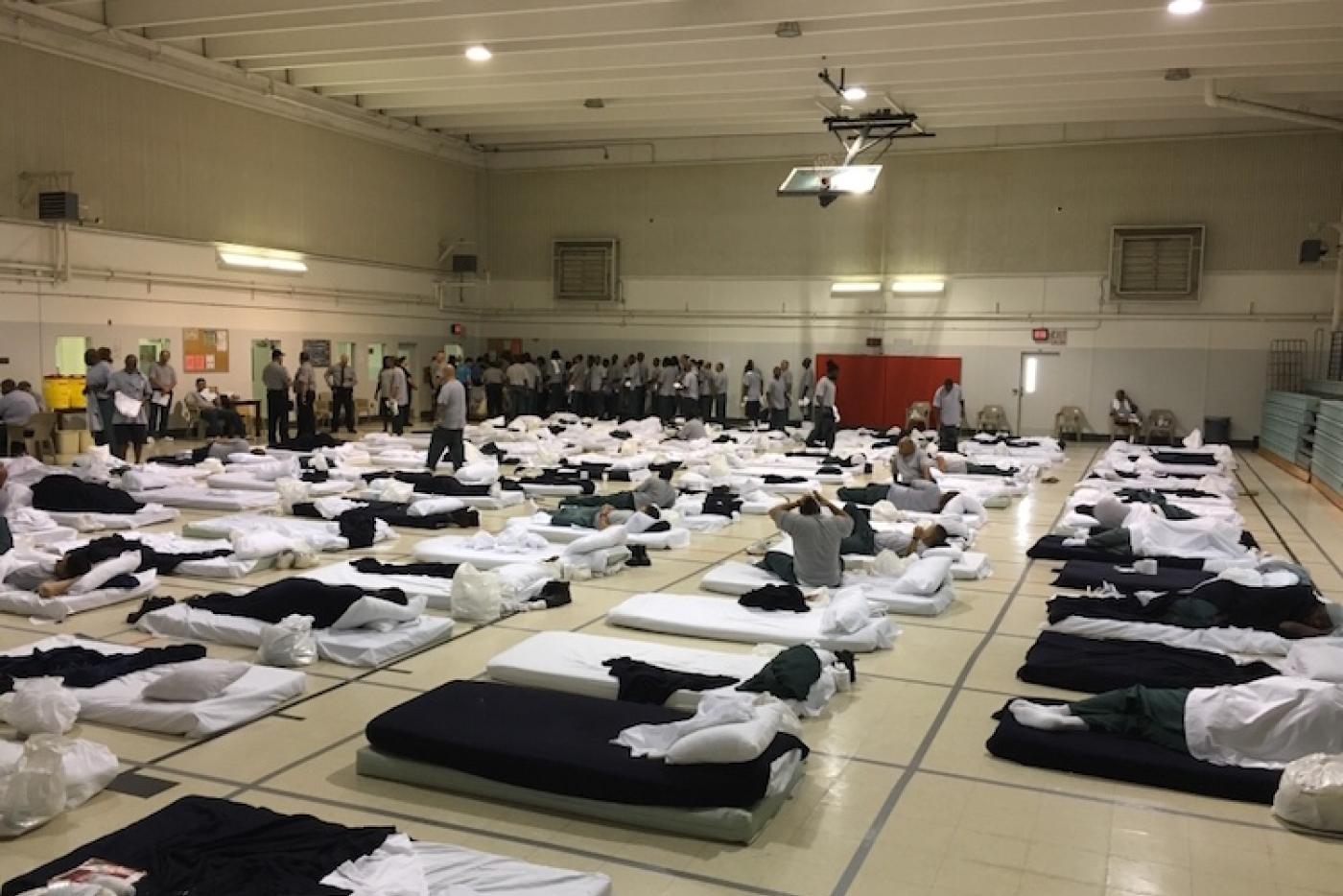
Key Insights
- Impact on Inmate Wellbeing: Overcrowding generates severe mental, physical, and social consequences.
- Causes and Factors: Systemic issues such as rising incarceration rates, limited capacity, and societal factors contribute.
- Institutional and Administrative Challenges: Overcrowded environments complicate management, security, and rehabilitation efforts.
Understanding Prison Crowding
Prison crowding is a critical issue within the criminal justice system, characterized by the excessive concentration of inmates in facilities that exceed their intended capacity. This phenomenon not only impacts the physical and mental health of the inmates but also raises significant legal and operational concerns. Overcrowding has been consistently linked to security challenges, higher rates of violence, and problematic access to rehabilitation services.
What is Prison Crowding?
Prison crowding refers to situations where the number of incarcerated individuals surpasses the prison’s capacity, leading to extreme living conditions. The implications extend beyond cramped conditions; they involve multi-dimensional effects that impact mental health, physical safety, and overall institutional stability.
Factors Contributing to Overcrowding
Several interconnected factors contribute to the problem:
- Increased Incarceration Rates: The surge in sentencing, particularly for drug-related offenses and other non-violent crimes, critically adds to prisoner populations.
- Limited Infrastructure: Many prisons were constructed decades ago and are ill-equipped to handle modern inmate populations.
- Recidivism: An inability to rehabilitate offenders effectively often results in repeated offenses, further burdening the prison system.
- Societal and Economic Factors: Increased poverty, inadequate educational opportunities, and unemployment correlate with higher rates of incarceration, contributing indirectly to crowding.
Legal and Social Implications
From a legal standpoint, prison crowding has raised significant concerns, particularly under the Eighth Amendment which prohibits cruel and unusual punishment. Overcrowded conditions have been argued to violate basic human rights through their adverse psychological and physiological impacts. Socially, these conditions foster environments of hostility, increase stress, and can accentuate feelings of isolation among prisoners.
Impacts of Overcrowding
Health and Psychological Effects
In excessively crowded prison environments, the physical and mental health of inmates is compromised. Research has consistently shown that overpopulated conditions lead to:
- Increased Illness: Higher rates of communicable diseases due to unsanitary conditions.
- Mental Health Issues: Elevated instances of depression, anxiety, and post-traumatic stress among inmates.
- Behavioral Problems: Increased hostility, social withdrawal, and cognitive strain due to prolonged exposure to stressful conditions.
Institutional Challenges
Beyond individual health concerns, overcrowding significantly burdens the administrative and operational facets of prison management. Notable challenges include:
- Reduced Access to Rehabilitation: Limited room and resources restrict the availability of programs aimed at reducing recidivism and helping inmates reintegrate into society.
- Increased Violence: Overcrowded conditions can exacerbate tensions, leading to higher instances of inmate-on-inmate violence and conflicts between inmates and staff.
- Resource Strain: More inmates require greater resources such as medical care, food, and sanitary facilities. This strain often leads to deteriorating infrastructure and compromised safety protocols.
Long-Term Effects on Society
The broader societal consequences of prison crowding extend into post-incarceration life. Research links the adverse effects of overcrowding to higher recidivism rates, where former inmates, exposed to harsh and dehumanizing conditions, may struggle with reintegration. Such environments not only fail to rehabilitate but may also discourage behavior change, thus perpetuating a cycle of reoffending.
Data and Evidence
Empirical studies have attempted to quantify the impacts of prison crowding using various metrics. For instance, research findings indicate correlations between overcrowded conditions and increased disciplinary infractions, higher suicide rates, and elevated instances of violence within prison facilities. To illustrate this, the table below summarizes key correlations between crowding and its consequences.
| Aspect | Observed Impact | Description |
|---|---|---|
| Inmate Health | Increased illnesses, mental health deterioration | Limited space and unsanitary conditions contribute to rapid spread of diseases and psychological stress. |
| Security | Higher violence rates | Crowded cells and communal areas enhance conflict and reduce effective supervision. |
| Rehabilitation | Reduced program access | Overburdened facilities lack the capacity to offer effective rehabilitation and educational programs. |
| Recidivism | Higher rates post-release | Adverse conditions during incarceration correlate with difficulties in reintegration and behavioral change. |
Addressing the Issue
Strategies to Mitigate Overcrowding
Various measures have been proposed and implemented in different jurisdictions to manage and reduce prison crowding:
- Sentencing Reforms: Adjusting sentencing laws to focus on non-violent offenders and promoting alternative forms of punishment such as probation or community service.
- Investment in Infrastructure: Expanding existing facilities or building new ones that adhere to modern standards can help alleviate the immediate issue of overcrowding.
- Rehabilitation Programs: Increasing funding for educational, vocational, and psychological support programs aids in reducing recidivism.
- Parole and Early Release: Implementing effective parole and early release programs for eligible inmates helps in reducing the captured population while still ensuring public safety.
Innovative and Progressive Models
Some jurisdictions have introduced more progressive models of correctional management. These include restorative justice practices and community corrections programs which aim to reduce the population within prisons by addressing the root causes of criminal behavior. Such models not only focus on punishment but also on reintegrative measures, which have proven effective in reducing recidivism and promoting social healing.
Considerations for Future Research
Future research on prison crowding should aim at understanding the long-term effects of overcrowded conditions on various facets of inmate behavior and institutional efficiency. Topics of interest include:
- Longitudinal Studies: Research designed to track inmates over extended periods to gauge the long-lasting impacts of physical and psychological stress resulting from overcrowding.
- Comparative Analyses: Evaluating the effectiveness of interventions in various correctional systems to determine best practices and policy reforms.
- Technological Integration: Exploring how digital monitoring and advanced security systems can help manage large inmate populations more efficiently while preserving human rights.
References
- Prison Crowding Experiences - SAGE Publications
- Documentation on Prison Overcrowding - JSTOR
- Correctional Facilities in the Philippines - Academia.edu
- NCJRS - Overcrowding Impact Report
- Current Situation of Prison Overcrowding - Prison Studies
Recommended Further Exploration
 static.prisonpolicy.org
Last updated March 21, 2025