
Understanding PRNDL in Automatic Transmissions
A Comprehensive Guide to Your Vehicle's Gear Shifter
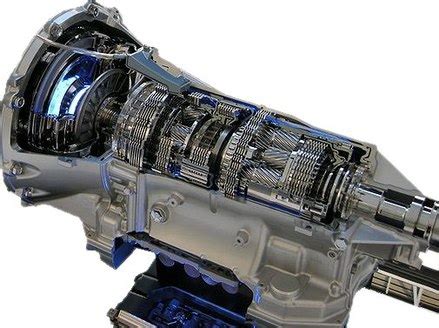
Key Takeaways
- PRNDL stands for Park, Reverse, Neutral, Drive, and Low, representing the primary gear positions in automatic transmissions.
- Each gear position serves a specific function, essential for different driving scenarios such as parking, reversing, or driving on inclines.
- Modern vehicles may include additional gear positions like Sport or Manual modes for enhanced control and performance.
Introduction to PRNDL
PRNDL is an acronym commonly found on the gear shifters of automatic transmission vehicles. It represents the sequence of gear positions: Park, Reverse, Neutral, Drive, and Low. Understanding each of these positions is crucial for safe and efficient vehicle operation.
Detailed Breakdown of PRNDL
P - Park
The Park position locks the transmission, effectively preventing the vehicle from moving. When engaged, a mechanism known as the parking pawl secures the drivetrain, ensuring the car remains stationary. This gear should be used exclusively when the vehicle is fully stopped and parked. Attempting to shift into Park while the vehicle is in motion can cause significant transmission damage.
R - Reverse
The Reverse gear allows the vehicle to move backward. It should only be engaged when the vehicle is completely stationary to prevent transmission harm. Engaging Reverse while the vehicle is moving forward or backward can lead to mechanical failures.
N - Neutral
In the Neutral position, the transmission is disengaged from the engine, allowing the wheels to spin freely without any power from the engine. This position is akin to the idling state of a manual transmission's gear. It is primarily used in situations such as towing the vehicle or during brief stops where the vehicle needs to roll freely without engine power.
D - Drive
The Drive position is used for regular forward driving. In this mode, the transmission automatically shifts through the necessary gears based on the vehicle's speed and engine load. Drive is the standard gear for everyday driving conditions, offering a balance between performance and fuel efficiency.
L - Low
The Low gear maintains the transmission in a lower gear ratio, providing increased torque and engine braking. This position is beneficial in scenarios requiring greater control, such as towing heavy loads, driving up steep inclines, or descending steep hills. By keeping the transmission in a lower gear, Low helps prevent excessive speed and provides better vehicle control.
Additional Gear Positions in Modern Vehicles
While PRNDL covers the fundamental gear positions in automatic transmissions, modern vehicles often include additional modes to enhance driving performance and control. These may include:
S - Sport
The Sport mode adjusts the vehicle's transmission and engine settings to provide a more responsive and dynamic driving experience. It typically holds gears longer before shifting, allowing for higher engine RPMs, which translates to increased acceleration and performance.
M - Manual
The Manual mode allows drivers to manually select gears, giving them greater control over the vehicle's performance. This mode is particularly useful in situations where precise gear selection is desired, such as during spirited driving or navigating challenging terrains.
Numbered Gears (1, 2, 3)
Some transmissions feature numbered gear positions that offer specific gear selections. For example, selecting "1" typically locks the transmission in first gear, while "2" allows the first two gears. These settings are useful for providing additional engine braking and control in varying driving conditions.
When to Use Each Gear Position
Properly utilizing each gear position ensures optimal vehicle performance and longevity. Here’s a guide on when to use each PRNDL gear:
Park (P)
- When the vehicle is fully stopped and parked.
- Prior to turning off the engine.
Reverse (R)
- When backing out of a parking space.
- To maneuver the vehicle in tight spaces.
Neutral (N)
- During vehicle towing.
- When the vehicle needs to roll freely without engine power.
Drive (D)
- For regular forward driving.
- In situations requiring automatic gear shifting based on speed and load.
Low (L)
-
Driving in mountainous or hilly terrains.
-
Towing heavy loads.
-
When additional engine braking is needed to control speed.
Benefits of Understanding PRNDL
A thorough understanding of PRNDL enhances not only driving safety but also the overall efficiency and lifespan of the vehicle’s transmission system. Proper gear usage prevents unnecessary strain, reduces the risk of transmission damage, and ensures optimal vehicle performance under various driving conditions.
Technical Insights into PRNDL
The PRNDL gear positions are facilitated by a combination of mechanical linkages and electronic controls in modern vehicles. Engaging a particular gear activates specific mechanisms within the transmission system to achieve the desired gear ratio and vehicle movement.
Mechanics of Each Gear
| Gear Position | Function | Usage Scenario |
|---|---|---|
| P - Park | Locks the transmission, preventing movement. | Parking the vehicle to ensure it remains stationary. |
| R - Reverse | Enables the vehicle to move backward. | Backing out of parking spaces or maneuvering in tight areas. |
| N - Neutral | Disengages the transmission from the engine. | Towing the vehicle or allowing it to roll freely. |
| D - Drive | Allows automatic shifting based on speed and load. | Regular forward driving under varying conditions. |
| L - Low | Keeps the transmission in a lower gear ratio for more torque. | Driving uphill, towing heavy loads, or descending steep hills. |
Transmission Locking Mechanism
The Park gear relies on a component called the parking pawl, a small metal pin that engages with a gear or ratchet to lock the transmission’s output shaft. This mechanical locking ensures that the vehicle remains immobile when parked.
Torque and Gear Ratios in Low Gear
Selecting the Low gear is crucial when additional torque is required. Torque, the rotational force provided by the engine, is maximized in lower gears. This is particularly beneficial when navigating steep gradients or towing, as it offers better control and prevents the vehicle from gaining excessive speed downhill.
The relationship between torque (τ), force (F), and radius (r) in this context can be expressed as:
$$ \tau = F \times r $$
By maintaining a lower gear ratio, the effective radius increases, thereby enhancing torque output for improved vehicle control.
Modern Innovations and Variations
With advancements in automotive technology, the traditional PRNDL layout has evolved to incorporate additional functionalities that cater to diverse driving preferences and conditions.
Digital Shifters and Electronic Controls
Many contemporary vehicles feature digital shifters that replace the traditional stick or lever. These electronic controls offer seamless gear transitions and integrate with advanced driver-assistance systems (ADAS) to enhance overall driving safety and performance.
Hybrid and Electric Vehicle Considerations
In hybrid and electric vehicles, the PRNDL configuration may be adapted to accommodate the unique propulsion systems. While the fundamental gear positions remain similar, the underlying mechanics differ due to the absence of a traditional internal combustion engine.
Customizable Driving Modes
Some high-end vehicles offer customizable driving modes that allow drivers to tailor the transmission’s behavior to their specific preferences. These modes can adjust parameters such as shift points, throttle responsiveness, and suspension settings to deliver a personalized driving experience.
Safety Tips for Using PRNDL
Proper usage of the PRNDL gear positions is essential for maintaining vehicle safety and preventing transmission damage. Here are some safety tips to consider:
Always Bring the Vehicle to a Complete Stop Before Shifting into Park or Reverse
Engaging Park or Reverse while the vehicle is still moving can cause severe transmission damage. Ensure the vehicle is fully stationary before making these gear changes.
Use Low Gear Judiciously
While Low gear offers enhanced control in specific scenarios, prolonged use in regular driving conditions can lead to increased engine wear and reduced fuel efficiency.
Avoid Shifting into Neutral While Driving
Shifting into Neutral while the vehicle is in motion disconnects the engine from the transmission, potentially reducing vehicle control. It is advisable to keep the transmission engaged unless in specific situations like towing.
Regular Transmission Maintenance
Adhering to the manufacturer’s recommended transmission maintenance schedule ensures optimal performance and longevity. Regularly checking transmission fluid levels and condition helps prevent unexpected issues.
Conclusion
Understanding the PRNDL gear positions is fundamental for any driver operating an automatic transmission vehicle. Each gear serves a distinct purpose, contributing to the vehicle's overall performance, safety, and efficiency. By familiarizing yourself with the functions and appropriate usage of Park, Reverse, Neutral, Drive, and Low, you can enhance your driving experience and maintain the health of your vehicle’s transmission system. Additionally, modern advancements continue to expand the capabilities of automatic transmissions, offering drivers greater control and customization to suit their individual driving needs.
References
Last updated January 18, 2025