
Protocols for Formulating Probiotic Creams
Integrating microbiology techniques to develop stable and effective probiotic skin formulations
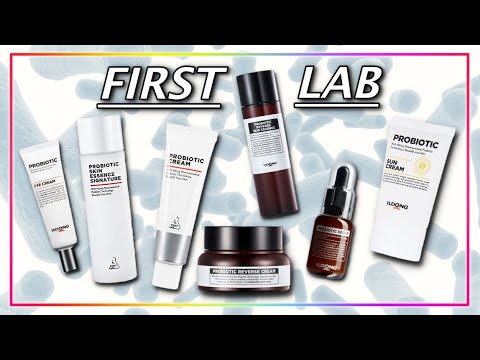
The formulation of probiotic creams is a multidisciplinary task that involves the integration of microbiology, formulation science, dermatological insights, and regulatory considerations. In essence, the process includes selecting appropriate probiotic strains, cultivating and processing the bacteria, designing a cream base that preserves viability, incorporating and protecting the probiotic cells, and performing rigorous quality control and safety testing. Below is an in-depth guide featuring detailed protocols and strategies to create probiotic creams using principles of microbiology.
Key Takeaways
- Strain Selection and Cultivation: Choose species known for skin benefits, cultivate under controlled conditions, and harvest at optimal viability.
- Formulation and Encapsulation: Develop a cream base that is gentle on the probiotics, control pH and temperature, and consider encapsulation to protect the microorganisms.
- Quality Control and Regulatory Compliance: Apply aseptic techniques and perform stability, microbial viability, physicochemical, and in vitro efficacy tests to ensure product safety and performance.
1. Probiotic Strain Selection and Cultivation
The success of a probiotic cream centers on the selection of bacteria with documented skin benefits. The following summarizes the initial steps:
1.1. Selecting Suitable Probiotic Strains
Probiotic strains such as species from the Lactobacillus (e.g., Lactobacillus casei, Lactobacillus rhamnosus, Lactobacillus paracasei), Bifidobacterium spp., and certain Streptococcus species have shown promising results in skin applications. These strains must be well-documented in terms of:
- Beneficial effects on the skin (e.g., anti-inflammatory, barrier-enhancing, wound healing).
- Safety status such as GRAS (Generally Recognized As Safe) and regulatory approval for cosmetic or therapeutic use.
- Ability to withstand formulation conditions (appropriate pH, temperature, moisture levels, and presence of natural antimicrobials).
1.2. Cultivation Protocols
The bacterial culture is prepared under stringent aseptic conditions. A conventional protocol is:
Media Preparation
• Prepare appropriate culture media such as MRS (de Man, Rogosa and Sharpe) broth, which provides the required nutrients for many Lactobacilli.
Inoculation and Incubation
• Inoculate the media in a sterile bioreactor or flask using a 1–5% (v/v) inoculum of the chosen probiotic culture.
• Incubate at the optimal temperature (commonly around 37°C, though some strains may require adjustments) and maintain gentle agitation to provide proper aeration if required.
Growth Monitoring and Harvesting
• Monitor the bacterial growth, using optical density measurements (OD600) or colony-forming unit counts during the logarithmic growth phase. It is crucial to harvest when cell density is high (typically mid-to-late log phase) to maximize viability.
• The culture should then be transferred to sterile centrifuge bottles and centrifuged at around 4000–6000 × g for 10–15 minutes at 4°C to pellet the cells.
Washing and Stabilization
• Resuspend the pellet in chilled, sterile phosphate buffered saline (PBS) and repeat the washing process to remove residual media components. This step minimizes interference during formulation.
• Concentrate the probiotic cell suspension targeting a high CFU density, for example, 10^8–10^9 CFU per gram of cream, and consider adding cryoprotectants such as 1–3% glycerol if a delay in incorporation is unavoidable.
2. Designing the Cream Base and Formulation Parameters
The cream base must be carefully designed to facilitate both the stability of the probiotic organisms and their therapeutic effect on the skin. The formulation process involves designing an emulsion and adjusting conditions to optimize the environment for bacterial viability.
2.1. Composition of the Cream Base
Oil-In-Water (O/W) Emulsion
For cosmetic applications, an oil-in-water emulsion is popular because it is non-greasy and easily absorbed by the skin. The aqueous phase typically contains purified water, humectants (like glycerin, typically 3–5%), and thickeners (such as xanthan gum at approximately 0.3–0.5%). The oil phase may include natural oils (e.g., jojoba or almond oil between 15–25%), emulsifiers (non-ionic types such as lecithin or Polysorbate 20 in a range of 2–4%), and emollients.
pH and Preservative Considerations
• Adjust the pH of the cream to a slightly acidic range (about 4.5 to 6.5) as this encourages probiotic survival while matching the skin’s normal pH.
• Refrain from using harsh preservatives (e.g., parabens, phenoxyethanol) that may inactivate probiotic cells. Instead, consider microbiome-friendly preservatives such as Leucidal® SF MAX or encapsulation strategies to shield the organisms.
2.2. Preparation of the Cream Base
The following is an example protocol for formulating an oil-in-water emulsion:
| Phase | Component | Approximate Percentage (%) |
|---|---|---|
| Aqueous Phase | Purified Water | 65–75 |
| Humectants (e.g., Glycerin) | 3–5 | |
| Thickeners (e.g., Xanthan Gum) | 0.3–0.5 | |
| Oil Phase | Natural Oils (e.g., Jojoba Oil) | 15–25 |
| Emulsifiers (e.g., Lecithin or Polysorbate 20) | 2–4 | |
| Emollients | Variable (balance to desired consistency) |
The oil phase is gently heated to around 35–40°C and then slowly emulsified into the aqueous phase with continuous gentle stirring. It is critical that the temperature is maintained below 40°C during emulsification and subsequent mixing to protect the viability of the probiotic cells.
3. Incorporating Probiotics and Encapsulation Techniques
Once the cream base is prepared and cooled to around room temperature (preferably below 40°C), the probiotic cell concentrate is introduced. Incorporating probiotics requires careful handling to prevent cell damage.
3.1. Direct Incorporation vs. Encapsulation
There are two main strategies when adding probiotics:
- Direct Incorporation: The harvested probiotic cells are gently mixed into the cooled cream base using low-shear mixing to avoid mechanical damage. This method is simpler but may leave the bacteria vulnerable to environmental stress.
- Encapsulation: Encapsulation techniques such as microencapsulation or liposomal encapsulation offer the advantage of shielding the probiotic cells from adverse chemical, thermal, and oxygen conditions. Encapsulated bacteria remain dormant until they reach the skin's surface where they are released gradually.
3.2. Incorporation Procedure
Step-by-Step Process
1. Confirm that the cream base is sufficiently cooled (ideally near room temperature) to prevent thermal damage.
2. Slowly add the concentrated probiotic suspension with gentle low-speed mixing until uniform distribution is achieved.
3. If using an encapsulated form, blend the capsules into the formulation using a technique that minimizes shear forces.
4. Perform a careful pH adjustment if necessary, using lactic acid or sodium lactate, ensuring that the environmental conditions remain supportive of probiotic viability.
3.3. Packaging for Stability
Packaging is a critical step in protecting the probiotic cream during its shelf life:
- Use airtight, sterile containers to minimize oxygen exposure and microbial contamination.
- If required, label with recommended storage conditions (often refrigeration is advised to maintain probiotic viability).
- It is beneficial to use dual-chamber packaging systems for products that require mixing immediately prior to application.
4. Quality Control, Stability Testing, and Regulatory Considerations
Ensuring that the final product is both safe and effective demands rigorous quality control and stability testing. Clinical and in vitro studies are paramount for establishing the credibility and efficacy of the probiotic cream.
4.1. Microbial Viability Testing
• Plate counts or flow cytometry served as standard techniques to evaluate colony forming units (CFU) per gram of cream immediately post-manufacturing and periodically during the product’s shelf life.
• Viability testing involves monitoring the concentration of viable probiotics over various storage conditions (e.g., refrigerated vs. room temperature) and time intervals.
4.2. Physicochemical and Stability Testing
The cream's physical properties must be evaluated periodically:
- Measure pH, viscosity, and the overall emulsion stability (absence of phase separation).
- Assess the integrity of the encapsulation (if applicable) over time.
- Perform accelerated stability tests under various humidity and temperature conditions.
4.3. In Vitro Efficacy and Safety Assessments
Probiotic creams undergo efficacy testing using skin cell cultures or in vitro skin models. These tests measure:
- Anti-inflammatory potential by assessing cytokine modulation.
- Enhancement of skin barrier function, for instance through the upregulation of ceramide synthesis.
- Antimicrobial properties by demonstrating the inhibition of pathogens such as Cutibacterium acnes or Staphylococcus aureus.
Additionally, clinical trials (even small-scale or pilot studies) help to confirm the safety and tolerability of the topical formulation on human skin.
4.4. Regulatory and Labeling Considerations
Probiotic creams often sit at the intersection of cosmetics and therapeutic agents. It is essential that you:
- Adhere to regional regulatory requirements regarding microbial load and product safety.
- Clearly label storage conditions, shelf life, and instructions for use.
- Consult with microbiologists, dermatologists, and regulatory experts to ensure that your product meets Good Manufacturing Practices (GMP) and, where applicable, pharmaceutical standards.
5. Example Protocol: Step-by-Step Outline
Below is an integrated protocol that incorporates the above steps into a seamless process:
Step 1: Probiotic Cultivation
• Inoculate a 1–5% (v/v) starter culture of a selected probiotic strain into MRS broth.
• Incubate at 37°C for 18–24 hours under static or gently agitated conditions.
• Harvest cells by centrifugation at 5000 × g for 15 minutes at 4°C and wash twice in sterile PBS.
Step 2: Cream Base Formulation
• Prepare the aqueous phase (65–75% purified water, 3–5% glycerin, and 0.3–0.5% xanthan gum) and heat gently to 35–40°C.
• Prepare the oil phase (15–25% natural oils, 2–4% emulsifiers) in a separate vessel and also warm to 35–40°C.
• Emulsify by slowly adding the oil phase to the aqueous phase with gentle mixing until a homogenous blend is achieved, then allow it to cool to below 40°C.
Step 3: Incorporation of Probiotics and Encapsulation (if used)
• For direct incorporation, gently mix the concentrated probiotic suspension into the cooled base using low shear mixing.
• Alternatively, mix pre-encapsulated probiotic pellets into the formulation, ensuring uniform distribution.
• Adjust the pH to between 4.5 and 6.5 if necessary.
Step 4: Packaging and Quality Control
• Dispense the cream into sterilized and airtight containers under aseptic conditions.
• Label each package with batch number, storage recommendations (e.g., “Keep Refrigerated”), and expiration date.
• Conduct initial and periodic microbial viability tests and physicochemical stability assessments.
Conclusion
In summary, formulating probiotic creams demands a comprehensive approach that begins with selecting robust and beneficial probiotic strains and extends through meticulous cultivation, careful design of a supportive cream base, incorporation through gentle mixing or protective encapsulation, and rigorous quality control tests. By adhering to this detailed protocol, researchers and developers can create topical formulations that may help restore the skin’s natural microbiota, reduce inflammation, and support overall skin health. With advancements in microbiological techniques and formulation science, probiotic creams have the potential to become a mainstream therapeutic modality in dermatology.
References
- Formulating Topical Products with Live Microorganisms - PharmTech
- Probiotic Microbiome Skincare Guide - Formula Botanica
-
Research Article on Probiotic Skin Care - NCBI PMC
More
Last updated February 18, 2025