
Advancements in Probiotic Delivery Systems
Exploring Innovative Encapsulation Techniques and Mendeley Citations for Research
Key Highlights
- Encapsulation Innovations: Advances in microencapsulation and nanotechnology enhance probiotic viability.
- Integration with Food Matrices: Novel food-based delivery systems ensure stability and bioavailability.
- Mendeley for Citations: Using Mendeley software streamlines reference management in probiotic delivery research.
Introduction
Probiotics have evolved beyond their traditional conception as supportive agents for gut health to become a cornerstone of functional food research and therapeutic applications. There has been tremendous progress in designing delivery systems that ensure the viability of probiotic cells during manufacturing, storage, and transit through the harsh conditions of the gastrointestinal tract (GIT). Research in probiotic delivery systems has seen significant advancements through the development of innovative encapsulation methods, integration with various food matrices, and the utilization of computational tools such as Mendeley for rigorous citation management. In this article, we explore recent advancements in probiotic delivery systems, discuss state-of-the-art encapsulation techniques and food-based delivery routes, and highlight the essential role that reference management software, such as Mendeley, plays in organizing and citing research in this rapidly evolving field.
Recent Technological Advancements
Microencapsulation and Nanotechnology
Overview
Microencapsulation has emerged as a pivotal technology for improving the delivery of probiotic microorganisms. This method involves encasing probiotic cells in protective matrices which shield them from adverse conditions such as low pH, high temperatures, bile salts, and digestive enzymes. Researchers have employed a range of biocompatible materials, including polysaccharides, lipids, and synthetic polymers, as encapsulating agents. For instance, alginate-based beads and chitosan-coated microparticles are frequently used to stabilize probiotics during both processing and storage.
Nanotechnology Enhancements
The integration of nanotechnology into encapsulation strategies has further elevated the effectiveness of probiotic delivery systems. Nanoparticles provide a more refined scale for encapsulation, enabling improved adhesion to the intestinal wall and targeted release at specific sites. This targeted release is particularly important for enhancing the local concentration of probiotics in regions where they can effectively modulate gut flora and immune responses.
Hydrogel and Emulsification Systems
Hydrogel Delivery Systems
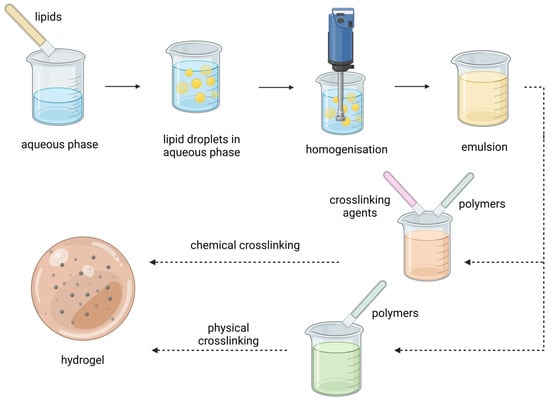
Hydrogels, especially those based on natural polymers such as alginate, pectin, and carrageenan, have been shown to provide robust environments for probiotic cells. These hydrophilic networks are capable of absorbing water while maintaining a protective gel matrix, thereby ensuring that probiotic cells survive transit through acidic and enzyme-rich regions of the GIT.
Emulsification Methods
Emulsification represents another gentle method for encapsulating probiotics. In this process, water-in-oil or oil-in-water emulsions stabilize probiotic cells using surfactants or emulsifiers. Advanced emulsification techniques ensure that the microenvironments within emulsified droplets remain stable during storage and from the point of ingestion until the probiotics reach their target site.
Food-Based and Alternative Delivery Methods
Incorporation into Dairy and Non-Dairy Foods
One promising approach involves integrating probiotics directly into food matrices. Dairy products such as yogurt and cheese provide favorable conditions owing to their buffered pH and nutrient-rich composition. Non-dairy alternatives, including plant-based beverages and cereals, are also gaining attention to cater to broader consumer groups, including those with lactose intolerance or other dietary restrictions.
Other Routes of Administration
Besides oral ingestion, researchers have been exploring alternative administration routes such as nasal, transdermal, vaginal, and even rectal applications. Each route offers distinct advantages for certain applications. For example, nasal delivery can be beneficial for targeting the immune system in the upper respiratory tract, while rectal applications may be particularly useful for local treatment of gastrointestinal disorders. These alternative routes require tailored delivery systems to address the unique biological barriers encountered in each.
Biological Considerations and Challenges
Environmental Stresses and Probiotic Viability
Stability in the Gastrointestinal Tract
A significant challenge in probiotic delivery remains the ability to maintain stable and viable probiotic populations as they pass through the gastrointestinal tract. Harsh conditions such as low stomach pH, the presence of bile salts, and the action of digestive enzymes can inactivate a significant portion of ingested probiotics. Encapsulation techniques must therefore be designed to protect probiotic cells until they reach the colon, where they can exert their beneficial effects.
Targeted Delivery and Controlled Release
Achieving targeted delivery and controlled release of probiotics is essential to maximizing their therapeutic benefits. Advanced encapsulation techniques are being developed to ensure that the protective matrix dissolves or disintegrates only in response to specific physiological triggers, such as pH changes or enzymatic activities. This selective release ensures that a higher concentration of viable probiotics is delivered directly to the desired location in the gut.
Engineering Probiotic Strains
Innovative Genetic Modifications
As part of ongoing research, scientists have begun exploring genetic modifications to enhance probiotic survivability and functionality. Engineering probiotic strains to be more resistant to environmental stresses or to adhere more effectively to intestinal mucosa represents an exciting frontier in probiotic research. While this approach brings the promise of improved therapeutic outcomes, it also necessitates careful ethical consideration and regulatory oversight.
Omics Technologies for Comprehensive Probiotic Analysis
The application of omics technologies (e.g., genomics, transcriptomics, proteomics, metabolomics) has facilitated deeper insights into the behavior of probiotics in the human body. These comprehensive analytical techniques allow researchers to track the survival, colonization, and functional activities of probiotics at a molecular level. Integrating such detailed data helps in optimizing delivery systems tailored to specific health conditions, especially inflammatory bowel diseases and other gut disorders.
Role of Mendeley in Probiotic Delivery Research
Streamlining Citation Management
Effective research in the field of probiotic delivery systems not only relies on cutting-edge scientific breakthroughs but also on the systematic organization of extensive experimental data and scholarly references. Mendeley, a widely adopted reference management software, plays a vital role in this endeavor. By automating citation extraction from PDFs and integrating seamlessly with word processing tools, Mendeley simplifies the process of documenting and cross-referencing diverse sources.
Features of Mendeley
Key features of Mendeley include:
- PDF Management: The software can automatically extract citation information from PDF files, and store and organize these documents for quick referencing.
- Integration with Word Processors: Mendeley integrates with platforms such as Microsoft Word and LibreOffice to insert citations directly into manuscripts, reducing manual errors.
- Collaboration Tools: Researchers can share annotated PDFs and collaborate in groups, facilitating the exchange of insights and critical feedback among peers.
- Cross-Platform Compatibility: Mendeley is available on multiple operating systems, enabling seamless access to research libraries from different devices.
- Reference Organization: Users can tag and filter publications by subject, facilitating the retrieval of specific research information amidst vast archives.
Mendeley Citations in Recent Studies
Many recent research articles in the domain of probiotic delivery systems reference seminal works and cutting-edge studies using Mendeley for accurate citations. For instance, studies on microencapsulation techniques and polysaccharide-based delivery systems often include precise bibliographic records curated via Mendeley, ensuring reliability and academic rigor in the dissemination of knowledge.
Comparative Analysis of Probiotic Delivery Systems
Overview Table of Delivery Techniques
The following table presents a comparative analysis of different probiotic delivery methodologies based on encapsulation technique, material used, targeted release mechanism, and advantages:
| Method | Encapsulating Material | Targeted Release | Key Advantages |
|---|---|---|---|
| Microencapsulation | Polysaccharides, Lipids | pH-triggered dissolution | Enhanced viability during storage and transit |
| Nanoparticle Encapsulation | Synthetic Polymers, Lipids | Site-specific release via enzymatic triggers | Improved adhesion and targeted delivery |
| Hydrogel Systems | Alginate, Pectin, Carrageenan | Trigger-based dissolution in the colon | Stable, moisture-rich environment; controlled release |
| Emulsification | Natural Emulsifiers, Surfactants | Slow-release via gradual breakdown | Gentle processing; suitable for fragile probiotic cells |
| Food-Based Delivery | Dairy/Plant-based matrices | Intrinsic food matrix buffering | Ease-of-consumption; broad consumer appeal |
Integrating Delivery Systems with Therapeutic Targets
By integrating advanced delivery systems with the targeting of specific therapeutic outcomes, researchers are beginning to tailor the probiotic interventions to address ailments such as inflammatory bowel disease (IBD), colitis, and other gastrointestinal disorders. This requires the collaboration between material science, nanotechnology, and microbiology in order to develop systems that can adjust to the dynamic nature of the gastrointestinal tract while ensuring maximum functionality of the probiotic strains.
Future Research Directions and Considerations
Emerging Trends
Looking ahead, emerging trends in the field of probiotic delivery systems include exploring cost-effective and scalable encapsulation methods, as well as delving deeper into the potential of genetically engineered probiotics. The integration of advanced omics techniques will permit a molecular-level understanding of probiotic actions, thereby refining the selection of strains and delivery matrices for optimal health benefits.
Regulatory and Ethical Challenges
With technological advancements also come new ethical and regulatory challenges. Any genetic modifications or novel material applications must navigate complex safety regulations and ethical guidelines. Consequently, interdisciplinary collaboration between researchers, regulatory bodies, and industry stakeholders is essential to ensure that innovations in probiotic delivery systems are both safe and effective.
Interdisciplinary Collaboration
Future research efforts will undoubtedly benefit from the confluence of expertise across disciplines. Material scientists, microbiologists, food technologists, and biomedical engineers are working collaboratively to innovate and refine probiotic delivery methods. This interdisciplinary approach is crucial for harnessing the full potential of probiotic interventions intended for both therapeutic and dietary applications.
Incorporating Mendeley into Research Workflows
Best Practices with Mendeley
Mendeley serves as an indispensable tool for researchers engaged in probiotic delivery systems studies by offering robust reference management and collaboration features. Best practices include maintaining an organized reference library, tagging relevant articles, and ensuring that all citations are uniform and accurate. This aids in the construction of comprehensive literature reviews and systematic evaluations of research findings.
Integrating Mendeley with Academic Writing
Researchers are encouraged to integrate Mendeley with document preparation software such as Microsoft Word or LaTeX. The automated citation insertion and management capabilities reduce the likelihood of formatting errors and citation omissions, contributing to a more efficient and reliable writing process.
Leveraging Mendeley for Collaborative Research
The platform’s collaborative features allow multiple researchers to work on shared libraries, annotate PDFs, and discuss key findings, thereby promoting a more dynamic and cooperative research environment. This collaborative approach is especially important in a rapidly evolving field where cross-disciplinary insights can accelerate innovation.
References
The following references provide additional background and in-depth details regarding recent advancements and research studies in the field of probiotic delivery systems. Many of these studies manage citations through Mendeley, ensuring academic rigor and traceability.
-
Innovations in Probiotic Delivery Systems - ScienceDirect
-
Co-Encapsulation Techniques for Probiotics - ScienceDirect
-
Stability and Viability of Probiotics via Encapsulation - ScienceDirect
-
Hydrogel and Emulsification Techniques for Probiotic Delivery - ScienceDirect
- Mendeley Citation Management - Yale Library Guides
Recommended Research Queries
Last updated March 5, 2025