
Why Can't Everyone Afford to Be Healthy? Unpacking the Link Between Low Income and Weight
Exploring the complex socioeconomic barriers preventing low-income adults from maintaining a healthy weight, viewed through a lens of equity and justice.
Highlights
- Disproportionate Burden: Adults with lower incomes experience significantly higher rates of overweight and obesity compared to their higher-income counterparts, driven by systemic factors rather than individual choices alone.
- Socioeconomic Barriers are Key: Limited access to affordable nutritious food, safe environments for physical activity, quality healthcare, and pervasive financial stress create major obstacles to achieving and maintaining a healthy weight.
- A Matter of Equity and Justice: Understanding this problem through frameworks like the ASCE model's JEDI (Justice, Equity, Diversity, Inclusion) principles reveals it as a systemic failure requiring structural changes to ensure everyone has a fair opportunity for health.
Defining the Problem: A Cycle of Disadvantage
The Stark Reality of Weight Disparities
The core problem is the persistent and damaging link between low socioeconomic status (SES) and difficulties in achieving and maintaining a healthy weight (typically defined as a Body Mass Index, BMI, between 18.5 and 24.9) among adults. This isn't just a health statistic; it represents a significant public health crisis characterized by profound health disparities. Low-income individuals face a disproportionately higher risk of being overweight or obese, leading to a cascade of negative health consequences and reinforcing cycles of disadvantage.
Statistical Snapshot
The evidence clearly illustrates this disparity. Data up to 2023, for example, indicated that in the United States, approximately 37% of adults earning less than $15,000 annually were obese. This contrasts sharply with lower obesity rates found among adults with higher incomes (e.g., those earning above 350% of the poverty level). Similarly, CDC data consistently shows higher obesity prevalence among adults living below 130% of the poverty level, particularly affecting women. This pattern isn't unique to the US; it's a growing concern globally, increasingly impacting low- and middle-income countries and lower socioeconomic groups within wealthier nations.
A Global Challenge
The World Health Organization (WHO) highlights that over 43% of adults globally are now overweight or obese, with projections suggesting this could exceed 50% by 2050 if trends continue. Critically, the burden falls most heavily on those with fewer resources. This trend has severe implications, increasing the prevalence of noncommunicable diseases (NCDs) like type 2 diabetes, cardiovascular diseases, certain cancers, and hypertension at younger ages within these populations, placing immense strain on individuals, families, and healthcare systems, especially in low-resource settings.
Unpacking the Causes: Barriers Rooted in Socioeconomic Status
Beyond Individual Choice: The Environmental and Economic Constraints
Attributing the higher rates of obesity solely to individual choices like diet and exercise oversimplifies a complex reality. Low-income adults face a web of interconnected socioeconomic barriers that significantly constrain their ability to adopt and maintain healthy lifestyle behaviors.
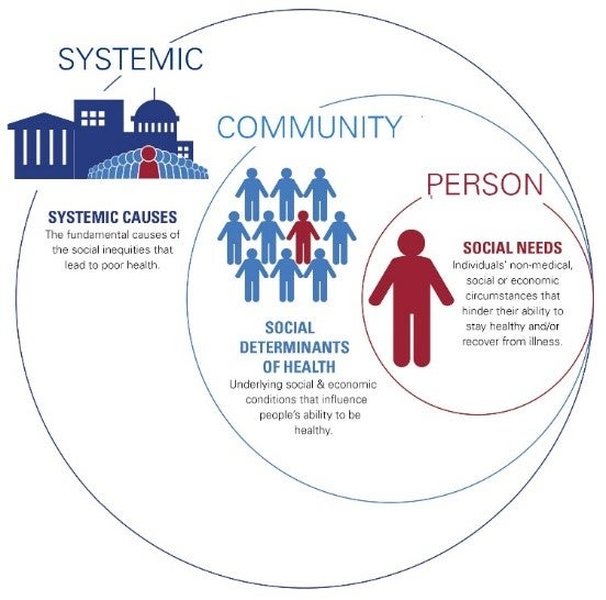
Social determinants like economic stability, neighborhood environment, education, food access, and healthcare play crucial roles in health outcomes.
The Food Environment: Access and Affordability
One of the most significant barriers is the food environment common in low-income areas. These communities often lack access to supermarkets offering a variety of affordable, fresh, and nutritious foods like fruits, vegetables, whole grains, and lean proteins (often termed "food deserts"). Instead, readily available options tend to be calorie-dense, nutrient-poor processed foods, often sold at lower prices in convenience stores or fast-food outlets. The higher cost of healthier diets can be prohibitive, forcing individuals to prioritize caloric intake over nutritional quality simply to stave off hunger. Furthermore, limited exposure and fewer opportunities to experiment with cooking can lead to perceptions that healthy foods are less tasty or filling, reinforcing reliance on less healthy, familiar options.
Physical Activity Constraints
Opportunities for safe and accessible physical activity are often limited in lower-income neighborhoods. Parks may be poorly maintained or perceived as unsafe, sidewalks might be lacking or in disrepair, and affordable gym memberships or recreational facilities are frequently scarce. Combined with potential time constraints due to demanding work schedules or caregiving responsibilities, regular physical activity becomes a significant challenge.
Healthcare Access and Utilization
Access to comprehensive and quality healthcare, including preventive services like weight management counseling and obesity treatment, is often inadequate for low-income populations. Lack of health insurance or underinsurance is a major barrier, hindering entry into the healthcare system and limiting access to necessary support. Even when services are available, factors like transportation difficulties, lack of childcare, and mistrust of the healthcare system can impede utilization.
The Weight of Stress and Limited Sleep
Chronic stress, often stemming from financial insecurity, unstable housing, or unsafe living environments, is more prevalent among low-income individuals. Stress can disrupt hormonal balances that regulate appetite (like cortisol, ghrelin, and leptin), potentially increasing cravings for high-calorie comfort foods. Lack of adequate sleep, which can also be exacerbated by socioeconomic stressors, further contributes to hormonal dysregulation and increased appetite, making weight management more difficult.
Health Literacy and Education
Lower levels of educational attainment, often correlated with lower income, can impact health literacy – the ability to obtain, process, and understand basic health information needed to make appropriate health decisions. This can affect knowledge about nutrition, portion control, reading food labels, and understanding the long-term health consequences of dietary choices, further hindering efforts towards a healthy weight.
A Systemic Lens: Applying the ASCE JEDI Framework
Viewing the Problem Through Equity and Justice
Frameworks like the American Society of Civil Engineers' (ASCE) emphasis on Justice, Equity, Diversity, and Inclusion (JEDI) principles provide a valuable lens for understanding the relationship between low income and healthy weight. This perspective shifts the focus from blaming individuals to recognizing the problem as a result of systemic failures and structural barriers that create and perpetuate health inequities.
Equity: Addressing Disparate Needs
Equity demands fairness and justice in opportunity. It acknowledges that different groups (in this case, low-income adults) face different barriers and therefore require tailored support and resources to achieve similar health outcomes. Simply providing the same resources to everyone (equality) is insufficient when the starting points and obstacles are vastly different. Equity requires targeted interventions that specifically address the unique challenges faced by low-income populations in accessing healthy food, safe activity spaces, and healthcare.
Justice: Tackling Structural Barriers
Justice involves dismantling the underlying structural barriers that create these inequities in the first place. This means addressing policies and practices related to housing, education, employment, food distribution systems, urban planning, and healthcare access that systematically disadvantage low-income communities. It requires challenging the root causes, such as discriminatory practices or inadequate social safety nets, that limit opportunities for health.
Inclusion: Empowering Communities
Inclusion emphasizes the critical importance of involving the affected communities—low-income adults themselves—in identifying problems, designing solutions, and implementing interventions. Co-created public health actions are more likely to be culturally appropriate, sustainable, and effective because they are grounded in the lived experiences and priorities of the people they aim to serve. Community participation throughout the decision-making cycle is key to promoting social change and reducing health inequity.
Diversity: Recognizing Intersecting Factors
Diversity acknowledges that income status intersects with other factors like race, ethnicity, gender, age, disability status, and geographic location to shape health risks and access to resources. For example, the relationship between income and obesity can differ significantly between men and women, or across different racial and ethnic groups. Effective solutions must consider this complexity and address the unique needs of diverse populations within the broader low-income group.
Applying these principles helps frame the problem not as one of individual failing, but as a societal responsibility to create environments where everyone, regardless of income, has the genuine opportunity to achieve and maintain a healthy weight. This aligns with concepts like the Health Disparities and Outcomes (HDO) model, which views socioeconomic status as a fundamental cause influencing the distribution of resources and shaping health pathways.
Visualizing the Interconnected Factors
Mindmap of the Low Income & Healthy Weight Problem
This mindmap illustrates the complex web of factors connecting low income to challenges in maintaining a healthy weight, highlighting the interplay between socioeconomic barriers, health outcomes, and systemic inequities.
Low Income & Healthy Weight Disparity"] id1["Higher Prevalence of Overweight/Obesity"] id1a["Statistical Evidence (e.g., US income groups)"] id1b["Global Burden (Low/Middle Income Countries)"] id2["Socioeconomic Barriers"] id2a["Food Environment"] id2aa["Limited Access (Food Deserts)"] id2ab["Affordability of Healthy Food"] id2ac["Prevalence of Unhealthy Options"] id2b["Physical Activity"] id2ba["Lack of Safe/Accessible Spaces"] id2bb["Time Constraints"] id2c["Healthcare Access"] id2ca["Limited Insurance/Services"] id2cb["Lack of Preventive Care/Counseling"] id2d["Other Factors"] id2da["Financial Stress & Mental Health"] id2db["Lack of Sleep"] id2dc["Health Literacy/Education Gaps"] id3["Negative Health & Economic Outcomes"] id3a["Increased Chronic Diseases (Diabetes, CVD, Cancer)"] id3b["Higher Healthcare Costs"] id3c["Reduced Productivity/Earning Potential"] id3d["Cycle of Poverty & Poor Health"] id4["Systemic Inequity (ASCE JEDI Lens)"] id4a["Equity Issue (Disparate Needs)"] id4b["Justice Issue (Structural Barriers)"] id4c["Inclusion Needed (Community Input)"] id4d["Diversity Considerations (Intersections)"] id4e["Fundamental Cause (Unequal Resources - HDO link)"]
Systemic Barriers vs. Perceived Responsibility
Comparing the Impact of Structural Factors
This chart contrasts the perceived level of individual responsibility often associated with weight management factors against the actual impact of systemic barriers faced predominantly by low-income populations. Factors like food access and policy gaps, while systemic, often carry less perceived individual blame but have a profound real-world impact on the ability to maintain a healthy weight.
Understanding the Barriers: A Closer Look
Key Obstacles Faced by Low-Income Adults
The following table summarizes some of the primary barriers that make achieving and maintaining a healthy weight particularly challenging for adults with low income, illustrating the systemic nature of the problem.
| Barrier | Description | Impact on Healthy Weight |
|---|---|---|
| Food Access & Cost | Limited availability of supermarkets; higher density of fast-food outlets and convenience stores; higher cost of nutrient-dense foods compared to calorie-dense, processed options. | Leads to diets lower in fruits, vegetables, and whole grains, and higher in fats, sugars, and sodium, contributing to weight gain and malnutrition. |
| Physical Environment | Lack of safe parks, playgrounds, sidewalks, or recreational facilities; neighborhood safety concerns deterring outdoor activity. | Reduces opportunities for regular physical activity, making it harder to balance energy intake and expenditure. |
| Healthcare Access | Lack of health insurance, high co-pays/deductibles, shortage of providers in low-income areas, lack of transportation or childcare for appointments. | Limits access to preventive care, weight management counseling, screening for related conditions (e.g., diabetes, hypertension), and obesity treatment options. |
| Financial Stress & Time Constraints | Chronic stress from financial insecurity impacting appetite-regulating hormones; demanding or multiple jobs limiting time for meal preparation and exercise. | Increases likelihood of relying on convenient, less healthy food options; elevates cortisol levels potentially promoting abdominal fat storage; reduces capacity for health-promoting behaviors. |
| Education & Health Literacy | Lower levels of formal education potentially correlating with less knowledge about nutrition, label reading, healthy cooking methods, and portion control. | Makes it more difficult to navigate complex food environments, understand health advice, and implement effective weight management strategies. |
Perspectives on Poverty and Obesity
Insights from Research and Documentation
The complex interplay between poverty and obesity has been explored extensively. This documentary clip provides insights into the challenges faced by individuals and communities dealing with these interconnected issues, highlighting the environmental and social factors at play.
HBO Documentary clip exploring the links between poverty and obesity in the US.
This video underscores many of the points discussed, such as the impact of food deserts, economic constraints on food choices, and the broader societal context that shapes health outcomes for low-income populations. It reinforces the idea that obesity in the context of poverty is often less about individual willpower and more about the environment and resources available.
Frequently Asked Questions (FAQ)
What is the fundamental problem linking low income and healthy weight?
The fundamental problem is a significant health disparity: adults with low incomes face substantially higher rates of overweight and obesity compared to those with higher incomes. This isn't primarily due to individual choices but stems from systemic socioeconomic barriers—like limited access to affordable healthy food, safe places for physical activity, and adequate healthcare—that make achieving and maintaining a healthy weight extremely challenging for this population.
How does the concept of 'food deserts' contribute to this problem?
Food deserts are areas, often prevalent in low-income neighborhoods, with limited access to affordable and nutritious food, particularly fresh fruits, vegetables, and whole grains, typically found in supermarkets. Residents may rely on convenience stores or fast-food restaurants that primarily offer calorie-dense, nutrient-poor options. This lack of access directly hinders the ability to maintain a healthy diet, contributing significantly to higher obesity rates.
Why is using a framework like ASCE's JEDI principles important here?
Using a framework emphasizing Justice, Equity, Diversity, and Inclusion (JEDI) shifts the perspective from blaming individuals for their weight to understanding the systemic inequities that drive health disparities. It highlights that the problem requires addressing structural barriers (Justice), providing tailored support based on need (Equity), considering the intersecting factors affecting different groups (Diversity), and involving communities in solutions (Inclusion). This approach promotes more effective and fair public health strategies.
What are the main health consequences of this weight disparity?
The higher rates of overweight and obesity among low-income adults significantly increase their risk of developing serious chronic noncommunicable diseases (NCDs). These include type 2 diabetes, cardiovascular diseases (like heart attack and stroke), hypertension (high blood pressure), certain types of cancer, and musculoskeletal disorders (like osteoarthritis). These conditions lead to reduced quality of life, increased healthcare costs, lost productivity, and premature mortality, further exacerbating health and economic inequities.
References
- Obesity and Socioeconomic Status in Adults: United States, 2005–2008 - CDC/NCHS
- Obesity and overweight - World Health Organization (WHO)
-
Modeling Health Disparities and Outcomes (HDO) in Disenfranchised Populations - PMC/NIH
- Obesity prevalence among adults in the U.S. 2023, by annual income - Statista
-
Why low-income consumers avoid healthy foods—and how to change their minds - American Medical Association (AMA)
- Obesity Day 2025: Addressing the growing burden of obesity - WHO EMRO
- Access to Health Care in America - NCBI Bookshelf
Recommended
Last updated April 24, 2025