
Best Low-Competition Products to Consider
Discover high-demand niches with low competition for sustainable growth
Key Highlights
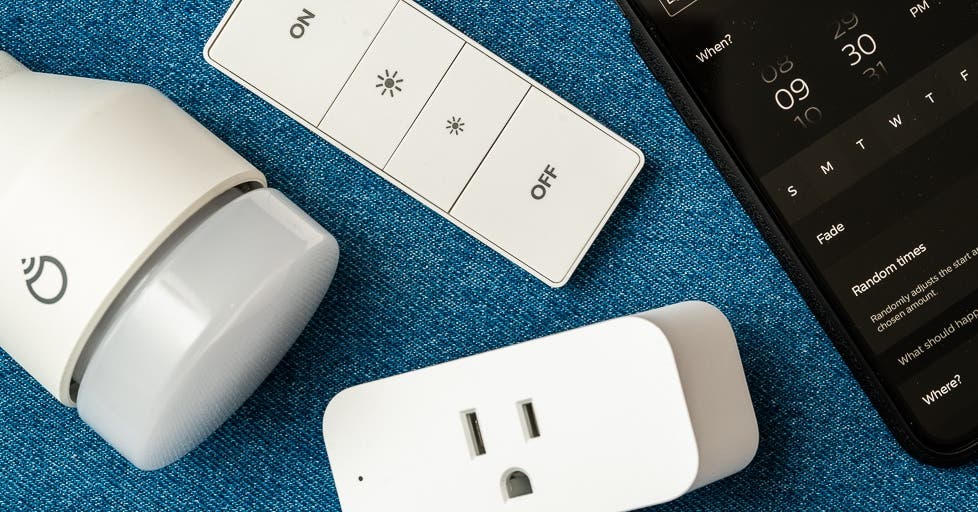
- Smart Home and Technology: Products such as smart plugs, displays, and pet tech devices offer strong market growth while remaining less saturated.
- Sustainable and Eco-Friendly Products: Innovative sustainable products, from biodegradable items to eco-friendly home gadgets, meet a growing consumer demand.
- Niche Market Specializations: Focusing on targeted demographics and unique features can help you tap into areas with high demand and low competition.
Overview of Low-Competition Niches
In today’s dynamic market, identifying products that not only generate high demand but also come with lower competition can be a winning strategy. It’s essential to select products that solve particular problems, address emerging trends, or focus on niche markets where consumers are underserved. Various emerging and established trends suggest that the following product categories are currently offering great opportunities:
Smart Home and Technology
Technology is rapidly transforming everyday life, and smart home devices remain at the forefront of market innovation. Consumers are increasingly looking for products that help manage home environments efficiently. For example, smart plugs, smart displays, and even specialized accessories that integrate with home networks are gaining significant traction. An emerging subcategory is smart pet technology, such as pet robot cameras, which provide pet care monitoring and add convenience for pet owners. This niche not only reduces manual supervision but also offers a seamless integration of technology and pet care. With falling prices and advancements in wireless technology, smart home devices have become accessible to a broader consumer base.
Opportunities in Smart Home Devices
Products like smart plugs, automated lighting, and voice-controlled devices maintain a sizeable market share while offering a relatively low competitive landscape when you focus on specific functionality or integration. The strategy lies in innovating existing products, such as integrating automation with energy-saving features or developing user-friendly interfaces that stand out in a generic product line.
Eco-Friendly and Sustainable Products
With rising environmental awareness, the demand for green and sustainable products is experiencing significant growth. Consumers are increasingly conscious of sustainability in their purchasing decisions, which pushes companies to adopt green practices and innovative products. Eco-friendly products like biodegradable toilet paper, sustainable fashion (such as bamboo pajamas), and automated composting systems are ideal candidates due to their dual appeal: solving an environmental problem while meeting daily needs.
Strategies for Eco-Friendly Innovations
The key is not only to source or manufacture products that are sustainable but also to educate your target market on their benefits. Offering unique features—such as enhanced durability or improved user experience—can distinguish your offerings even further in a burgeoning market. Consider products that come with certifications or documented improvements over traditional alternatives, which can help in establishing a trustworthy brand identity.
Pet Products and Specialized Tech
The pet care market is expanding, with pet owners willing to invest in high-quality products that can improve their pet’s quality of life. One such opportunity involves pet tech, like pet robot cameras. This innovative niche combines the growing popularity of smart devices with a tangible consumer need—monitoring and caring for pets remotely. The integration of sensors and high-speed connectivity helps pet owners keep a constant eye on their furry companions while they are away from home, making it a unique selling proposition.
Tapping Into the Pet Niche
Expanding beyond conventional pet accessories, innovative pet-tech products are not only functional but also offer an exciting tech twist in a traditional market. By emphasizing unique features such as motion activation, interactive functionalities, and real-time monitoring, sellers can tap into a segment that remains less competitive in many regions. This can be particularly effective when coupled with a strong online content strategy and targeted ad campaigns that speak directly to pet care enthusiasts.
Health, Wellness, and Fitness Gear
Health and wellness continue to be a booming industry with increasing consumer interest in both physical and mental well-being. In this niche, products like specialized supplements, vitamins, odorless garlic capsules, and focus-enhancing snacks are gaining momentum. Offering products that cater to specific health needs—such as products designed for targeted demographics (for example, postpartum women or underweight teenagers) or specialized nutritional supplements—can create a distinct market opportunity.
Innovations in Health-Focused Products
Products in the health and wellness industry should focus on quality and differentiation. Using emerging research to back product claims, along with innovative delivery systems (such as bioavailable formulas for supplements), can help new brands carve out a space. Consider pairing these products with a comprehensive digital marketing plan, highlighting scientific endorsements and engaging content that promotes a healthy lifestyle.
Home Office Equipment and Niche Kitchen Gadgets
The shift to remote work has sustained demand in the home office and kitchen sectors. With more people investing in making their homes comfortable and functional, items like ergonomic chairs, standing desks, and smart kitchen gadgets (e.g., portable blenders and air purifiers) are becoming increasingly popular. While these products are in steady demand, competition can be minimized by focusing on quality, innovative design, or targeting a specific sub-category within the broader market (for instance, compact office solutions for small living spaces).
Product Differentiators in Home Office and Kitchen Categories
To outpace competition, home office and kitchen products need to incorporate design features that push functionality further. For instance, smart home office products can include tech integrations like app-controlled adjustments or built-in wellness monitoring. Similarly, kitchen gadgets that combine multiple functions or provide unique cooking experiences can capture consumer attention. The successful integration of multifunctional features in everyday home devices often results in a product line with a distinct competitive edge.
Mental Wellness and Immersive Experience Products
A rising segment in the market is mental wellness and products that facilitate immersive experiences, such as educational toys with augmented reality (AR) or virtual reality (VR) components. Additionally, stress-reducing wearables and biofeedback devices offer potential by combining health monitoring with novel technology. These products are designed to improve quality of life by directly addressing mental well-being, an aspect that has garnered increased attention in recent years.
Leveraging Technology for Mental Wellness
The key advantage of these products is their innovative nature and focus on both cognitive and physical health. For example, stress-reducing wearables can help track physiological responses and provide real-time suggestions to manage stress. This integration of technology with wellness encourages a comprehensive approach to healthcare that is both preventative and responsive.
Detailed Product Landscape Table
Below is a comparison table summarizing various low-competition niches alongside key features and potential markets. This table provides a snapshot of profitable areas worth considering:
| Product Category | Key Features | Market Appeal | Potential Differentiators |
|---|---|---|---|
| Smart Home Devices | Smart plugs, displays, pet tech devices | Growing tech adoption, convenience | Energy efficiency, innovative integration |
| Eco-Friendly Products | Sustainable materials, biodegradable items | Environmental consciousness, everyday solutions | Certifications, educational marketing |
| Pet Technology | Pet robot cameras, custom accessories | Rising pet care investments | Interactive features, real-time monitoring |
| Health & Wellness | Niche supplements, wearable devices | Increasing self-care trends | Innovative formulations, specialty demographics |
| Home Office & Kitchen | Ergonomic furniture, smart gadgets | Remote work and home improvement surge | Multifunctional designs, tech integration |
| Mental Wellness & Immersive Tech | AR/VR educational tools, stress-reducing wearables | Holistic approach to wellness | Real-time feedback, engaging tech experiences |
Implementation Strategy
To successfully identify and launch products in these low-competition niches, it’s critical to adopt a strategic approach that combines market analysis, keyword research, and continuous trend monitoring.
Market Research and Validation
Market research is the cornerstone of a successful product launch. Begin by using keyword tools and trend analysis platforms to understand real-time search volume and competitive dynamics. Focus on identifying micro-niches within larger categories to minimize competition. For instance, instead of entering a broad smart home market, you might concentrate on a particular device characteristic or integration feature that sets you apart.
Utilizing Keyword Tools
Tools such as SEMrush, Ahrefs, or specialized market research platforms can be instrumental in identifying high search volumes with relatively low keyword difficulty. This helps in pinpointing exactly where consumer interest exists without the intense bidding wars in overly saturated segments. Once you collect this data, tailor your product descriptions, advertisements, and website content to reflect these insights.
Emphasis on Quality and Unique Value
The second pillar of your strategy should be quality and innovation. Consumers appreciate products that not only solve a problem but also offer an enhanced experience. Whether it’s offering products with sustainable features, incorporating smart technology for everyday household tasks, or innovating in the pet care niche, emphasizing quality can lead to excellent word-of-mouth and repeat purchases.
Differentiation through Presentation
Your market positioning should revolve around the unique value propositions of your products. This might include exclusive features, such as energy-saving algorithms in smart home devices, certifications showing eco-friendly claims, or proprietary technology that makes wellness products more effective. Packaging, branding, and customer testimonials are additional layers that can differentiate your offerings in a competitive landscape.
Marketing and Customer Engagement
Once your products are selected and prepared for launch, the next phase is marketing. Engage your audience with tailored content that highlights the benefits and unique features of your products. Leverage social media, influencer partnerships, and content marketing to educate and attract potential customers. Consider providing detailed tutorials, interactive demos, and customer success stories to build trust and illustrate the problems your product solves.
Long-Tail SEO and Targeted Ads
Implement long-tail SEO techniques by focusing on detailed product terms that are less competitive yet highly relevant to your niche. Augment this with targeted advertising on platforms where your audience frequently engages, such as Instagram, TikTok, and Pinterest. These channels often allow for creative campaigns that play to your product’s strengths, thus increasing visibility significantly while maintaining a controlled competition environment.
The Road Ahead
As markets continue to evolve rapidly, synchronization with consumer trends and innovative strategies is essential. The products discussed above represent a snapshot of areas with strong potential growth, driven by technological advancement, sustainable practices, and evolving consumer lifestyles. Adopt a flexible approach that can respond quickly to market signals and adjust your product offerings accordingly. With the right combination of high-quality products, focused market research, and creative marketing, you can successfully capture a niche market that remains less competitive yet highly profitable.
Conclusion
In conclusion, a diversified portfolio of products spanning smart home devices, eco-friendly goods, pet technology, health and wellness, and niche home office and kitchen gadgets offers promising opportunities. The key is to concentrate on unique features and targeted market segments that address specific needs—whether it’s through technological integration, sustainability, or specialized functionality. Employing rigorous market research, keyword analysis, and innovative marketing strategies ensures that you not only select a product with high demand but also maintain a competitive edge in your niche. By focusing on quality and leveraging emerging trends, you transform these product offerings into successful revenue streams with lower competitive pressure.
References
- High Demand Products with Low Competition - Sell The Trend
- High Demand Products with Low Competition - 1688 Order Info
-
Best Dropship Products for 2025 - Product Lair
- Low Competition Niches - DoDropshipping
- Profitable Niches With Low Competition - Supliful
- Low Competition Niches - AMZScout
- High Demand Products - BlueCart
Recommended
 sell.amazon.com
Last updated February 25, 2025