
How to Be More Productive Each Day
Discover effective strategies to maximize your daily output
Key Highlights
- Plan and Prioritize: Set clear goals, determine the most important tasks, and break them into manageable steps.
- Time and Energy Management: Use techniques like time blocking and the Pomodoro Technique while aligning tasks to your energy peaks.
- Healthy Routines and Environment: Incorporate consistent routines, take regular breaks, and create an organized workspace.
Introduction
Boosting daily productivity is an essential goal for many people, whether you are a professional, student, or entrepreneur. With the rapidly changing demands of modern life, learning to manage your time and resources effectively is crucial. This guide offers a comprehensive overview of strategies designed to improve your productivity by focusing on goal setting, energy management, efficient work methods, and self-care habits. Through careful planning, the elimination of distractions, and leveraging modern productivity tools, you can create a routine that not only enhances efficiency but also fosters a healthier work-life balance.
Effective Strategies for Daily Productivity
1. Planning and Prioritization
Set Clear Goals
One of the most important steps to becoming more productive is clearly defining your goals for the day. Start by listing your responsibilities and tasks, then determine which ones form the backbone of your day. Focusing on the top one to three critical tasks—often referred to as Most Important Tasks (MITs)—ensures you are channeling your energy into accomplished outcomes. A clear, prioritized to-do list not only provides clarity but also helps build momentum as you see progress. Whether you employ techniques like the Eisenhower Matrix, which differentiates between urgent and important tasks, or simply create a bullet list by urgency, clear priorities reduce overwhelm and set a concrete direction.
Break Tasks into Manageable Chunks
Breaking larger projects into smaller, more manageable steps can transform an intimidating task into a series of actionable items. Assign specific time segments for each part and concentrate on progressing steadily through your list. This method not only makes the process seem less burdensome but also promotes consistent progress towards your larger goals.
2. Time and Energy Management
Time Blocking and the Pomodoro Technique
Effective time management is more than simply keeping track of the hours; it requires setting aside focused periods for concentrated work. Time blocking involves scheduling specific blocks of time for individual tasks, thereby reducing the likelihood of distractions and multitasking, which can undermine productivity. Along with time blocking, the Pomodoro Technique is particularly useful—it encourages working in 25-minute focused sessions followed by 5-minute breaks. This structure helps maintain high levels of concentration and also builds in necessary intervals for mental recovery.
Manage Your Energy Levels
Recognize that productivity is intrinsically tied to energy management. Identify the periods during which you feel most alert and ready to work. Schedule your most challenging tasks during these peak energy times, and reserve simpler or less demanding activities for when your energy naturally wanes. Consuming nutritious food, engaging in regular physical exercise, and ensuring adequate sleep each night are crucial elements of effective energy management, all of which contribute robustly to maintaining high productivity levels.
3. Creating a Routine and Optimizing Your Environment
Establish a Consistent Routine
A stable, consistent daily routine is a cornerstone of productivity. Beginning your day with a set sequence of activities—such as waking up at a consistent time, exercising, and having a nutritious breakfast—helps condition your mind for focus and action. This routine not only sets the pace for a productive day but also creates a sense of control. Regular routines improve not only work efficiency but also contribute positively to your overall well-being.
Optimize Your Workspace
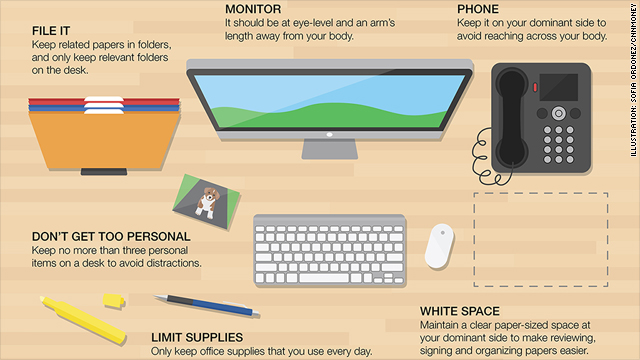
Your work environment has a significant impact on your concentration and productivity. A cluttered or disorganized space can hinder your ability to focus. Create a workspace that is tidy, free from unnecessary distractions, and equipped with the tools you need. Simple adjustments such as keeping your desk clean, ensuring proper lighting, and adding elements that boost your mood can significantly enhance your ability to work efficiently.
4. Minimizing Distractions and Practicing Mindfulness
Identify and Eliminate Distractions
One of the biggest challenges in maintaining productivity is dealing with distractions. Start by identifying common interruptions in your daily routine; these might include phone notifications, social media, or even background noise. Once identified, take steps such as silencing your phone, using website blockers, or creating a designated quiet space to mitigate these distractions. By proactively controlling your environment, you can maintain a higher degree of focus on your most important tasks.
Practice Mindfulness and Stress Reduction
Incorporating mindfulness practices such as meditation, deep breathing, or short moments of reflection can help reduce stress and enhance clarity. These practices train your mind to remain in the present moment, which is essential when juggling numerous tasks. Taking time out for mindfulness can provide the mental break you need to return to work with renewed focus, thereby enhancing your overall productivity.
5. Leveraging Technology for Enhanced Productivity
Use Productivity Tools and Apps
There is a multitude of digital tools designed to streamline tasks and improve productivity. Project management applications like Asana, Trello, and Todoist enable you to keep track of tasks, set deadlines, and even collaborate with colleagues in real time. These tools help keep all your tasks organized and reduce the friction associated with manually tracking daily responsibilities.
Automation and Delegation
Besides task management apps, consider leveraging automation tools to handle repetitive tasks. Whether it is scheduling emails, data entry, or social media posts, automating these activities can free up a significant amount of time, allowing you to focus on the tasks that truly require your expertise.
6. Accountability and Continuous Improvement
Reflect and Adjust
At the end of each day, it is helpful to reflect on what was accomplished and identify areas for improvement. A daily review allows you to analyze which strategies worked and which did not, enabling you to fine-tune your approach under real-time conditions. This continuous improvement cycle is essential for long-term productivity enhancements. Consider keeping a journal to track your daily accomplishments, challenges, and ideas for refining your routine.
Accountability Partners and Collaborative Goals
Another powerful method to remain consistent and improve productivity is by partnering with a colleague or friend. An accountability partner helps ensure that you remain committed to your goals while providing both motivation and constructive feedback. Alternatively, joining online productivity groups or forums can expose you to additional techniques and perspectives, further enriching your productivity arsenal.
Visualizing Your Daily Productivity Plan
An effective method to integrate and visualize all these techniques is by creating a daily productivity table. The table below illustrates a sample schedule that combines goal setting, focused work periods, and strategic breaks:
| Time Block | Activity | Purpose |
|---|---|---|
| 6:00 AM - 7:00 AM | Morning Routine | Exercise, healthy breakfast, and planning |
| 7:00 AM - 9:00 AM | High-Priority Tasks | Work on Most Important Tasks during peak energy |
| 9:00 AM - 9:15 AM | Short Break | Rejuvenate with a quick rest or walk |
| 9:15 AM - 12:00 PM | Focused Work Session | Engage in deep work using the Pomodoro Technique |
| 12:00 PM - 1:00 PM | Lunch Break | Have a nutritious meal and relax |
| 1:00 PM - 3:00 PM | Administrative Tasks | Handle emails, scheduling, and planning future tasks |
| 3:00 PM - 3:15 PM | Short Break | Rest and recharge with some light activity |
| 3:15 PM - 5:00 PM | Collaborative Work/Meetings | Focus on teamwork and discussion, checking progress |
| 5:00 PM - 6:00 PM | Review and Planning | Reflect on the day and plan for the next day |
This schedule is not one-size-fits-all, but it provides a structure that you can personalize according to your own energy peaks and work responsibilities. Adjust the duration of each time block and insert additional breaks as needed. The key is to balance intense periods of focus with moments for relaxation and reflection.
Implementing Healthy Habits for Sustained Productivity
Physical Health and Wellness
Maintaining high productivity is intricately linked with your overall physical and mental health. Regular exercise, balanced nutrition, and sufficient sleep are non-negotiable pillars of a sustainable, productive lifestyle. A solid morning routine not only boosts energy levels but cements a positive mindset for the day ahead. Additionally, staying well-hydrated and managing stress through techniques such as meditation or mindfulness further empower your productivity by enhancing focus and reducing burnout.
Mental and Emotional Well-being
Productivity isn’t just about managing external tasks—it is equally about nurturing your internal state. Mindfulness practices help you remain present, reduce anxiety, and create an optimal mental environment for creative problem-solving and decision-making. By periodically stepping away from demanding work to engage in brief mindfulness or stress reduction exercises, you can prevent mental fatigue and preserve your cognitive resources for when they are most needed.
Leveraging Technology and Tools
Digital Tools for Task Organization
The digital age offers a vast array of tools that can help streamline and automate many elements of your workflow. Task management applications such as Trello, Asana, or Todoist serve as personal assistants that help you track deadlines, assign priorities, and monitor progress with visual boards and lists. When combined with calendar apps that integrate time blocking, these tools create a comprehensive system that empowers you to manage your tasks effectively throughout the day.
Automation and Efficiency
Consider employing automation to reduce manual repetitive tasks. Many online services allow you to schedule emails, automate social media posts, and manage notifications so that you can focus on the work that really matters. By delegating and automating routine activities, you free up mental bandwidth for innovative thinking and complex problem-solving.
Review, Adapt, and Grow
Daily Reflection and Adjustment
A productive day is often also a day of learning and improvement. Spend a few minutes at the end of each day reflecting on what worked well and what needs refining. Analyzing your wins and areas of struggle not only motivates you but provides insights on adjustments needed to boost your next day’s performance. Recording these thoughts in a journal or productivity diary can be a helpful reference for tracking long-term progress.
Accountability Mechanisms
Whether it's partnering with a colleague or joining a productivity-focused community online, accountability can play a crucial role in keeping you on track. Regular check-ins or progress-sharing sessions with an accountability partner help to sustain motivation and reinforce the discipline needed to adhere to your daily strategies.
Resources and Further Reading
To further assist your journey to heightened productivity, consider exploring the following resources. They provide deeper insights, additional tips, and broader perspectives on managing your time and maintaining a healthy work-life balance:
References
- Productivity Tips - Juliety
- How to Be More Productive - Asana
- Best Productivity Hacks - Simplilearn
- How to Be Productive - Oprah Daily
- Boosting Productivity - APA
Recommended Queries for Further Insights
Last updated March 11, 2025