
Social and Professional Issues
Exploring Competency, Integrity, and Professional Responsibility
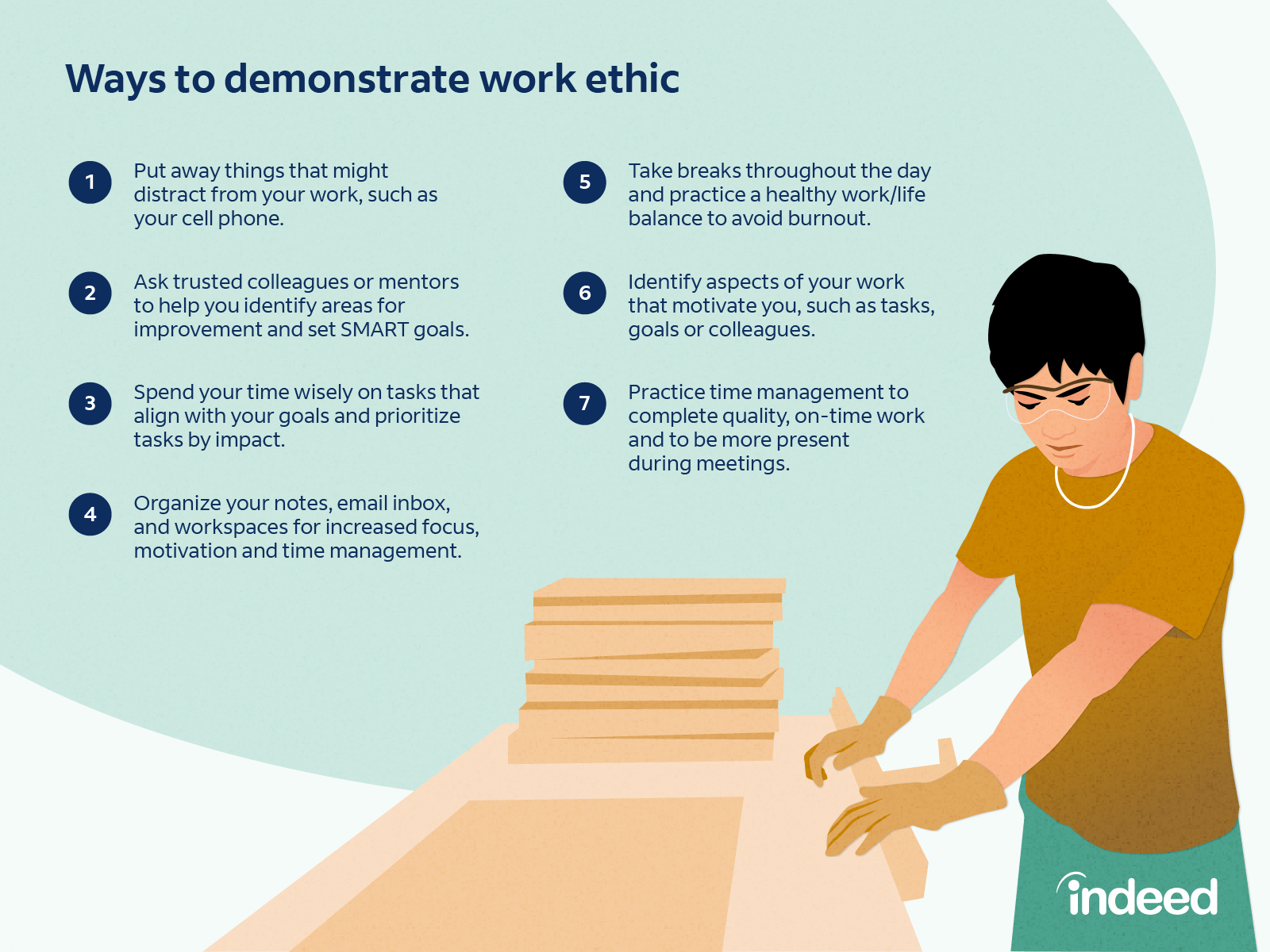
Key Highlights
- Definition Clarity: Understanding professional competency, integrity, and responsibility to the profession.
- Real-World Examples: Practical illustrations from fields such as medicine, law, and engineering.
- Ethical and Professional Insights: The importance of continuous development, ethical decision-making, and obligation to uphold professional standards.
Professional Competency and Integrity I (Week 6)
Definition
Professional Competency and Integrity I focuses on the foundational skills, knowledge, and ethical behaviors that a professional must possess to perform their job at the expected standard. Professional competency refers to the mastery of technical skills and industry-specific knowledge, while integrity pertains to maintaining honesty, transparency, and a strong moral framework in every professional action.
Example
Consider an experienced engineer who not only holds deep technical knowledge in designing safe structures but also adheres strictly to safety regulations even when pressured by external factors such as client cost-cutting demands. This engineer’s commitment to integrity ensures that designs remain compliant with safety standards, showcasing both competency and ethical commitment.
Insights
Key Insights from Professional Competency and Integrity I:
Professionals in any field must continuously update their skills and knowledge through ongoing education, training, and self-assessment. Upholding integrity means that personal values align with organizational and industry ethical standards, building trust among colleagues and clients. This commitment lays the groundwork for accountability, transparency, and the maintenance of high-quality professional services.
Images of the Topic
While actual images cannot be attached here, suitable visuals would include diagrams depicting the interrelation between technical skills and ethical practice, or photographs of professionals in a work setting demonstrating a commitment to ethical standards. Think of an engineer reviewing blueprints with a team in a modern office setting, symbolizing both technical expertise and ethical diligence.
What Did I Learn?
The core takeaway from Professional Competency and Integrity I is the inseparable link between the ability to perform a task effectively and the moral imperative to do so with honesty. It reiterates the idea that technical skill without ethical backing is incomplete, and truly professional behavior originates from a balance of competence and integrity.
Professional Competency and Integrity II (Week 7)
Definition
This advanced topic builds on the previous week’s concepts, delving deeper into how professionals can apply ethical principles in complex, real-world situations requiring nuanced decision-making. It emphasizes the role of integrity not only as a personal standard but also as a guiding principle in leadership and in influencing an organization’s ethical climate.
Example
In the healthcare field, a doctor who constantly updates their medical expertise while balancing the humane aspects of patient care shows Professional Competency and Integrity II. Even in the face of challenging decisions—such as disclosure of a difficult diagnosis—the doctor acts in a transparent and honest manner, thus reinforcing trust and leading by example.
Insights
Key Insights from Professional Competency and Integrity II:
The evolution to this higher level of professional integrity requires self-reflection and the courage to confront ethical dilemmas. In leadership roles, demonstrating integrity means taking responsibility for decisions, inviting constructive criticism, and leading transparent negotiations. It is about embedding ethical considerations into every decision—even those that carry significant consequences. This strategy not only enhances personal credibility but also elevates the ethical standards of entire teams.
Images of the Topic
Visual representations suitable for this topic would include images of group discussions in a boardroom, leadership workshops, or professionals engaged in strategic meetings, signifying collaborative ethical decision-making and respectful dialogue.
What Did I Learn?
The essential lesson from Professional Competency and Integrity II is the importance of embedding ethical principles in the decision-making process at all levels. It emphasizes that a commitment to ethical behavior requires continuous education, transparent leadership, and a willingness to tackle complex challenges head-on.
Responsibility to Profession (Week 9)
Definition
Responsibility to Profession refers to the duty that professionals have towards maintaining and advancing ethical standards, integrity, and competence within their field. This includes obligations to clients, colleagues, regulatory bodies, as well as to society at large. It is about ensuring that personal actions collectively contribute to enhancing the reputation, efficacy, and societal value of the profession.
Example
An example can be seen in the legal field where a lawyer not only defends their client zealously but also maintains transparency and fairness throughout the legal process, ensuring that the integrity of the legal system is not compromised. By advocating for justice while following strict ethical codes, the lawyer upholds responsibility to the profession.
Insights
Key Insights from Responsibility to Profession:
Being part of a professional community means that one’s actions have implications beyond personal success. The collective reputation of a profession hinges on each member’s commitment to ethical practices and public welfare. This responsibility includes mentoring newer professionals, actively engaging in professional organizations, and continually striving to set exemplary standards. Such practices foster a trustworthy professional environment that benefits society as a whole.
Images of the Topic
Appropriate images might involve professionals participating in community service, attending professional conferences, or engaging in mentorship activities. The imagery should evoke the sense of community and shared responsibility that bolsters the collective reputation of the field.
What Did I Learn?
Responsibility to the profession reinforces the idea that individual ethical actions contribute significantly to the overall standing and advancement of an entire field. Engaging with professional organizations, mentoring peers, and upholding the highest ethical standards are not just personal choices—they are responsibilities that ensure the progress, trustworthiness, and sustainability of professional practice.
A Comprehensive Comparison Table
| Aspect | Professional Competency and Integrity I (Week 6) | Professional Competency and Integrity II (Week 7) | Responsibility to Profession (Week 9) |
|---|---|---|---|
| Definition | Foundation of technical skills and ethical behavior | Advanced application of ethical standards in complex decision-making | Duty to uphold and enhance the collective reputation of the profession |
| Real-World Example | Engineer adhering to safety regulations | Doctor practicing transparent patient care in difficult cases | Lawyer balancing client defense with strict legal ethics |
| Key Insights | Continuous learning and transparency build trust | Ethical leadership requires courage and balanced decision-making | Individual actions contribute to the broader professional community |
| Visual Representation | Blueprints and technical diagrams | Group discussions and strategic meetings | Community conferences and mentorship events |
| Learning Outcome | Pairing skills with ethical integrity is crucial | Embedding ethics in decision-making enhances leadership | Collective ethical commitment elevates professional standards |
References
- How to Maintain Professional Integrity in the Workplace - Indeed
- Code of Ethics and Conduct - ACCA Global
- Professional Integrity | Office of Human Resources
- Integrity in the Workplace (What It Is & Why It's Important) - Positive Psychology
- Professional Responsibility - Wikipedia
Recommended Related Queries
 cdn.ymaws.com
Last updated March 14, 2025