
Unlocking Digital Goldmines: Finding High-Traffic, Low-Competition Niches
Leveraging insights from successful websites to identify your next profitable online venture.
Identifying a promising niche is crucial for online success. It involves finding that sweet spot with substantial audience interest (high traffic potential), relatively few dominant players (low competition), and viable ways to generate revenue (monetization). By analyzing diverse successful websites, we can uncover patterns and derive new, potentially lucrative niche ideas for 2025 and beyond.
Key Insights for Niche Success
- Specificity is Power: Targeting hyper-specific sub-niches or underserved audiences within broader markets often reveals areas with lower competition and highly engaged users (e.g., focusing on sustainable farming tech instead of general agriculture).
- Utility & Data Endure: Providing valuable data, tools, or calculators attracts consistent traffic driven by specific needs. Specialized tools (e.g., niche industry calculators) face less competition than generic ones.
- Community & Curation Thrive: Building a community around a shared interest or curating unique content (like retro tech archives or positive news) can create a loyal following and differentiate your site in crowded markets.
Analyzing Successful Websites to Inspire Niche Ideas
Let's examine the provided websites to understand their niche strategies and derive potential opportunities:
1. Specialized Data & Information Hubs
Example: TractorData.com (Agricultural Machinery Specs)
This site caters to a specific audience (farmers, mechanics, enthusiasts) needing detailed information about tractors. Its success lies in compiling comprehensive data within a focused industrial niche.
Derived Niche Ideas:
- Sustainable Farming Technology Reviews: Focus on eco-friendly equipment, smart farming tools, and regenerative agriculture techniques. Lower competition than broad agriculture, tapping into a growing trend. Monetization via affiliate links to specialized suppliers and targeted ads.
- Vintage Machinery Restoration Guides: Target hobbyists restoring classic tractors, cars, or industrial equipment. Low competition due to specificity. Monetization through premium guides, community forums, and affiliate links for rare parts.
- Niche Industrial Equipment Data Aggregator: Expand the model to other underserved sectors like specialized construction tools, forestry machinery, or laboratory equipment specifications. Monetization via premium data access, industry-specific advertising.
2. Price Comparison & Deal Finders
Example: DiskPrices.com (Storage Device Price Comparison)
This site focuses on a specific tech category (storage) and provides value through price comparison, attracting buyers actively looking for deals.
Derived Niche Ideas:
- Budget Data Storage Solutions for Creatives: Target photographers, videographers, and designers seeking cost-effective storage (SSDs, NAS, Cloud) tailored to their workflow needs. Monetization through affiliate links (Amazon, B&H Photo) and sponsored reviews.
- PC Performance Upgrade Guides (RAM & More): Focus specifically on guiding users through identifying and installing compatible RAM and other performance-boosting components, comparing prices and performance benchmarks. Affiliate links and potentially small digital guides are key monetization methods.
- Niche Tech Component Price Tracking: Monitor and compare prices for highly specific components like server RAM, specialized GPU models for AI/ML, or components for custom mechanical keyboards. Caters to enthusiasts and professionals, monetized via affiliate links and targeted ads.
3. Content Aggregation & Curation
Example: DrudgeReport.com (News Aggregation)
While general news aggregation is highly competitive, Drudge Report succeeded with a distinct style and curation. The opportunity lies in applying aggregation/curation to specific, less-covered areas.
Derived Niche Ideas:
- Hyper-Local Community News & Events Aggregator: Focus intensely on a specific neighborhood or small town, aggregating local news, events, government notices, and resident submissions. Monetization via local business advertising and sponsored posts.
- Industry-Specific Trend Digest (e.g., Renewable Energy): Curate and summarize key news, research breakthroughs, policy changes, and job openings within a specific industry like green energy, biotech, or space exploration. Target professionals with premium newsletters and industry-specific ads.
- Solutions-Focused & Positive News Hub: Aggregate stories focusing on innovation, positive social impact, scientific breakthroughs, and solutions to global challenges, offering an alternative to often negative news cycles. Monetization through ads and potentially reader donations/memberships.
4. Utility Tools & Calculators
Example: UnitConverters.net (Unit Conversion Tools)
Utility sites attract broad audiences needing specific functions. The key to lower competition is creating *specialized* tools.
Derived Niche Ideas:
- Specialized Financial Calculators for Freelancers: Tools for estimating quarterly taxes, calculating project profitability, comparing payment processors, or managing retirement savings specifically for gig workers. Monetization via affiliate links to financial products/services and premium tool versions.
- DIY Project Calculators (Construction/Crafting): Tools for estimating material needs for home renovation (paint, flooring, lumber) or crafting projects (fabric, yarn), including waste calculation. Monetization through ads and affiliate links to home improvement or craft stores.
- Eco-Impact Measurement Tools: Calculators for estimating the carbon footprint of travel, diets, consumer purchases, or home energy use, providing actionable reduction tips. Monetization via ads for sustainable products/services and potentially partnerships with environmental organizations.
5. Unique E-commerce & Service Models
Example: LingsCars.com (Quirky Car Leasing)
This site stands out in the competitive automotive market through unique branding and personality. Differentiation is key.
Derived Niche Ideas:
- Niche Vehicle Subscription/Leasing Service: Focus on underserved vehicle types like electric cargo bikes, classic car rentals for events, or pre-converted camper vans. Monetization through direct service fees and partnerships.
- Personalized & Quirky Car Accessory E-commerce: Sell unique, customizable, or humor-themed car accessories (e.g., custom air fresheners, funny license plate frames, niche hobby decals) via dropshipping or print-on-demand. Low competition for highly specific items.
- Budget Electric Vehicle (EV) Ownership Guides: Focus on the practicalities of owning and maintaining older or budget-friendly EVs, including charging guides, DIY repairs, and cost comparisons. Monetization through affiliate links for parts/accessories and ads.
6. Archival & Historical Content
Example: TextFiles.com (Digital Text Archive)
Appeals to a niche audience interested in digital history and preservation. Unique content is the main draw.
Derived Niche Ideas:
- Digital Preservation Tutorials & Resources: Guide individuals and small organizations on how to digitize and preserve old photos, documents, home videos, or personal digital files. Monetization via online courses, affiliate links to scanning hardware/software, or consulting.
- Retro Gaming & Software Community Hub: Build a platform around specific retro consoles or computer platforms, featuring game archives (where legal), emulation guides, hardware modding tutorials, and community forums. Monetization through ads, affiliate links (retro game stores, hardware components), and potentially merchandise.
- Oral Histories of Internet Pioneers Blog/Podcast: Interview people involved in the early days of the internet, specific online communities, or tech developments. Unique content attracts a dedicated audience. Monetization via sponsorships, Patreon/donations, and potentially book deals.
7. Curated Entertainment & Viral Content
Example: BoredPanda.com (Viral Content Curation)
Success in the viral content space relies on strong curation and identifying specific angles that resonate with large audiences.
Derived Niche Ideas:
- Niche Viral Pet Content Hub (e.g., Specific Breeds/Species): Focus intensely on funny/heartwarming content about a specific type of pet (e.g., Corgis, parrots, reptiles), combined with expert care tips. Monetization via ads, affiliate links to pet products, and branded merchandise.
- Upcycling & Creative Reuse Project Showcase: Curate and feature innovative DIY projects focused on transforming waste materials into useful or artistic items. Taps into sustainability and crafting trends. Monetization via ads, affiliate links (craft supplies), and potentially selling project plans.
- AI-Generated Art & Tools Showcase: Curate stunning examples of AI art across different styles/platforms, feature artist interviews, and review AI art generation tools. Rapidly growing niche. Monetization via ads, affiliate links to AI tools/platforms, and potentially premium tutorials.
Visualizing Niche Potential: A Comparative Overview
To better understand the relative strengths of some derived niche ideas, the following chart provides an estimated comparison across key factors. Note that 'Competition Level' is inverted: a higher score indicates lower competition, which is more desirable. These scores are estimations based on market trends and potential challenges.
Mapping the Niche Landscape
This mindmap illustrates the relationships between the core website concepts and the derived niche opportunities, highlighting pathways to potentially profitable ventures.
(Low Competition, High Traffic)"] id1["Specialized Data & Info"] id1a["Sustainable Farming Tech Reviews"] id1b["Vintage Machinery Restoration"] id1c["Niche Industrial Equipment Data"] id2["Price Comparison & Deals"] id2a["Budget Storage (Creatives)"] id2b["PC Performance Upgrades"] id2c["Niche Component Tracking"] id3["Content Curation & Aggregation"] id3a["Hyper-Local News"] id3b["Industry Trend Digests"] id3c["Positive/Solutions News"] id4["Utility Tools & Calculators"] id4a["Freelancer Financial Tools"] id4b["DIY Project Calculators"] id4c["Eco-Impact Calculators"] id5["Unique E-commerce & Services"] id5a["Niche Vehicle Subscriptions"] id5b["Quirky Car Accessories"] id5c["Budget EV Ownership Guides"] id6["Archival & Historical Content"] id6a["Digital Preservation Guides"] id6b["Retro Gaming Community"] id6c["Internet History Oral Histories"] id7["Curated Entertainment & Viral"] id7a["Niche Pet Content Hub"] id7b["Upcycling Project Showcase"] id7c["AI Art Showcase & Tools"]
Monetization Strategies for Niche Websites
Choosing the right monetization strategy is vital. Many successful niche sites employ a mix of methods. Based on the analysis and examples, here are common and effective approaches:
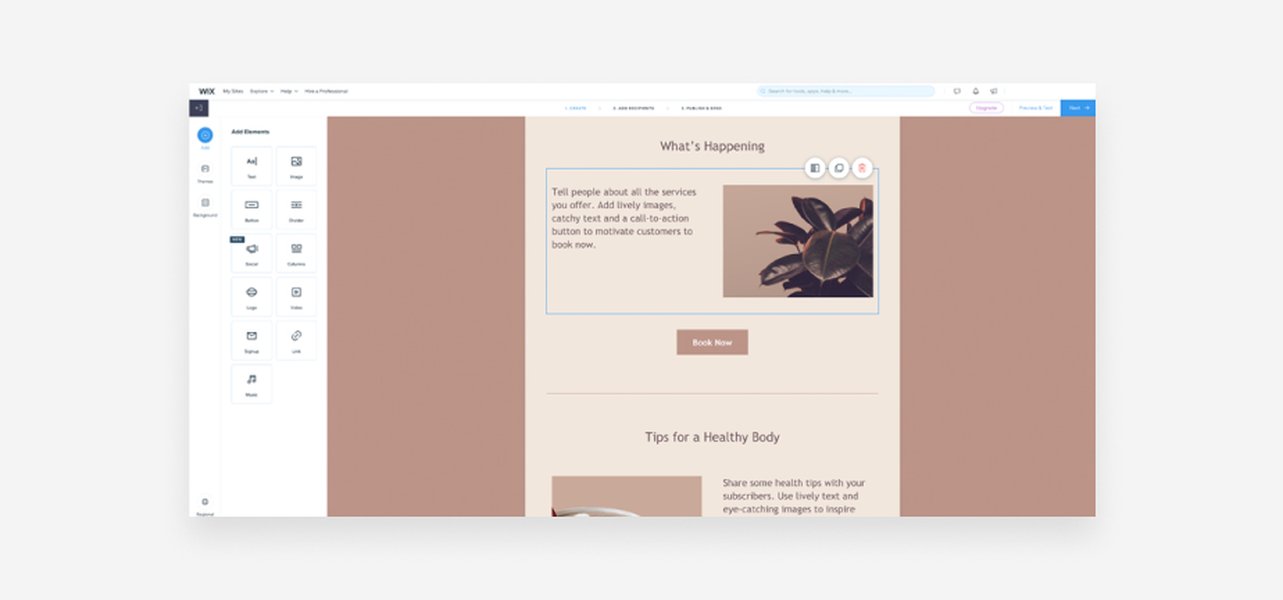
Common methods for monetizing website traffic.
| Monetization Method | Description | Best Suited For | Example Niches |
|---|---|---|---|
| Affiliate Marketing | Earning commissions by promoting other companies' products or services. | Review sites, comparison sites, content recommending specific products/tools. | Budget Tech Storage, Sustainable Farming Tech, PC Upgrade Guides, Niche Pet Hubs |
| Display Advertising | Showing ads (e.g., Google AdSense, Mediavine, Ezoic) on your site. | High-traffic sites, utility sites, news/entertainment content. | Unit Converters, News Aggregators, Viral Content Hubs, Free Calculators |
| Selling Digital Products | Creating and selling your own e-books, courses, templates, software, or tools. | Sites with expertise, educational content, communities. | Vintage Machinery Restoration Guides, Digital Preservation Tutorials, Freelancer Financial Tools (Premium), AI Art Tutorials |
| Sponsored Content/Reviews | Getting paid by brands to publish articles, reviews, or mentions about their products/services. | Sites with a dedicated audience and influence in a specific niche. | Industry Trend Digests, Niche Vehicle Guides, Tech Review Sites |
| E-commerce / Dropshipping | Selling physical products directly or via a third-party fulfillment model. | Sites focused on specific product categories or hobbies. | Quirky Car Accessories, Niche Pet Hubs (Merchandise), Retro Gaming Community (Merch) |
| Memberships / Subscriptions | Charging users a recurring fee for access to premium content, features, or community. | Community sites, sites with exclusive data/tools, in-depth courses. | Niche Industrial Equipment Data, Industry Trend Digests (Premium Newsletter), Retro Gaming Community (Premium Forums) |
| Donations | Asking users for voluntary contributions to support the site. | Archival sites, free utility tools, non-profit oriented content. | TextFiles-like Archives, Positive News Hubs, Eco-Impact Calculators |
Often, a combination of these methods yields the best results. For example, a tech review site might use both affiliate links and display ads, while a community hub could offer memberships alongside merchandise.
Video Insight: Examples of Profitable Niche Websites
Exploring real-world examples can provide valuable inspiration and understanding of how niche websites operate and generate income. This video showcases several niche websites earning significant revenue, demonstrating the viability of focused online businesses.
Watching examples like these helps illustrate how different niches, content strategies (like detailed reviews, comprehensive guides, or community building), and monetization models (affiliate marketing, ads, digital products) come together to create successful online ventures. Key takeaways often include the importance of quality content, understanding the target audience's needs, and persistent effort in building traffic and authority.
Frequently Asked Questions (FAQ)
How do I validate if a niche idea has low competition?
Validating competition involves several steps:
- Keyword Research Tools: Use tools like Ahrefs, SEMrush, or Google Keyword Planner to check the "Keyword Difficulty" or competition score for your main target keywords. Lower scores (e.g., under 30-40) often indicate lower SEO competition.
- Analyze Search Results (SERPs): Google your main keywords. Are the top results dominated by huge authority sites (like Wikipedia, major news outlets, giant brands) or smaller, more focused niche sites? The presence of smaller sites suggests opportunity. Look at the quality and depth of their content – can you do better?
- Check Domain Authority (DA) / Domain Rating (DR): Use tools (like MozBar or Ahrefs toolbar) to check the authority scores of the websites ranking on the first page. If many have low-to-moderate scores, it's easier to compete than if they are all high-authority domains.
- Look for Content Gaps: Are there specific questions within the niche that aren't being answered well? Are there outdated articles? Finding these gaps allows you to create content that fills a specific need.
- Community Search: Check forums like Reddit or Quora, and Facebook groups related to the niche. Are people actively asking questions that aren't well-covered by existing websites?
What's more important: high traffic or low competition?
Ideally, you want a balance, but for beginners, **lower competition is often more advantageous.** Here's why:
- Easier to Rank:** It's significantly easier and faster to gain visibility in search engines for keywords with low competition. This means you can start getting *some* traffic sooner.
- Targeted Audience:** Low-competition niches often cater to very specific needs. While the total traffic might be lower than a broad niche, the visitors are often highly targeted and more likely to convert (e.g., click affiliate links, buy products, sign up for newsletters).
- Building Authority:** It's easier to become a recognized authority in a smaller pond. This builds trust and loyalty.
A niche with millions of searches but dominated by giants is incredibly hard to break into. A niche with only a few thousand searches per month but very little direct competition can be quite profitable if the audience has purchasing intent or specific problems you can solve.
How much traffic do I need to make money?
There's no single answer, as it heavily depends on your niche, monetization methods, and audience engagement.
- Ad Revenue:** Sites relying purely on display ads typically need significant traffic (often tens of thousands of monthly visitors) to generate substantial income, especially through premium ad networks like Mediavine or AdThrive which have minimum traffic requirements (e.g., 50k sessions/month).
- Affiliate Marketing:** You can make money with less traffic if your audience is highly targeted and trusts your recommendations. A few hundred highly engaged visitors per month clicking high-value affiliate links can be more profitable than thousands of untargeted visitors viewing ads.
- Digital Products/Services:** If you sell your own high-value course or service, you might only need a small number of customers (and thus less overall traffic) to reach your income goals.
- Niche Profitability:** Some niches have higher commercial intent than others. A site about choosing expensive software will likely earn more per visitor via affiliate links than a site sharing free recipes monetized by ads.
Focus on attracting the *right* traffic – visitors genuinely interested in your niche – rather than just vanity metrics. Even 1,000 targeted monthly visitors can generate income with the right strategy.
Can I enter a niche that already has some competition?
Yes, absolutely. Very few truly "zero competition" niches exist. The key is to find ways to differentiate yourself:
- Go Deeper/More Specific:** If competitors cover a broad topic, focus intensely on a sub-topic they only touch upon lightly.
- Target a Different Angle:** Offer a unique perspective (e.g., budget-focused, sustainability-focused, beginner-friendly).
- Better Content Quality:** Create more comprehensive, up-to-date, better-researched, or more engaging content (e.g., better visuals, videos, calculators).
- Build Community:** Foster interaction through comments, forums, or social media groups where competitors might be lacking.
- Unique Branding/Voice:** Develop a distinct personality for your site, like LingsCars.com does.
- Focus on Long-Tail Keywords:** Target very specific, longer search queries that established players might ignore.
Don't be discouraged by existing players. Analyze what they do well and, more importantly, what they *don't* do well or where they leave gaps you can fill.
Recommended Further Exploration
To delve deeper into specific aspects of niche selection and website building, consider exploring these related queries:
- How to perform keyword research for low-competition niches?
- What are the best monetization strategies for utility websites and online tools?
- Examples of successful micro-niche news aggregation sites?
- How to build an engaged online community around a niche hobby?
References
Last updated May 5, 2025