
Project Management Process
A comprehensive guide to managing projects from start to finish
Highlights
- Phases and Steps: Understand the five key phases: initiation, planning, execution, monitoring & controlling, and closure.
- Essential Documentation: Importance of charters, work breakdown structures, risk management, and stakeholder plans.
- Integrated Management: Utilizing methodologies and real-time monitoring for project success.
Introduction to the Project Management Process
Effective project management is a critical component for the success of any project. By following a well-defined process, organizations can not only drive their projects to successful completion but also manage risks, optimize resource allocation, and ensure high-quality outputs. The project management process consists of several phases that guide the project from its initiation to its closure. These phases provide a structured methodology to plan, execute, monitor, and finalize projects, ensuring that every critical aspect is addressed.
Understanding the Five Key Phases
The commonly accepted framework for the project management process is composed of five distinct phases. Each phase builds upon the previous one, ensuring a seamless flow from idea conception to project closure. Below is an in-depth explanation of each phase:
1. Initiation
The initiation phase marks the formal beginning of the project. During this phase, the project’s purpose is defined at a high level. Essential tasks include:
Defining the Project Charter
The project charter is a crucial document that outlines the primary objectives, scope, constraints, assumptions, and budget estimates. It also identifies the key stakeholders involved and serves as a formal contract with the sponsor or the customer. By establishing clear goals and delivering expectations, the project charter sets the foundation for the project and aligns the vision of all those involved.
Identifying Stakeholders
Early identification of stakeholders ensures that the voice of every individual or group that may be affected by the project is heard. This also fosters an environment of collaboration and transparency, which is essential for later stages.
2. Planning
The planning phase is where the detailed roadmap of the project is developed. It is arguably the most time-intensive phase, as it directs the project execution and management techniques. The planning phase encompasses several major tasks:
Developing a Detailed Project Plan
An effective project plan outlines the critical tasks, dependencies, timelines, and milestones. It typically includes a comprehensive work breakdown structure (WBS) that divides the project into manageable segments. Each segment is assigned to responsible team members, thus facilitating accountability.
Resource and Risk Management
During planning, determining the necessary resources—human, financial, and material—is essential. A risk management plan is also established to identify potential risks and create mitigation strategies. This proactive approach in resource allocation and risk assessment minimizes unforeseen delays during implementation.
Scheduling and Budgeting
Creating a realistic schedule along with an accurate budget is key to ensuring that the project is delivered within the stipulated timeframe and cost constraints. This stage may involve using visual tools like Gantt charts or project management software to map out timelines and resource usage effectively.
Communication and Stakeholder Engagement
Establishing channels of communication and a stakeholder management plan is paramount in keeping everyone informed about progress, risks, and changes. The planning phase thus not only strategizes the project but also creates a roadmap for effective communication.
3. Execution
In the execution phase, the project plan is put into action. This is where the actual work takes place as project team members carry out their assigned tasks. Effective execution requires robust coordination, efficient communication, and diligent management to meet project goals.
Implementation of the Project Plan
With roles and responsibilities clearly defined in the planning phase, the execution stage focuses on task implementation. The project manager is at the center of this process, ensuring that tasks are performed on time and that quality standards are maintained.
Team Coordination and Leadership
The project manager coordinates the team’s activities, resolves conflicts, and facilitates adequate communication among team members. This leadership role is crucial for maintaining schedule adherence and ensuring that each team member is clear about their responsibilities.
Quality and Performance Management
Throughout the execution phase, quality control measures are applied to ensure that deliverables meet predetermined criteria. Performance indicators are continuously monitored to ensure the project remains consistent with its objectives.
4. Monitoring and Controlling
Monitoring and controlling is an ongoing process that runs concurrently with project execution. This phase is focused on tracking the progress of the project, ensuring that it stays on course, and adjusting plans as needed to mitigate risks.
Progress Tracking
Detailed progress tracking is implemented using key performance indicators (KPIs) and other metrics. By comparing actual progress against the planned schedule and budget, project managers can identify variances and address issues proactively.
Risk and Change Management
As projects rarely go exactly as planned, having mechanisms in place for managing change requests and mitigating risks is essential. Regular reviews, status meetings, and audits help ensure that any deviations are corrected quickly, thereby preventing small issues from escalating.
Communication and Reporting
Consistent and transparent reporting to stakeholders simplifies decision-making processes and keeps everyone informed about the status of the project. This level of communication is critical for managing expectations and ensuring stakeholder satisfaction.
5. Closure
The closure phase is the final step in the project management process. It involves wrapping up the project, delivering the final product or service to stakeholders, and releasing all project resources. This phase is as critical as the others, ensuring that every aspect of the project is completed satisfactorily.
Final Deliverables and Acceptance
At the closure phase, the final deliverables are formally handed over to stakeholders. It is important that acceptance criteria have been defined earlier in the project so that this handover process is smooth and formalizes the project's completion.
Documentation and Lessons Learned
Capturing lessons learned during the execution and closure phases is crucial for continuous improvement. A thorough review helps identify success factors and areas for improvement, providing valuable insights for future projects.
Administrative Closure
Administrative tasks include archiving project documents, releasing resources, and formally closing contracts with external vendors. This ensures that all legal and contractual obligations have been met and that the project is officially concluded.
Integrating Knowledge Areas and Methodologies
Beyond the five phases, successful project management requires integrating several knowledge areas. These include scope management, schedule management, cost management, quality management, resource management, communication management, risk management, procurement management, stakeholder management, and integration management.
Essential Knowledge Areas
Scope Management: This area focuses on defining and controlling what is included and excluded in the project, thereby preventing scope creep. Establishing clear deliverables from the start avoids misunderstandings later.
Schedule and Cost Management: These elements ensure the project remains on time and within budget. Scheduling is often visualized through Gantt charts and timelines, while cost management involves rigorous budgeting and expense tracking.
Quality Management: Quality assurance practices ensure that deliverables meet the required standards. Regular audits and quality checks throughout the project prevent issues before they become significant problems.
Risk and Communication Management: These areas are imperative to respond to unforeseen events and keep team members and stakeholders informed about updates as the project evolves.
Approaches and Methodologies
A variety of project management methodologies are used across industries, and the approach may be tailored to the project’s size, complexity, and industry. Traditional phased methodologies work well for linear projects, while agile methods suit environments that require iterative progress, flexibility, and constant feedback. In many cases, hybrid methods blend aspects of both to achieve optimal outcomes.
Tools and Techniques in Project Management
Effective project management is supported by robust tools and techniques which facilitate planning, communication, tracking, and documentation. Many project managers rely on specialized software to keep every facet of the project under control.
Common Project Management Tools
Gantt Charts: Widely used for scheduling, Gantt charts provide visual timelines that help manage tasks and track the progress of each project phase.
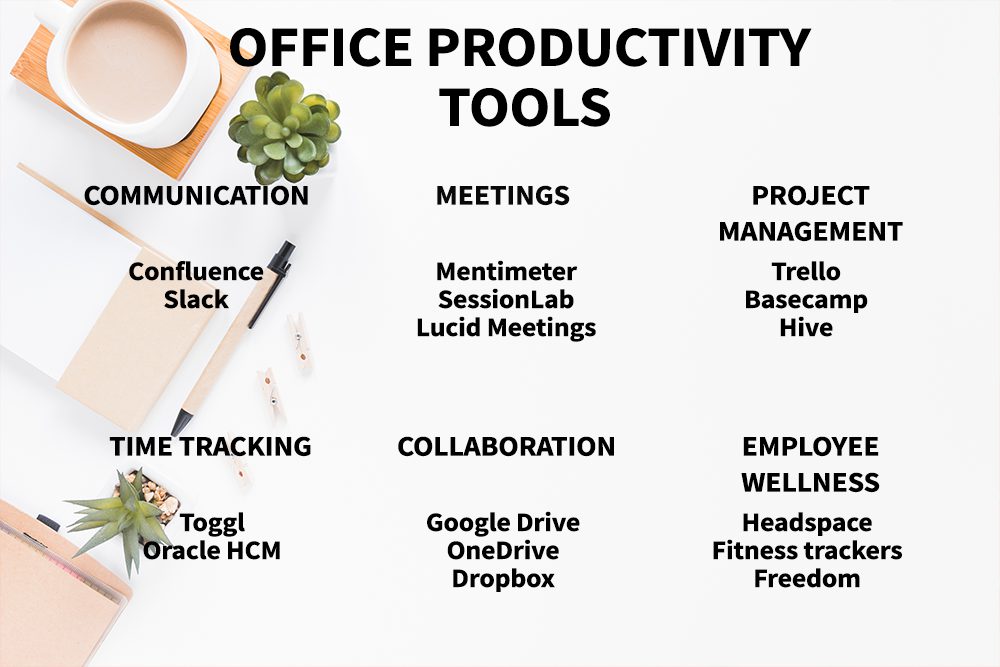
Project Management Software: Platforms such as Asana, Wrike, and other collaboration tools offer features to assign tasks, set deadlines, share documents, and communicate effectively.
Dashboards and Reporting Tools: These tools allow project managers to monitor real-time performance metrics, keeping the team informed and stakeholders updated.
Table: Key Project Management Phases and Their Components
| Phase | Key Components |
|---|---|
| Initiation | Project Charter, Business Case, Stakeholder Identification |
| Planning | Project Plan, Work Breakdown Structure, Risk Management, Budgeting, Scheduling |
| Execution | Task Implementation, Team Coordination, Quality Assurance |
| Monitoring & Controlling | Progress Tracking, Change Management, Performance Reporting |
| Closure | Final Deliverables, Documentation, Lessons Learned, Contract Closure |
Enhanced Insights for Project Success
Successfully managing a project hinges on more than just understanding its phases. The integration of management disciplines, continuous monitoring, adaptive responses to changes, and active stakeholder engagement are critical to ensuring that project outcomes meet or exceed expectations. Applying these key components improves efficiency, minimizes disruptions, and ensures the project team remains focused on the goals.
Benefits of a Structured Approach
A well-defined project management process provides numerous benefits:
Improved Resource Allocation and Efficiency
With a clear plan and a set timeline, resources can be allocated and reallocated as needed. This reduces waste and ensures that every team member’s expertise is maximized.
Risk Mitigation
A proactive approach to identifying and managing risks prevents issues from escalating. Detailed risk management plans improve the project’s overall resilience.
Enhanced Communication and Stakeholder Satisfaction
By consistently engaging stakeholders and maintaining transparent communication, a project management process builds trust and ensures that changes are managed collaboratively.
Continuous Improvement
Documenting lessons learned at the end of every project not only archives successes and failures but also provides valuable benchmarks for future projects, thereby driving continual process improvement.
Conclusion
In summary, the project management process is an essential guide that helps in structuring, implementing, and successfully closing projects. From the initial phase where the project is conceptualized and authorized, through meticulous planning, dynamic execution, vigilant monitoring, and finally formal closure, each stage plays a pivotal role in ensuring the overall success of the project.
Effective project management goes beyond following a series of linear steps—it requires integrating resource management, risk management, stakeholder communication, and quality assurance into a cohesive strategy. By applying a structured approach to project phases and leveraging powerful tools and techniques, organizations ensure that their projects are delivered on time, within budget, and to a high level of quality.
This complete guide provides insights into the fundamental phases of project management, outlines practical approaches, and emphasizes the value of continuous improvement. Whether you are managing a small project or overseeing a large-scale initiative, understanding and implementing these principles fortifies your pathway to project success.
References
- Manage A Project From Start to Finish: Step-by-Step Guide - One Thread App
- What Is The Project Life Cycle? Guide To The 5 Phases - The Digital Project Manager
- Project Management Phases: 5 Clear Steps to Success - Asana
- What Is the Project Life Cycle? 5 Phases of the Process - TeamGantt
- 5 Phases of Project Management – A Complete Breakdown - Kissflow
- The 5 Essential Phases of a Project Management Process - BusinessMap
Recommended Queries
Last updated February 25, 2025