
Final Year Project Proposal & Title Suggestions
Innovative Indie Game and App Development Strategy
Highlights
- Project Title: A creative and engaging title that reflects both narrative depth and technical prowess.
- Methodology & Documentation: Agile development powered by iterative prototyping, accompanied by thorough visual documentation including use case diagrams, flowcharts, and timeline charts.
- Target Audience & Difficulty: Tailored for teenagers and adults with a mid-to-hard difficulty indie game that is both impressive and achievable within a year.
Project Title and Concept
Crafting Your Unique Identity
When choosing a title and concept for your final year project, it’s essential to combine creativity with technical feasibility. For a project that involves creating an indie game using Unity, a similar game engine, or developing an Android app through Android Studio, you want a title that encapsulates the narrative depth and sophistication without veering toward children’s games. Instead, your project should engage teenagers and adults with intermediate to challenging gameplay.
Proposed Title: "Echos of Desolation"
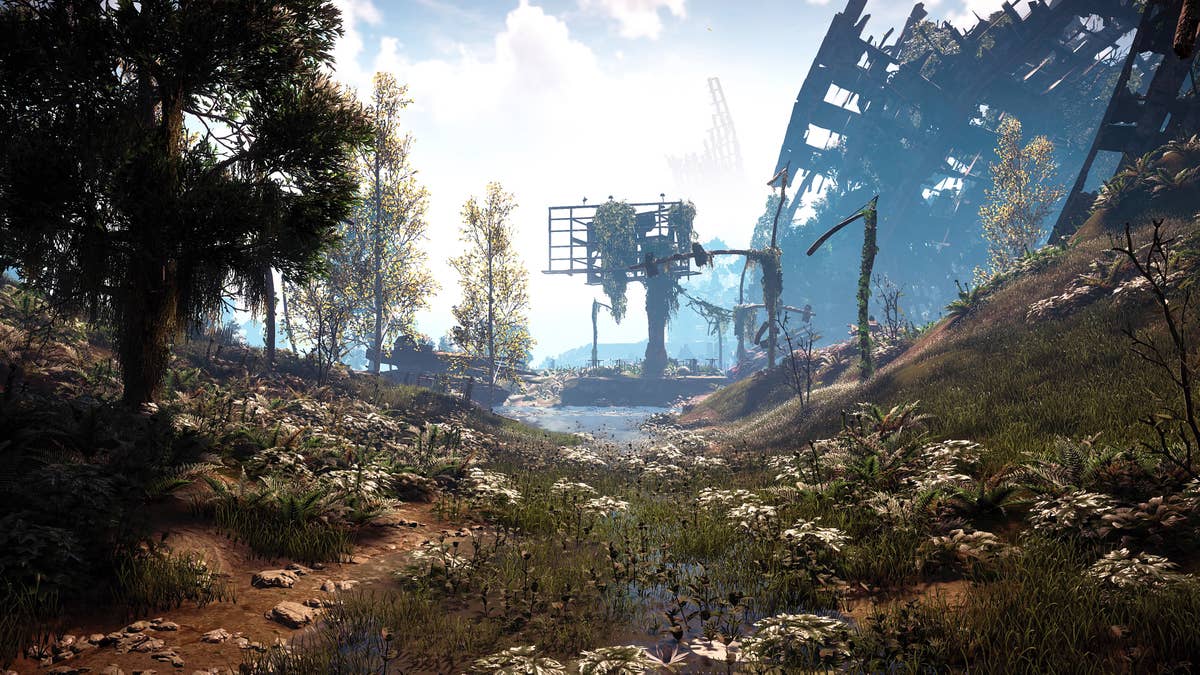
"Echos of Desolation" is a title that evokes an atmosphere of mystery, struggle, and resilience in a post-apocalyptic or dystopian setting. The title stands out for its emotional and immersive quality and implies a narrative-driven project with challenging gameplay. This title is well-suited for indie game development, emphasizing narrative depth, a mature story, and innovative mechanics that require resource management, exploration, and decision-making.
Why This Title?
This title holds several strengths:
- Mature Tone: It explicitly sets an expectation for a narrative that resonates more with older audiences, making clear that the game is targeted at teenagers and adults.
- Emotional Depth: The word "Echos" hints at a recurring theme or underlying narrative layers, while "Desolation" underscores the loneliness or harsh challenges the players must overcome.
- Game Mechanics Flexibility: The narrative can incorporate various indie game mechanics such as puzzle-solving, exploration, survival challenges, or even emotion-responsive gameplay through basic telemetry or user input.
Proposal Overview
Project Scope and Deliverables
The project framework for "Echos of Desolation" is structured to ensure that it is not only impressive but also manageable within a one-year timeline. Below, you will find a comprehensive proposal that outlines the methodology, milestone components, and essential documentation required.
1. Project Objectives
The primary objectives of this project are:
- Develop an Indie Game or App: Using Unity (or another game engine excluding Unreal) or Android Studio, create an engaging application that offers narrative depth and sophisticated mechanics.
- Target Audience Focus: Ensure that the game’s theme, tone, and complexity are tailored for teenagers and adults.
- Achieve Mid-to-Hard Level Difficulty: Incorporate puzzles, resource management, or decision-based gameplay elements that challenge players intellectually and strategically.
- Complete within a Year: Utilize an iterative design process that aligns with agile methodologies to ensure timely completion while maintaining quality.
2. Methodology
The project follows Agile Scrum methodology, which ensures flexibility and continuous improvement through short development sprints. This method is particularly effective for indie game and mobile app development because it allows for rapid prototyping and immediate incorporation of user feedback.
Key Methodological Phases:
- Research and Ideation: Formulate game concepts and conduct surveys or discussions with potential target users to gather feedback on gameplay preferences and narrative structures. This phase also involves market research to inspire innovative and relevant game mechanics.
- Design Phase: Create the Game Design Document (GDD) encompassing the gameplay mechanics, story arcs, visual styles, character definitions, and level design strategies. During this phase, prepare critical visual documentation such as use case diagrams and flowcharts which illustrate game progression and interactions.
- Development Phase: Utilize Unity or a similar engine for indie game development. Program in C# (for Unity) and design game levels that incrementally build in complexity. If opting for Android Studio, apply Java or Kotlin to develop a sleek, interactive interface. The use of asset stores can help in incorporating high-quality visuals that align with the chosen theme.
- Testing and Quality Assurance: Conduct playtesting sessions to explore game mechanics and narrative flow. Collect detailed feedback regarding difficulty levels, balance, and usability, then link these insights to subsequent sprints. Additionally, integrate automated testing tools where necessary to ensure a smooth build phase.
- Documentation and Final Presentation: Compile thorough documentation including a GDD, technical requirements, use case diagrams, state machine diagrams, and project timelines. Prepare feedback reports and risk assessment documentation as part of the final project presentation.
3. Essential Documentation
A well-documented project not only demonstrates your technical competence but also serves as a guide throughout the development cycle. The following documentation elements are highly recommended:
- Game Design Document (GDD): This comprehensive document outlines narrative elements, gameplay mechanics, art directions, and level design. It further includes game objectives, character backstories, and a detailed description of the game’s world.
- Technical Specification Document: Delineates all technical requirements, programming languages, libraries, asset requirements, and hardware compatibility details.
- Use Case Diagram: Illustrates player interactions with the game environment, mapping out main use cases like puzzle-solving, combat sequences, dialogue choices, and inventory management.
- Flowchart and State Machine Diagrams:
Flowcharts will be used to depict the narrative progression and dynamic difficulty adjustment, while state machine diagrams illustrate various game states (e.g., exploration, combat, puzzle-solving). These visualizations are critical for understanding how gameplay elements transition during a session.
- Project Timeline: A Gantt chart or similar timeline detailing all milestones from research, prototyping, alpha development phases, to beta testing and final build. For instance, the timeline could be divided into:
Phase Duration Key Deliverables Research & Ideation 1-2 months Concept Document, Feedback Analysis Design Phase 2-3 months GDD, Use Case Diagrams, Flowcharts Development Phase 4-5 months Alpha/Beta Versions, Integration of Core Mechanics Testing & QA 1-2 months Playtesting Reports, Bug Fix Lists Finalization & Documentation 1 month Final Build, Presentation, Documentation Packaging - Risk Assessment: Analyze potential risks such as technological challenges, resource constraints, or unforeseen bugs. Propose mitigation strategies.
Development Approach for Indie Game vs. Android App
Comparative Analysis and Decision Making
Depending on your personal interests and existing technical skills, you may choose to focus on either a game development project or an Android app. Both platforms offer opportunities to develop projects that are engaging, innovative, and feasible within a one-year timeframe.
Indie Game Development
An indie game project—particularly one crafted using Unity or another flexible game engine—provides the opportunity to blend narrative depth with complex gameplay mechanics. Emphasizing a mid-to-hard difficulty level through puzzles, exploration, and interactive decision-making will make "Echos of Desolation" stand out. The application of agile methodologies ensures that user feedback is promptly integrated to refine challenging game dynamics and narrative branches.
Key Factors for a Successful Indie Game:
- Atmospheric Art & Sound: Leverage asset stores to source engaging visuals and ambient sounds that create an immersive experience.
- Dynamic Gameplay: Integrate mechanics such as decision-based branching, puzzle integration, and adaptive difficulty to challenge the player.
- User Experience: Focus on creating smooth transitions between narrative and gameplay segments as well as user interfaces that are both intuitive and aesthetically pleasing.
Android App Development Route
Alternatively, using Android Studio to create an interactive app can allow you to focus on a more application-based project while still employing rich narrative elements and challenging puzzles. With proper design patterns and user-centered interfaces, the app itself can be a portfolio piece demonstrating your ability to merge functionality with design aesthetics. It might incorporate gamified elements similar to an indie game, yet with a streamlined interface adapted for mobile devices.
Key Considerations for an Android App:
- Cross-Platform Integration: Optimize the app for a range of Android devices ensuring compatibility and responsiveness across various screen sizes.
- Intuitive Design: Ensure that navigation, interaction, and access to interactive elements are designed with user-centric paradigms.
- Compact Narrative Integration: Use interactive storytelling elements that require minimal screen real estate but still offer engaging plots and decision-making outcomes.
Final Project Guidelines
Step-by-Step Directions
Here is a step-by-step blueprint to guide you through the process:
Step 1: Literature and Market Review
Begin with comprehensive research to understand current trends in indie game and app development. Examine past projects that have combined innovative storytelling and gameplay mechanics. Identifying the success factors and potential pitfalls, compile a list of ideas that align with your skills and academic resources.
Step 2: Project Planning and Ideation
Use brainstorming sessions to determine the central theme and gameplay style for "Echos of Desolation". Draft a preliminary Game Design Document outlining the main narrative arcs, core mechanics, and artistic vision. During this stage, also prepare use case diagrams and flowcharts to map out the intended user interactions and game states.
Step 3: Agile Sprint Setup
Divide the project timeline into quarterly sprints, ensuring that each sprint focuses on advancing both functional features and narrative complexity. Incorporate feedback loops at the end of each sprint to adjust the development course as needed. Use project management tools to monitor progress and maintain clear communication channels with any collaborators or mentors.
Step 4: Development and Integration
Begin coding using Unity’s C# environment or Android Studio’s Java/Kotlin. Follow best practices in software development, ensuring version control (using Git or similar tools), continuous integration, and user interface design that aligns with the project’s artistic aspirations.
Step 5: Testing, Feedback, and Iteration
Conduct user testing sessions throughout development. Compile detailed reports on gameplay balance, narrative clarity, and overall usability. Adjust game mechanics and interface designs accordingly. Use these insights to gradually refine the project until a final stable build is produced.
Step 6: Documentation and Presentation
As the final phase, consolidate all documentation including your GDD, technical specifications, and visual aids such as use case and state machine diagrams. Prepare a final presentation that clearly outlines your project’s concept, development milestones, challenges encountered, and the solutions adopted. Add supplementary materials such as a project timeline table and risk mitigation strategy for a comprehensive submission.
Conclusion and Final Thoughts
In summary, "Echos of Desolation" offers an ideal intersection of narrative depth, sophisticated gameplay mechanics, and technical feasibility for a final year project. The proposed plan utilizes an agile and iterative development approach, ensuring that the project remains flexible and adaptive to user feedback while providing ample documentation. Whether you choose to focus on indie game development using Unity or an application-based strategy with Android Studio, the outlined methodology, detailed design documents, and clear milestone breakdown provide a strong foundation for success. This project is designed to impress evaluators through its narrative complexity, mature theme, and digital innovation, and is well within a one-year timeline.
With careful planning, rigorous testing, and comprehensive documentation, your final year project will demonstrate advanced competencies in game development and project management. Follow this blueprint to balance creativity with technical precision, ensuring that each phase of development contributes effectively to a polished final product.
References
- Game Development Ideas - Java Assignment Help
- Final Year Game Development Projects - Elysium Pro
- Game Ideas for Final Year Project - Reddit
- Game Development Project Ideas - GeeksforGeeks
- Game Development Proposal Template - Pandadoc
Recommended Related Queries
Last updated February 27, 2025