
Comprehensive Project Proposal Summary
An In-Depth Overview of the Urban Reinvention Initiative
Key Takeaways
- Sustainable Urban Transformation: The proposal outlines strategies to retrofit and innovate urban areas for sustainable, low-carbon futures.
- Inclusive and Data-Driven Approach: It emphasizes multidisciplinary collaboration, integrating community engagement with evidence-based decision making.
- Phased & Impact-Oriented Implementation: The proposal details a structured roadmap with clear milestones, expected impact measures, and scalability potential.
Overview and Context
The document in question represents a comprehensive project proposal developed as part of an initiative to reinvent urban environments. This proposal is structured to address the challenges faced by rapidly growing cities amid global climate change, environmental degradation, and socio-economic inequalities. Designed within the broader C40 Reinventing Cities framework, this document is both an academic and practical blueprint aimed at transforming urban landscapes. By harmonizing sustainability, inclusiveness, and technological innovation, the proposal strives to create urban spaces that are not only resilient but also environmentally responsible.
At its core, the proposal seeks to convert underutilized urban sites into vibrant, sustainable, and inclusive spaces. It outlines strategies to integrate renewable energy, enhance urban mobility, and utilize green infrastructure to achieve drastic reductions in carbon emissions while boosting urban livability. This blueprint is part of a global competition that invites young professionals and students to contribute fresh ideas and dynamic solutions that can be implemented by cities across the world.
Detailed Strategic Framework
Urban Sustainability and Environmental Resilience
One of the central pillars of the proposal is the promotion of environmental sustainability. The strategy focuses on:
Energy Efficiency and Renewable Energy
The proposal elaborates on upgrading existing urban infrastructures to incorporate state-of-the-art energy-efficient systems. This includes:
- Retrofitting public buildings to optimize energy consumption.
- Integrating renewable energy sources such as solar and wind into the urban grid.
- Developing microgrid systems that allow for decentralized energy production and distribution.
These measures are designed to significantly reduce the urban carbon footprint while enhancing the resilience of the infrastructure against environmental stresses.
Green Urban Planning
The proposal underscores the importance of green urban planning. It outlines a multifaceted approach that includes:
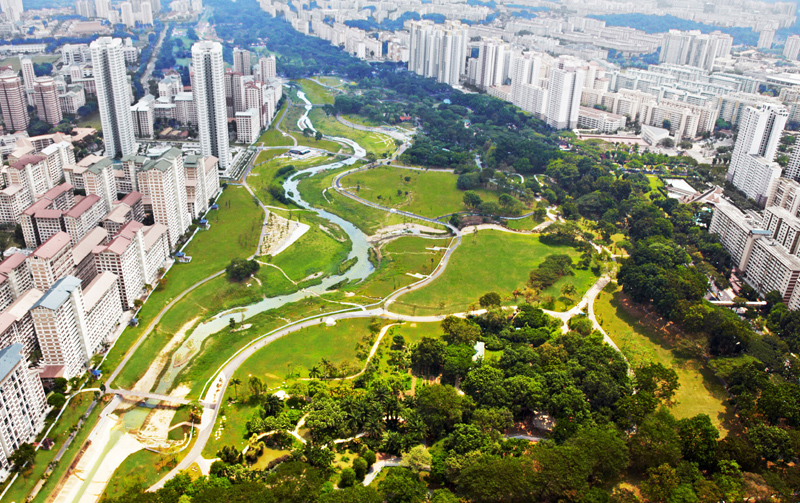
- Expanding and preserving green spaces, including parks and urban forests.
- Developing ecological corridors that connect isolated green spaces, promoting biodiversity.
- Implementing sustainable building practices that prioritize using eco-friendly and locally-sourced materials.
Such interventions are expected to improve local air quality, enhance urban biodiversity, and provide much-needed recreation and social interaction areas for community members.
Inclusive Urban Mobility and Infrastructure
Enhancing urban mobility is a critical element of the proposal. Key components include:
Transformation of Transportation Networks
The proposal advocates for a shift from fossil-fuel-based transportation systems to sustainable alternatives that promote:
- Expansion of public transit systems with a focus on reliability, affordability, and reduced environmental impact.
- Development of non-motorized transit options such as cycling lanes and pedestrian paths.
- Adoption of electric and hybrid vehicles for public transportation and city fleets.
These strategies are designed to reduce urban congestion, lower greenhouse gas emissions, and ensure equitable access to transportation.
Infrastructure Resilience
In grappling with the challenges posed by climate change, the proposal advocates for an infrastructure that is robust and responsive, including:
- Innovative flood prevention and water management systems that can address extreme weather conditions.
- Utilization of advanced data analytics to monitor infrastructure performance and preemptively identify vulnerabilities.
- Implementation of flexible design frameworks that allow for modifications as urban needs evolve.
Ensuring the resilience of urban infrastructure is pivotal in safeguarding communities and maintaining the continuous functionality of urban services during climatic or economic shifts.
Governance, Community Participation, and Policy Reform
Beyond technical innovations, the proposal places considerable emphasis on the sociopolitical dynamics of urban development.
Inclusive Governance
The document suggests a multi-stakeholder approach where effective communication between local governments, community groups, private sectors, and experts is central. This collaboration is set to:
- Strengthen institutional capacities through policy reform and capacity building.
- Foster transparency by involving community input in decision-making processes.
- Create a more robust framework for public-private partnerships that drive urban innovation.
The objective is to guarantee that the final urban transformation initiatives are deeply rooted in local realities and are widely accepted by the communities they serve.
Community Engagement and Participation
The proposal also highlights the importance of community participation as both a means and an outcome of successful urban interventions. Notable aspects include:
- Conducting extensive public consultation processes to gather diverse viewpoints and local knowledge.
- Using participatory design methods to incorporate community priorities directly into project plans.
- Focusing on social equity by ensuring that marginalized groups have a voice in the planning and implementation of urban projects.
This participatory process is seen as essential in building long-term trust and ensuring that the project caters to the needs of all urban residents.
Methodology and Implementation Roadmap
The proposal is organized around a clear, phased implementation strategy, ensuring that project goals are realized efficiently and effectively.
Phase-wise Implementation Strategy
The roadmap for transforming urban environments is divided into several distinct phases:
1. Preliminary Analysis and Expression of Interest
Initial steps involve conducting diagnostic studies and feasibility analyses, which serve to:
- Identify key challenges and opportunities within the urban environment.
- Gather comprehensive data through environmental, social, and economic assessments.
- Lay the groundwork for subsequent detailed planning and proposal submissions.
2. Detailed Strategic Planning and Pilot Initiatives
Building on the preliminary findings, this phase focuses on developing detailed project plans that:
- Outline specific interventions, including technological integrations and community programs.
- Plan pilot projects that serve as test beds for innovative urban strategies.
- Define success metrics and key performance indicators (KPIs) to measure progress over time.
3. Full-scale Implementation and Monitoring
Once successful pilots are established, the project moves to full-scale implementation:
- Execute wide-ranging interventions spanning urban mobility, infrastructure, and governance reforms.
- Implement robust monitoring and evaluation mechanisms to track outcomes, make necessary adjustments, and ensure transparency.
- Deploy adaptive learning strategies to reflect on insights gained and improve subsequent phases.
4. Scaling and Policy Replication
The final phase focuses on:
- Scaling successful interventions to other urban areas and contexts.
- Documenting best practices and lessons learned to inform future policies and implementations.
- Engaging with policymakers to influence urban planning regulations and promote wider adoption of sustainable practices.
Budget Allocations and Timelines
The proposal provides a detailed financial plan, aligning budget allocations with the phased implementation strategy. This plan ensures that resources are strategically used to achieve maximum impact. A representative breakdown of budget allocation might look like the table below:
| Project Phase | Key Activities | Budget Allocation (%) |
|---|---|---|
| Preliminary Analysis | Feasibility Studies, Data Collection | 15% |
| Pilot Projects | Planning, Testing, Initial Implementation | 30% |
| Full-scale Implementation | Infrastructure Upgrade, Sustainable Interventions | 40% |
| Scaling & Policy Engagement | Documentation, Training, Replication Initiatives | 15% |
The timeline associated with these phases includes clearly defined milestones, ensuring regular evaluation cycles and timely adjustments. This rigorous monitoring framework strengthens accountability and ensures that all interventions are aligned with the strategic objectives.
Expected Impacts and Outcomes
The proposal envisions considerable transformative impacts at multiple levels:
Environmental and Economic Benefits
By implementing innovative, sustainable urban measures, the proposal is designed to:
- Drive a significant reduction in greenhouse gas emissions.
- Promote energy efficiency and integrate renewable energy sources in everyday urban life.
- Create cost-effective solutions that reduce long-term operational costs for cities.
These initiatives are expected to improve air quality, modulate urban heat island effects, and foster a cleaner, healthier urban environment.
Socio-economic and Community Transformation
The socio-economic benefits outlined include:
- Enhanced urban livability by creating more inclusive and accessible public spaces.
- Economic opportunities spurred by green technology investments and job creation in sustainable industries.
- Improved quality of life for residents through better transportation, accessible green spaces, and participatory governance.
The proposal is thus positioned not only as an environmental intervention but also as a catalyst for social inclusion and economic growth. By actively engaging local communities and integrating innovative urban policies, the project builds a legacy of resiliency and progress.
Scalability and Global Replicability
One of the most compelling aspects of the proposal is its potential for replication. The comprehensive strategic framework and robust implementation roadmap make the project:
- Highly adaptable to other urban settings facing similar challenges.
- A template for future urban development initiatives, ensuring that best practices can be standardized and shared across regions.
- A benchmark for policy reforms that can drive systemic change both locally and globally.
This scalability factor is critical for addressing global urbanization challenges, making the proposal a valuable resource for cities seeking sustainable, long-term development solutions.
Innovation and Technological Integration
The proposal integrates several innovative technological solutions to support its overarching goals:
Data-Driven Decision Making
The use of advanced data analytics is highlighted as a key tool for:
- Identifying critical intervention areas within dynamic urban contexts.
- Optimizing resource allocation and project planning.
- Measuring performance metrics continuously to inform timely adjustments.
By harnessing data-driven insights, policymakers and urban planners can make more informed decisions that align with both current and evolving urban needs.
Pilot Testing and Adaptive Learning
The experimental use of pilot initiatives is another key innovation. These pilots:
- Allow for testing cutting-edge urban solutions in real-life settings.
- Provide practical feedback loops that inform the broader implementation strategy.
- Enable continuous improvement through iterative learning processes.
This iterative approach ensures that the project remains flexible and responsive, allowing for adjustments that enhance both efficacy and sustainability.
Challenges and Risk Management
While the project is ambitious, the proposal does not shy away from addressing potential challenges:
Identified Challenges
The document meticulously outlines various risks including:
- Political and regulatory hurdles that might slow down implementation.
- Financial risks associated with budget fluctuations and potential funding shortfalls.
- Operational challenges in coordinating multiple stakeholders and ensuring streamlined implementation.
A frank discussion of these challenges ensures that the project team is well-prepared for contingencies.
Risk Mitigation Strategies
To manage these risks effectively, the proposal advocates for:
- Establishing robust monitoring and evaluation mechanisms that constantly track progress and identify early warning signs.
- Fostering strong partnerships with established local and international stakeholders to share both knowledge and resources.
- Implementing comprehensive contingency plans that include financial buffers, alternative funding channels, and a responsive governance framework.
These mitigation strategies are designed to ensure project continuity even in the face of unforeseen setbacks, thus maintaining the overall momentum and integrity of the initiative.
Concluding Synthesis and Reflections
In summary, this project proposal is a detailed blueprint for reimagining and revitalizing urban spaces in a sustainable, inclusive, and resilient manner. It draws upon multidisciplinary strategies that integrate environmental design, innovative technologies, participatory governance, and robust risk management practices. With a clear phased roadmap, smart budget allocation, and continuous evaluation mechanisms, the proposal demonstrates the feasibility of transformative urban interventions that prioritize both environmental and socio-economic well-being.
Ultimately, the proposal stands as an inspiring example of how urban design challenges can be met with forward-thinking, adaptive solutions that are both scalable and replicable. By creating a nexus between sustainable technologies, policy reform, and community participation, the document not only addresses the immediate challenges of urban growth and climate change but also lays a strong foundation for long-term global urban development strategies.
Conclusion
The comprehensive project proposal reflects a multifaceted approach to urban innovation. It emphasizes the need for a balance between environmental sustainability, structured implementation, and inclusive governance. This integrated strategy makes it both a robust theoretical framework and a practical guide for cities worldwide. By transmitting the values of resilience, sustainable progress, and participatory planning, the initiative offers a transformative vision capable of tackling modern urban challenges head-on.
References
-
propuesta_de_proyecto_43b2b.pdf - C40 Reinventing Cities
More
Last updated February 19, 2025