
Proving Recovery of Possession of Property in the Philippines
An In-Depth Guide for Buyers in Complex Inheritance Scenarios
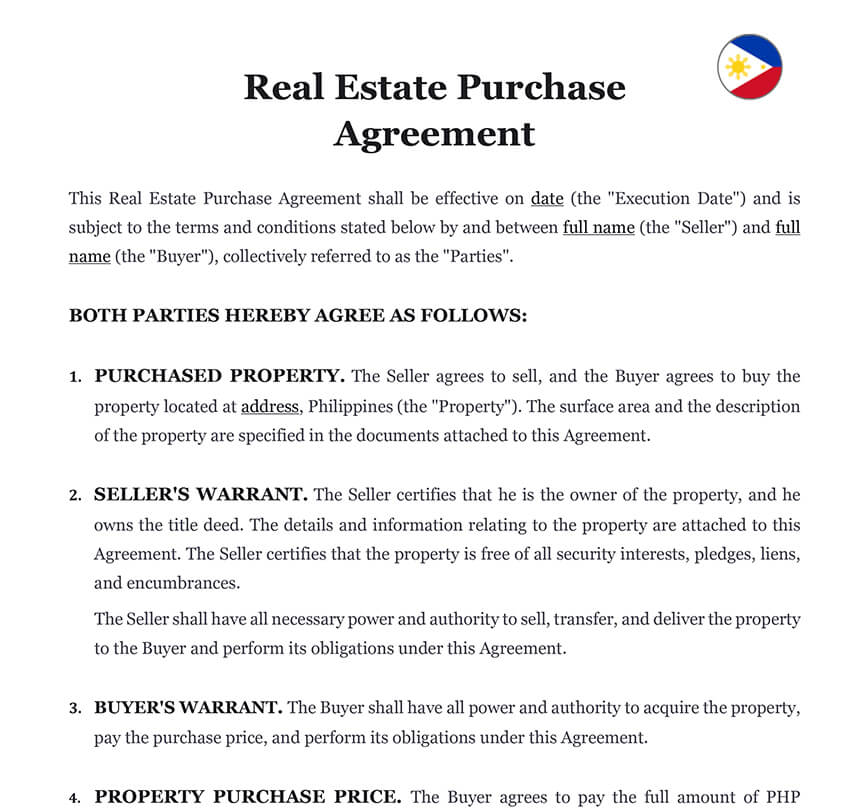
Key Highlights
- Comprehensive Documentation: Essential documents include the Deed of Sale, title, tax receipts, and estate settlement documents.
- Legal Recourse: Utilize Accion Reivindicatoria and ejectment suits as viable legal remedies.
- Heirs’ Consent & Estate Settlement: Confirm that all heirs consent to the sale and understand the role of extrajudicial or judicial estate settlements.
Introduction
In the Philippines, the recovery of possession of a property by a buyer—especially in cases where the property was sold without a prior liquidation among the heirs—involves several legal, procedural, and documentation facets. When the buyer has already paid real property tax, this is a strong indicator of the buyer's commitment and can be used as part of the evidence supporting their claim. However, the process becomes complex due to various legal requirements pertaining to the settlement of estates and the consent of heirs. This detailed guide explores the essential steps, documentation, and legal actions needed to establish the buyer's rightful claim.
Comprehensive Documentation & Evidence
One of the foundational pillars of proving recovery of possession is thorough documentation and evidence that supports the buyer's claim to the property. It is crucial to assemble and retain all documents pertaining to the transaction as well as other relevant records that illustrate ongoing responsibility for the property.
1. Deed of Sale
The Deed of Sale is the central document evidencing the transaction between the seller (or heirs) and the buyer. It should be meticulously drafted to include:
- Description of the property (location, boundaries, and area).
- Details of the transaction such as purchase price, date of sale, and parties involved.
- Notarization details that underscore its authenticity.
The validity of the Deed of Sale is pivotal; any forgery or lack of proper authorization can undermine the buyer's ownership claim.
2. Property Title and Registration Documents
A certified copy of the property title plays an integral role. It contains essential information about the property’s legal ownership history. Even if the seller retains the original title, the buyer should secure an authenticated copy from the Registry of Deeds. This document aids in confirming that the title reflects the correct boundaries and property details that match those stated in the Deed of Sale.
3. Real Property Tax Receipts
Payment of real property taxes is one of the strongest pieces of evidence supporting the buyer's claim. Regular tax receipts demonstrate that the buyer is assuming the responsibilities associated with property ownership. Even though tax payments are not conclusive proof of ownership on their own, combined with other documents they substantiate the buyer's continuous possession and responsibility.
4. Additional Affidavits and Supporting Evidence
When key documents like the property title are lost or not readily available, an Affidavit of Loss can be submitted. This legal statement should explain how the documents were lost and describe any remaining evidence that can help in the verification process. Additionally, evidence of the buyer’s physical possession of the property can include:
- Utility bills in the buyer’s name.
- Testimonies from neighbors or local residents attesting to the buyer's occupancy.
- Photographs or logs documenting continuous use of the property.
Legal Considerations in Inheritance and Estates
Navigating property recovery in situations where the property originates from an estate with multiple heirs is legally complex. When a deceased person leaves behind property, it must typically undergo an estate settlement process—either judicial or extrajudicial—to clarify the distribution among heirs. The absence of liquidation among the heirs before the property was sold to the buyer can raise significant legal issues:
Estate Settlement Requirement
In the Philippines, inherited property cannot be sold without settling the estate of the deceased. Two primary methods are used:
- Extrajudicial Settlement (EJS): An out-of-court procedure where all heirs agree on the distribution of the estate. This settlement must be notarized and is ideally prepared with full consent and acknowledgment by every co-heir.
- Judicial Settlement: When heirs cannot agree, the matter may need to be adjudicated in a court, where the property is partitioned and allocated after legal proceedings.
Confirmation that the estate was legitimately and legally settled is crucial not only for the validity of the sale but also for the subsequent transfer of title to the buyer.
Consent of All Heirs
One of the most contentious aspects arises from the necessity of obtaining the consent of all heirs to effectuate the sale. A sale executed without the full consent of the co-heirs is vulnerable to annulment. Therefore, buyers must ensure that:
- There is documented evidence that all heirs have agreed to the sale, ideally noted in the extrajudicial or judicial settlement.
- The deed of sale is properly endorsed by all required parties, avoiding potential disputes over unauthorized transactions.
Failure to secure universal consent can lead to legal challenges which might necessitate judicial partition or other corrective measures.
Legal Remedies & Judicial Actions
In cases where the sale of the property occurred without proper liquidation or consent, the buyer may need to resort to specific legal actions to recover possession. Two primary legal mechanisms are commonly pursued:
Accion Reivindicatoria (Action to Recover Ownership & Possession)
This legal remedy is available to a property owner who is wrongfully dispossessed. To successfully bring forth an Accion Reivindicatoria, the buyer must substantiate the following:
- Valid proof of purchase, including an executed and notarized Deed of Sale.
- Evidence that the property is indeed the subject at issue by providing a detailed description including location, boundaries, and measurements, often supported by a survey plan.
- Proof of consistent payment of real property taxes, reinforcing the buyer’s ongoing assumption of responsibility.
This remedy is particularly useful when unauthorized parties, such as dissenting heirs, attempt to claim rights over the property.
Ejectment Suit or Unlawful Detainer Case
When a buyer faces physical resistance or unwarranted occupation of the property by previous or collateral claimants, filing an ejectment suit might be necessary. The legal process involves:
- Documenting any infringement on the buyer's possession.
- Submitting comprehensive evidence to show continuous possession, such as tax receipts and utility bills.
- Relying on the legal principle of enforcing rightful ownership once all documents and proofs are in order.
This legal recourse helps the buyer reclaim physical custody of the property and reinforces the legal status of the property transfer.
Procedural Steps for Claiming Recovery of Possession
The process of proving recovery of possession typically involves a series of steps that intertwine documentation, legal filings, and procedural formalities. The following table summarizes the key procedural steps:
| Step | Description | Key Documents |
|---|---|---|
| 1. Verification of Sale | Obtain and review the Deed of Sale, ensuring that all details, including heirs' consent, are properly documented. | Deed of Sale, Notarized Signatures |
| 2. Title and Ownership Documentation | Ensure the property title is correctly issued or obtain a certified copy from the Registry of Deeds. | Certified Copy of Property Title |
| 3. Proof of Tax Payments | Provide receipts of real property tax payments to prove responsibility and ownership. | Tax Receipts, Payment Certificates |
| 4. Settlement of Estate | Confirm estate settlement either extrajudicially or judicially to validate the sale. | Extrajudicial Settlement Agreement or Judicial Partition Order |
| 5. Legal Filing | Initiate legal remedies such as Accion Reivindicatoria or ejectment if faced with disputes over possession. | Legal Complaint, Supporting Evidence |
At every step, it is highly advisable to consult with a legal professional specializing in property law. Having an expert by your side ensures all potential issues are preemptively addressed and the entire process is executed within the available legal framework.
Role of Legal Counsel in the Process
Given the complexity of property recovery, especially in scenarios involving multiple heirs and potential unauthorized sales, the assistance of a property lawyer becomes indispensable. Legal counsel can help:
- Review and verify all legal documents to ensure they satisfy statutory requirements.
- Advise on the proper course of action if any heirs’ consent is missing, which may include rectifying the transaction or filing for judicial partition.
- Represent the buyer’s case in court if legal actions such as Accion Reivindicatoria or an ejectment suit become necessary.
- Offer strategies for reconciling disputes among heirs or with third parties claiming possession.
With expert legal guidance, buyers can confidently navigate the procedural intricacies, ensuring that their claim to the property is both legally sound and enforceable in a court of law.
Additional Supporting Evidence and Practical Considerations
Apart from the primary documents mentioned earlier, there are additional means to strengthen the buyer’s claim:
Utility Bills and Occupancy Records
Utility bills in the buyer’s name, such as for electricity, water, and internet, serve as practical evidence that the buyer is indeed in continuous possession of the property. These documents can be highly persuasive given that they demonstrate habitual use and long-term occupancy.
Survey Plans and Physical Descriptions
A survey plan prepared by a licensed geodetic engineer not only confirms the physical boundaries and dimensions of the property but also helps resolve any disputes regarding the property’s precise location and legal description. When combined with the Deed of Sale, a survey plan provides a compelling case showing that the buyer’s possession is legally justified.
Testimonies and Affidavits
Witness testimonies from neighbors or community members who can attest to the buyer’s continuous presence on the property can add weight to the legal arguments. These affidavits serve to reinforce the buyer’s claim by providing third-party evidence of actual possession and occupancy.
Procedural Challenges and Resolution Strategies
Despite gathering comprehensive documentation, buyers may still face challenges if disputes are raised concerning the validity of the sale or if any heirs contest the transaction. The following strategies can help address such challenges:
Judicial Intervention
If informal settlements fail and conflicts arise regarding the legitimacy of the transaction, judicial intervention may be necessary. The buyer should then file a case before the Regional Trial Court which will examine:
- The validity and authenticity of the Deed of Sale.
- The adherence to legal requirements concerning heirs’ consent and estate settlement.
- Whether the buyer has met the statutory conditions for recovery of possession.
Judicial proceedings, though time-consuming, provide an adjudicated resolution to disputes, ensuring that the property ownership and possession are legally validated.
Rectification of Unauthorized Sales
In cases where the sale was executed without proper authorization by all heirs, the buyer might need to file a petition for annulment of the deed of sale. Such a petition, once accepted by the court, can invalidate the improper aspects of the transaction, paving the way for a corrected and legally sound transfer of title.
Collaboration with Government Agencies
Once the legal processes are underway, collaborating with government agencies can expedite the rectification process. For instance:
- Securing a Certificate Authorizing Registration (CAR) from the Bureau of Internal Revenue (BIR) is essential for transferring the title.
- Proper coordination with the Registry of Deeds ensures that once legal validation is obtained, the title is promptly transferred to the buyer’s name.
Implementing a Proactive Strategy
To proactively mitigate future disputes and ensure a secure acquisition, it is advisable for buyers to:
- Engage a reputable property lawyer from the onset to guide the documentation and legal process.
- Verify the authenticity of all documents and ensure that there is clear evidence of the settlement of the estate or, if required, a judicial partition.
- Establish verifiable evidence of possession through tax payments, utility bills, and reputable testimonies.
- Regularly monitor legal updates in property law to remain informed of any changes that might affect the transaction.
A proactive approach not only helps in the effective recovery of possession but also minimizes the risk of future legal complications related to disputed ownership.
Conclusion
Proving the recovery of possession of a property in the Philippines, particularly where the property was sold without the liquidation of the deceased’s estate, necessitates a multi-dimensional approach. The buyer must compile a robust set of documents starting from a detailed Deed of Sale and certified property titles, along with substantiating evidence such as real property tax receipts and survey plans.
Furthermore, ensuring that the estate was properly settled—be it through extrajudicial or judicial means—is critical. The consent of all heirs is legally required for a legitimate transfer, and any contestation can lead to a protracted legal process involving actions like Accion Reivindicatoria or an ejectment suit. In cases where the property is disputed by dissenting heirs or unauthorized sales occur, judicial intervention becomes indispensable.
Buyers are advised to secure the services of a knowledgeable property lawyer who can assist in navigating the nuances of property law, ensuring all legal prerequisites are met, and effectively representing the buyer in potential court proceedings. Ultimately, a thorough documentation process combined with prompt legal action will go a long way in establishing rightful ownership and ensuring that possession of the property is conclusively recovered.
References
- Accion Reivindicatoria - Respicio
- Survey Plan Necessity - Ziggurat Real Estate
- Legal Steps for Property Recovery - Respicio
- Selling Inherited Property - Ziggurat Real Estate
-
Selling Inherited Property Guidance - Lawyer's Online PH
Recommended
 attylaserna.blogspot.com
Last updated February 28, 2025