
Unlocking Property Data: How Long Can You Wield PropertyRadar Insights?
Navigate the terms of data use from PropertyRadar, from active subscription access to post-cancellation responsibilities.
Understanding the longevity and permissible use of data acquired through platforms like PropertyRadar is crucial for real estate professionals, investors, and marketers. This guide delves into the specifics of how long you can utilize and retain data obtained from PropertyRadar, based on their terms of service and general data handling best practices.
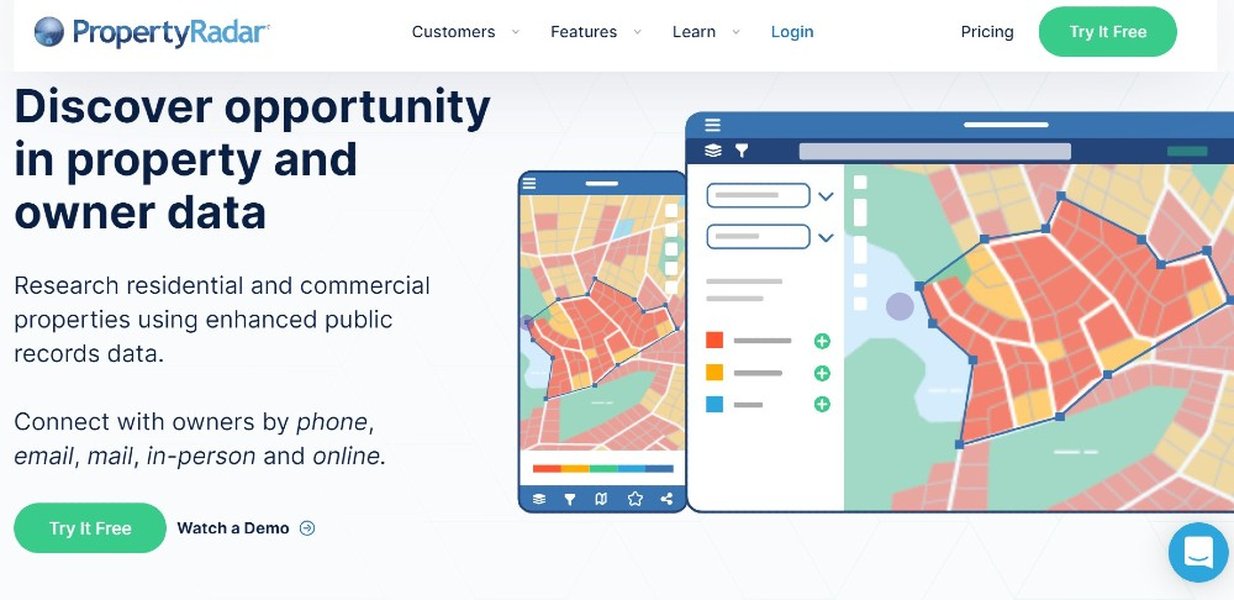
The PropertyRadar platform provides extensive property and owner data.
Key Takeaways: Data Usage & Retention with PropertyRadar
- Subscription is Key: Your right to access and use PropertyRadar data is primarily tied to an active paid subscription period.
- Post-Cancellation Access: After cancelling, access to the platform typically continues until the end of your pre-paid term. PropertyRadar may retain your specific account settings, lists, and contacts for 90 days, allowing you to resubscribe without losing this customized information.
- Downloaded Data Responsibility: If you download or export data, its continued use and retention become your responsibility, governed by applicable data privacy laws (like TCPA, TSR, and principles similar to GDPR) and PropertyRadar's User Agreement. There isn't a fixed "keep" duration specified by PropertyRadar for downloaded data, but ethical and legal standards advise retaining it only as long as necessary for the purpose it was acquired.
Navigating Your Data Access: Subscription Lifecycle
PropertyRadar operates on a subscription model, granting users a limited, individual, non-exclusive, non-transferable, and revocable license to use their data. This license is contingent upon maintaining an active subscription and adhering to the platform's User Agreement.
During an Active Subscription
While your PropertyRadar subscription (monthly or annual) is active and paid, you have full access to the platform's data for your internal business purposes. This includes property details, owner information, transaction histories, and more. This data is intended for activities such as:
- Lead generation
- Market analysis and research
- Direct marketing (in compliance with all applicable laws)
- Client communication and outreach
PropertyRadar emphasizes that users are responsible for ensuring their use of the data complies with all relevant laws, including privacy regulations and marketing rules like the Telephone Consumer Protection Act (TCPA) and the Telemarketing Sales Rule (TSR).
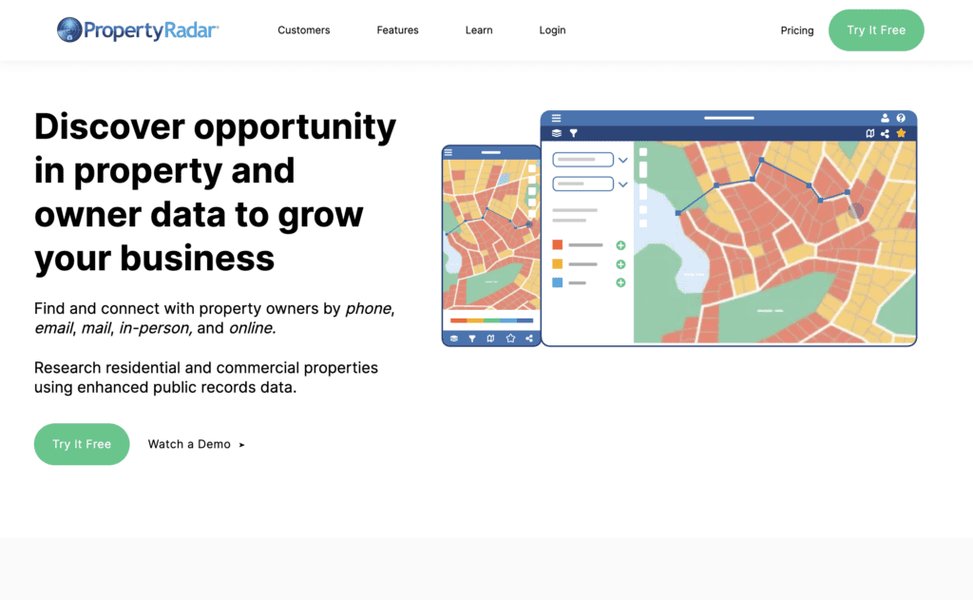
An example of the PropertyRadar interface, showcasing detailed property information.
Post-Subscription: What Happens Next?
End of Paid Term
Once your subscription period ends (either through cancellation or non-renewal), your direct access to the PropertyRadar platform and its continuously updated data ceases. Even if you cancel mid-term, access generally continues until the end of the period for which you've already paid. Subscriptions are typically non-refundable.
The 90-Day Grace Period for Account Data
PropertyRadar offers a practical consideration for users who might reconsider: your account-specific data, such as saved lists, contacts, custom settings, and notes, is generally retained by PropertyRadar for 90 days after your subscription is cancelled. This allows you to resubscribe within this window and seamlessly regain access to your previously configured information. However, this does not grant rights to the underlying property data beyond your active subscription for new uses.
Downloaded or Exported Data: Your Ongoing Obligations
If you have downloaded or exported data from PropertyRadar during your active subscription, the responsibility for its handling shifts significantly to you. PropertyRadar's terms do not explicitly state how long you can *keep* this downloaded data. However, several critical factors come into play:
- Legal Compliance: You must adhere to all applicable data privacy laws (e.g., GDPR principles regarding data minimization and purpose limitation, TCPA, TSR). Personal data should generally be kept only as long as necessary for the specific purpose for which it was collected and processed.
- Data Accuracy & Freshness: Property data is dynamic. Information like ownership, encumbrances, and contact details can change frequently. Relying on outdated, downloaded data carries risks of inaccuracy, inefficiency, and potential non-compliance (e.g., contacting individuals on a Do Not Call list who were not on it when the data was fresh).
- User Agreement: While the active license to use the service ends, the terms of the User Agreement regarding data handling and compliance likely still have implications for data you possess.
Best practice dictates establishing a data retention policy that considers these factors, ensuring downloaded data is securely managed and disposed of when no longer legitimately needed or when its accuracy can no longer be assured.
PropertyRadar is often used for lead generation, which requires careful data management.
Visualizing Data Usage & Retention Dynamics
The decision to retain and use data obtained from PropertyRadar, especially after a subscription ends, involves balancing several factors. The following chart illustrates the shifting importance of these factors across different scenarios.
This radar chart provides a conceptual overview of how the importance (scaled 1-10) of different factors might change. For instance, 'Legal Obligations' remain high across all scenarios when handling downloaded data, while 'Data Freshness' and 'License Terms Relevance' significantly diminish after a subscription lapses.
Understanding the PropertyRadar Data Ecosystem
PropertyRadar compiles its data from a multitude of sources, primarily public records. They also license certain personal information, like demographic data, phone numbers, and emails, from other data brokers. This appended data is gathered from public and self-reported sources. This mindmap illustrates the key aspects of using and retaining this data.
Retained by PropertyRadar for 90 Days
for Potential Resubscription"] id2c["No Perpetual Rights to Platform's
Aggregated/Enhanced Data"] id3["Handling Downloaded/Exported Data"] id3a["User Assumes Full Responsibility"] id3b["Strict Compliance with Data Privacy Laws
(e.g., TCPA, TSR, GDPR-like principles)"] id3c["Data Should Be Retained Only as Long as
Legally & Operationally Necessary"] id3d["Significant Risk of Data Staleness Over Time"] id3e["Secure Storage & Disposal Practices Essential"] id4["Key Governing Factors & Considerations"] id4a["PropertyRadar User Agreement Terms"] id4b["Specific Subscription Plan Details"] id4c["Applicable Federal, State, and Local Laws"] id4d["Importance of Data Accuracy & Timeliness"] id4e["Ethical Data Handling Practices"]
This mindmap highlights that while an active subscription provides robust access, the responsibility for downloaded data and adherence to legal frameworks are paramount, especially after the subscription ends.
Summary Table: Data Access and Retention
The following table summarizes the key aspects of data usage and retention with PropertyRadar:
| Aspect | During Active Subscription | Post-Cancellation (Platform Access for Account Data, 0-90 Days) | Downloaded/Exported Data (User Retained) |
|---|---|---|---|
| Platform Data Access | Full access to current data as per license. | No access to new/updated platform data after paid term ends. Account settings/lists may be accessible if you resubscribe within 90 days. | N/A (Data is held by user, not on platform). |
| Permitted Use | Internal business purposes, governed by User Agreement. | No new use of platform data. | Limited by original purpose, legal obligations, and data freshness. User agreement terms on data handling may still apply. |
| Data Freshness | Access to continuously updated data. | N/A (No new data). | Decreases over time; becomes stale. |
| Primary Responsibility | User (for compliant use) & PropertyRadar (for providing service). | PropertyRadar (for retaining account data for 90 days). | Solely User (for storage, use, compliance, disposal). |
| Key Governing Documents/Rules | PropertyRadar User Agreement, Subscription Terms, Applicable Laws. | PropertyRadar Cancellation Policy. | Data Privacy Laws (TCPA, TSR, GDPR principles etc.), User Agreement concerning data handling. |
Insights from PropertyRadar Experts
Understanding how to effectively use property and owner profiles within PropertyRadar can provide context on the types of data you might be working with. This video explains how to use the property and owner profile features within the platform, offering a glimpse into the data's depth and potential applications, which in turn informs decisions about its retention.
The video titled "Using the Property and Owner Profile in PropertyRadar" demonstrates practical ways to navigate and utilize the detailed information available. While it focuses on platform usage, it underscores the value of fresh, comprehensive data, implicitly highlighting the limitations of relying on potentially outdated, downloaded information long-term.
Frequently Asked Questions (FAQ)
Recommended Further Exploration
- What are the best practices for managing downloaded real estate data legally and ethically?
- How does PropertyRadar's data accuracy compare to accessing public records directly?
- What specific clauses in the PropertyRadar User Agreement affect data retention after subscription cancellation?
- Are there tools or methods to automate the updating or purging of stale real estate data?
References
Last updated May 15, 2025