
Navigating Your Prostate Biopsy: A Comprehensive Preparation Guide
Essential steps for a safe and effective prostate biopsy, from medication adjustments to post-procedure expectations.
Key Preparation Highlights
- Medication Management: Crucially, you must discontinue blood-thinning medications and certain NSAIDs typically 5 to 10 days prior to the biopsy to minimize bleeding risk. Always consult your doctor for personalized instructions.
- Infection Prevention: A standard protocol involves taking prescribed antibiotics starting 1 to 2 days before the procedure, coupled with a bowel cleansing enema for transrectal biopsies.
- Logistical Readiness: Arrange for transportation home if sedation is used, and adhere to specific fasting instructions, which vary based on the type of anesthesia planned.
A prostate biopsy is a definitive diagnostic procedure to detect prostate cancer, often recommended following abnormal Prostate-Specific Antigen (PSA) test results, an unusual digital rectal examination (DRE), or suspicious findings on an MRI. Proper preparation is paramount to ensure the procedure's safety, effectiveness, and your comfort. This guide synthesizes expert medical advice to provide a comprehensive roadmap for preparing for your prostate biopsy.
Understanding Your Prostate Biopsy: Types and Key Considerations
Prostate biopsies are generally outpatient procedures, meaning you can return home the same day. The most common approaches include transrectal ultrasound-guided (TRUS) biopsy and transperineal biopsy, sometimes enhanced by MRI fusion technology. The preparation steps might vary slightly depending on the method chosen by your healthcare provider.
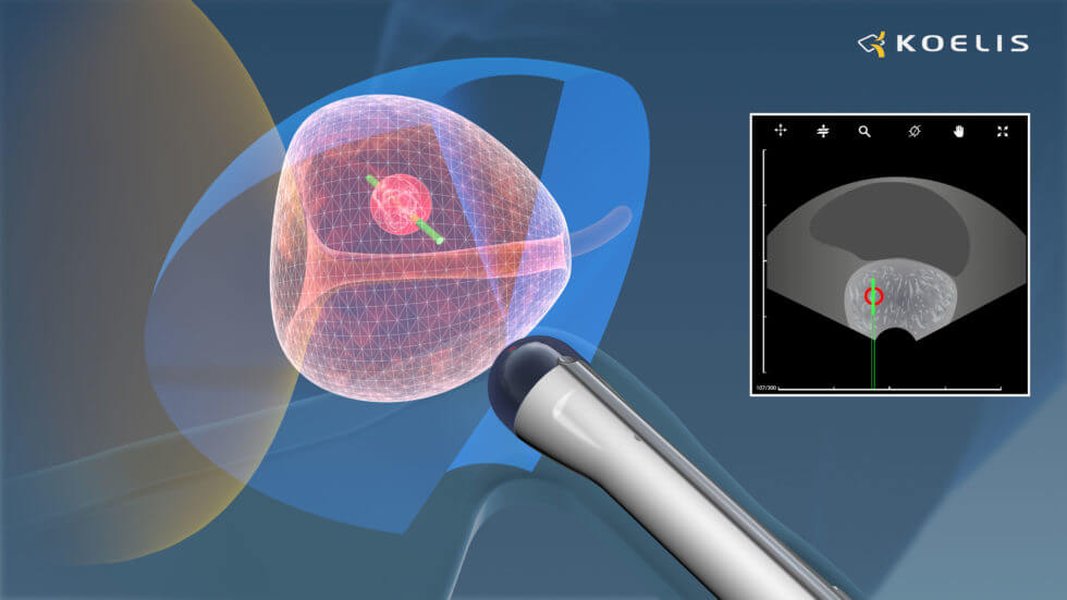
An illustration depicting the transrectal approach for a prostate biopsy.
The Purpose of the Biopsy
The primary goal of a prostate biopsy is to obtain small tissue samples from the prostate gland. These samples are then examined under a microscope by a pathologist to identify cancerous cells. The procedure provides crucial information for diagnosis and subsequent treatment planning.
Biopsy Duration and Patient Positioning
While the actual tissue collection typically lasts about 10 to 15 minutes, the entire procedure, especially if MRI-guided, can extend to 30-90 minutes. You will generally be positioned lying on your left side with your knees bent towards your chest to facilitate access to the prostate. For transperineal biopsies, you may lie on your back or stomach.
Step-by-Step Preparation Protocol
Effective preparation begins several days or even weeks before your scheduled biopsy. Adhering to these steps significantly reduces the risk of complications such as bleeding and infection.
Medication Adjustments: Prioritizing Your Safety
One of the most critical preparatory steps involves reviewing and adjusting your current medications, especially those that affect blood clotting. Your doctor will provide specific instructions tailored to your medical history.
Stopping Blood Thinners and NSAIDs
- Blood Thinners: Medications such as warfarin (Coumadin), clopidogrel (Plavix), and direct oral anticoagulants must typically be stopped 5 to 10 days before the biopsy.
- NSAIDs: Nonsteroidal anti-inflammatory drugs like aspirin, ibuprofen (Motrin, Advil), and naproxen (Aleve) should be discontinued 5 to 7 days prior.
- Supplements: Inform your doctor about any herbal supplements or vitamins you are taking, as some may also affect blood clotting.
Always consult your healthcare provider before stopping any prescribed medications. They may offer alternative arrangements or adjust the timing based on your individual health needs.
Infection Prevention: A Proactive Approach
To minimize the risk of infection, which is a potential complication of prostate biopsies, you will be prescribed antibiotics and may need to perform bowel preparation.
Antibiotic Regimen
- You will typically start taking prescribed antibiotics 1 to 2 days before the biopsy.
- The antibiotic course may continue for a few days after the procedure to ensure comprehensive protection.
- Strictly follow your doctor's instructions regarding the dosage and duration of antibiotics.
Bowel Preparation (for Transrectal Biopsies)
- If you are undergoing a transrectal biopsy (where the needle passes through the rectal wall), a cleansing enema (e.g., Fleet Enema) is usually required.
- This is typically performed at home a few hours before the procedure, or sometimes the night before and again shortly before the biopsy.
- Bowel preparation helps to clear the rectum, reducing the bacterial load and thus lowering the risk of infection.
For transperineal biopsies, where the needle is inserted through the skin between the scrotum and anus, a rectal enema may not be necessary, but sterile skin preparation of the perineal area will be done at the clinic.
Dietary Guidelines and Fasting Instructions
Your dietary preparations will depend on the type of anesthesia planned for your biopsy.
- Light Meals: For biopsies performed under local anesthesia, you might be allowed a light breakfast.
- Fasting: If sedation or general anesthesia is used (more common for certain transperineal biopsies or MRI-guided procedures), you will likely need to fast. This typically means no food for at least 6 hours and no liquids for at least 4 hours before the procedure. Fasting prevents nausea and aspiration during anesthesia.
- Hydration: Stay adequately hydrated with clear liquids, but avoid excessive intake, especially if fasting.
Logistical and Practical Arrangements
Beyond medical preparations, some practical arrangements are essential for a smooth experience.
- Transportation: If you receive sedation, you will be drowsy and unable to drive. Arrange for a responsible adult to drive you home after the biopsy.
- Comfortable Attire: Wear loose-fitting, comfortable clothing on the day of the procedure.
- Hygiene: Shower thoroughly before your appointment, paying attention to the genital and rectal areas to minimize infection risk.
- Documentation: Bring your identification, a list of your current medications, and any questions you may have for your healthcare provider.
Prostate Biopsy Preparation at a Glance
This table summarizes the key preparation steps for a prostate biopsy, categorizing them by timeline and the specific actions required. This overview ensures you don't miss any critical details.
| Timeline | Preparation Step | Details |
|---|---|---|
| 5-10 Days Before | Medication Adjustments | Stop blood-thinning medications (warfarin, clopidogrel) and NSAIDs (aspirin, ibuprofen) as advised by your doctor. Inform your doctor about all supplements. |
| 1-2 Days Before | Antibiotic Therapy | Begin taking prescribed antibiotics to prevent infection. Complete the full course as directed. |
| Day Before / Hours Before | Bowel Preparation | Perform a cleansing enema (e.g., Fleet Enema) at home for transrectal biopsies. Follow specific instructions on timing. |
| Day Before | Dietary Adjustments | Eat light meals. Avoid heavy, fatty, or high-fiber foods. |
| Day of Procedure | Fasting | If sedation/anesthesia is used, fast for 6 hours (food) and 4 hours (liquids). Confirm exact instructions with your doctor. |
| Day of Procedure | Transportation Arrangement | Arrange for someone to drive you home, especially if you receive sedation. |
| Day of Procedure | Personal Hygiene & Comfort | Shower thoroughly. Wear comfortable, loose-fitting clothing. |
| Ongoing | Consultation | Discuss all health concerns, allergies, and questions with your healthcare provider. |
Visualizing Preparation Priorities: A Radar Chart Analysis
To further illustrate the critical aspects of prostate biopsy preparation, I've created a radar chart. This chart visually represents the relative importance and potential impact of different preparation categories on the overall safety and success of the procedure. While the exact values are based on an opinionated analysis of consensus medical advice, they highlight the areas demanding the most attention.
As illustrated, medication management and open communication with your doctor are of the highest importance, given their significant impact on safety. Infection prevention measures and effective bowel preparation also carry high importance due to their direct role in preventing complications. While dietary adherence and logistical planning are important for comfort and smooth execution, their direct medical impact might be slightly lower in comparison to the former categories, but still vital for an optimal experience.
The Biopsy Procedure Explained: What Happens Next
While the focus is on preparation, understanding the procedure itself can help ease any anxieties. The biopsy involves collecting small tissue samples for analysis.
Anesthesia and Comfort
Local anesthesia is commonly used to numb the area, minimizing pain. Some procedures may involve sedation or general anesthesia, especially for longer or more complex cases like MRI-guided biopsies. You may feel mild pressure or discomfort as samples are taken.
Imaging Guidance and Sample Collection
An ultrasound probe or MRI provides real-time images, guiding the thin biopsy needle to suspicious areas of the prostate. A spring-loaded tool quickly inserts the needle to collect cylindrical tissue samples. Typically, multiple samples (10 to 18, sometimes more) are collected. You might hear a clicking sound as the samples are acquired.
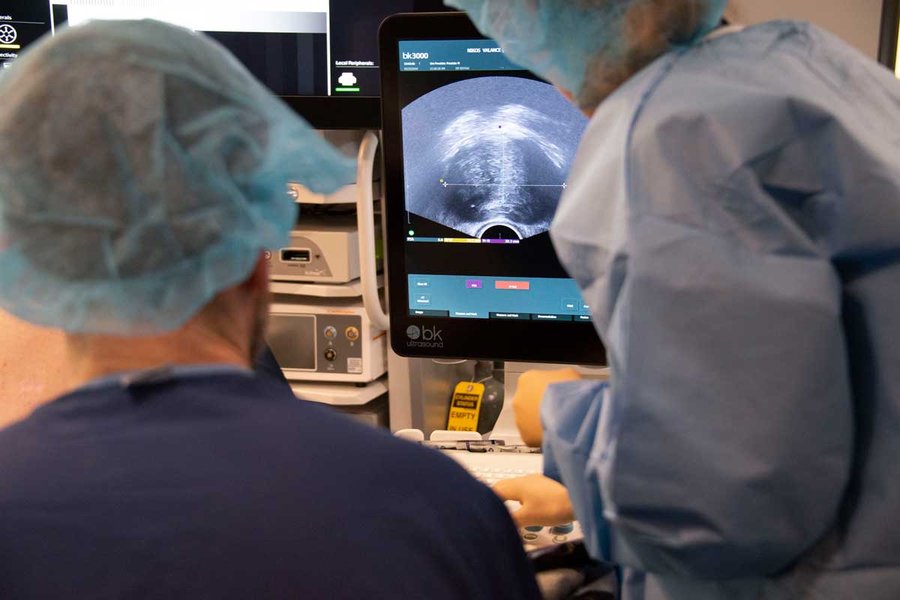
A medical professional using an ultrasound device during a prostate biopsy.
Post-Procedure Expectations and Recovery
After the biopsy, a short recovery period is typical. Knowing what to expect can help you manage your recovery effectively.
Common Side Effects
- Soreness: Mild soreness in the biopsy area is common.
- Bleeding: You may notice small amounts of blood in your urine or stool for a few days. Blood in semen is also possible and can last for several weeks.
Activity Restrictions
You may be advised to avoid intensive activities, heavy lifting, or strenuous exercise for 24 to 48 hours following the procedure to facilitate healing.
When to Contact Your Doctor
While complications are rare, you should contact your physician immediately if you experience:
- Worsening pain.
- Heavy or prolonged bleeding.
- Signs of infection, such as fever, chills, or difficulty urinating.
Demystifying Your Prostate Biopsy: A Mind Map Overview
This mind map provides a concise visual summary of the entire prostate biopsy journey, from initial indications to post-procedure care. It highlights the interconnectedness of preparation, the procedure itself, and recovery, emphasizing how each stage contributes to a successful diagnostic outcome. This diagram serves as a quick reference for understanding the holistic process.
This mind map clearly outlines the flow of information and actions, from the initial reasons for the biopsy to the necessary preparations, what occurs during the procedure, and what to expect in recovery. Each branch represents a key area of focus for a successful biopsy experience.
Helpful Video Resource
To further understand the preparation process and what to expect, consider watching this informative video. It provides a visual and audio explanation of the steps involved before, during, and after a prostate biopsy, supplementing the detailed written guide provided here.
What to Expect – Prostate Biopsy | Urology by UR Medicine Urology
This video features Brooke Helker, RN, from UR Medicine Urology, explaining the procedure from a patient's perspective. It covers important aspects like understanding the purpose of the biopsy, medication adjustments, bowel preparation, and what you will experience on the day of the procedure, including positioning and anesthesia. The visual aids and clear explanations make complex medical information accessible and easy to understand, complementing the detailed written instructions for a comprehensive preparation.
Frequently Asked Questions (FAQ)
What medications should I stop before a prostate biopsy?
Do I need to fast before a prostate biopsy?
Why do I need to take antibiotics before the biopsy?
What is a bowel preparation, and why is it necessary?
Can I drive myself home after the biopsy?
Conclusion
Preparing for a prostate biopsy involves a series of crucial steps designed to ensure the procedure's safety, effectiveness, and your comfort. From carefully managing your medications and diligently following antibiotic regimens to adhering to dietary guidelines and arranging for transportation, each aspect plays a vital role. Open communication with your healthcare provider is paramount to clarify any doubts and receive personalized instructions. By thoroughly understanding and following these preparation guidelines, you can contribute significantly to a successful biopsy experience and a smooth recovery, paving the way for accurate diagnosis and informed decisions about your health.
Recommended Further Reading
- Understanding different types of prostate biopsies and their implications for preparation.
- Managing post-prostate biopsy side effects and complications for a quicker recovery.
- Exploring the role of MRI in guiding prostate biopsies and its impact on accuracy.
- What happens after a prostate biopsy: Interpreting results and understanding next steps.