
Understanding the Risks of Prostate Biopsy
Explore the detailed aspects and common complications associated with this diagnostic procedure
Key Highlights
- Infection and Hospitalization: Although generally low, infectious complications remain the most serious risk.
- Bleeding and Urinary Issues: Hematuria, rectal bleeding, and transient urinary difficulties are common but typically self-limiting.
- Pain and Psychological Impact: While mostly mild, pain and anxiety can occur and are generally managed with appropriate care.
Overview of Prostate Biopsy
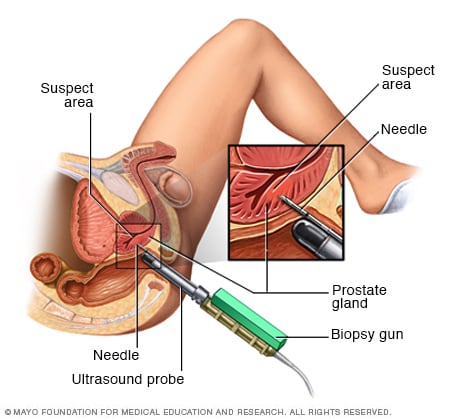
In the field of urology, a prostate biopsy is a procedure designed to extract small tissue samples from the prostate gland for laboratory analysis. The main objective of this procedure is to detect the presence of cancer cells, aiding in early diagnosis and appropriate treatment planning. There are two common approaches for prostate biopsy:
- Transrectal biopsy: where samples are taken through the rectum.
- Transperineal biopsy: where samples are taken through the skin between the scrotum and anus.
Both methods provide vital diagnostic value while presenting a range of potential risks that patients need to consider. Although the procedure is generally safe, understanding these risks is crucial for making informed healthcare decisions.
Infection Risks
Overview
Infections are one of the most serious complications associated with a prostate biopsy. Despite thorough pre-procedural assessments and prophylactic antibiotics, infections can still occur, although they are typically reported to affect fewer than 2% of patients. The severity of infection can vary, with some individuals experiencing a minor urinary tract infection (UTI), while others may develop more serious conditions such as sepsis.
Factors Contributing to Infection
Several factors can increase the likelihood of post-biopsy infection:
- Pre-existing Conditions: Patients with underlying conditions such as diabetes, prostatitis, or recurrent UTIs are at a higher risk.
- Biopsy Approach: The transrectal approach may present a slightly higher risk of infection compared to the transperineal method due to the direct contact with rectal bacteria.
- Antibiotic Resistance: Increasing antibiotic resistance can reduce the effectiveness of prophylactic medications, necessitating careful patient screening and sometimes tailored antibiotic regimens.
Strict adherence to peri-procedural protocols, including prophylactic antibiotics and sterile techniques, can mitigate the infection risks. However, any signs of infection following the procedure – such as fever, chills, or worsening urinary symptoms – should prompt immediate medical evaluation.
Bleeding Complications
Types of Bleeding
Bleeding is a common side effect of prostate biopsy and can manifest in several ways:
- Hematuria: This refers to the presence of blood in the urine and is frequently observed following the procedure. While it may be alarming, it is usually self-limiting.
- Rectal Bleeding: Frequently associated with the transrectal approach, rectal bleeding is generally mild and transient in nature.
- Hematospermia: The appearance of blood in the semen is another common finding, which can persist for several weeks after the biopsy.
Management Strategies
Although these bleeding events are typically benign, certain measures can be taken to reduce the risk:
- Patients are usually advised to avoid blood-thinning medications prior to the procedure if medically feasible.
- Healthcare providers monitor patients post-procedure to ensure that bleeding does not extend into a more serious complication.
- In rare cases where bleeding is excessive, additional interventions may be required to stabilize the patient.
Pain, Discomfort, and Urinary Issues
Pain and Discomfort
As with most invasive procedures, a prostate biopsy can lead to discomfort or pain. The sensation of pain can occur during the actual procedure as well as in the days following it. The pain is often localized in the rectal area or along the pelvic region.
To address this, anesthetics are commonly used during the biopsy. Additionally, post-procedural pain management may include over-the-counter or prescribed pain relievers. Despite these measures, some patients may experience mild to moderate discomfort for several days until the area heals.
Urinary Issues
Following the procedure, some patients might face urinary complications. These issues can include:
- Transient Urinary Retention: In some cases, patients might have temporary difficulty urinating.
- Lower Urinary Tract Symptoms (LUTS): These can include a feeling of urgency or a weak urinary stream.
- Discomfort During Urination: Irritation resulting from the biopsy might cause discomfort while passing urine.
Most urinary complications are short-lived and resolve within a few days. However, persistent issues should be evaluated by a healthcare provider to rule out any complications requiring additional treatment.
Psychological and Emotional Impacts
Anxiety and Psychological Stress
It is important to recognize that beyond the physical risks, prostate biopsies can also lead to psychological impacts. Patients often experience anxiety both before and after the procedure, driven by concerns about pain, potential complications, and the implications of the results.
Psychological distress can be heightened by the uncertainty surrounding the diagnosis. This stress may result in feelings of apprehension and a sense of vulnerability. For some men, the anticipation of the biopsy and the wait for results can be a source of significant anxiety.
Support and Counseling
To mitigate these effects, healthcare providers may offer counseling services or recommend that patients seek support from mental health professionals. Open communication with the medical team about what to expect before, during, and after the procedure can also help ease anxiety levels.
Risk Factors and Preventive Measures
Patient-Specific Risk Factors
The risk profile for complications can vary significantly based on individual patient characteristics. Some of the factors that may increase the risk of adverse events include:
- Existing Health Conditions: Men with diabetes, previous prostatitis, or a history of urinary tract infections are more likely to experience complications.
- Age: Advanced age might also pose an increased risk due to a generally reduced physiological resilience.
- Medication Use: Use of blood-thinning medications can elevate the risk of bleeding. Adjustments to medication regimens are typically discussed with the healthcare provider prior to the biopsy.
- Biopsy Technique: The choice of biopsy technique (transrectal vs. transperineal) can influence the complication profile. Some studies indicate that transperineal biopsies tend to reduce the risk of infectious complications.
Preventive Measures
To minimize risks, healthcare providers take several preventive measures:
- Administration of appropriate prophylactic antibiotics to target common infective agents.
- Use of local anesthetics to reduce pain and discomfort during the procedure.
- Close post-procedural monitoring to quickly identify and treat any arising complications.
- Comprehensive pre-procedural assessments, allowing the healthcare provider to tailor the approach based on the patient’s medical history.
Detailed Complications Table
| Complication | Description | Frequency / Notes |
|---|---|---|
| Infection | May lead to urinary tract infections or sepsis, particularly in high-risk patients. | Less than 2%; preventive antibiotics are standard. |
| Bleeding | Includes hematuria, rectal bleeding, and hematospermia. | Common but usually self-limiting; measures include avoiding blood thinners pre-procedure. |
| Pain and Discomfort | Localized pain during and after the procedure, generally managed with anesthetics. | Mild to moderate; typically resolves within several days. |
| Urinary Issues | Temporary urinary retention or irritation, possibly accompanied by lower urinary tract symptoms. | Usually transient; monitoring advised post-procedure. |
| Psychological Stress | Pre-procedural anxiety and stress related to the uncertainty of the results. | Variable impact; support and counseling may alleviate distress. |
Research and Clinical Insights
Evidence from Recent Studies
Current research emphasizes that while the risks associated with prostate biopsy are significant enough to warrant caution, the overall procedure remains a crucial and relatively safe diagnostic tool in modern urology. Studies indicate that the rate of serious complications, such as hospitalization due to infection, while higher compared to a control population, remains a rarity and is typically highly manageable with early intervention.
An additional key insight is the role of technique refinement over time. The establishment of stringent protocols – including the use of prophylactic antibiotics and comprehensive patient assessment – has contributed significantly to reducing complication rates. Research also highlights the importance of selecting the appropriate biopsy method based on patient-specific risk factors, thereby underscoring the personalized nature of medical care in this context.
Clinical Recommendations
From a clinical standpoint, the decision to perform a prostate biopsy involves a meticulous risk-benefit analysis. Healthcare providers recommend discussing personal risk factors in detail, including existing co-morbidities and current medications, to customize the approach and further minimize post-biopsy complications. The emphasis on patient education and awareness cannot be overstated, as it empowers individuals to make informed decisions about their health.
Post-Procedural Care and Patient Monitoring
Immediate Aftercare
Following the procedure, patients are closely monitored to ensure their safety and to promptly identify and address any complications. Post-procedural care typically includes:
- Observation: Healthcare professionals typically observe patients for several hours after the procedure. This monitoring phase helps identify early signs of complications such as significant bleeding or the onset of infection.
- Medication: Pain management plays a key role. Prescribed pain relievers and, in some cases, additional antibiotics are provided to help minimize discomfort and reduce infection risk.
- Follow-Up Appointments: It is common practice to schedule follow-up consultations to assess the recovery process. Patients are advised to report any unusual or persistent symptoms immediately.
Long-Term Considerations
Over the weeks following a biopsy, patients should remain vigilant for any delayed complications. While most adverse effects resolve on their own, continued observation is essential if symptoms like fever, prolonged bleeding, or severe urinary difficulties develop. Open communication with a healthcare provider is vital during this recovery phase.
Patient Experiences and Informed Decision-Making
Sharing Experiences
Many patients find value in discussing their experiences with others who have undergone similar procedures. Reading or hearing firsthand accounts can help set realistic expectations regarding both the physical and emotional aspects of a prostate biopsy. Though experiences vary widely, the common thread remains the importance of being well-informed about the potential risks.
It is recommended that patients discuss their expectations and concerns with their healthcare provider before undergoing the procedure. Detailed conversations about possible outcomes, including minor complications like mild discomfort or transient urinary issues, can significantly reduce pre-procedural anxiety and prepare the individual for what to expect during recovery.
Comparative Overview: Transrectal vs. Transperineal Biopsy
Technique Differences and Associated Risks
The choice between transrectal and transperineal biopsy techniques often hinges on several factors, including the patient's medical history and risk profile. Both methods aim to sample prostate tissue effectively, yet they differ in their risk profiles:
- Transrectal Biopsy: While more commonly performed, this method has a slightly higher risk of infection due to the proximity to rectal bacteria. It is known to frequently result in rectal bleeding and hematospermia.
- Transperineal Biopsy: This method is increasingly favored for patients at a higher risk of post-procedural infections because it avoids the rectal route. Although it may sometimes be associated with more discomfort, the lower risk of infectious complications makes it a compelling alternative.
Ultimately, the choice of technique should be made after careful consultation with healthcare professionals who can thoroughly evaluate the individual risks.
Clinical Data and Statistics
Statistical Overview of Complications
Clinical data compiled from various studies indicates the following:
- Infectious complications occur in less than 2% of cases, though when infections do occur, they have potential for requiring hospitalization.
- Bleeding events, including hematuria and rectal bleeding, represent the most frequently reported issues. However, they are largely manageable and typically resolve without invasive intervention.
- Temporary urinary retention is observed in a minority of patients, with most cases resolving quickly and without long-term consequences.
- The psychological impact, although not quantifiable in the same manner as physical complications, plays a significant role in patient outcomes and satisfaction.
The ability to personalize the biopsy approach based on these statistics is one of the key strengths in modern urological practices.
Summary of Considerations
Weighing the Pros and Cons
Prostate biopsy is a critical diagnostic tool used in the early identification of prostate cancer. As with any invasive procedure, it carries inherent risks such as infections, bleeding, pain, and urinary complications. However, with the use of refined techniques, prophylactic measures, and vigilant patient monitoring, the overall risk profile remains acceptable. An individual's decision to undergo a biopsy should be informed by a discussion with their healthcare provider, taking into account personal risk factors, health conditions, and the relative advantages of early cancer detection.
It is essential for patients to remain engaged and informed throughout this process. Understanding the potential complications, as well as the strategies available to mitigate these risks, empowers patients to contribute actively to their healthcare decisions. In cases where the biopsy is deemed necessary, adherence to recommended precautions and post-procedural care can significantly enhance the safety and effectiveness of the procedure.
References
- Should I Get a Prostate Biopsy? - Cancer Center
- Prostate Biopsy - Mayo Clinic
- Prostate Biopsy - Johns Hopkins Medicine
-
Study on Prostate Biopsy Complications - NCBI PMC
-
Complications Following Prostate Biopsy - ScienceDirect
Related Queries for Further Exploration
Last updated March 12, 2025