
Unlocking Optimal Recovery: The Top Exercises to Boost Blood Flow After Prostate Surgery
Discover how targeted movements and consistent effort can significantly enhance circulation, muscle strength, and overall well-being post-prostatectomy.
Key Insights for Post-Prostate Surgery Recovery
- Pelvic Floor Exercises (Kegels) are the most critical foundation, directly strengthening muscles vital for urinary control and erectile function, often recommended pre- and post-surgery.
- Early and Gradual Mobility, primarily through walking, is essential for preventing complications like blood clots and promoting systemic circulation.
- Comprehensive Penile Rehabilitation strategies, including medications and devices, are crucial for maintaining tissue health and encouraging nerve regeneration by ensuring consistent blood flow.
After prostate surgery, whether it's a prostatectomy or a transurethral resection of the prostate (TURP), a focused approach to physical recovery is paramount. The primary goals are to restore and enhance blood flow, strengthen the pelvic floor muscles, and support the regeneration of nerves and tissues affected by the procedure. This comprehensive strategy not only aids in managing common post-surgical side effects like urinary incontinence and erectile dysfunction but also accelerates overall healing and improves long-term quality of life.
It's crucial to emphasize that any exercise regimen post-prostate surgery should be undertaken only after receiving explicit clearance from your healthcare provider, typically a urologist or a specialized pelvic floor physical therapist. Individual recovery timelines vary, and personalized guidance ensures exercises are performed safely and effectively, minimizing risks and maximizing benefits. The exercises detailed below are compiled from extensive medical consensus, focusing on their direct impact on blood flow, muscle strength, and systemic health.
The Core Principles of Post-Prostatectomy Exercise
Effective post-prostatectomy exercise revolves around several interconnected principles: targeted muscle strengthening, enhanced circulation, nerve support, and gradual reintroduction of physical activity. Understanding these principles helps to appreciate the rationale behind the recommended exercises.
Targeted Pelvic Floor Strengthening
The pelvic floor muscles form a sling-like structure that supports the bladder, bowel, and sexual organs. Prostate surgery can weaken these muscles, leading to issues such as urinary leakage. Strengthening them through specific exercises directly improves continence and can significantly contribute to erectile function by supporting blood flow to the penis. The consistency and correct technique of these exercises are more important than intensity in the early stages.
Boosting Systemic and Local Circulation
Improved blood flow is fundamental for healing. It delivers essential oxygen and nutrients to damaged tissues, aids in waste removal, and promotes nerve regeneration, particularly in the penile area, which is vital for regaining erectile function. Both localized exercises (like Kegels) and general aerobic activities contribute to this vital circulatory enhancement.
Nerve Regeneration and Tissue Health
Prostate surgery can sometimes injure the delicate nerves and blood vessels responsible for erections. Exercises and adjunctive therapies (like penile rehabilitation) are designed to encourage nerve regrowth and maintain the health of erectile tissues by ensuring consistent oxygenated blood flow. This proactive approach helps prevent scar tissue formation and preserves the capacity for future erectile function.
Top Exercises for Post-Prostate Surgery Recovery
Here are the ten best exercises for strengthening blood flow and aiding recovery after prostate surgery, encompassing both direct and indirect benefits for circulation and muscle function:
1. Kegel Exercises (Pelvic Floor Muscle Training)
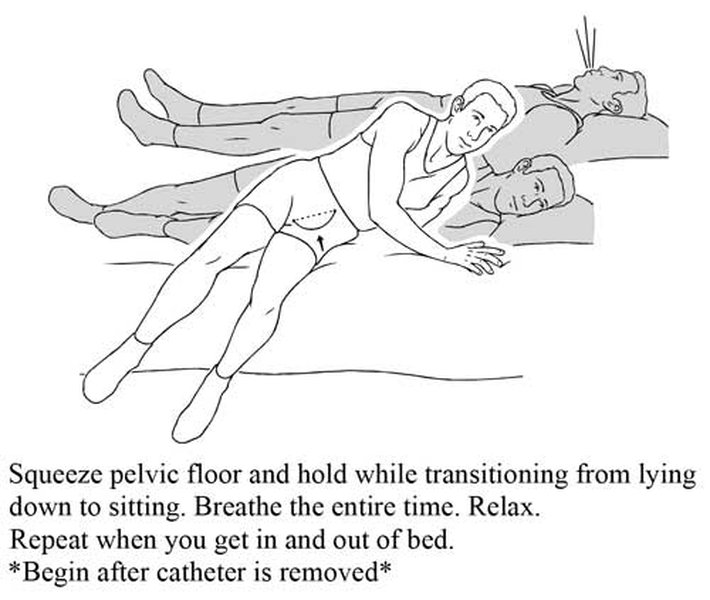
Kegels are the cornerstone of post-prostatectomy rehabilitation. They directly strengthen the muscles that control urine flow and support erectile function. To perform them, imagine stopping the flow of urine or holding back gas. Contract these muscles, hold for 3-5 seconds, then relax for the same duration. Aim for 10-15 repetitions, three times daily. Starting these exercises 4-6 weeks before surgery and resuming about one week after catheter removal can significantly accelerate bladder control recovery and improve erectile function.

Illustration of a man performing pelvic floor muscle exercises.
2. Deep Breathing with Pelvic Floor Engagement
Combining deep, diaphragmatic breathing with gentle pelvic floor contractions promotes relaxation, improves oxygenation, and enhances circulation throughout the body, including the pelvic region. Lie comfortably, place one hand on your chest and the other on your abdomen. Breathe in deeply through your nose, allowing your abdomen to rise, and gently contract your pelvic floor. Exhale slowly through your mouth, relaxing the pelvic floor. Repeat 5-10 times daily.
3. Light Walking
Walking is one of the safest and most effective forms of exercise in the early recovery phase. It promotes overall blood circulation, helps prevent blood clots, and gradually readies your body for increased activity. Start with short, gentle walks (10-15 minutes) as soon as cleared by your surgeon, gradually increasing duration to 20-30 minutes daily as tolerated. Walking helps reduce tension on the surgical incision and aids in a faster return to normal activities.
4. Gentle Stretching (Hips, Lower Back, Thighs)
Light stretches focusing on the hips, lower back, and inner thighs improve flexibility, alleviate tension, and enhance blood flow to the pelvic area without putting undue pressure on the surgical site. Examples include gentle hip circles, child’s pose (modified for comfort), and seated forward folds. Always stretch slowly and avoid any movements that cause pain or strain.
5. Seated Pelvic Tilts / Bridge Exercise
These exercises engage the core and pelvic muscles, improving circulation and mobility. For seated pelvic tilts, sit upright and gently tilt your pelvis forward and backward. For the bridge exercise, lie on your back with knees bent and feet flat. Lift your hips slowly off the ground, engaging your glutes and pelvic floor, hold for a few seconds, then lower. Both activate supportive muscles around the pelvis, aiding blood flow.
A man performing a modified bridge exercise for pelvic strength.
6. Leg Slides / Seated Marching
Leg slides enhance lower limb circulation and gently engage core muscles. While lying down, slowly slide one leg out straight and then back, keeping your core gently braced. Seated marching involves sitting upright and slowly lifting one knee towards your chest, then alternating. Both are low-impact ways to stimulate blood flow in the legs and pelvis.
7. Yoga and Pilates (Modified)
Gentle yoga poses and Pilates exercises can help strengthen pelvic floor muscles, improve flexibility, and support overall recovery. Poses like Cat-Cow stretch, Child’s Pose, and modified hip-opening asanas gently restore mobility and encourage blood flow. Pilates focuses on deep core and pelvic floor engagement. Always choose beginner-level routines and modify as needed to avoid strain on the surgical area.
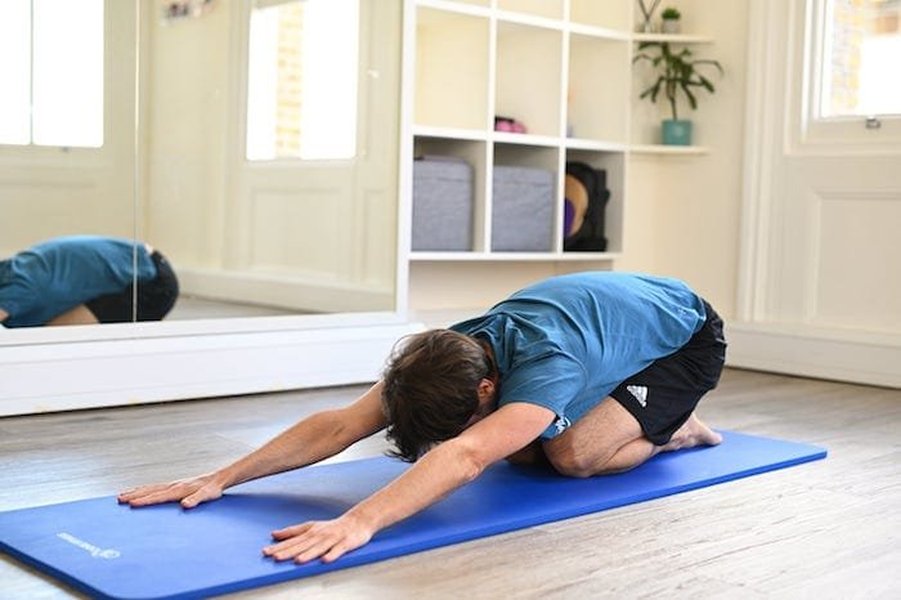
Illustration of an individual in Child's Pose, beneficial for gentle stretching.
8. Progressive Pelvic Floor Resistance Training
Once basic Kegel contractions are mastered and without discomfort, gradually increase the intensity and duration of pelvic floor exercises. This can involve longer holds or more rapid contractions. This progression, often guided by a physical therapist, further enhances muscle strength and vascular flow to the pelvic region, improving both continence and erectile function.
9. Light Cardiovascular Workouts (Stationary Bike, Elliptical)
After adequate healing (typically around 4 weeks with doctor's approval), introducing light cardiovascular exercises like stationary cycling or using an elliptical machine can further improve overall blood circulation and cardiovascular health. These activities are low-impact and help increase blood flow to the pelvic area. Ensure the stationary bike seat is comfortable to avoid perineal pressure.
10. Penile Rehabilitation Protocols (Non-Exercise Strategies)
While not "exercises" in the traditional sense, penile rehabilitation strategies are critical for maintaining blood flow and promoting nerve regeneration. These often involve:
- Oral Medications (PDE5 inhibitors): Drugs like sildenafil (Viagra) or tadalafil (Cialis) increase blood flow to the penis, often prescribed early after catheter removal to encourage nerve regeneration.
- Vacuum Erection Devices (Penis Pumps): These devices draw blood into the penis, helping to achieve an erection and maintaining tissue health by promoting regular blood flow. They can be used as early as 10 days post-surgery.
- Penile Injections: Medications like alprostadil can be injected to induce an erection by increasing blood flow, even without sexual stimulation.
Comparing Exercise Impact on Recovery Elements
The radar chart below visually represents the comparative impact of various exercise types on different aspects of post-prostatectomy recovery. This helps illustrate how different exercises contribute uniquely to overall well-being and targeted healing processes.
The Interconnectedness of Recovery: A Mind Map
This mind map illustrates the comprehensive approach to post-prostate surgery recovery, highlighting how various aspects—from physical exercises to lifestyle factors—contribute to improved blood flow, muscle strength, and overall well-being.
(Pelvic Floor Strengthening)"] walking["Walking
(General Circulation)"] breathing["Deep Breathing
(Oxygenation & Relaxation)"] stretching["Gentle Stretching
(Flexibility & Local Flow)"] pelvic_tilts["Pelvic Tilts/Bridge
(Core & Pelvic Support)"] leg_exercises["Leg Slides/Seated Marching
(Lower Limb Circulation)"] yoga_pilates["Yoga & Pilates
(Holistic Strength & Flexibility)"] resistance_training["Progressive Pelvic Floor Resistance Training
(Advanced Strength)"] cardio["Light Cardio
(Overall Cardiovascular Health)"] Penile_Rehabilitation["Penile Rehabilitation"] medications["Oral Medications
(PDE5 Inhibitors for Blood Flow)"] devices["Vacuum Erection Devices
(Mechanical Blood Flow)"] injections["Penile Injections
(Pharmacological Erection)"] Key_Benefits["Key Benefits"] blood_flow["Enhanced Blood Flow
(To Pelvic Area & Penis)"] muscle_strength["Strengthened Pelvic Floor Muscles"] nerve_regeneration["Support Nerve Regeneration"] urinary_control["Improved Urinary Control"] erectile_function["Restored Erectile Function"] complication_prevention["Reduced Complications
(e.g., Blood Clots)"] Important_Considerations["Important Considerations"] medical_clearance["Medical Clearance is Essential"] gradual_progression["Gradual Progression"] consistency["Consistency is Key"] professional_guidance["Pelvic Floor Physical Therapy"] hydration_diet["Hydration & Balanced Diet"] patience["Patience in Recovery"]
Understanding Penile Rehabilitation for Erectile Function
Beyond traditional exercises, a crucial aspect of recovery is penile rehabilitation. This set of strategies aims to restore and maintain erectile function by promoting consistent blood flow and encouraging nerve regeneration after prostate surgery. Surgery can injure the nerves and blood vessels essential for erections, and early intervention is key to optimizing outcomes. This video explains various therapies to support erectile function after prostate cancer treatment, providing valuable insights into the multi-faceted approach to recovery.
Urologist Tony Chen, MD discusses therapies to support erectile function after prostate cancer treatment.
Dr. Tony Chen's discussion underscores the importance of a proactive approach to erectile dysfunction post-prostatectomy. He scopes new therapies that go beyond just exercises, highlighting how medications and devices like vacuum erection devices contribute to improving blood flow and aiding nerve recovery. This proactive management is vital even if not currently sexually active, as it helps preserve tissue health and prevents scar tissue from forming, thereby maximizing the potential for future erectile function as nerves recover.
Comprehensive Overview of Exercises and Their Benefits
The table below synthesizes the key exercises, their primary purpose, and important notes for their effective and safe implementation post-prostate surgery. This structured overview provides a quick reference for the various components of a successful recovery plan.
| Exercise Category | Primary Purpose for Blood Flow/Recovery | Key Considerations & Timing |
|---|---|---|
| Kegel Exercises | Strengthen pelvic floor muscles, improve urinary control, and directly enhance blood flow to the penis. | Start 4-6 weeks pre-surgery (if possible), resume ~1 week post-catheter removal. Consistency is crucial. |
| Deep Breathing & Pelvic Floor Engagement | Improves oxygenation, reduces tension, and enhances overall circulation, supporting nerve recovery. | Can be started early; focus on diaphragmatic breathing combined with gentle pelvic floor contractions. |
| Light Walking | Promotes overall blood circulation, prevents blood clots, and aids gradual return to activity. | Begin shortly after surgery (day of or day after), gradually increasing duration and intensity. |
| Gentle Stretching (Hips, Lower Back, Thighs) | Improves flexibility, relieves tension, and enhances local blood flow to the pelvic region. | Perform gently; avoid straining or positions that cause discomfort. |
| Pelvic Tilts / Bridge Exercise | Strengthens lower back, core, and pelvic muscles, contributing to pelvic stability and circulation. | Begin gently, focusing on controlled movements. Avoid lifting hips too high initially. |
| Leg Slides / Seated Marching | Encourages circulation in the lower limbs and gently activates core muscles without strain. | Safe for early recovery, can be performed lying or seated. |
| Gentle Yoga & Pilates | Strengthens pelvic floor, improves flexibility, reduces tension, and aids overall circulation. | Choose modified, beginner-level poses; focus on alignment and controlled movements. |
| Progressive Pelvic Floor Resistance Training | Enhances muscle strength and vascular flow to the pelvic region through increased intensity. | Introduce after mastering basic Kegels, ideally under professional guidance. |
| Light Cardiovascular Workouts (Stationary Bike, Elliptical) | Boosts overall cardiovascular health and blood flow, including to the pelvic area. | Typically after ~4 weeks, with medical clearance. Ensure comfortable seating on bikes. |
| Penile Rehabilitation (Medications, Devices) | Actively draws blood into the penis, promoting tissue health and nerve regeneration. | Often initiated early post-catheter removal (e.g., 10 days for pumps), under medical supervision. |
Frequently Asked Questions (FAQ)
What is the most important exercise after prostate surgery?
When can I start exercising after prostate surgery?
How do exercises help with erectile dysfunction after prostate surgery?
Should I see a physical therapist specializing in pelvic health?
Conclusion
The journey to recovery after prostate surgery is a dynamic process that significantly benefits from a well-structured exercise regimen. By prioritizing pelvic floor strengthening, incorporating general aerobic activities, and engaging in penile rehabilitation strategies, individuals can proactively address common post-surgical challenges like urinary incontinence and erectile dysfunction. The consistent commitment to these exercises, guided by medical professionals, not only enhances blood flow and muscle strength but also fosters overall well-being, paving the way for a robust and healthy return to daily life. Remember, patience and adherence to personalized medical advice are the cornerstones of successful post-prostatectomy recovery.
Recommended Further Exploration
- What are the long-term benefits of comprehensive penile rehabilitation after prostatectomy?
- How do diet and hydration impact blood flow and recovery after prostate surgery?
- What advanced pelvic floor exercises are beneficial for men beyond basic Kegels?
- What is the psychological impact of prostate surgery recovery, and how can it be addressed?