
PROTECTED TAVR Trial Insights
Comprehensive analysis of cerebral embolic protection in TAVR procedures
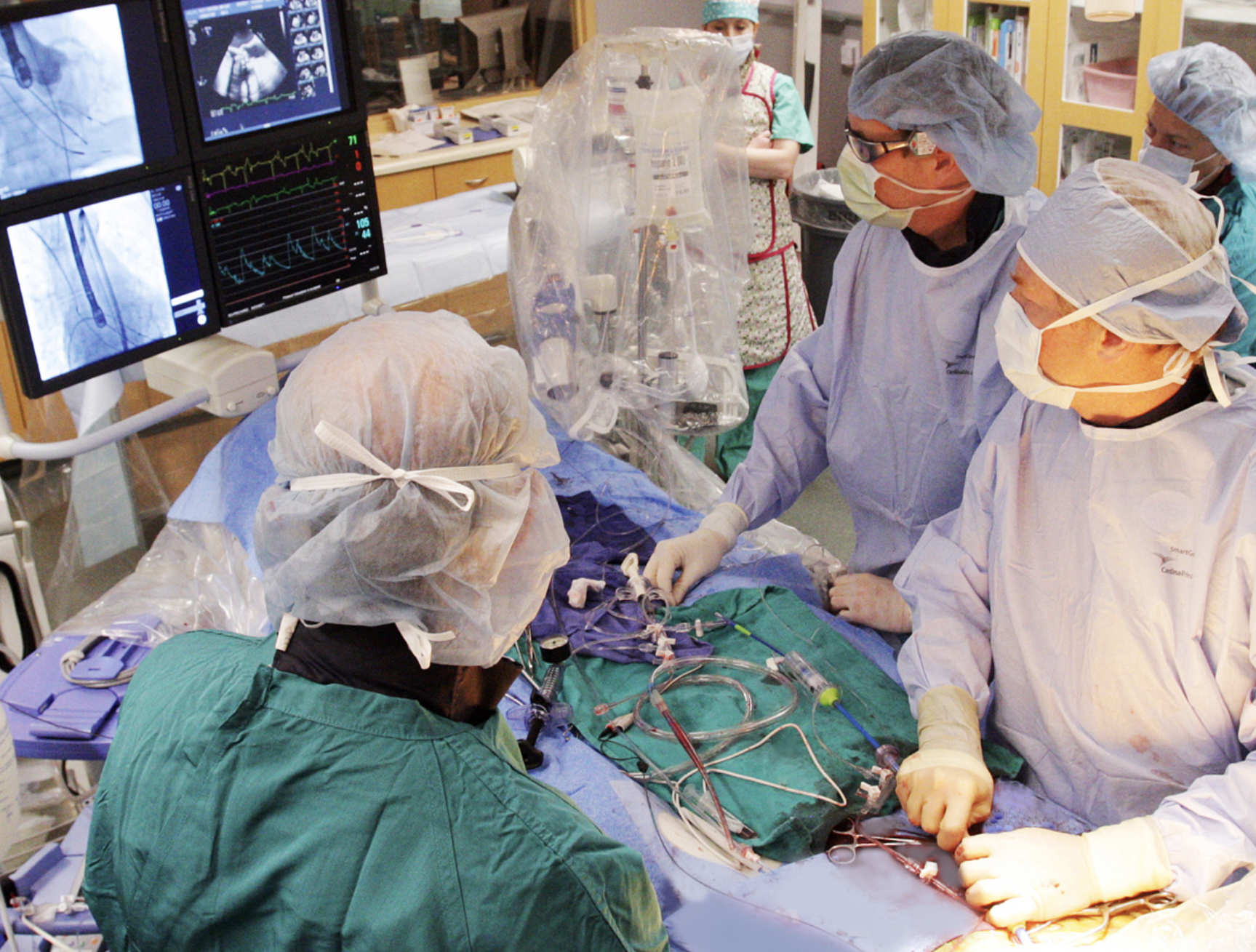
Key Highlights
- Disabling Stroke Reduction: Significant reduction in disabling strokes with CEP.
- Overall Stroke Rates: No significant difference in overall stroke rates was observed.
- Clinical Impact: Influences in clinical practice and ongoing research highlight the evolving perspectives on CEP.
Overview and Rationale
The PROTECTED TAVR (Transcatheter Aortic Valve Replacement) trial is a landmark clinical study designed to evaluate the efficacy and safety of cerebral embolic protection (CEP) devices during TAVR procedures. TAVR is a minimally invasive treatment aimed at replacing the aortic valve in patients with aortic stenosis. However, manipulating the calcified valve can release debris, potentially causing cerebral embolization and resulting in strokes or other neurological complications.
Given these risks, devices such as the Sentinel Cerebral Protection System have been developed to capture and remove embolic debris, thus potentially mitigating these adverse outcomes. The PROTECTED TAVR trial investigates whether the use of such devices can make a significant impact in reducing the risk of stroke, with a specific focus on disabling strokes, and whether the improved outcomes justify their routine use.
Trial Design and Methodology
Study Population and Randomization
The trial enrolled approximately 3,000 patients from over 50 global sites, making it one of the largest randomized controlled trials in its category to date. Patients undergoing TAVR were randomly assigned to one of two groups:
- CEP Group: Patients received TAVR with the use of the Sentinel cerebral embolic protection device.
- Control Group: Patients underwent TAVR without any additional embolic protection.
This randomization was crucial to ensure the reliability of the comparative outcomes and to minimize potential biases.
Endpoints and Outcome Measures
The primary endpoints evaluated in the trial were focused on stroke incidence within 72 hours post-procedure:
- Overall Stroke Rate: The total number of stroke events, irrespective of severity, within the defined post-procedural period.
- Disabling Stroke Rate: Specific emphasis was placed on strokes that resulted in significant functional impairment.
- Neurological Assessment: Cognitive function and neurological deficits were also assessed to elucidate any benefits of the CEP device beyond stroke reduction.
Major Findings and Clinical Implications
Stroke Incidence Analysis
The PROTECTED TAVR trial demonstrated that while the overall stroke rates between the CEP and control groups did not significantly differ (with rates roughly around 2.3% vs. 2.9%, respectively), there was a noteworthy reduction in disabling strokes among patients who received the CEP device.
This reduction in disabling strokes is clinically significant as it implies that although the absolute numbers of stroke events might remain similar, the severity and long-term impact on quality of life for patients could be substantially improved when using CEP.
Cerebral Protection Device Effectiveness
The Sentinel Cerebral Protection System, a focal point of the trial, effectively captured embolic debris in most patients. This finding supports the rationale behind using such devices: even if the overall stroke prevention efficacy appears modest, the ability to reduce the severity of strokes is a critical outcome. Clinicians can use this evidence when weighing the risks and benefits of deploying CEP during TAVR.
Further reinforcing these observations, the trial findings have influenced clinical practice. Some centers have reported a decline in the routine use of embolic protection devices since the trial, suggesting a cautious application based on individualized patient risk assessments. In particular, centers have noted that the decrease in the percentage of cases using CEP (with less than 25% usage reported in almost 89.4% of centers) may be related to not only these results but also cost and procedural considerations.
Future Research and Ongoing Trials
While the PROTECTED TAVR trial has provided valuable insights, it also highlights the need for more expansive studies. The British Heart Foundation’s PROTECT TAVI trial, involving a larger patient cohort (up to 8,000 patients), is expected to further clarify which patient populations might benefit the most from CEP devices and to validate the observed reduction in disabling strokes.
The evolving data will likely refine patient selection criteria and procedural protocols. This ongoing research may help integrate more precise risk stratification models, ensuring that the usage of CEP devices is both cost-effective and clinically beneficial.
Detailed Comparison of Key Metrics
| Parameter | CEP Group | Control Group |
|---|---|---|
| Overall Stroke Rate | Approximately 2.3% | Approximately 2.9% |
| Disabling Stroke Rate | Approximately 0.5% | Approximately 1.3% |
| Debris Capture Effectiveness | High percentage of patients showed debris capture | N/A |
| Study Size | ~3,000 patients across >50 global sites | |
| Future Study | British Heart Foundation PROTECT TAVI (approx. 8,000 patients) | |
Clinical Impact and Practice Considerations
Balancing Risks and Benefits
The reduction in disabling strokes observed in the trial emphasizes the potential of CEP devices to positively influence patient outcomes. However, the unchanged overall incidence of strokes suggests that while CEP may not prevent all stroke occurrences, it can notably diminish the severity and resultant disability of stroke events.
Clinicians are encouraged to discuss with their patients the advantages of potentially improved neurological outcomes against the procedural complexities and cost considerations that may accompany the use of cerebral embolic protection devices. Decision-making will often require a personalized approach, carefully evaluating patient risk profiles and the specifics of the TAVR procedure.
Guidelines and Recommendations
Given the nuanced findings, current clinical guidelines suggest a balanced approach:
- Routine usage of CEP devices may not be universally recommended, especially in cases where overall stroke rates are not prohibitive.
- In patients where preventing severe neurological outcomes is paramount, the use of CEP can be strongly considered.
- Ongoing studies and post-market surveillance will continue to inform best practices, with future guidelines likely to be refined as more data emerges.
Integration into Future Cardiovascular Practice
Impact on Clinical Decision-Making
The insights gathered from the PROTECTED TAVR trial are already shaping how clinicians approach TAVR procedures. The evidence points toward a selective application of CEP, whereby physicians carefully weigh patient-specific risks of disabling stroke against procedural factors. The data supports a move towards personalized risk assessment tools that could optimize the use of CEP in TAVR procedures.
As the use of CEP devices is further investigated and refined, future clinical decision-making is expected to integrate newer data and enhanced imaging or monitoring techniques to predict embolic risks more accurately. This progression will help in formulating more precise, and perhaps even procedure-specific, guidelines.
References
- PROTECTED TAVR Trial - Boston Scientific
- Protected TAVR Findings - Cleveland Clinic
- PROTECTED TAVR Analysis - SCAI
-
PROTECTED TAVR Study - NCBI
- NEJM - PROTECTED TAVR Trial
Recommended Related Queries
Last updated March 22, 2025