
Why Safeguarding the Vulnerable Isn't Just Compassion, It's a Human Rights Imperative
Unpacking the urgent need for all stakeholders to prioritize and protect the rights of marginalized groups.
Understanding and actively protecting the rights of vulnerable groups is fundamental to upholding human rights and fostering democratic societies. These groups, often facing heightened risks due to systemic discrimination, historical disadvantages, or specific circumstances, require dedicated attention and tailored protective measures from all segments of society – governments, businesses, civil society, and international organizations alike. Failing to address their specific needs undermines the universal principle of human rights and perpetuates cycles of inequality.
Key Insights: Protecting Vulnerable Populations
- Increased Susceptibility: Vulnerable groups face disproportionately higher risks of human rights violations due to structural discrimination, marginalization, and lack of access to resources and justice.
- Shared Responsibility: Protecting these rights is not solely a government duty; businesses, civil society, and international bodies all have crucial roles defined by frameworks like the UN Guiding Principles on Business and Human Rights (UNGPs).
- Mandatory Protective Measures: Effective protection requires a multi-pronged approach including legal reforms, inclusive social protection, access to remedies, awareness campaigns, and proactive stakeholder engagement.
The Critical Need for Focused Attention
The call to prioritize the rights of vulnerable groups stems from their inherent susceptibility to harm and the specific barriers they encounter in realizing their fundamental freedoms. Ignoring these realities means failing the very essence of human rights protection.
Heightened Risk of Violations and Discrimination
Vulnerable populations are defined by their increased exposure to human rights abuses. This vulnerability often arises from intersecting forms of discrimination based on factors like gender, age, disability, ethnicity, religion, sexual orientation, migration status, or socioeconomic standing. They may struggle to defend themselves or access justice mechanisms effectively.
Structural Barriers
Many groups face systemic discrimination embedded within laws, policies, and societal norms. This results in unequal access to essential services such as healthcare, education, employment, and housing. For example, persons with disabilities often encounter physical and attitudinal barriers limiting their participation in society, while ethnic or religious minorities might face discriminatory practices in law enforcement or the judicial system.
Historical Disadvantage
Past and ongoing marginalization creates cycles of poverty and limits opportunities. Indigenous peoples, for instance, often grapple with the legacy of land dispossession and cultural suppression, leading to persistent socioeconomic disparities. Similarly, women and girls in many societies face entrenched patriarchal norms that restrict their autonomy and expose them to violence.
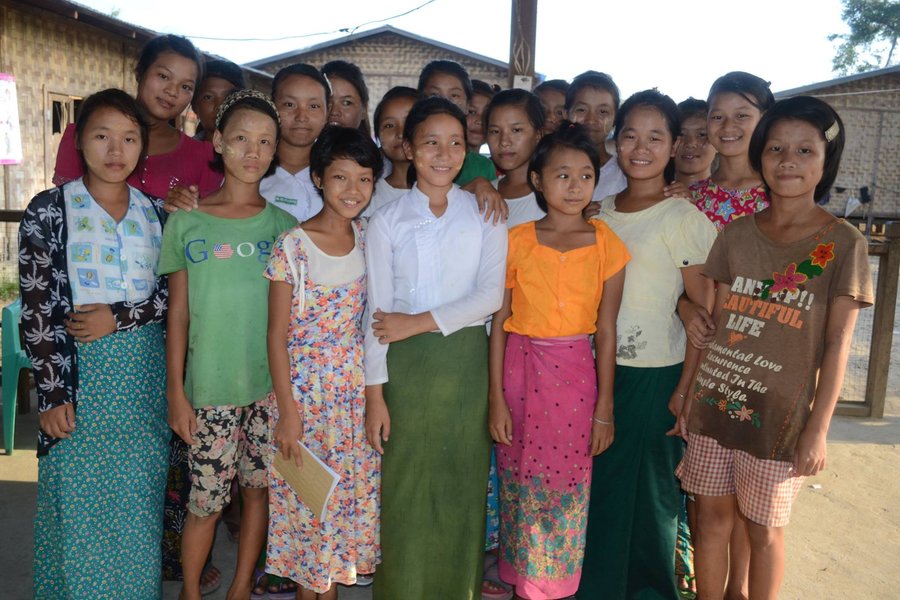 Caption: Addressing gender-based violence and discrimination requires systemic change and active stakeholder involvement.
Disproportionate Impact of Crises
Global challenges like pandemics (e.g., COVID-19), armed conflicts, climate change, and economic downturns invariably hit vulnerable groups the hardest. Existing inequalities are amplified, leading to:
- Health Disparities: Limited access to healthcare, information, protective equipment, and vaccines, as seen with BIPOC communities during the COVID-19 pandemic.
- Economic Hardship: Higher rates of job loss, particularly in informal sectors, increased risk of exploitation, and reduced access to social safety nets. Women often bear the brunt of increased caregiving responsibilities and economic instability.
- Increased Violence and Exploitation: Conflict situations heighten risks of sexual violence, human trafficking, and forced recruitment, particularly for women, children, and displaced persons.
- Barriers to Aid: Refugees, migrants, and internally displaced persons often face significant obstacles in accessing humanitarian assistance and essential services.
Effective crisis management requires structures specifically designed to address the unique impacts on vulnerable groups, ensuring their concerns are integrated into response and recovery efforts.
The Foundation of Universal Human Rights
The core principle of human rights is universality – they apply equally to everyone. However, achieving substantive equality often requires acknowledging that some groups need special, tailored protections to overcome existing barriers and enjoy their rights on an equal footing with others. International human rights instruments explicitly recognize this, mandating states and obligating other actors to take positive measures to safeguard those most at risk. Protecting the vulnerable is not preferential treatment; it is a necessary step to ensure the universal application of human rights.
Mapping Stakeholder Roles and Collaboration
Protecting the rights of vulnerable groups is a complex challenge that demands coordinated action from a diverse range of actors. No single entity can tackle this alone; collaboration and clearly defined roles are essential.
Identifying Key Actors
The responsibility for upholding the rights of vulnerable groups extends across society:
- Governments (States): The primary duty-bearers under international law. Responsible for enacting protective laws, implementing inclusive policies, ensuring access to justice, providing essential services, and regulating the activities of other actors like businesses.
- Businesses (Corporations): Have a responsibility to respect human rights throughout their operations and supply chains, as outlined in the UNGPs. This includes conducting human rights due diligence (HRDD) to identify, prevent, mitigate, and account for impacts on vulnerable groups.
- Civil Society Organizations (CSOs): Play vital roles in advocacy, monitoring, awareness-raising, providing direct support and legal aid to vulnerable groups, and holding governments and businesses accountable.
- International Organizations (e.g., UN, regional bodies): Set international standards, monitor compliance, provide technical assistance, facilitate dialogue, and coordinate international efforts.
- National Human Rights Institutions (NHRIs): Independent bodies that monitor the human rights situation, investigate complaints, and advise governments.
- Communities and Individuals: Play a role in fostering tolerance, challenging discrimination, and participating in efforts to protect vulnerable members of society.
The Imperative of Multi-Stakeholder Engagement
Effective human rights protection, particularly for vulnerable groups, hinges on meaningful engagement and collaboration among these stakeholders. Human Rights Due Diligence (HRDD) processes, central to the UNGPs, explicitly require businesses to consult with potentially affected groups and other relevant stakeholders.
This engagement is crucial for:
- Identifying Risks: Understanding the specific ways activities might impact vulnerable groups.
- Developing Effective Solutions: Designing mitigation and remediation measures that genuinely address the needs and concerns of those affected.
- Building Trust: Fostering constructive relationships between different actors.
- Ensuring Accountability: Creating mechanisms for transparency and redress.
The following mindmap illustrates the interconnected roles of various stakeholders in protecting the rights of vulnerable groups.
This interconnectedness highlights that a holistic, collaborative approach involving dialogue and shared action is indispensable for creating environments where the rights of the most vulnerable are respected and protected.
Visualizing Vulnerability Factors
Vulnerability isn't monolithic; it stems from a combination of factors that vary across different groups and contexts. This radar chart provides a conceptual overview of how certain factors might contribute more significantly to the vulnerability of specific example groups, based on common patterns of discrimination and disadvantage. The scores represent a qualitative assessment of relative risk intensity, not precise data.
This visualization underscores why a one-size-fits-all approach is inadequate. Understanding the specific constellations of risk factors faced by different groups is essential for designing targeted and effective protective measures.
Protective Measures: A Human Rights-Based Approach
Protecting the rights of vulnerable groups requires a comprehensive strategy grounded in human rights principles. This involves proactive and reactive measures implemented collaboratively by all stakeholders.
Strengthening Legal and Policy Frameworks
Laws and policies must explicitly prohibit discrimination and provide specific protections for vulnerable groups, aligned with international standards like the Convention on the Rights of Persons with Disabilities (CRPD), CEDAW, and the Convention on the Rights of the Child (CRC).
Key Actions:
- Enacting comprehensive anti-discrimination legislation.
- Reviewing existing laws to remove discriminatory provisions.
- Implementing affirmative action or special measures where necessary to achieve substantive equality.
- Ensuring legal frameworks address emerging issues, such as online hate speech or algorithmic bias.
Ensuring Access, Inclusion, and Participation
Vulnerable groups must have equal access to essential services and meaningful participation in decisions that affect them.
Key Actions:
- Guaranteeing non-discriminatory access to healthcare, education, housing, and social protection systems (tailoring services where needed).
- Providing effective access to justice, including legal aid and accessible complaint mechanisms.
- Ensuring inclusive decision-making processes through consultation and active participation of vulnerable groups.
- Making information accessible in appropriate formats and languages.
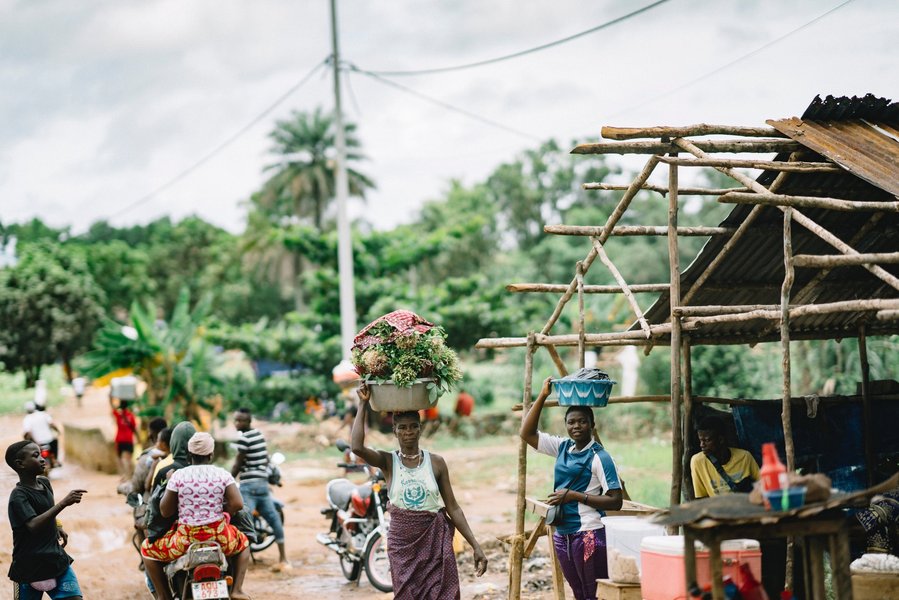 Caption: Social protection programs and accessible services are vital safety nets for vulnerable communities.
Proactive Engagement, Prevention, and Monitoring
Preventing violations requires ongoing vigilance, awareness, and accountability mechanisms.
Key Actions:
- Conducting Human Rights Impact Assessments (HRIAs) to identify potential risks before projects or policies are implemented.
- Raising public awareness about the rights of vulnerable groups to combat prejudice and foster inclusion.
- Establishing independent monitoring bodies (like NHRIs) to oversee implementation and investigate violations.
- Developing specific protocols for protecting vulnerable groups during crises.
- Actively combating hate speech and incitement to violence.
Corporate Responsibility and Due Diligence
Businesses play a significant role through their operations and influence. Adherence to the UNGPs is key.
Key Actions:
- Integrating human rights considerations into business policies and practices.
- Conducting ongoing Human Rights Due Diligence (HRDD) with a specific focus on vulnerable stakeholders.
- Engaging in meaningful dialogue with potentially affected groups.
- Establishing accessible grievance mechanisms and providing remedy for adverse impacts.
- Promoting human rights respect throughout supply chains.
The following table summarizes key protective measures tailored to specific examples of vulnerable groups, illustrating the need for context-specific approaches:
| Vulnerable Group Example | Key Vulnerabilities | Examples of Protective Measures |
|---|---|---|
| Children | Exploitation (labor, sexual), abuse, neglect, lack of access to education/healthcare, recruitment into armed groups. | Child protection laws (CRC implementation), accessible education, child-friendly justice systems, birth registration, targeted social support. |
| Persons with Disabilities | Accessibility barriers (physical, informational), discrimination in employment/education, lack of healthcare access, social exclusion. | Accessibility standards, anti-discrimination laws (CRPD implementation), inclusive education policies, reasonable accommodation, social support services. |
| Refugees & Migrants | Lack of legal status, xenophobia, exploitation, trafficking, barriers to essential services, detention. | Fair asylum procedures, access to legal aid, anti-trafficking measures, access to basic services (health, education), alternatives to detention, integration support. |
| Women & Girls (facing discrimination) | Gender-based violence, unequal pay, limited political/economic participation, harmful traditional practices, restricted access to health/education. | Laws against gender-based violence (CEDAW implementation), equal pay legislation, quotas for political participation, access to reproductive healthcare, girls' education initiatives. |
| Indigenous Peoples | Land rights violations, cultural assimilation pressures, discrimination, lack of political representation, environmental degradation impacts. | Recognition of land rights (UNDRIP implementation), consultation protocols (FPIC), culturally appropriate services, protection of cultural heritage, political representation. |
Spotlight on Stakeholder Roles in Action
Understanding the practical application of stakeholder roles is crucial. The concept of Human Rights Due Diligence (HRDD), particularly as promoted by the UN Guiding Principles on Business and Human Rights, emphasizes the importance of involving various actors in identifying, preventing, and mitigating human rights risks. This involves ongoing dialogue and collaboration.
The following video discusses the roles stakeholders play in HRDD processes, providing insights into how governments, businesses, and civil society can work together to ensure human rights, including those of vulnerable groups, are respected in practice.
This discussion highlights how structured engagement, like that required by HRDD, helps ensure that the perspectives and rights of those most at risk, including vulnerable populations, are considered and addressed proactively, moving beyond reactive measures to embed human rights respect into standard operations and governance.
Frequently Asked Questions (FAQ)
+ What defines a 'vulnerable group' in human rights?
+ Why are businesses considered stakeholders in protecting human rights?
+ What is Human Rights Due Diligence (HRDD)?
+ Isn't focusing on 'vulnerable groups' a form of discrimination?
References
- The Human Rights Protection of Vulnerable Groups - Icelandic Human Rights Centre
- Respecting the Rights of Vulnerable Groups - BSR
- Stakeholders' Role in Human Rights Due Diligence - Ksapa
- Bringing a human rights lens to stakeholder engagement - Shift Project
- Non-discrimination and groups in vulnerable situations | SR Health - OHCHR
- Inclusion of vulnerable groups - Social Protection Human Rights
- Protecting vulnerable groups in crisis situations: more effective structures and procedures needed - Council of Europe
- Engaging Stakeholders - Global Business Initiative on Human Rights (GBIHR)
Recommended Reading
Last updated April 12, 2025