
Classification of Protozoa and Porifera
A detailed exploration of class-level classification with characteristics and examples
Key Highlights
- Protozoa: Classified by modes of locomotion into Rhizopoda, Mastigophora, Ciliophora, and Sporozoa with each class exhibiting distinct cellular features.
- Porifera: Divided into classes based on their skeletal elements, including Calcarea, Hexactinellida, and Demospongiae, with some systems including Homoscleromorpha.
- Examples & Characteristics: Each class is defined with specific structures, movement mechanisms, and notable examples illustrating their diversity in both free-living and parasitic forms.
Introduction
In biological taxonomy, both Protozoa and Porifera are grouped based on similarities in their structural organization and modes of locomotion, or skeletal formation, respectively. This classification up to the class level provides essential insights into the unique features and adaptations of these organisms. Protozoa, single-celled protists, display diverse structures and locomotory mechanisms, while Porifera, the sponges, represent the simplest multicellular animals. Below is an extensive discussion on the classification of each group, focusing on the defining characters and examples pertinent to their classes.
Protozoa Classification Up to Class
Protozoa are unicellular eukaryotic organisms belonging to the kingdom Protista. Traditionally, these organisms have been classified based on their locomotory structures, which also correlate with variations in cell structure, reproduction, and lifestyle. The four major classes are outlined below.
Class Rhizopoda (Amoeboid Protozoa)
This class is characterized by its amoeboid mode of locomotion. Organisms in this class move by extending temporary projections of cytoplasm known as pseudopodia, which allow them to capture food and navigate their environment. They typically possess a flexible cell membrane and minimal structural protection.
Key Characteristics
- Movement via pseudopodia (temporary cytoplasmic extensions).
- No fixed shape; constantly changing morphology while moving.
- Mostly free-living but includes parasitic forms.
- Reproduction mainly by binary fission and sometimes by sexual processes like syngamy.
Examples
- Amoeba – exemplifies the flexible, rapidly changing body form.
- Entamoeba – includes parasitic species which can cause diseases such as amoebic dysentery.
Class Mastigophora (Flagellated Protozoa)
Members of this class are defined by the presence of one or more flagella. These whip-like structures enable the organisms to swim through aquatic environments. They may be either parasitic or free-living and some even possess auxiliary chloroplasts, which can hint at a photosynthetic ability in certain forms.
Key Characteristics
- Possession of one or more flagella used for locomotion.
- Surface often covered by a specialized pellicle or cuticle.
- Water balance controlled by contractile vacuoles, especially in freshwater species.
- Found in diverse environments, acting as free-living organisms in aquatic ecosystems or as parasites.
Examples
- Trypanosoma – known for causing sleeping sickness in humans.
- Giardia – a flagellated parasite causing gastrointestinal distress.
- Leishmania – a parasite linked to leishmaniasis, affecting skin and internal organs.
Class Ciliophora (Ciliated Protozoa)
Ciliophora, or ciliates, are characterized by numerous hair-like structures called cilia, which cover their cell surface and serve dual roles in locomotion and feeding. The complexity of these organisms is enhanced by the presence of two types of nuclei: a larger macronucleus that controls everyday functions and one or more micronuclei involved in reproduction.
Key Characteristics
- Numerous cilia present on the cell surface.
- Presence of two types of nuclei: macronucleus and micronucleus.
- Complex cell structure with specialized regions for feeding (cytostome) and excretion.
- Reproduction includes both asexual binary fission and sexual conjugation.
Examples
- Paramecium – a well-studied freshwater ciliate, popular in educational settings.
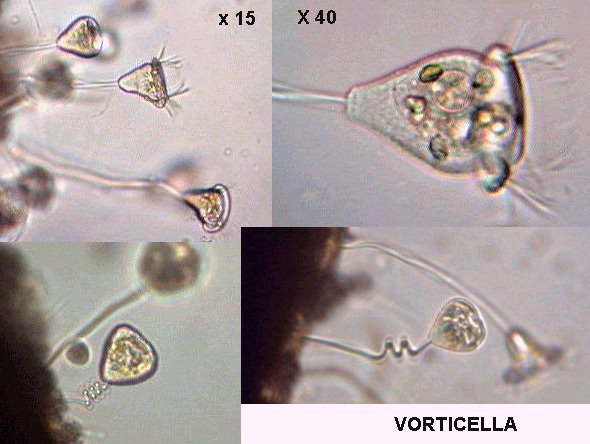
- Vorticella – recognized for its trumpet-like shape and distinctive stalk.
- Balantidium – noted for its role as a parasite in some mammalian hosts.
Class Sporozoa (Apicomplexans)
Unlike the other protozoan classes, Sporozoa lacks specialized locomotory structures in its adult life cycle. These organisms are typically parasitic and rely on complex life cycles involving multiple hosts. Sporozoans often form spores and can exhibit both asexual and sexual stages in their reproductive cycles.
Key Characteristics
- No specialized movement structures in the mature form.
- Obligate parasites with complex life cycles involving multiple hosts.
- Formation of spores during the life cycle, aiding in survival and transmission.
- Some species generate flagellated microgametes during reproduction.
Examples
- Plasmodium – the causative agent of malaria, with a life cycle that involves mosquitoes and humans.
- Toxoplasma – responsible for toxoplasmosis, particularly dangerous for immunocompromised individuals and pregnant women.
- Cryptosporidium – a waterborne parasite leading to gastrointestinal issues.
Porifera Classification Up to Class
Porifera, commonly known as sponges, have a markedly different classification framework from protozoa. These are multicellular marine animals with a porous body structure designed to filter water. While traditional classification distinguishes them based on the type and composition of their skeletal elements, modern systems sometimes incorporate additional classes for those with simpler forms.
Class Calcarea (Calcareous Sponges)
Calcareous sponges compose a class where the primary skeleton is formed from calcium carbonate spicules. They are usually found in shallow marine environments and are noted for their radial symmetry and varying body architectures such as asconoid, syconoid, or leuconoid forms.
Key Characteristics
- Skeleton made up of calcareous (calcium carbonate) spicules.
- Structures include asconoid, syconoid, or leuconoid tissue organization.
- Tend to be small with radially symmetrical, vase-like shapes.
- Primarily inhabit shallow marine water habitats.
Examples
- Leucosolenia – an example of a simple calcareous sponge with an asconoid structure.
- Sycon – representing species with a more complex syconoid organization.
- Clathrina – noted for its loosely organized body structure and calcareous framework.
Class Hexactinellida (Glass Sponges)
Glass sponges are remarkable for their intricate skeletal framework composed of siliceous spicules. These spicules usually exhibit a distinctive six-rayed configuration, which provides strength and contributes to the lattice-like structure of the sponge’s body. Typically found in deep sea environments, these organisms are a subject of fascination due to their unique tissue organization.
Key Characteristics
- Skeleton composed of siliceous (silica) spicules with six rays (hexactinal structure).
- Body organization is usually syncytial, lacking clearly defined cellular boundaries.
- Inhabit deep marine waters and exhibit complex lattice-like skeletal frameworks.
- Their elaborate spicule design provides both structural integrity and optical intrigue.
Examples
- Euplectella (Venus Flower Basket) – renowned for its beautiful, geometric siliceous skeleton and delicate structure.
- Hyalonema – another typical glass sponge found in deeper parts of the ocean.
Class Demospongiae (Common Sponges)
Demospongiae constitute the largest class within Porifera, accounting for almost 90% of sponge species. These sponges have skeletons that can be composed of siliceous spicules, spongin fibers, or a combination of both. They are notable for their diverse morphology, which ranges from encrusting forms to branching structures.
Key Characteristics
- Skeletons formed from siliceous spicules, spongin fibers, or both; some species may lack a rigid skeleton.
- Body plan predominantly leuconoid, offering a high degree of water filtration efficiency.
- Found in both marine and, in some cases, freshwater environments.
- Exhibit a wide variety of shapes, sizes, and colors, making them the most diverse group within Porifera.
Examples
- Spongilla – a freshwater sponge archetype with a simple organization.
- Cliona – known as boring sponges because of their ability to erode calcareous substrates.
- Euspongia – often utilized as a bath sponge and exhibiting a robust, fibrous structure.
Additional Considerations in Porifera Classification
Recent classifications have sometimes included additional classes such as Homoscleromorpha, which represent sponges with a simplified structure compared to their counterparts in Demospongiae. Although not universally accepted in every taxonomy, these groups contribute to the ongoing discussion regarding the evolution and diversification of sponges. Homoscleromorpha are noted for having a unique thin tissue organization without the complexity observed in other sponge groups.
Key Characteristics
- Simpler organization with a reduced and less specialized skeletal framework.
- Predominantly found in marine environments, often with a less calcified structure.
Examples
- Oscarella – recognized for lacking the spicules commonly found in other sponges.
- Plakina – often exemplifies the simpler architecture of Homoscleromorpha members.
Comparison Table
The table below offers a side-by-side comparison of the primary classes within Protozoa and Porifera, highlighting key diagnostic features and representative examples.
| Group | Class | Key Characteristics | Examples |
|---|---|---|---|
| Protozoa | Rhizopoda | Locomotion via pseudopodia; variable cell shape. | Amoeba, Entamoeba |
| Mastigophora | Flagellated locomotion; pellicle covering; contractile vacuoles. | Trypanosoma, Giardia, Leishmania | |
| Ciliophora | Cilia for movement; dual nuclei; complex cytoplasmic organization. | Paramecium, Vorticella | |
| Sporozoa | No specialized locomotory organelles in the adult; spore formation; parasitic life cycle. | Plasmodium, Toxoplasma, Cryptosporidium | |
| Porifera | Calcarea | Skeleton of calcium carbonate spicules; simple body organization. | Leucosolenia, Sycon, Clathrina |
| Hexactinellida | Siliceous six-rayed spicules; syncytial organization; deep-sea habitats. | Euplectella, Hyalonema | |
| Demospongiae | Combination of siliceous spicules and spongin fibers; high diversity; leuconoid body plan. | Spongilla, Cliona, Euspongia |
Detailed Discussion
The classification of both protozoa and poriferans showcases the rich diversity present in these groups. Each class reflects structural adaptations that have evolved to suit their specific ecological niches.
Protozoa Insightful Analysis
The protozoan classes not only differ in their locomotory structures but also in their reproductive strategies and cellular morphologies. For instance, Rhizopoda demonstrate remarkable cellular plasticity with their pseudopodia, enabling them to exploit varied microenvironments. In contrast, Mastigophora rely on the precision of flagellar motion which makes them excellent swimmers, vital for navigating aquatic habitats. Ciliophora, with their combinatory use of numerous cilia, allow for efficient food capture and sophisticated movements, while the parasitic Sporozoa illustrate a lifecycle heavily dependent on host interaction. This classification framework, though traditional, reflects adaptive evolution emphasizing the relevance of morphology in defining life processes.
Porifera Insightful Analysis
Porifera highlight one of the earliest forms of multicellularity characterized by a simple cellular arrangement. The variation in skeletal composition between the classes speaks to differences in habitat preference and evolutionary pathways. Calcareous sponges (Calcarea) thrive in shallow waters where calcium carbonate is abundant, while glass sponges (Hexactinellida) have evolved robust siliceous frameworks supporting life in deeper, nutrient-sparse oceans. The most diverse group, Demospongiae, demonstrate an impressive range of morphological features, reflecting successful radiation in both marine and freshwater ecosystems. The emerging consideration of classes like Homoscleromorpha further refines our understanding of sponge evolution and diversification.
Conclusion
In summary, the class-level classification of Protozoa and Porifera provides an essential framework for understanding the evolution and ecological versatility of these organisms. In protozoa, classifications based on locomotory structures such as pseudopodia, flagella, and cilia give clarity to their varied life strategies and metabolic pathways. Correspondingly, the classification of Porifera underscores the importance of structural materials—whether calcium carbonate or siliceous compounds—in shaping their morphology and environmental adaptation. Both classification systems not only serve as a taxonomy framework but also enhance our broader understanding of biological evolution and the relationships between structure and function. Recognizing these diverse groups with their distinct character states and representative examples enriches our perspective on the complexity of life forms and biological organization.
References
- NCBI Bookshelf - Protozoa: Structure and Classification
- BYJU'S - Protozoa Characteristics and Examples
- Vedantu - Phylum Porifera Overview
- Microbe Notes - Porifera Classification
Recommended Queries for Further Exploration
Last updated February 25, 2025