
Optimizing Performance: A Comprehensive Guide to Pressure Swing Adsorption (PSA) Process Maintenance Logs
Ensuring Efficiency, Longevity, and Reliability of PSA Systems through Meticulous Record-Keeping
Pressure Swing Adsorption (PSA) systems are pivotal in various industries for separating and purifying gases, including oxygen and nitrogen. Their reliability and efficiency are paramount for continuous operations. A robust maintenance program, underpinned by a meticulously kept maintenance log, is essential to ensure these systems run optimally, minimize downtime, and extend their lifespan. This guide delves into the critical aspects of PSA process maintenance and provides a sample log to facilitate systematic record-keeping.
Key Insights into PSA Maintenance and Logging
- Comprehensive Preventative Maintenance: Regular inspection, cleaning, and servicing of all PSA components—including air compressors, dryers, filters, adsorption towers, and valves—are crucial for optimal performance and longevity.
- Structured Documentation: Implementing a detailed maintenance log or a digital tracking system helps monitor the health and performance of PSA equipment, identify patterns of wear and tear, and ensure compliance with safety regulations.
- Proactive Problem Solving: Meticulous logging of maintenance activities and observations enables organizations to make informed decisions regarding repairs, replacements, and future maintenance planning, significantly reducing unexpected failures.
Understanding Pressure Swing Adsorption (PSA) Technology
Pressure Swing Adsorption (PSA) is a well-established technology for separating gas species from a mixture under pressure, based on their molecular characteristics and affinity for specific adsorbent materials. The process operates at near-ambient temperatures, offering an economic and reliable method to achieve high purity levels of individual gases. Adsorptive materials like zeolites, activated carbon, and molecular sieves play a crucial role, trapping target gas molecules at high pressure and releasing them upon depressurization.
How PSA Systems Function
A complete PSA cycle typically involves several steps, including adsorption, depressurization (desorption), and repressurization. Gases are passed through adsorbent beds; impurities are selectively adsorbed, while the desired pure gas product is obtained. When the adsorbent bed becomes saturated, the pressure is reduced, causing the adsorbed gases to desorb and be released as a waste stream. This cyclic process, often utilizing multiple columns, ensures continuous operation.
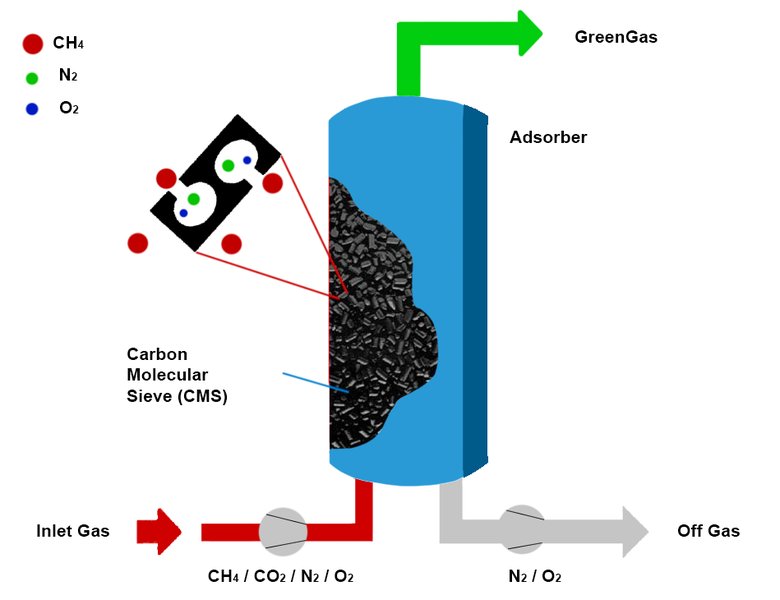
Illustration of a typical two-bed PSA process, showing adsorption and regeneration phases.
The efficiency of a PSA system hinges on factors such as feed gas pressure, purity requirements, adsorbent material, cycle time, and the interconnection of columns. PSA is widely used for hydrogen purification, nitrogen generation, oxygen production, and even CO2 capture, offering advantages like low energy consumption, high purity levels, flexibility, and comparatively low investment and maintenance costs.
The Importance of Maintenance in PSA Systems
Given the continuous and often critical operation of PSA systems, proper maintenance is paramount. These systems often operate under severe cyclic conditions, especially PSA vessels, which can lead to unique maintenance and reliability challenges. Neglecting maintenance can lead to:
- Reduced gas purity and flow rates.
- Increased energy consumption.
- Premature wear and tear of components.
- Unexpected downtime and operational disruptions.
- Higher repair and replacement costs.
A comprehensive lifecycle management plan, anchored in engineering principles and fitness-for-service assessments, is crucial for enhancing PSA vessel reliability and maximizing equipment life. This includes pre-emptive fatigue studies to guide inspection plans.
Creating an Effective PSA Process Maintenance Log
An equipment maintenance log is a comprehensive record-keeping system that captures vital maintenance information, inspection records, and repair history. For PSA processes, this log serves as an indispensable tool for proactive maintenance planning, performance monitoring, and regulatory compliance. It provides a historical record of maintenance work, helping to identify patterns of wear and tear, schedule future service, and prolong equipment lifespan.
Key Components of a PSA Maintenance Log
An effective PSA maintenance log should include detailed entries for various activities. Here are the essential elements:
General Information
- Plant/System ID: Unique identifier for the PSA plant or specific system.
- Location: Physical location of the PSA unit.
- Manufacturer: Name of the PSA system manufacturer.
- Model Number: Specific model of the PSA system.
- Serial Number: Unique serial number of the unit.
- Installation Date: Date when the system was installed.
Log Entry Details
- Date of Maintenance: When the maintenance was performed.
- Time (Start/End): Duration of the maintenance task.
- Maintenance Type: (e.g., Daily Check, Weekly Inspection, Monthly Service, Quarterly Service, Annual Overhaul, Corrective Maintenance, Calibration, Troubleshooting).
- Component/Sub-system: Specific part of the PSA system being maintained (e.g., Air Compressor, Air Dryer, Pre-filters, Adsorption Tower A, Adsorption Tower B, Oxygen Analyzer, Valves, Piping, Electrical System).
- Task Performed: Detailed description of the maintenance activity (e.g., "Checked air compressor oil level," "Cleaned air filters," "Inspected adsorption bed for moisture," "Calibrated oxygen analyzer," "Replaced solenoid valve").
- Observations/Readings: Any relevant observations or measurements taken (e.g., pressure readings, temperature, humidity, purity levels, run hours, alarm codes).
- Issues Identified: Description of any problems or anomalies found.
- Action Taken: Steps taken to address the identified issues (e.g., "Adjusted pressure," "Replaced worn part," "Tightened connection").
- Parts Replaced: List of any components replaced, including part numbers if applicable.
- Tools Used: Specific tools or equipment used for the maintenance task.
- Technician Name/ID: Name or identifier of the person(s) who performed the maintenance.
- Signature: Technician's signature for verification.
- Supervisor Approval: Signature of a supervisor if required.
- Next Scheduled Maintenance: Date for the next planned service for that component or task.
- Remarks/Notes: Any additional comments or important information.
Sample PSA Process Maintenance Log
Below is a sample HTML table representing a structured maintenance log for a PSA process. This table provides a template for recording essential maintenance activities and their details.
| Date | Time (Start-End) | Maintenance Type | Component/Sub-system | Task Performed | Observations/Readings | Issues Identified | Action Taken | Parts Replaced | Technician | Next Service |
|---|---|---|---|---|---|---|---|---|---|---|
| 2025-05-20 | 08:00-08:30 | Daily Check | Overall System | Visual inspection of plant, check for leaks/abnormal noises | No visible leaks, slight hum | None | N/A | N/A | J. Doe | 2025-05-21 |
| 2025-05-20 | 08:30-09:00 | Daily Check | Air Compressor | Check oil level, drain condensate | Oil at optimal level, condensate drained (500ml) | None | N/A | N/A | J. Doe | 2025-05-21 |
| 2025-05-20 | 09:00-09:30 | Weekly Inspection | Air Dryer | Check refrigerant pressure, filter condition | Refrigerant pressure stable, pre-filter shows slight discoloration | Pre-filter approaching change interval | Scheduled for replacement next month | N/A | J. Doe | 2025-06-20 |
| 2025-05-20 | 09:30-10:00 | Weekly Inspection | Adsorption Tower A & B | Check pressure swing cycle, adsorption/desorption times | Cycle operating normally, pressures \( \text{P}_{\text{adsorption}} = 7 \text{ bar} \), \( \text{P}_{\text{desorption}} = 0.5 \text{ bar} \) | None | N/A | N/A | J. Doe | 2025-05-27 |
| 2025-05-15 | 13:00-15:00 | Corrective Maintenance | Oxygen Analyzer | Calibration check, sensor replacement | Reading inaccurate by 2%; old sensor (SN: S-456) | Analyzer drift | Replaced sensor, re-calibrated | Oxygen Sensor (PN: XYZ-789) | M. Smith | 2026-05-15 (Annual) |
| 2025-04-25 | 10:00-12:00 | Quarterly Service | Valves (Solenoid & Pneumatic) | Inspect for wear, lubricate moving parts | Solenoid valve on Tower B sticky | Slow switching on Tower B valve | Cleaned and lubricated valve; verified operation | N/A | A. B. Tech | 2025-07-25 |
Benefits of Detailed Maintenance Logging
Maintaining a comprehensive log for PSA process maintenance yields numerous benefits, contributing to operational excellence and cost savings.
- Proactive Maintenance: Enables identification of trends and potential issues before they lead to major breakdowns, facilitating predictive and preventive maintenance.
- Enhanced Reliability and Uptime: Regular and documented maintenance ensures the system operates consistently, reducing unexpected failures and maximizing operational hours.
- Extended Equipment Lifespan: Proper upkeep delays the need for costly replacements, extending the economic life of the PSA unit and its components.
- Cost Savings: Minimizes emergency repairs, optimizes spare parts inventory, and reduces energy consumption through efficient operation.
- Compliance and Audit Preparedness: Provides clear, verifiable records for regulatory compliance, internal audits, and quality assurance programs.
- Improved Troubleshooting: Historical data helps diagnose recurring problems and pinpoint root causes faster, leading to quicker resolutions.
- Informed Decision-Making: Data from logs can be used for performance analysis, resource allocation, and budget planning for future maintenance activities.
- Safety Enhancement: Regular checks and documented procedures contribute to a safer working environment by addressing potential hazards promptly.
Essential Maintenance Tasks for PSA Systems
Maintenance tasks for PSA systems typically involve daily, weekly, monthly, quarterly, and annual routines, focusing on key components to ensure air quality and system integrity. These tasks are critical for the longevity and efficiency of the plant.
Daily and Weekly Checks
These are routine checks performed by operators to catch immediate issues. They include visual inspections, checking for leaks or abnormal noises, monitoring pressure and flow rates, and verifying alarm indicators. For oxygen plants, purity levels should be checked daily. For nitrogen generators, regular inspection and service of the air compressor, air tanks, filters, refrigerated air dryer, activated carbon adsorber, and adsorption tower are crucial.
This video explains the Pressure Swing Adsorption process with detailed animation, providing a fundamental understanding of how PSA systems work and the cycles involved, which is crucial for effective maintenance.
Scheduled Servicing and Component Replacement
More in-depth tasks are scheduled periodically. Air compressors and refrigerated air dryers should be serviced at least once a year, with replacement of wearing parts and adherence to manufacturer guidelines. The adsorption tower, the heart of the PSA generator, requires regular inspection and servicing. Oxygen analyzers often need replacement every two years or as recommended by the manufacturer. Pneumatic and solenoid valves, along with other critical components, should be inspected and replaced if necessary.
Electrical Systems and Warning Signs
Regular checks of electrical connections, control panels, and safety interlocks are vital. Operators should be trained to recognize warning signs such as unusual pressure fluctuations, consistent low purity readings, increased noise levels, or frequent alarms, which indicate potential issues requiring immediate attention.
Performance Evaluation of PSA System Maintenance
To quantify the effectiveness of maintenance efforts and identify areas for improvement, a performance evaluation is essential. This can be conceptualized through a radar chart, providing a visual representation of key maintenance metrics.
This radar chart visually represents the multifaceted performance of a PSA system's maintenance program. Each spoke represents a critical metric, such as uptime rate, maintenance cost efficiency, and purity consistency, with scores indicating current performance against target goals. For instance, 'Uptime Rate' measures the percentage of time the PSA plant is operational and producing gas. 'Maintenance Cost Efficiency' evaluates how effectively maintenance resources are utilized relative to output. 'Purity Consistency' reflects the stability of the generated gas's purity levels. By comparing "Current Performance" with "Target Performance," facilities can quickly identify strengths and weaknesses in their maintenance strategies. This visual tool helps in setting clear objectives, allocating resources effectively, and continuously improving the overall reliability and cost-effectiveness of PSA operations. Areas where current performance significantly lags behind the target indicate priorities for further investment in maintenance practices or technology.
Frequently Asked Questions (FAQ) about PSA Process Maintenance
What is PSA and why is maintenance important for it?
What are the common components of a PSA system that require maintenance?
How often should a PSA system be serviced?
What are the signs that my PSA system needs immediate attention?
Can I perform maintenance myself, or do I need professional help?
What is the role of a maintenance log in PSA upkeep?
Conclusion
Effective maintenance of Pressure Swing Adsorption (PSA) processes is indispensable for ensuring the continuous, efficient, and safe operation of these critical gas separation systems. Implementing a structured maintenance program, diligently recorded in a comprehensive log, provides invaluable insights into equipment health, optimizes performance, and significantly extends the lifespan of the plant. By meticulously tracking activities from routine daily checks to complex annual overhauls, organizations can proactively address potential issues, minimize costly downtime, and maintain high purity levels of their desired gas products. This proactive approach, coupled with detailed documentation, not only safeguards operational reliability but also contributes to long-term cost savings and regulatory compliance, making the maintenance log a cornerstone of successful PSA plant management.
Recommended Further Exploration
- Explore an in-depth guide to troubleshooting common issues in PSA nitrogen generators.
- Discover best practices for optimizing the lifespan of adsorbent materials in PSA systems.
- Learn about recent advancements in automation and remote monitoring for PSA plants.
- Understand the comparative advantages of PSA versus membrane technology for various gas separation applications.
References
 assets.linde.com
Last updated May 22, 2025