
Comprehensive Overview of the Psoas Muscle
Understanding its Anatomy, Functions, and Clinical Importance
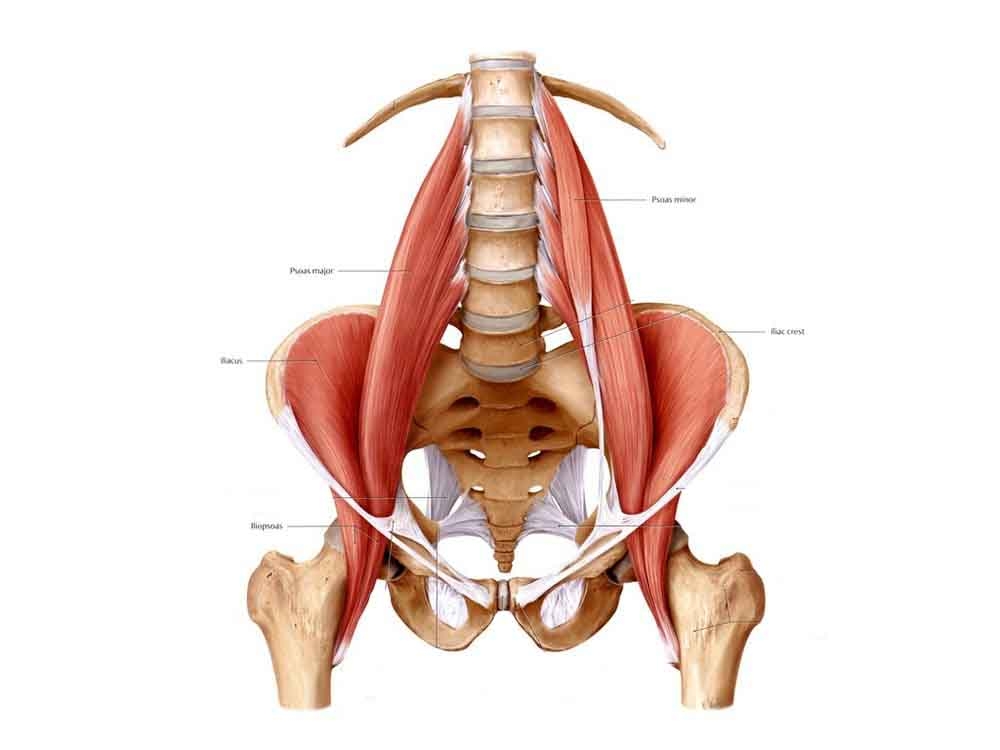
Highlights
- Key Anatomical Insight: The psoas major spans from the lumbar spine to the femur, working closely with the iliacus to form the iliopsoas.
- Vital Functions: It plays a critical role in hip flexion, stabilization of the spine, and maintains proper posture during various activities.
- Clinical Relevance: Issues like psoas syndrome or tightness can lead to lower back and hip pain, common among athletes and those with prolonged sitting.
Anatomical Structure and Characteristics
The psoas muscle, particularly the psoas major, is one of the most vital and deep-seated muscles in the human body. Its unique anatomical positioning and functional capabilities make it indispensable in linking the movements of the trunk with the lower body. Below is a detailed examination of its anatomy and structure.
Location and Formation
The psoas major is located in the lateral lumbar region, running from the lumbar vertebrae down to the femur. It originates from the transverse processes and the lateral aspects of the lumbar vertebrae L1 through L5, and by joining with the iliacus muscle, it forms the iliopsoas complex. This complex converges to insert at the lesser trochanter of the femur, thereby playing a pivotal role in connecting the upper and lower parts of the body.
Anatomical Table
| Feature | Details |
|---|---|
| Origin | Lumbar vertebrae (L1-L5) |
| Insertion | Lesser trochanter of the femur |
| Location | Lateral lumbar region, between the vertebral column and the brim of the lesser pelvis |
| Associated Muscle | Iliacus (forming the iliopsoas) |
| Nerve Supply | Anterior rami of L1 to L3 |
Muscle Composition and Fiber Types
The psoas major is composed of different muscle fiber types that influence its function. Studies have shown that the muscle comprises approximately 60% anaerobic, fast oxidative fibers and 40% aerobic, slow oxidative fibers. This blend enables the psoas to be both powerful, for quick hip flexion and movement, and endurance-oriented, for maintaining posture during prolonged activities.
Functions and Role in Movement
The psoas muscle is fundamental to several aspects of human movement and stability. Its roles extend beyond simple locomotion, affecting overall posture, balance, and the mechanical efficiency of everyday activities.
Hip Flexion and Locomotion
One of the primary functions of the psoas major is hip flexion. When you lift your thigh towards your trunk, whether while walking, running, or climbing stairs, the psoas is actively engaged. This muscle not only assists in lifting the leg during the gait cycle but also plays a key role in initiating movement, ensuring that the upper and lower body work in a coordinated manner.
Posture and Spinal Stability
Beyond its role in movement, the psoas muscle is crucial for maintaining the natural curvature of the lumbar spine. It helps preserve lumbar lordosis, ensuring that the lower back remains properly aligned. When the psoas contracts, it can pull the lumbar vertebrae forward and downward, thus reinforcing the curvature and contributing to an upright, stable posture. This stabilization is particularly important during activities that involve sudden movements or load transfer, such as lifting an object or quickly transitioning between movements.
Additional Functions
The muscle is also involved in:
- Lateral trunk bending, which aids in side-to-side movements.
- Elevating the trunk when moving from a lying to a seated position.
- Supporting overall hip joint integrity and stability, crucial in athletic performance and daily activities.
Clinical Considerations and Psoas Syndrome
The clinical significance of the psoas muscle cannot be overstated. Both stiffness and weakness in this muscle can lead to a range of symptoms and conditions, affecting everyday functionality and contributing to chronic pain.
Psoas Syndrome Explained
Psoas syndrome is a condition where the psoas muscle becomes irritated, tight, or injured. This syndrome is especially common among athletes, including runners, dancers, and high jumpers, whose rigorous physical activities place considerable strain on this muscle. Additionally, prolonged sitting or poor posture can contribute to chronic tightness, leading to symptoms such as:
- Persistent lower back pain
- Groin discomfort
- Difficulty standing upright
- Stiffness and reduced range of movement in the hip
Because the psoas muscle is located deep within the body, issues arising from its dysfunction are sometimes misdiagnosed as sciatica or other forms of lower back pain. As a result, individuals experiencing persistent discomfort or pain that does not improve within a short period should seek professional advice from a healthcare provider to assess whether psoas syndrome or another underlying condition might be the cause.
Signs of Dysfunction and Management
Some common signs that may indicate psoas dysfunction include:
- Lower back and hip pain
- Tightness in the muscle, particularly after prolonged periods of inactivity
- Postural imbalances manifesting as an exaggerated lumbar curve or a forward-tilted pelvis
- Limited range of motion in the hips
Management of psoas-related issues often involves a combination of physical therapy, targeted stretching, and strengthening exercises. Therapists might recommend exercises specifically designed to lengthen and relax the psoas, as well as routines to improve core strength, thereby promoting better spinal alignment and reducing undue stress on the muscle.
Enhancing Athletic Performance and Daily Activities
Maintaining the health and functionality of the psoas muscle is crucial for both athletes and non-athletes alike. Whether you are engaged in high-intensity sports or simply wish to support your everyday mobility, understanding how to care for this muscle can have a profound impact on overall fitness and quality of life.
The Role in Athletic Performance
For athletes, the psoas is a fundamental player in all activities that require rapid and powerful lower body movements. Proper conditioning of this muscle not only boosts performance in activities like sprinting, jumping, and dancing but also minimizes the risk of injury. Regular stretching and strengthening help maintain flexibility and reduce the risk of developing psoas syndrome, which can be particularly debilitating for those whose sports demand high levels of activity and precision.
Daily Activity and Functional Movement
In everyday life, the psoas muscle facilitates basic movements such as walking, rising from a seated position, and even maintaining a stable standing posture. A well-functioning psoas muscle ensures that these simple activities occur smoothly and without undue strain on the lower back. For individuals experiencing chronic lower back pain, incorporating specific exercises aimed at strengthening and relaxing the psoas can lead to significant improvements in mobility and overall comfort.
Preventative Measures and Therapeutic Interventions
Given the prominence of the psoas muscle in both movement and posture, preventative care and timely therapeutic interventions are key to avoiding complications associated with its dysfunction.
Preventative Strategies
Preventing psoas-related injuries begins with regular physical activity and mindful movement. Here are some preventative strategies that can help maintain optimal psoas function:
- Regular Stretching: Incorporate daily routines that specifically target hip flexors and the lower back to prevent muscle tightness.
- Strength Training: Engage in core strengthening exercises that support overall stability and reduce the burden on the psoas.
- Postural Awareness: Practice good posture, particularly during prolonged sitting or desk work, to minimize strain on the lumbar region.
- Balanced Exercise Regimens: Include both aerobic and anaerobic exercises to enhance muscle fiber balance and endurance.
Therapeutic Interventions
When signs of discomfort or dysfunction appear, early intervention can prevent further complications. Some common therapeutic interventions include:
- Physical Therapy: A physical therapist can develop a customized exercise plan to address muscle tightness and correct postural imbalances.
- Chiropractic Care: Adjustments may help realign the spine and relieve compression in the lower back, reducing pressure on the psoas muscle.
- Targeted Massage: Techniques such as deep tissue massage or myofascial release can help alleviate tension in the psoas region.
- Heat Therapy: Applying heat can enhance blood flow to the affected area, promoting muscle relaxation and recovery.
Integration with Overall Musculoskeletal Health
The psoas muscle is intricately connected to many other components of the musculoskeletal system. Its health affects not only the lower back and hips but also the overall biomechanics of the body. For optimal body performance, it is important to consider the psoas as part of a comprehensive approach to musculoskeletal health.
Interconnection with Other Muscles
The psoas works in tandem with other muscles such as the iliacus, the abdominal muscles, and even the muscles of the lower back and glutes. This interconnected network of muscles supports proper alignment and efficient movement. For example, while the psoas is busy executing hip flexion, the gluteal muscles assist in hip extension, thereby balancing the forces acting on the pelvis and spine. This balance is crucial for preventing injuries, especially during high-impact activities.
Functional Relationships Table
| Muscle/Group | Relationship |
|---|---|
| Psoas Major & Iliacus | Form the iliopsoas for hip flexion and stabilization. |
| Gluteal Muscles | Counterbalance hip flexion with hip extension. |
| Abdominal Muscles | Support core stability and maintain posture. |
| Lower Back Musculature | Work together with the psoas to maintain lumbar lordosis and spinal alignment. |
Impact on Daily Living and Quality of Life
Maintaining a healthy psoas muscle is essential not only for athletes but also for the general population. A well-conditioned psoas contributes to overall movement efficiency, reduces the risk of injuries, and enhances quality of life by minimizing discomfort or pain during routine activities. Strategies such as regular exercise, correct posture, and targeted therapy can therefore yield significant benefits in terms of both performance and everyday comfort. Whether you are an athlete or someone who spends long hours at a desk, the benefits of keeping your psoas healthy cannot be overstated.
References
- Psoas Major Muscle: Function, Importance, and Back Pain Connection - WebMD
- Psoas major muscle - Wikipedia
-
Psoas Muscle: What It Is, Where It Is & Anatomy - Cleveland Clinic
- Psoas Major - Physiopedia
- The Essential Role of the Psoas Muscle - Spine-health
Recommended Further Queries

Last updated March 5, 2025