
Psychology and the Mind
Exploring the intricate interplay between mental processes and behavior
Key Highlights
- The Mind as an Active Processor: Discover how the mind's complex functions, both conscious and unconscious, shape our perceptions, memories, and behavior.
- Interdisciplinary Integration: Learn how modern psychology bridges neuroscience, cognitive science, and biology to unravel mental processes.
- Practical Implications: Understand the impact of psychological insights on mental health therapies, education, and social interactions.
Introduction
Psychology, as the science of the mind and behavior, delves deeply into the elusive nature of human thought, emotion, and cognition. It is a field that examines the inner workings of the mind, ranging from the immediate responses to stimuli to the complex interplay of memory, decision-making, and social interactions. Over the decades, advances in research methodologies and interdisciplinary approaches have allowed us to understand not just the observable behaviors of humans, but also the underlying mental mechanisms that drive those actions.
The mind is often portrayed as the most intricate machine known to man—a structure where thought, perception, and emotion converge in a dynamic process. Study and exploration in this domain extend from mapping neural activities with technologies such as magnetic resonance imaging (MRI) to understanding abstract concepts like the theory of mind. In this comprehensive article, we will explore various dimensions of psychology, focusing on the mind, its functions, and its implications for everyday life.
Foundations of Psychological Inquiry
Defining the Mind
At its core, the mind encompasses a wide array of cognitive processes such as perception, memory, language, and problem-solving. Psychologists conceptualize the mind as both the process through which we engage with the world and the repository of our thoughts, experiences, and emotions. This view integrates various schools of thought, ranging from behaviorism which focuses on observable behavior to cognitive psychology, where the emphasis is placed on internal mental processes.
The exploration of the mind involves not only understanding active thought processes but also delving into the unconscious realms of mental life, where beliefs, desires, and experiences silently influence our behavior. This dual focus—embracing both the conscious and unconscious domains—has led to innovative research and therapeutic approaches, enhancing our understanding of phenomena such as the placebo effect or the impact of deep-seated beliefs on physical health.
Historical and Theoretical Perspectives
Over the years, psychology has evolved through several paradigms. Early perspectives such as those proposed by Sigmund Freud underscored the importance of the unconscious mind in influencing our actions. As the field progressed, cognitive psychologists began to study explicit processes like memory retention, attention, and problem-solving strategies.
More recently, the introduction of theories like the Hierarchically Mechanistic Mind (HMM) has offered a comprehensive framework combining insights from evolutionary biology, neuroscience, and cognitive science. This model describes the mind as a hierarchical prediction system, continuously generating and updating hypotheses based on sensory inputs and previous experiences. Such models help elucidate complex phenomena including decision-making, error correction, and adaptive behavior.
Modern Psychological Approaches and Research Methods
Integration of Disciplines
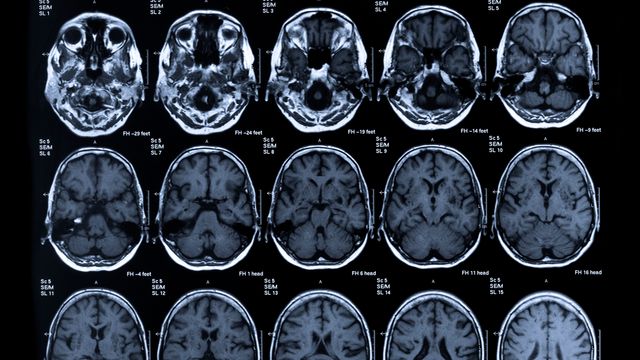
In recent decades, psychology has increasingly become an interdisciplinary field. Researchers are now combining methodologies from neuroscience, cognitive science, and even computer science to develop a holistic understanding of the mind. For example, advanced neuroimaging techniques such as functional MRI (fMRI) and positron emission tomography (PET) scans allow scientists to view brain activity in real time. These tools give insights into the neural correlates of cognitive processes and help bridge the gap between mind and brain.
The integration of artificial intelligence and machine learning has further propelled research in this area. By modeling mental processes computationally, scientists can simulate various cognitive phenomena and test theoretical predictions. This trend not only deepens our fundamental understanding of mental processes but also leads to practical applications in mental health diagnostics and interventions.
Research Methodologies
A wide range of research methods are employed in the study of the mind. These include experimental designs, case studies, longitudinal research, and observational studies. Experimental paradigms, for instance, isolate specific cognitive functions by controlling variables in laboratory settings, thereby enabling researchers to attribute changes in behavior to underlying mental processes.
Observational studies and neuropsychological assessments are also crucial, especially when exploring how brain injuries or neurodegenerative conditions affect mental function. Through these methods, psychologists have been able to chart the functions of various brain regions, leading to more targeted therapeutic interventions.
The Role of Technology
Technology has revolutionized psychological research by offering tools to peer into the living brain. MRI and PET scans, alongside electroencephalography (EEG) and magnetoencephalography (MEG), facilitate the observation of brain activity during various cognitive tasks. This technological leap is crucial in identifying the neural substrates of memory, attention, emotion, and other psychological functions.
For instance, within cognitive psychology, researchers have been able to pinpoint how specific brain networks become activated during tasks that require high levels of concentration or during moments of emotional arousal. Such findings not only validate theoretical models but also pave the way for developing evidence-based treatments in clinical psychology.
Interdisciplinary Perspectives
Mind and Brain: A Symbiotic Relationship
One of the central challenges in understanding psychology is untangling the relationship between the mind and the brain. While some theoretical perspectives advocate for a strict separation between mental experiences and neurological processes, contemporary research largely supports a more integrated view.
The emerging consensus suggests that mental processes are inextricably linked to brain processes. This means that the mind can be understood as an emergent property of complex neural interactions. Though the metaphor of the brain as a "computer" is useful, it is essential to appreciate that the human mind operates with far greater complexity and nuance than any man-made machine.
The Hierarchically Mechanistic Mind (HMM) theory exemplifies this integration. It posits that the brain is structured in layers, with lower layers processing raw sensory input and higher layers synthesizing this information into coherent perceptions, beliefs, and intentions. This continuous feedback loop between the brain and the mind explains the adaptive nature of human consciousness.
Embodied Cognition
Another crucial interdisciplinary perspective is that of embodied cognition. This approach rejects the idea that cognitive processes are isolated within the brain. Instead, it highlights the importance of the entire body and the surrounding environment in shaping how we think and behave.
Embodied cognition suggests that our physical interactions with the world significantly affect cognitive processes. The way in which our bodies move and interact with the environment creates feedback that impacts mental functions. For example, the sensations experienced during physical activity can influence emotional states, thereby affecting decision-making and problem-solving skills.
By recognizing the role of bodily experiences, researchers can design more effective interventions in areas such as rehabilitation, education, and even robotics, where physical interactions are key. This holistic view accounts for the dynamic interplay between mental processes and bodily states.
Applications and Impact of Understanding the Mind
Clinical Applications and Mental Health
The study of the mind has profoundly influenced clinical practices in psychology and psychiatry. From cognitive-behavioral therapy (CBT) to psychoanalytic approaches, understanding how mental processes work has allowed for the development of treatments that are more finely tuned to individual needs.
Therapies based on the concept of the mind-brain link recognize that modifying maladaptive thoughts can have a tangible effect on emotional and behavioral patterns. CBT, for instance, works on the premise that by restructuring cognitive distortions—negative thought patterns—patients can experience significant improvements in mental health.
Additionally, recent advances in neuropsychology have enabled targeted interventions for mental health disorders. By using neuroimaging, clinicians can identify patterns of brain activity associated with various conditions such as depression, anxiety, and schizophrenia. This in-depth understanding informs both pharmacological treatments and behavioral therapies, ensuring they are as effective as possible.
Implications for Education and Social Behavior
Insights from psychological research have also transformed approaches in education and organizational management. Understanding cognitive processes such as memory consolidation, attention, and problem-solving has allowed educators to develop teaching strategies that optimize learning outcomes.
For example, theories of the mind inform instructional design by highlighting how students process and retain information. This knowledge supports the development of tailored educational programs that accommodate diverse learning styles and cognitive abilities.
On a societal level, understanding social cognition—how people perceive, interpret, and respond to the behaviors of others—is crucial. It aids in conflict resolution, promotes empathy, and even enhances leadership strategies in business environments. Organizations that invest in understanding how their employees think and behave can design better work environments, ultimately improving productivity and morale.
Technological and Computational Advances
In recent years, psychological research has increasingly embraced computational techniques to model mental processes and predict behavioral outcomes. Such models not only serve academic purposes but have practical applications in developing artificial intelligence systems and human-computer interaction interfaces.
These models simulate neural networks and complex cognitive processes based on real-world data, reflecting the nuances of human decision-making. As algorithms improve and data quality increases, these frameworks are poised to further bridge the gap between human cognition and computational systems, ultimately offering new insights into both artificial and biological intelligence.
Examining the Mind Through a Research Lens
The Role of Experimental Research
Controlled experiments have been a cornerstone of psychological science. By isolating specific variables, researchers can establish causal links between mental processes and corresponding behaviors. For instance, studies on attention have deployed tasks that measure response times and error rates to decipher underlying cognitive mechanisms.
Such experiments often reveal how even subtle changes in stimuli can lead to significant variations in mental processing. These findings have far-reaching implications, influencing everything from the design of user interfaces to strategies for cognitive rehabilitation in patients with brain injuries.
Observational and Longitudinal Studies
While experimental methods provide precision, observational and longitudinal studies offer valuable insights into how mental processes develop and change over time. Through these studies, psychologists can track phenomena such as cognitive development in children, the progression of neurodegenerative diseases, or the impact of social factors on mental health.
Longitudinal research not only helps in understanding the natural evolution of cognitive functions but also identifies factors that may prompt interventions. For instance, early detection of cognitive decline in aging populations can lead to proactive measures aimed at sustaining mental acuity.
Comparative Overview: Quantitative vs. Qualitative Methods
It is useful to compare qualitative and quantitative research methodologies in the study of the mind:
| Aspect | Quantitative Methods | Qualitative Methods |
|---|---|---|
| Data Type | Numerical, statistically analyzed | Descriptive, narrative-based |
| Research Focus | Measurement of specific cognitive functions | In-depth understanding of personal experiences |
| Outcomes | Generalizable results | Rich, contextual insights |
| Examples | Experimental tasks, surveys | Interviews, case studies |
Both approaches are integral to a well-rounded understanding of the mind. Quantitative methods provide the rigor needed to validate theoretical models, while qualitative methods bring forward the complexity of individual experiences.
Future Directions in Psychology and the Study of the Mind
Innovative Theoretical Models
One of the most promising areas of future research is the development of innovative theoretical models that unify disparate findings from various disciplines. Models like the Hierarchically Mechanistic Mind (HMM) not only integrate data from neuroscience and psychology but also incorporate elements of evolutionary theory and developmental psychology. Such models provide a framework to understand how the mind continuously refines its predictions and adapts to new information.
Future theoretical frameworks are expected to delve deeper into the mind-body-environment nexus, thereby elucidating new facets of consciousness and cognition. As research progresses, these models might one day offer comprehensive maps detailing the exact neural circuitry behind every cognitive function, from routine decision-making to complex emotional responses.
Emerging Technologies and Their Impact
Advancements in technology continue to redefine the field of psychology. As neuroimaging techniques become more sophisticated and data analytics improve, scientists are increasingly able to capture intricacies of mental processes with greater precision. The integration of artificial intelligence in research methodologies enables the simulation of cognitive behaviors and assists in predictive modeling.
These technologies are not only revolutionizing research but are also finding applications in clinical settings. For example, predictive models developed using machine learning are now aiding in the early diagnosis of mental health conditions, which allows for timely and personalized interventions. The future of psychology is set to be profoundly shaped by these technological innovations, which bolster both theoretical understanding and practical applications.
Ethical and Philosophical Considerations
As psychological research delves deeper into understanding the mind, ethical and philosophical questions become increasingly pertinent. Issues such as the privacy of mental data, the implications of neuroenhancement technologies, and the nature of consciousness require thoughtful deliberation. Researchers and practitioners must navigate these challenges by upholding strict ethical standards and engaging in interdisciplinary dialogues that incorporate insights from philosophy, neuroscience, and social sciences.
Ethical considerations are especially crucial in fields like neuropsychology, where invasive or intensive monitoring techniques may be involved. In addition, debates surrounding free will and the nature of self persist, driving ongoing inquiry and reflection in both academic and public spheres.
Conclusion and Final Thoughts
In sum, psychology, as the scientific study of the mind and behavior, offers profound insights into how human beings perceive, process, and interact with the world. By exploring the active processes within the mind—from basic sensory perception to complex cognitive functions—it becomes evident that our mental experiences are both products of biological systems and shaped by external environments.
With interdisciplinary methodologies and advanced technological tools at our disposal, modern psychology bridges the gap between the abstract constructs of the mind and the tangible neural processes in the brain. Whether through clinical applications that transform mental health treatments, educational strategies that nurture cognitive development, or philosophical debates that challenge our traditional views on consciousness, research into the mind continually reveals new dimensions of human potential.
As we advance further into the era of integrative science, it is imperative to remain cognizant of the ethical implications and cultural impacts of our discoveries. By nurturing a balanced dialogue between technology, theory, and practice, psychology stands as a beacon of insight—guiding us towards a deeper, well-rounded understanding of what it means to be human.
References
- What is Psychology? - BBC Science
- Mind - Britannica
- Understanding the Human Mind - Tandfonline
- Undergraduate Tracks in Psychology - Harvard
- Brain Science in Psychology - APA
-
Examination of the Mind - PMC
- Theory of Mind Overview - Verywell Mind
-
Exploring Mind-Brain Correlates - PMC
- New Approaches in Mind Research - Research Outreach
Recommended Queries for Further Exploration
Last updated February 21, 2025