
From Identity Struggles to Life Satisfaction
Exploring Mediators and Moderators in IDPs' Psychological Well-Being
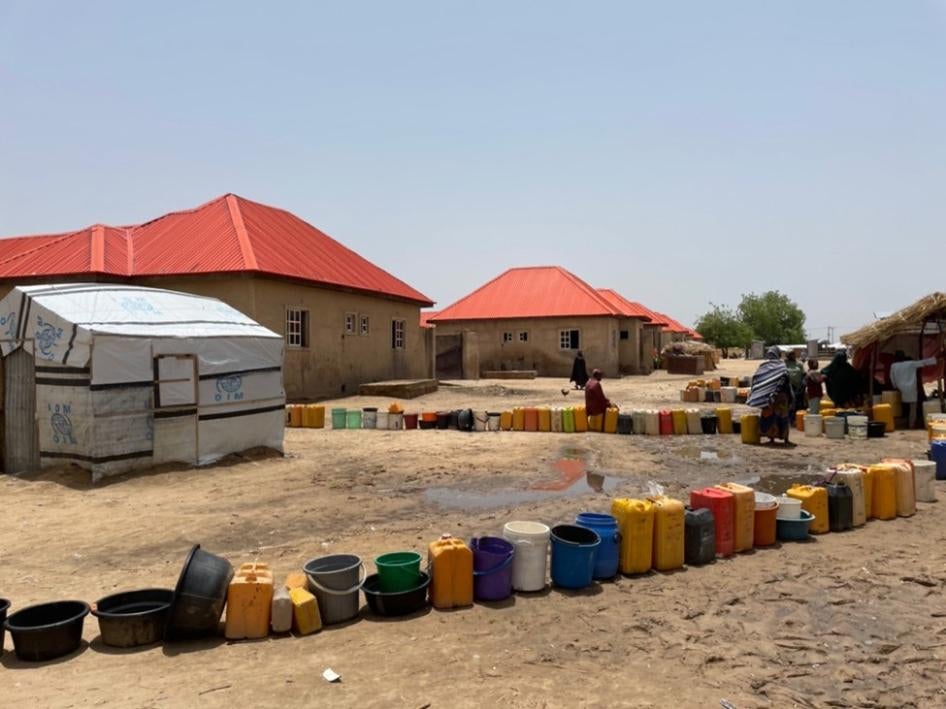
Key Takeaways
- Identity struggles among Internally Displaced Persons (IDPs) are significantly influenced by forced migration, cultural disruption, and the loss of social belonging.
- Embitterment and flourishing serve as opposing mediators in determining life satisfaction, with embitterment exacerbating distress and flourishing fostering resilience and hope.
- Tawakkul (trust in God) functions as a key moderating factor, potentially buffering the negative effects of identity struggles and embitterment through spiritual and culturally relevant coping mechanisms.
Introduction
The psychological impacts of displacement have been widely documented in various contexts, particularly among Internally Displaced Persons (IDPs) in conflict zones like Waziristan. These populations often experience a range of identity struggles due to the loss of cultural heritage and the disintegration of familiar social structures which can be deeply unsettling. As these struggles intensify, they may lead to emotional outcomes that either deteriorate or enhance overall life satisfaction. Two key mediators that emerge within this framework are embitterment—a sustained feeling of injustice and resentment—and flourishing, which captures the processes of personal growth, resilience, and positive engagement. Additionally, the concept of tawakkul, an Islamic form of spiritual reliance on God's will, is of critical significance as it moderates how identity struggles translate into life satisfaction. This analysis synthesizes relevant research studies and theoretical perspectives to explore these complex interrelations.
Exploring Identity Struggles Among IDPs
Identity struggles among IDPs occur primarily as a result of forced displacement, which severs individuals from their cultural, social, and physical roots. Studies have indicated that the abrupt disconnection from ancestral lands and traditional community networks contributes to role confusion and a fragmented sense of self (Golubovic, 2011; Phinney, 1990). When individuals are uprooted from their familiar settings, their self-concept becomes destabilized, leading to heightened levels of anxiety and depression. This disruption is compounded by the sociocultural challenges that accompany resettlement, including the difficulty in maintaining cultural continuity and heritage.
For instance, research focusing on displaced populations in conflict zones has highlighted that identity struggles are often marked by a pervasive sense of loss and uncertainty (Bhugra & Becker, 2005). The loss of a stable identity affects not only mental health outcomes but also hampers the ability of individuals to engage effectively with new social environments. The complexity of identity reconstruction among IDPs calls for an examination of the mediating factors that can either exacerbate psychological distress or promote resilience and positive psychological growth.
Identity Struggles and Mental Health
The direct repercussions of identity struggles include an increased risk of anxiety, depression, and diminished self-regulation among displaced individuals. The disintegration of established self-images forces many to confront their identity repeatedly, a process that can lead to chronic psychological stress. In many cases, this ongoing internal conflict serves as fertile ground for the development of embitterment, a state characterized by deep-seated resentment and feelings of injustice. This emotional response not only intensifies personal distress but also undermines overall life satisfaction.
Mediating Role of Embitterment and Flourishing
In the face of severe identity struggles, two mediators play critical yet contrasting roles. On one side, embitterment acts as a negative mediator that exacerbates psychological distress. On the other, flourishing represents the positive potential of human resilience and adaptation.
Embitterment: The Shadow of Displacement
Embitterment is often a psychological consequence of prolonged exposure to perceived injustices. Among IDPs, embitterment may arise from experiences of marginalization, economic hardship, and the repeated loss of identity-defining elements. Research has posited that such feelings of embitterment are linked to low psychological well-being, as individuals internalize the suffering caused by abrupt displacement and cultural loss (Linden, 2009; Winter et al., 2017). In contexts like Waziristan, where prolonged conflict exacerbates the stress of displacement, embitterment may act as a mediator that reinforces a negative feedback loop between identity disruption and reduced life satisfaction.
The mechanisms behind embitterment involve both cognitive and emotional responses. Cognitively, individuals may focus on the injustice of their situation, while emotionally, they experience chronic resentment and hopelessness. This dual pathway diminishes the capacity to engage in adaptive coping strategies and can lead to further deterioration in mental health.
Flourishing: The Counterbalance of Resilience
While embitterment undermines psychological health, the concept of flourishing offers an important counterbalance. Flourishing encompasses the active pursuit of personal growth, the development of resilience, and the ability to form meaningful social connections despite adversity (Keyes, 2002; Seligman, 2011). In studies of displaced populations, flourishing has been associated with reduced psychological distress and enhanced life satisfaction. Flourishing is not simply the absence of mental illness but implicates a proactive engagement with life that allows individuals to redefine their identity and find empowerment even in challenging circumstances.
Critical to flourishing is the ability to harness internal resources such as memory, hope, and purpose. Interventions aimed at fostering flourishing typically emphasize the development of skills related to resilience, optimism, and the rebuilding of a coherent self-narrative. For IDPs, such processes may be stimulated through community-based programs, psychosocial interventions, and culturally sensitive counseling approaches. These strategies help individuals reconstruct their identities and create a path toward psychological well-being, ultimately translating into greater life satisfaction.
Table: Mediating Effects on Life Satisfaction
| Variable | Role | Impact on Life Satisfaction |
|---|---|---|
| Embitterment | Mediator | Decreases life satisfaction through chronic resentment and hopelessness |
| Flourishing | Mediator | Increases life satisfaction by promoting resilience and positive engagement |
Moderating Influence of Tawakkul
Tawakkul, defined as a deep-seated trust in God paired with active efforts to achieve goals while accepting outcomes, proves to be a potent moderating factor within this framework. In Islamic societies, tawakkul is not merely a passive resignation but an active form of spiritual reliance that fosters hope and resilience. Research elucidates that as a moderating variable, tawakkul can attenuate the adverse impacts of identity struggles and embitterment on life satisfaction.
Tawakkul as a Buffer Against Psychological Distress
The moderating role of tawakkul lies in its ability to provide both cognitive and emotional relief. By instilling a sense of trust in a higher power, individuals engaged in displacement-related identity struggles may find comfort and meaning despite ongoing adversity. Empirical studies have shown that higher levels of tawakkul correlate with reduced symptoms of depression and anxiety (Hussain et al., 2023; Ali et al., 2022). This spiritual approach encourages the view that adverse experiences, while challenging, are subsumed by a greater divine plan, thereby reducing feelings of embitterment.
Furthermore, tawakkul enhances adaptive coping by fostering a perspective that integrates both acceptance and proactive change. It enables IDPs to reconcile their traumatic pasts with potential positive future outcomes. This dual orientation significantly overrides the negative chaining effect that identity struggles might otherwise impose on life satisfaction. In communities where religious and spiritual beliefs are deeply embedded, tawakkul serves a dual function: it reassures individuals of divine oversight while empowering them to pursue personal and communal growth.
Integrated Conceptual Framework
Combining these research insights allows for the construction of an integrated conceptual framework wherein identity struggles act as a primary stressor for IDPs. This stressor can lead to two mediating pathways: one destructive, manifesting as embitterment, and the other constructive, represented by flourishing. Tawakkul then moderates the effects of these pathways, potentially mitigating the harm caused by embitterment while enhancing the benefits derived from flourishing.
This framework is particularly relevant for IDPs in Waziristan, a region where conflict-induced displacement intensifies identity-related challenges. The balancing act between negative emotional responses and positive growth mechanisms ultimately determines life satisfaction outcomes. While embitterment solidifies negative affect and undermines efforts to rebuild self-identity, flourishing opens avenues for recovery and growth. Tawakkul, as a culturally resonant and spiritually empowering construct, may thus serve as a critical moderator that supports positive psychological adaptation even in the midst of significant adversity.
Research Methodology Considerations
Given the multifaceted nature of this inquiry, researchers are encouraged to adopt mixed-methods approaches to capture both quantitative and qualitative dimensions. Quantitatively, standardized scales for assessing identity, embitterment, flourishing, and tawakkul are essential. For instance, the Tawakkul Scale, validated among Muslim populations, could be employed alongside measures of life satisfaction and psychological well-being. Qualitatively, in-depth interviews and focus groups can provide nuanced insights into personal narratives and cultural contexts, revealing how IDPs reinterpret and reconstruct their identities.
Studies in similar contexts have successfully utilized both frameworks by collecting data from displaced populations residing in temporary shelters or camps. These studies reveal that while economic and social stressors are prevalent, culturally embedded coping mechanisms significantly influence the trajectory from initial identity struggles to eventual life satisfaction. Through triangulation of data sources, future research can further elucidate the relative contributions of negative and positive mediators and the critical role of tawakkul.
Implications for Policy and Practice
Understanding the interplay between identity struggles, embitterment, flourishing, and tawakkul offers vital insights for policymakers and practitioners working with displaced populations. Interventions that target these areas can help mitigate adverse psychological outcomes and foster conditions for personal growth and life satisfaction. For example, psychosocial support programs that integrate cultural and spiritual dimensions have been shown to be more effective in conflict regions, given that they validate the lived experiences and religious beliefs of the target populations.
Specific recommendations include:
- Designing community-based programs that encourage the rebuilding of cultural identity while addressing issues of embitterment.
- Implementing resilience training that promotes flourishing by developing coping skills, optimism, and personal growth strategies.
- Integrating spiritual counseling and religious frameworks, such as those emphasizing tawakkul, into mental health services to provide culturally congruent support.
Such multidimensional interventions can alleviate the adverse psychological impacts of prolonged displacement and provide IDPs with the tools needed to transform identity struggles into opportunities for growth and enhanced life satisfaction.
Final Thoughts and Conclusion
The journey "From Identity Struggles to Life Satisfaction" among IDPs in Waziristan is characterized by a complex interplay between negative emotions arising from displacement and the positive outcomes of resiliency. The mediating influence of embitterment and flourishing demonstrates that while identity struggles can precipitate a deep sense of injustice and hopelessness, they can also catalyze robust personal growth when supported by adaptive coping mechanisms. Tawakkul emerges as a potent moderator in this dynamic, offering a spiritually anchored approach to manage and reconcile the adverse effects of displacement.
Integrating these dimensions not only advances our understanding of psychological adaptation among displaced populations but also guides the development of targeted interventions. By acknowledging the dual nature of identity struggles—encompassing both the potential for deep-seated embitterment and the capacity for flourishing—researchers and practitioners can better support IDPs in their journey toward improved life satisfaction. Future studies that employ mixed-methods approaches and culturally sensitive frameworks will further illuminate these complex relationships and contribute to the creation of adaptable, evidence-based policies.
References
Golubovic, N. (2011). Identity struggles. Understanding the Self.
Hussain, S., et al. (2023). Tawakkul Mediates Between Personality Traits, Depression, and Anxiety.
Seligman, M. E. P. (2011). Flourish: A visionary new understanding of happiness and well-being.
Last updated February 17, 2025