
Understanding the Link Between PTSD, Hypervigilance, and Insomnia
Exploring the Neurobiological Connections and Impact on Sleep
Key Takeaways
- PTSD is a primary cause of hypervigilance, a state of increased alertness.
- Hypervigilance significantly disrupts sleep, leading to insomnia.
- Specific brain regions and neurotransmitters are intricately involved in hypervigilance.
1. PTSD and Its Role in Developing Hypervigilance
Post-Traumatic Stress Disorder (PTSD) is a mental health condition triggered by experiencing or witnessing a traumatic event. One of the core symptoms of PTSD is hypervigilance, which refers to an enhanced state of sensory sensitivity accompanied by an exaggerated intensity of behaviors whose purpose is to detect threats. Hypervigilance is essentially a defensive mechanism that becomes maladaptive over time, leading individuals to remain in a constant state of alertness.
1.1. Mechanisms Leading to Hypervigilance
Hypervigilance in PTSD is primarily driven by alterations in brain function and neurochemistry. The traumatic experience causes the brain to become hypersensitive to potential threats, even in safe environments. This heightened state is a result of the brain's attempt to protect the individual from further harm but ultimately leads to chronic stress and anxiety. The persistent activation of the body’s fight-or-flight response maintains the individual in a state of readiness, which over time can disrupt daily functioning and overall well-being.
1.2. Behavioral Manifestations
Individuals exhibiting hypervigilance may display behaviors such as excessive scanning of their surroundings, difficulty concentrating, irritability, and an exaggerated startle response. These behaviors are consistent regardless of the presence of actual threats, making it challenging for individuals to relax or feel safe even in secure settings.
2. Hypervigilance as a Precursor to Insomnia
Insomnia, characterized by difficulty falling asleep, staying asleep, or achieving restorative sleep, is a common issue among individuals with hypervigilance. The constant state of alertness prevents the brain from winding down, making it difficult to transition into sleep.
2.1. Physiological Impact on Sleep
Hypervigilance affects the body's physiological processes related to sleep. Elevated levels of stress hormones such as norepinephrine and cortisol maintain the body in a heightened state of arousal, conflicting with the biological need to relax for sleep. This imbalance disrupts the natural sleep-wake cycle, leading to difficulty initiating and maintaining sleep.
2.2. Psychological Barriers to Sleep
Beyond physiological impacts, psychological factors contribute to insomnia in hypervigilant individuals. The fear of experiencing nightmares or flashbacks during sleep exacerbates anxiety, making it even more challenging to fall asleep. This fear creates a vicious cycle where the inability to sleep increases overall stress and anxiety levels, further hindering sleep quality.
2.3. Long-term Consequences
Chronic insomnia leads to a range of negative health outcomes, including impaired cognitive function, mood disturbances, and a weakened immune system. For individuals with PTSD, the persistence of insomnia not only intensifies PTSD symptoms but also hampers the recovery process by preventing the restorative benefits of adequate sleep.
3. Neurobiological Underpinnings of Hypervigilance
Understanding the neurobiological basis of hypervigilance involves examining specific brain regions and neurotransmitter systems that are altered in PTSD. These changes contribute to the persistent state of alertness and the inability to regulate stress responses effectively.
3.1. Key Brain Regions Involved
-
Amygdala
The amygdala plays a central role in processing emotions, particularly fear and threat detection. In PTSD, the amygdala becomes hyperactive, leading to an exaggerated response to perceived threats. This hyperactivity is a primary driver of hypervigilance, as the amygdala signals the brain to remain alert and respond to potential dangers.
-
Prefrontal Cortex (PFC)
The prefrontal cortex is responsible for regulating emotional responses and inhibiting inappropriate behaviors. In individuals with PTSD, the PFC exhibits reduced activity, weakening its ability to modulate the amygdala's responses. This reduction contributes to sustained hypervigilance by diminishing the brain's capacity to calm the fear-driven reactions.
-
Hippocampus
The hippocampus is involved in memory formation and contextual processing. PTSD is associated with reduced hippocampal volume, impairing the ability to distinguish between past traumatic events and current safe environments. This impairment reinforces hypervigilance by preventing the brain from accurately assessing present threats.
-
Anterior Cingulate Cortex (ACC)
The ACC is involved in error detection, emotional regulation, and decision-making. Dysregulation in the ACC contributes to the inability to effectively manage fear responses, thereby sustaining hypervigilance.
3.2. Neurotransmitter Systems Associated with Hypervigilance
-
Norepinephrine
Norepinephrine, a neurotransmitter involved in the body's fight-or-flight response, is elevated in individuals with PTSD. This elevation enhances arousal and alertness, sustaining the hypervigilant state.
-
Serotonin
Serotonin regulates mood and anxiety levels. Dysregulation of serotonin pathways can lead to increased anxiety and persistent hypervigilance.
-
Glutamate
Glutamate is the primary excitatory neurotransmitter in the brain. Elevated glutamate activity in regions like the amygdala and ACC exacerbates neural signaling related to fear and stress, contributing to sustained hypervigilance.
-
GABA (Gamma-Aminobutyric Acid)
GABA is the primary inhibitory neurotransmitter, responsible for calming neural activity. Reduced GABAergic activity in PTSD impairs the brain's ability to suppress overactive fear circuits, maintaining the state of hypervigilance.
4. The Vicious Cycle: Hypervigilance and Insomnia
The interplay between hypervigilance and insomnia creates a feedback loop that intensifies PTSD symptoms. Hypervigilance disrupts sleep, and the resulting insomnia exacerbates hypervigilance, perpetuating the cycle.
4.1. Impact on Sleep Architecture
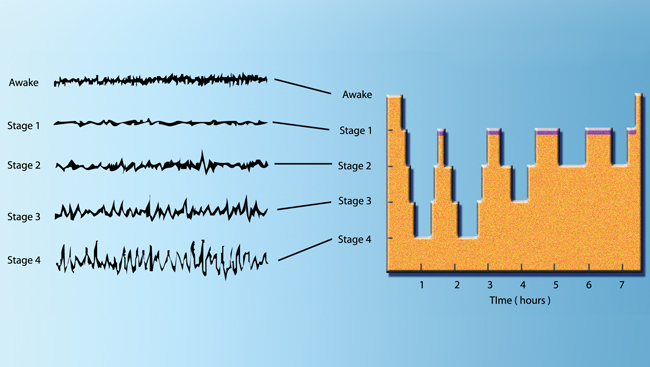
Hypervigilance leads to alterations in sleep architecture, particularly affecting REM (Rapid Eye Movement) sleep, which is crucial for emotional processing and memory consolidation. Disrupted REM sleep results in inadequate emotional regulation, making it harder for individuals to recover from traumatic experiences and maintain emotional stability.
4.2. Psychological Implications
Insomnia heightens stress levels and impairs cognitive function, leading to increased irritability, difficulty concentrating, and mood swings. These psychological stressors further impair the ability to manage hypervigilance, making it even more challenging to break free from the cycle of PTSD symptoms.
4.3. Long-term Health Consequences
Chronic insomnia associated with hypervigilance can lead to serious health issues, including cardiovascular problems, weakened immune function, and increased risk of mental health disorders such as depression and anxiety. Addressing both hypervigilance and insomnia is essential for improving overall health and facilitating recovery from PTSD.
5. Therapeutic Approaches to Break the Cycle
Effective treatment for hypervigilance and insomnia in PTSD requires a multifaceted approach that addresses both the neurobiological and psychological aspects of these conditions.
5.1. Cognitive Behavioral Therapy (CBT)
CBT is a widely used therapeutic approach that helps individuals identify and change negative thought patterns and behaviors. For hypervigilance and insomnia, CBT techniques can include relaxation training, mindfulness, and strategies to reduce anxiety and promote sleep hygiene.
5.2. Pharmacological Interventions
Medications can help regulate neurotransmitter levels and alleviate symptoms of hypervigilance and insomnia. Common pharmacological treatments include:
-
SSRIs and SNRIs: These antidepressants help balance serotonin and norepinephrine levels, reducing anxiety and improving mood.
-
Alpha-2 Agonists: Medications like clonidine can decrease norepinephrine release, reducing hyperarousal.
-
GABAergic Agents: Benzodiazepines and other GABA-enhancing drugs can promote relaxation and improve sleep quality.
5.3. Mindfulness and Relaxation Techniques
Practices such as meditation, deep breathing exercises, and progressive muscle relaxation can help reduce physiological arousal and promote a state of calm, facilitating both relaxation and better sleep.
5.4. Sleep Hygiene Practices
Improving sleep hygiene involves establishing a regular sleep schedule, creating a comfortable sleep environment, and avoiding stimulants before bedtime. These practices can help mitigate insomnia and enhance the body’s ability to relax.
5.5. Neurofeedback and Biofeedback
These techniques involve training individuals to control physiological functions such as heart rate and brainwave activity. By learning to regulate these functions, individuals can reduce hypervigilance and improve sleep quality.
6. Conclusion
PTSD is a complex disorder that significantly impacts the brain's functioning, leading to symptoms like hypervigilance and insomnia. Hypervigilance, driven by heightened activity in key brain regions and dysregulation of neurotransmitter systems, maintains a state of constant alertness that disrupts sleep. The resulting insomnia not only intensifies PTSD symptoms but also creates a feedback loop that hinders recovery. Understanding the neurobiological underpinnings of these symptoms is crucial for developing effective therapeutic strategies. Comprehensive treatment approaches that address both the psychological and physiological aspects of PTSD can help break the cycle of hypervigilance and insomnia, promoting healing and improving quality of life.
References
Last updated January 23, 2025