
Unlock Your Dream: A Comprehensive Guide to Purchasing a Mobile Home
Navigate the path to mobile home ownership with confidence, from initial research to moving in.
Purchasing a mobile home, also known as a manufactured home, presents an affordable and flexible pathway to homeownership. These factory-built residences offer a distinct alternative to traditional site-built houses, appealing to a wide range of buyers, including first-timers and those seeking cost-effective living solutions. This guide will walk you through each essential step, ensuring you're well-equipped to make informed decisions as of May 23, 2025.
Key Insights Before You Begin
- Budget Beyond the Sticker Price: Remember to factor in costs like land (if purchasing), installation, permits, lot rent (if applicable), insurance, taxes, and ongoing maintenance alongside the home's purchase price.
- Location is Paramount: Your choice of location—whether on private land or in a manufactured home community—will significantly impact financing options, lifestyle, and long-term expenses.
- Financing Differs: Securing a loan for a mobile home often involves different processes and loan types (like chattel loans or specialized FHA loans) compared to traditional mortgages, requiring thorough research.
Understanding Mobile Homes: The Basics
Mobile homes, or manufactured homes, are residences constructed entirely in a factory setting under federal building codes administered by the U.S. Department of Housing and Urban Development (HUD). This standardization, especially for homes built after June 15, 1976, ensures specific quality and safety standards. They are then transported to a chosen site for installation.
Types and Sizes
Manufactured homes come in various sizes to suit different needs and budgets:
- Single-Wide: Typically around 15 feet wide, offering a compact and often most affordable living space.
- Double-Wide: Approximately 26 feet wide, providing more spacious layouts comparable to smaller traditional homes.
- Triple-Wide (or Multi-Section): Upwards of 45 feet wide, offering extensive living areas and more complex designs.
The choice of size will depend on your personal requirements, family size, and budget. As of early 2025, a new single-wide home might cost between $60,000 and $90,000, while a double-wide could range from $120,000 to $160,000 or more, depending on features and location. Prices can fluctuate, with potential discounts sometimes available from January through March.
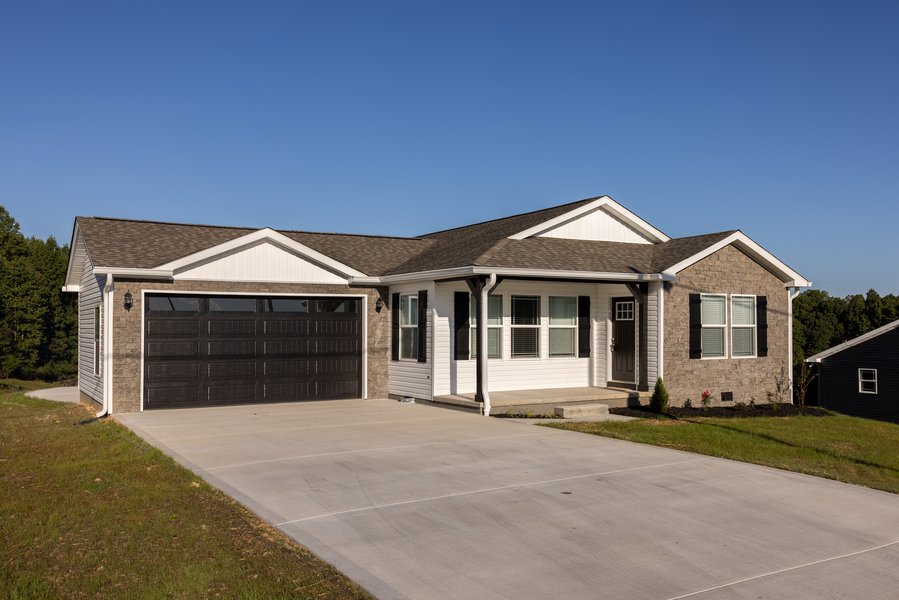
A modern manufactured home showcasing exterior design possibilities.
Step 1: Research, Planning, and Budgeting
Laying the Financial Groundwork
A successful mobile home purchase begins with meticulous planning and budgeting.
Define Your Needs
Identify essential features: how many bedrooms and bathrooms do you need? Consider living space, kitchen layout, and any special requirements such as accessibility or space for specific furniture.
Establish a Comprehensive Budget
Your budget should encompass more than just the home's price. Include:
- Cost of the home itself (new or used).
- Land acquisition, if you plan to buy land.
- Site preparation and installation costs (foundation, utility hookups).
- Permits and inspection fees.
- Transportation of the home to the site (can range from $5,000 to $10,000).
- Ongoing expenses: lot rent (if in a community), property taxes, homeowner's insurance, utilities, and maintenance.
Gather Financial Documentation
Lenders will typically require documentation to assess your financial standing. Prepare:
- Tax returns (usually for the last two years).
- W-2s or 1099s (for the last two years).
- Recent pay stubs.
- Bank statements.
- A copy of your credit report (it's wise to check this yourself beforehand).
Step 2: Choosing Your Location
Where Will Your Home Be?
The location of your mobile home is a critical decision with long-term implications.
Land Ownership Options
- Owned Land: You can purchase a plot of land and place your mobile home on it. This offers more freedom but also responsibility for all site development and utilities.
- Leased Land in a Mobile Home Park/Community: Many opt to place their home in a manufactured home community, renting the lot. These communities often offer amenities but come with monthly lot fees and park rules.
- Land-Home Package: Some dealers offer packages that include both the home and the land.
Zoning, Permits, and Regulations
Before committing to a location, thoroughly research local zoning laws. Not all areas permit manufactured homes, or there may be restrictions on size, age (for used homes being moved), or foundation types. Secure all necessary permits for installation, utilities, and occupancy. If considering a community, review all park rules, regulations, and lease agreements meticulously.
Site Preparation
The chosen site must be properly prepared before the home's delivery. This includes clearing and leveling the land, installing a proper foundation (e.g., slabs, runners, or basement, depending on local codes and home type), and ensuring utility hookups (water, sewer/septic, electricity, gas) are available and ready.

A farmhouse-style manufactured home, illustrating diverse architectural options.
Step 3: Finding Your Ideal Mobile Home
New or Used? Dealer or Private Seller?
New Manufactured Homes
Buying new allows for customization of floor plans, finishes, and features directly from manufacturers or authorized dealers. Reputable manufacturers include Clayton Homes, Skyline Homes, Cavco Homes, Champion Homes, and Palm Harbor Homes, among others. You can work with a retailer to select a standard model or design a custom home.
Pre-Owned Mobile Homes
Used mobile homes can offer significant cost savings but require more due diligence. They can be purchased from private sellers, dealers specializing in used homes, or found already sited in communities. A thorough inspection is critical for pre-owned homes.
Where to Look
Explore options through:
- Online listing platforms (e.g., MHVillage, Zillow).
- Local mobile home dealers and retailers.
- Visiting manufactured home communities.
Step 4: The Crucial Inspection Process
Ensuring Quality and Safety
Whether new or used, a comprehensive inspection is vital. For used homes, this step is particularly critical. Consider hiring a professional inspector familiar with manufactured housing.
Key Areas to Inspect:
- Roof and Gutters: Check for leaks, damage, and age.
- Foundation/Anchoring System: Ensure it's stable, level, and meets local codes. For homes in parks, check the skirting.
- Plumbing: Look for leaks, water pressure issues, and the condition of pipes and water heater.
- Electrical System: Verify wiring safety, panel condition, and outlet functionality.
- HVAC System: Test heating and air conditioning; inquire about age and maintenance.
- Insulation: Adequate insulation in walls, roof, and floor is key for energy efficiency.
- Windows and Doors: Check for proper sealing and operation.
- Floors, Walls, and Ceilings: Look for signs of water damage, mold, structural issues, or soft spots.
- HUD Compliance Plate (Data Plate): For homes built after June 15, 1976, ensure the HUD label is present, certifying it met federal construction and safety standards at the time of manufacture.
Ask for maintenance records, any existing warranties, and review all disclosures provided by the seller.
Visualizing Key Purchase Factors
When purchasing a mobile home, several factors come into play, each with varying importance depending on whether you're considering a new or used home, or placing it on owned land versus in a community. The radar chart below offers a visual comparison of these aspects. For example, 'Affordability' might initially seem higher for used homes, but 'Maintenance Costs' could be lower for new homes. 'Location Flexibility' is high if you own land, while 'Community Amenities' are a perk of park living.
This chart is illustrative, reflecting general trends. Your specific circumstances and research will determine the actual weight of each factor.
Step 5: Securing Financing
Navigating Loan Options
Financing a mobile home can differ significantly from traditional home mortgages, primarily based on whether the home is considered personal property or real estate (usually when it's permanently affixed to land you own).
Common Loan Types:
- Chattel Loans: These are personal property loans used when the home is purchased separately from land (e.g., for placement in a rented lot community). They often have shorter terms and potentially higher interest rates than mortgages.
- Traditional Mortgages: If you own the land and the home is or will be permanently affixed to it, you might qualify for a conventional mortgage.
- FHA Loans: The Federal Housing Administration insures loans for manufactured homes.
- Title I loans: Can be used to purchase the home, the lot, or both. The home doesn't necessarily need to be on a permanent foundation.
- Title II loans: For homes permanently affixed to a foundation on owned land, meeting HUD standards. These often have more favorable terms, similar to traditional FHA mortgages. The home generally must have been built after June 15, 1976.
- VA Loans: Eligible veterans may secure VA-guaranteed loans for manufactured homes, often with favorable terms and no down payment.
- USDA Rural Development Loans: For homes in eligible rural areas, these loans can offer 100% financing for qualified borrowers.
- Personal Loans: Some buyers use unsecured personal loans, though these typically have higher interest rates and shorter repayment terms.
Shop around with various lenders, including banks, credit unions, and specialized manufactured home lenders. Compare interest rates, loan terms, down payment requirements, and fees. Credit score requirements can vary, but improved quality and longevity of modern manufactured homes are leading to evolving lender perspectives.
Comparative Overview of Financing Options
The following table provides a general comparison of common financing options for purchasing a mobile home. Terms and availability can vary based on lender, location, and individual financial situation.
| Loan Type | Land Ownership Required | Typical Down Payment | Credit Score (General Range) | Primary Use Case |
|---|---|---|---|---|
| Chattel Loan | No (Home as personal property) | 5-20% | 600+ | Home in a community or on leased land |
| FHA Title I | No (Can finance home, lot, or both) | As low as 3.5-10% | 580+ (can vary) | Flexible for home, lot, or combination; new or used |
| FHA Title II | Yes (Home as real property) | As low as 3.5% | 580+ (can vary) | Home permanently affixed to owned land |
| VA Loan | Yes (Typically for home as real property) | Often 0% | Varies by lender, generally flexible | Eligible veterans purchasing home (often with land) |
| USDA Loan | Yes (Home as real property) | Often 0% | 640+ (can vary) | Eligible borrowers in designated rural areas |
| Conventional Mortgage | Yes (Home as real property) | 3-20%+ | 620+ | Home permanently affixed to owned land, stronger credit profiles |
| Personal Loan | No | 0% (loan amount is net) | 660+ (for better rates) | Smaller purchases, or when other financing is unavailable |
Note: Credit score ranges and down payment percentages are general estimates and subject to change and lender discretion.
Step 6: The Purchase Process
Making an Offer and Closing the Deal
Negotiation and Offer
Once you've found the right home and are satisfied with inspections and financing pre-approval, it's time to make an offer. Negotiate the price and terms, ensuring clarity on what's included (e.g., delivery, setup, appliances).
Sales Contract and Bill of Sale
All agreed-upon terms should be documented in a formal sales contract. This legally binding document outlines the price, parties involved, condition of the home, and other contingencies. A mobile home bill of sale will be required to transfer ownership and is often needed by lenders.
Closing
The closing process involves finalizing all paperwork, including loan documents, title transfer (if applicable), and paying any closing costs. Closing costs can range from 2% to 5% of the home's value and may include appraisal fees, loan origination fees, title search, and insurance. Depending on your state and the nature of the transaction (real property vs. personal property), a real estate attorney or closing agent may be involved.
Step 7: Delivery and Installation
Bringing Your Home to Life
After the purchase is finalized, the home needs to be transported to your site and installed.
Coordination
The retailer or dealer typically coordinates the delivery and initial setup, especially for new homes. If you bought a used home from a private seller, you might need to hire a specialized mobile home mover and installer.
Installation Process
Installation involves:
- Placing the home on its foundation.
- Anchoring it securely according to manufacturer specifications and local codes.
- Connecting utilities (water, sewer/septic, electricity, gas).
- Completing any multi-section joining, if applicable.
- Installing skirting, steps, and any other exterior features.
Ensure all work is done by certified professionals and passes any required local inspections before occupancy.
Navigating the Purchase Journey: A Mindmap Overview
The process of purchasing a mobile home can seem complex, but breaking it down into manageable stages helps. This mindmap illustrates the key phases and considerations involved in your journey to mobile home ownership.
(Types, Sizes, HUD Code)"] id1_2["Define Needs & Wants
(Bedrooms, Features)"] id1_3["Establish Budget
(Home Price, Land, Setup, Ongoing Costs)"] id1_4["Gather Financial Documents"] id2["Phase 2: Location & Search"] id2_1["Choose Location Type
(Owned Land, Community/Park)"] id2_2["Research Zoning & Permits"] id2_3["Find a Home
(New vs. Used, Dealers, Listings)"] id2_4["Select Reputable Manufacturers/Sellers"] id3["Phase 3: Due Diligence"] id3_1["Thorough Home Inspection
(Professional if possible)"] id3_2["Verify HUD Compliance (if applicable)"] id3_3["Review Park Rules (if in a community)"] id4["Phase 4: Financing"] id4_1["Explore Loan Options
(Chattel, FHA, VA, Conventional)"] id4_2["Compare Lender Offers"] id4_3["Secure Pre-Approval"] id5["Phase 5: Purchase & Closing"] id5_1["Make an Offer & Negotiate"] id5_2["Sign Sales Contract & Bill of Sale"] id5_3["Finalize Loan Documents"] id5_4["Pay Closing Costs"] id5_5["Title Transfer"] id6["Phase 6: Setup & Move-In"] id6_1["Coordinate Delivery"] id6_2["Site Preparation (if not done)"] id6_3["Professional Installation & Anchoring"] id6_4["Utility Hookups"] id6_5["Final Inspections"] id7["Phase 7: Post-Purchase"] id7_1["Obtain Homeowners Insurance"] id7_2["Understand Warranties"] id7_3["Plan for Regular Maintenance"]
This mindmap provides a high-level overview. Each step involves detailed considerations and actions to ensure a smooth purchasing experience.
Step 8: Post-Purchase Responsibilities
Settling In and Maintaining Your Investment
Homeowners Insurance
Before or immediately upon moving in, secure appropriate homeowners insurance. Mobile home insurance (often an HO-7 policy or specialized manufactured home policy) protects against damages, theft, and liability. Lenders will require proof of insurance.
Community Rules and Regulations
If your home is in a park or community, familiarize yourself with and adhere to all rules and regulations regarding home maintenance, lot upkeep, pets, parking, etc.
Warranties and Maintenance
Keep all manufacturer warranties for the home and its components (appliances, HVAC) in a safe place. Establish a regular maintenance schedule for tasks like roof inspection, gutter cleaning, HVAC servicing, and checking seals around windows and doors to keep your home in good condition and preserve its value.
Hear from the Experts: Buying a Manufactured Home
Understanding the step-by-step process can be greatly enhanced by visual guides and expert advice. The video below offers a comprehensive overview of the journey to purchasing a manufactured home, covering key stages and considerations that align with the information presented in this guide. It can provide additional context and practical tips for prospective buyers.
This video, "10 Steps to Buying a Manufactured Home | Your Simple Guide...", walks through the essential phases of acquiring a mobile home.
Additional Considerations
- Resale Value: Historically, mobile homes (especially those not on owned, permanent foundations) have sometimes depreciated faster than site-built homes. However, modern, well-maintained manufactured homes, particularly those on owned land, can hold their value better.
- Resident-Owned Communities (ROCs): If considering community living, look into ROCs. In these communities, homeowners collectively own the land, offering more control over lot rents and community management.
- Starting Early with Financing: Understand your financing options and get pre-approved early in the process. This will give you a clear idea of your budget and strengthen your position when making an offer.
Frequently Asked Questions (FAQ)
What is the main difference between a mobile home and a manufactured home?
Do I need a real estate agent to buy a mobile home?
How long does it take to purchase and install a new manufactured home?
Are property taxes different for mobile homes?
Can I customize a new manufactured home?
Conclusion
Purchasing a mobile home in 2025 offers a viable and often more affordable route to homeownership. By understanding the unique aspects of this housing type—from construction standards and location choices to specialized financing and installation procedures—you can navigate the process effectively. Diligent research, careful budgeting, thorough inspections, and a clear understanding of all contractual obligations are key to a successful purchase and a satisfying homeownership experience. With improved quality and diverse options, manufactured homes continue to be an attractive choice for many individuals and families.
Recommended Next Steps
To deepen your understanding, consider exploring these related topics:
- What are the specific differences and benefits between FHA Title I loans and chattel loans for mobile homes?
- Explore the advantages and disadvantages of placing a mobile home in a community compared to on privately owned land.
- Learn about the critical inspection points when considering the purchase of a pre-owned mobile home.
- What are the key HUD code standards that ensure the safety and quality of modern manufactured homes?