
Comprehensive Guide to Creating a Python Script for Retrieving All DNS Record Types
Automate DNS Record Retrieval for Any Domain with Python and dnspython Library
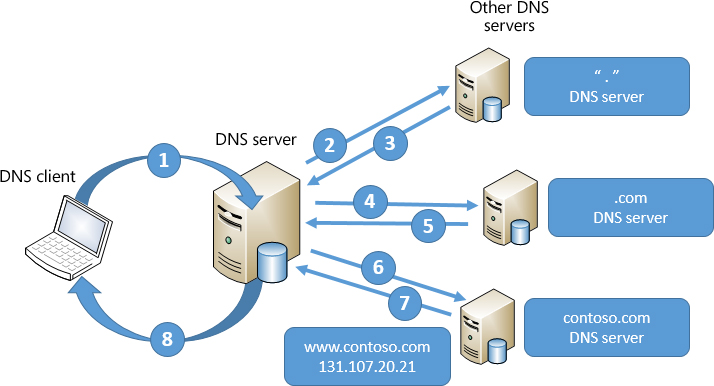
Key Takeaways
- Comprehensive DNS Querying: Utilize Python and dnspython to retrieve all possible DNS record types for any given domain.
- Robust Error Handling: Implement effective error handling to manage various DNS query exceptions and ensure script reliability.
- Extensible and Customizable: Enhance the script for additional functionalities such as asynchronous querying, output formatting, and integration with other tools.
Introduction
Domain Name System (DNS) plays a crucial role in internet connectivity by translating human-readable domain names into IP addresses. Understanding the DNS records associated with a domain can provide valuable insights into its configuration, security, and functionality. Whether you're a network administrator, developer, or cybersecurity professional, being able to programmatically retrieve all DNS record types for a specific domain can significantly aid in tasks such as diagnostics, monitoring, and security assessments.
Requirements
Before diving into the script, ensure that you have the following prerequisites:
Python Installation
Ensure that Python 3.x is installed on your system. You can download it from the official Python website.
dnspython Library
We will utilize the dnspython library to perform DNS queries. Install it using pip:
pip install dnspythonFor more information, refer to the dnspython documentation.
Understanding DNS Record Types
DNS records, also known as resource records (RRs), contain information about a domain, such as its IP address, mail servers, and other essential services. Below is a table outlining some of the common DNS record types:
| Record Type | Description |
|---|---|
| A | Maps a domain to an IPv4 address. |
| AAAA | Maps a domain to an IPv6 address. |
| MX | Specifies the mail exchange servers for the domain. |
| NS | Lists the authoritative name servers for the domain. |
| TXT | Contains human-readable text or machine-readable data, such as SPF records. |
| CNAME | Creates an alias for a canonical domain name. |
| SOA | Provides administrative information about the domain, including the primary name server and email of the domain administrator. |
| PTR | Used for reverse DNS lookups, mapping an IP address to a domain name. |
| SRV | Specifies the location of servers for specific services. |
| CAA | Specifies which certificate authorities are allowed to issue certificates for the domain. |
Python Script to Retrieve All DNS Record Types
The following Python script utilizes the dnspython library to query all DNS record types for a given domain. It includes comprehensive error handling to manage various scenarios, such as non-existent domains, timeouts, and unsupported record types.
Script Overview
The script performs the following steps:
- Imports necessary modules.
- Defines a comprehensive list of DNS record types.
- Defines a function to query DNS records for each type.
- Handles potential exceptions during queries.
- Outputs the retrieved DNS records in a readable format.
Complete Python Script
import dns.resolver
import dns.exception
import sys

def get_all_dns_records(domain):
    """
    Retrieves all possible DNS records for the specified domain.

    Args:
        domain (str): The domain name to query.

    Returns:
        dict: A dictionary with record types as keys and lists of records as values.
    """
    # List of DNS record types to query
    record_types = [
        'A', 'AAAA', 'AFSDB', 'APL', 'CAA', 'CDNSKEY', 'CDS', 'CERT',
        'CNAME', 'CSYNC', 'DHCID', 'DLV', 'DNAME', 'DNSKEY', 'DS',
        'HINFO', 'HIP', 'IPSECKEY', 'KEY', 'KX', 'LOC', 'MX', 'NAPTR',
        'NS', 'NSEC', 'NSEC3', 'NSEC3PARAM', 'OPENPGPKEY', 'PTR',
        'RRSIG', 'RP', 'SMIMEA', 'SOA', 'SRV', 'SSHFP', 'TA',
        'TKEY', 'TLSA', 'TSIG', 'TXT', 'URI', 'ZONEMD'
    ]

    # Initialize resolver
    resolver = dns.resolver.Resolver()
    resolver.timeout = 5
    resolver.lifetime = 5

    # Dictionary to store found records
    found_records = {}

    for record in record_types:
        try:
            answers = resolver.resolve(domain, record, raise_on_no_answer=False)
            if answers.rrset is not None:
                found_records[record] = [rdata.to_text() for rdata in answers]
        except dns.resolver.NoAnswer:
            # No records of this type found
            found_records[record] = []
        except dns.resolver.NXDOMAIN:
            print(f"Error: The domain '{domain}' does not exist.")
            sys.exit(1)
        except dns.exception.Timeout:
            print(f"Error: Timeout while querying '{record}' records for '{domain}'.")
            found_records[record] = []
        except dns.resolver.NoNameservers:
            print(f"Error: No nameservers available to answer the query for '{domain}'.")
            found_records[record] = []
        except Exception as e:
            print(f"An unexpected error occurred while querying '{record}' records: {e}")
            found_records[record] = []

    return found_records

def print_dns_records(records):
    """
    Prints the DNS records in a formatted manner.

    Args:
        records (dict): A dictionary with record types as keys and lists of records as values.
    """
    for rtype in sorted(records.keys()):
        print(f"--- {rtype} Records ---")
        if records[rtype]:
            for rdata in records[rtype]:
                print(rdata)
        else:
            print("No records found.")
        print()

def main():
    if len(sys.argv) != 2:
        print(f"Usage: python {sys.argv[0]} <domain>")
        sys.exit(1)

    domain = sys.argv[1].rstrip('.')
    print(f"Retrieving DNS records for domain: {domain}\n")

    records = get_all_dns_records(domain)

    if not any(records.values()):
        print(f"No DNS records found for '{domain}'.")
        sys.exit(0)

    print_dns_records(records)

if __name__ == "__main__":
    main()
Script Explanation
The script is well-structured with clear separation of concerns. Here's a breakdown of its components:
Importing Modules
The script imports necessary modules:
dns.resolver: For performing DNS queries.dns.exception: To handle DNS-related exceptions.sys: To interact with the script's arguments and exit gracefully.
Defining DNS Record Types
A comprehensive list of DNS record types is defined to ensure all potential records are queried. This list includes common types like A, MX, NS, as well as less common ones like TLSA and ZONEMD.
DNS Resolver Configuration
The Resolver object is configured with a timeout and lifetime to prevent the script from hanging indefinitely during queries.
Querying DNS Records
The get_all_dns_records function iterates over each record type, attempting to resolve it for the given domain. The results are stored in a dictionary where keys are the record types and values are lists of found records.
Error Handling
Robust error handling is implemented to manage various exceptions:
-
NoAnswer: Indicates that no records of the queried type were found. -
NXDOMAIN: Indicates that the domain does not exist. -
Timeout: Occurs when the DNS query exceeds the specified timeout duration. -
NoNameservers: No name servers are available to answer the query. -
Generic Exceptions: Catches any unexpected errors that may occur during the query process.
Printing DNS Records
The print_dns_records function formats and prints the retrieved DNS records in a readable manner. It sorts the record types alphabetically and iterates over each to display the corresponding records or indicate if none were found.
Main Execution Flow
The main function handles command-line arguments, invokes the DNS querying function, and manages the output. It ensures the script is used correctly by checking the number of arguments and provides usage instructions if necessary.
Running the Script
To execute the script, follow these steps:
- Save the Script: Save the script to a file, for example,
dns_records.py. - Make the Script Executable (Optional): On UNIX-based systems, you can make the script executable:
- Run the Script: Execute the script from the command line, passing the target domain as an argument:
chmod +x dns_records.pypython dns_records.py example.comReplace example.com with the domain you wish to query.
Sample Output
Here's an example of the script's output when querying example.com:
Retrieving DNS records for domain: example.com

--- A Records ---
93.184.216.34

--- AAAA Records ---
No records found.

--- AFSDB Records ---
No records found.

--- APL Records ---
No records found.

--- CAA Records ---
No records found.

--- CDNSKEY Records ---
No records found.

--- CDS Records ---
No records found.

--- CERT Records ---
No records found.

--- CNAME Records ---
No records found.

... (additional record types)

--- TXT Records ---
"v=spf1 -all"

--- ZONEMD Records ---
No records found.
Example Usage
To query the DNS records for openai.com, run:
python dns_records.py openai.comSample Output:
Retrieving DNS records for domain: openai.com

--- A Records ---
104.20.190.5
104.20.191.5

--- AAAA Records ---
No records found.

--- AFSDB Records ---
No records found.

--- APL Records ---
No records found.

--- CAA Records ---
0 issue "letsencrypt.org"

... (additional record types)

--- TXT Records ---
"v=spf1 include:spf.protection.outlook.com -all"

... (additional record types)
Enhancements and Best Practices
While the provided script is functional and comprehensive, several enhancements can improve its efficiency, usability, and integration with other tools:
Asynchronous DNS Queries
To speed up the process, especially when querying a large number of record types or multiple domains, consider implementing asynchronous queries using asyncio along with libraries like aiohttp or aiodns. This approach allows multiple DNS queries to run concurrently, reducing overall execution time.
Output Formatting and Export Options
Enhance the script to support different output formats, such as JSON, CSV, or XML. This feature facilitates easier integration with other applications, data analysis tools, or logging systems.
import json

def save_records_to_json(records, filename):
    with open(filename, 'w') as f:
        json.dump(records, f, indent=4)
Similarly, provide options to export results to CSV or other desired formats.
Command-Line Arguments and User Inputs
Enhance the script to accept multiple domains as input, allow users to specify which record types to query, or set custom timeout values. Utilizing libraries like argparse can make the script more versatile and user-friendly.
import argparse

def parse_arguments():
    parser = argparse.ArgumentParser(description='Retrieve all DNS records for a domain.')
    parser.add_argument('domain', help='The domain to query.')
    parser.add_argument('--output', choices=['console', 'json', 'csv'], default='console', help='Output format.')
    return parser.parse_args()
Integration with Security Tools
Integrate the script with security tools or platforms to automate DNS reconnaissance during penetration testing or vulnerability assessments. For instance, integrating with Metasploit or custom dashboards can provide real-time DNS insights.
Caching and Rate Limiting
Implement caching mechanisms to store previously retrieved DNS records, reducing the number of queries for frequently checked domains. Additionally, incorporate rate limiting to prevent overwhelming DNS servers and avoid being flagged for abuse.
Best Practices
Respect DNS Policies
When performing DNS queries, especially in bulk or automated scripts, ensure compliance with DNS policies and best practices. Avoid excessive querying that may strain DNS infrastructure or violate usage terms.
Handle Sensitive Data Carefully
DNS records can contain sensitive information. Ensure that any data retrieved is handled securely, especially if storing or transmitting the information. Implement proper access controls and encryption as needed.
Keep Dependencies Updated
Regularly update the dnspython library and other dependencies to benefit from security patches, performance improvements, and new features.
Test Across Multiple Domains
Test the script with a variety of domains, including those with extensive DNS configurations, to ensure compatibility and robustness across different DNS setups.
Conclusion
Retrieving all DNS record types for a domain is a fundamental task for various IT operations, from network administration to cybersecurity assessments. This comprehensive Python script leverages the dnspython library to automate this process, providing detailed insights into a domain's DNS configuration. With robust error handling and clear output formatting, the script serves as a valuable tool for professionals seeking to understand and monitor DNS records effectively.
Additionally, the outlined enhancements and best practices offer pathways to further refine and adapt the script to specific needs, ensuring scalability, efficiency, and integration with broader IT workflows.
References
Last updated January 31, 2025