
Unlock Your Python Potential: A Master Guide to Coding Practice and MCQ Excellence
Navigate the world of Python and MCQs with targeted strategies, including insights from OLevelTest.com, to ace your exams and build robust programming skills.
Effectively preparing for Python programming challenges and Multiple Choice Questions (MCQs) requires a multifaceted approach. By blending foundational learning with hands-on coding and strategic MCQ practice, particularly utilizing resources like OLevelTest.com for specialized exam preparation, you can significantly enhance your proficiency and confidence. This guide will walk you through a comprehensive strategy.
Key Highlights for Your Python Journey
- Build a Strong Foundation: Master Python's core concepts (variables, data types, control structures, functions, OOP) before diving into complex problems or MCQs.
- Engage in Active Coding: Regularly practice coding on interactive platforms and work on small projects to solidify your understanding and problem-solving abilities.
- Strategic MCQ Practice: Utilize MCQs to test theoretical knowledge, identify weak areas, and get accustomed to exam formats, leveraging general platforms and specialized sites like OLevelTest.com.
- Integrate and Iterate: Combine coding exercises with related MCQs to reinforce learning. Consistently review your mistakes and refine your approach.
Laying the Groundwork: Mastering Python Fundamentals
Before tackling intricate coding problems or MCQs, a robust understanding of Python's fundamental concepts is paramount. This initial phase sets the stage for all subsequent learning and application.
Core Concepts to Focus On:
Essential Building Blocks
Ensure you have a clear grasp of:
- Syntax and Semantics: The basic rules and structure of Python code.
- Data Types and Variables: Integers, floats, strings, booleans, lists, tuples, dictionaries, sets, and how to store them in variables.
- Operators: Arithmetic, comparison, logical, assignment, bitwise, and membership operators.
- Control Structures: Conditional statements (
if,elif,else) and loops (for,while) for managing program flow. - Functions and Modules: Defining and using functions to organize code, and importing modules to extend functionality.
- Object-Oriented Programming (OOP) Basics: Concepts like classes, objects, inheritance, polymorphism, and encapsulation.
- File Handling: Reading from and writing to files.
- Error Handling and Exceptions: Using
try-exceptblocks to manage runtime errors.
Recommended Learning Resources
Several online platforms offer excellent tutorials and introductory materials for Python beginners:
- W3Schools: Provides clear explanations and "try it yourself" examples.
- GeeksforGeeks: Offers in-depth articles and tutorials on various Python topics.
- Real Python: Features comprehensive tutorials and articles for all skill levels.
Sharpening Your Coding Prowess: Hands-On Python Practice
Theoretical knowledge forms the base, but practical application is where true mastery is forged. Engaging in regular coding exercises and projects is crucial for developing problem-solving skills and fluency in Python.
Engaging with Python through practical coding exercises is key to building strong programming skills.
Interactive Coding Platforms
These platforms offer a structured environment to solve problems and receive immediate feedback:
- PYnative: Offers beginner-friendly exercises focusing on fundamental concepts with hints and solutions.
- HackerRank: Features a dedicated Python domain with a wide range of challenges, from easy to advanced.
- LeetCode: Popular for interview preparation, offering a vast collection of algorithmic problems.
- w3resource: Provides a large number of Python exercises categorized by topic.
- Practice Python: Contains exercises suitable for beginners to strengthen core skills.
Types of Practice
Coding Exercises
Start with small, focused exercises that target specific Python concepts like loops, data structures (lists, dictionaries), string manipulation, and function definitions. For example, try writing a script to count word frequencies in a text file or to implement a simple calculator.
Mini-Projects
As you gain confidence, embark on slightly larger projects. This could involve:
- Building a basic to-do list application.
- Creating a simple web scraper to extract data from a website.
- Developing a text-based adventure game.
Projects help you integrate multiple concepts and understand how different parts of a program work together.
Mastering Concepts with MCQs: Testing Your Knowledge
Multiple Choice Questions (MCQs) are an excellent tool for assessing your theoretical understanding of Python's syntax, concepts, libraries, and best practices. They help reinforce learning, pinpoint areas needing more attention, and prepare you for exam-style assessments.
Why MCQs are Beneficial
- Quick Knowledge Recall: They test your ability to quickly remember and apply concepts.
- Identifying Weaknesses: Incorrect answers highlight topics that require further study.
- Exam Simulation: Practicing MCQs helps you get comfortable with the question formats and time constraints often found in certifications and academic tests.
- Broad Topic Coverage: MCQs can cover a wide array of topics, from basic syntax to advanced features like decorators and generators.
General Platforms for Python MCQs
Many websites offer extensive collections of Python MCQs:
- GeeksforGeeks: Features a large repository of Python MCQs, ranging from beginner to advanced levels, often with explanations.
- Sanfoundry: Boasts over 1000 Python MCQs covering more than 100 topics, ideal for comprehensive exam preparation.
- W3Schools: Offers quizzes to test fundamental Python knowledge with immediate feedback.
- Real Python: Provides interactive quizzes on specific Python topics like context managers, string formatting, and web scraping.
- Testbook: Offers Python MCQs designed to test understanding of syntax, libraries, and frameworks.
Leveraging OLevelTest.com for Targeted Preparation
For candidates preparing for specific certifications like the NIELIT O Level exam, using targeted resources is crucial. OLevelTest.com is a platform specifically designed to cater to such needs, offering mock tests and MCQs aligned with the O Level syllabus, including the "Programming and Problem Solving through Python" module (M3R5).
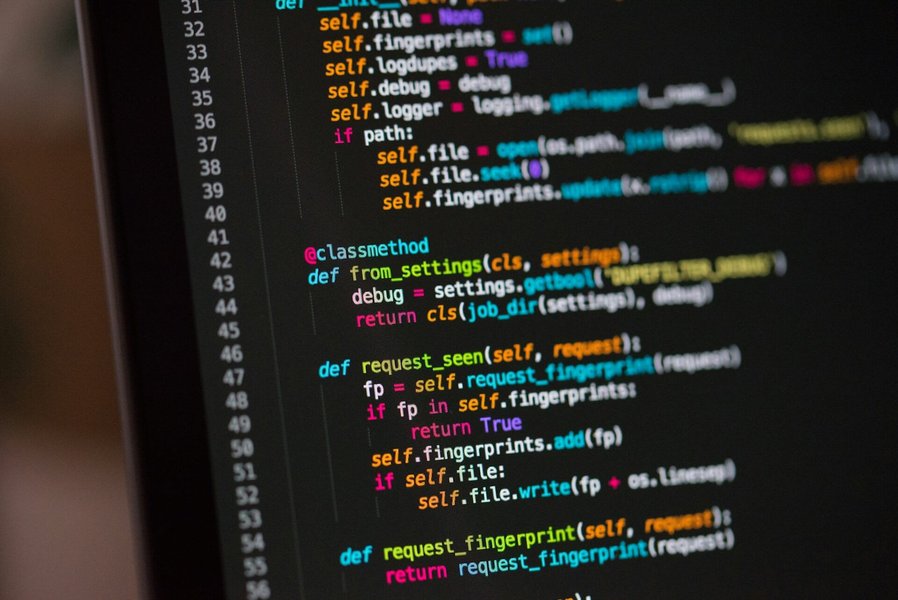
Specialized platforms like OLevelTest.com provide tailored resources for exam success.
What OLevelTest.com Offers for Python Practice:
- Syllabus-Aligned MCQs: Questions are specifically designed based on the NIELIT O Level curriculum, ensuring relevance. This includes topic-wise MCQs covering areas like variable naming rules, basic syntax, and core Python elements.
- Mock Tests: Full-length mock tests simulate the actual exam environment, often with 100 questions per session and time limits. This helps in assessing overall preparedness, improving time management, and building exam endurance.
- Topic-Wise Practice: The platform allows for focused practice on specific Python topics, helping to strengthen weaker areas systematically.
- Instant Feedback and Explanations: Many tests provide immediate feedback and explanations for answers, which is vital for learning from mistakes.
- Latest Content: Resources are regularly updated (e.g., "Python MCQ Online Test Latest 2025") to reflect current exam patterns and curriculum changes.
- Accessibility: Often provides free online mock tests and practice papers, making it an accessible resource for students.
By incorporating OLevelTest.com into your study plan, particularly if you are an O Level candidate, you can significantly enhance your chances of success by practicing with questions and formats that closely mirror the actual examination.
Visualizing Your Python Learning Path
Understanding the different facets of Python learning and how various practice methods contribute can be effectively visualized. This mindmap outlines a structured approach to mastering Python and preparing for MCQs, integrating foundational knowledge, hands-on practice, and targeted resources like OLevelTest.com.
(Data Types, Control Flow, Functions, OOP)"] id1b["Understanding Syntax & Semantics"] id1c["Error Handling & File I/O"] id2["Hands-On Coding Practice"] id2a["Interactive Platforms
(e.g., HackerRank, LeetCode, PYnative)"] id2b["Coding Exercises & Challenges"] id2c["Small to Medium Projects
(e.g., Simple Apps, Scrapers)"] id2d["Developing Debugging Skills"] id3["MCQ Strategy & Practice"] id3a["Regular MCQ Drills"] id3b["Understanding Question Patterns & Distractors"] id3c["Time Management Techniques"] id3d["Reviewing Answers & Detailed Explanations"] id3e["General MCQ Sites
(e.g., GeeksforGeeks, Sanfoundry)"] id4["Targeted Exam Preparation (O-Level)"] id4a["oleveltest.com Focus"] id4aa["O-Level Syllabus Alignment (M3R5)"] id4ab["Mock Tests & Past Papers Simulation"] id4ac["Topic-wise MCQs for Python Module"] id4ad["Performance Analytics & Feedback"] id5["Integrated Learning Approach"] id5a["Alternate Between Coding & MCQs"] id5b["Apply Concepts from MCQs in Practical Code"] id5c["Consistent Study Schedule & Goal Setting"] id5d["Track Progress & Identify Weak Areas"]
This mindmap illustrates how interconnected these components are. Building strong fundamentals supports both coding and MCQ success, while targeted resources help tailor your preparation for specific exams.
Comparing Python Practice Strategies
Different learning resources and practice methods cater to developing various aspects of your Python skills. The radar chart below offers a visual comparison of how different strategies might contribute to key learning outcomes. The scores are illustrative, representing potential strengths of each approach.
As the chart illustrates, platforms like oleveltest.com excel in MCQ speed/accuracy and exam-specific preparation. Interactive coding platforms significantly boost practical coding skills and problem-solving. A balanced approach, incorporating various methods, typically yields the best overall development.
A Closer Look at Practice Resources
To further clarify the roles of different practice resources, the following table provides a comparative overview. Understanding their primary focus and benefits can help you strategically allocate your study time.
| Feature | Interactive Coding Platforms (e.g., LeetCode, HackerRank, PYnative) | General MCQ Websites (e.g., GeeksforGeeks, Sanfoundry) | OLevelTest.com | Project-Based Learning |
|---|---|---|---|---|
| Primary Focus | Algorithmic problem-solving, coding proficiency, applying data structures. | Conceptual understanding, syntax recall, quick assessment of theoretical knowledge. | NIELIT O-Level exam preparation, targeted Python MCQs for M3R5 module. | Real-world application, deep learning, integrating multiple concepts. |
| Content Type | Coding challenges, contests, specific function implementations. | Multiple-choice questions, quizzes, fill-in-the-blanks. | Mock tests, topic-wise MCQs, O-Level syllabus aligned questions, past papers. | End-to-end projects, case studies, building complete applications. |
| Skill Development | Logic, algorithms, data structures, debugging, code optimization. | Theoretical knowledge, speed and accuracy in objective tests, identifying knowledge gaps. | Exam-specific knowledge, time management for O-Level tests, familiarity with exam patterns. | Practical implementation, system design, version control, deployment (potentially). |
| Feedback Mechanism | Automated test cases, immediate pass/fail results, runtime/memory usage. | Answer keys, explanations for correct/incorrect options. | Instant feedback, performance analysis, explanations for answers. | Self-assessment, peer review, observable outcomes of the project. |
| Best For | Enhancing practical coding skills, preparing for technical interviews, competitive programming. | Reinforcing concepts, quick knowledge checks, general Python assessment. | NIELIT O-Level candidates, structured exam practice for Python module. | Gaining in-depth practical experience, building a portfolio, understanding complex systems. |
Integrating Coding and MCQs: A Synergistic Approach
The most effective learning strategy involves combining hands-on coding with conceptual reinforcement through MCQs. This dual approach ensures both theoretical clarity and practical proficiency.
Practical Steps for Integration:
- Alternate Activities: Dedicate specific blocks of time for coding exercises and then switch to MCQs covering similar topics. For example, after practicing list manipulation in code, take an MCQ quiz on Python lists.
- Apply MCQ Concepts: If an MCQ introduces a new concept or a nuance you weren't aware of, try to implement it in a small code snippet to solidify your understanding.
- Regular Review: Periodically revisit both coding problems and MCQs you found challenging. This helps in long-term retention.
- Timed Practice Sessions: For both coding challenges and MCQ sets (especially from resources like OLevelTest.com), practice under timed conditions to simulate exam pressure and improve speed.
- Daily Routine: Aim for consistent daily practice, even if it's just for 30-60 minutes. A routine might include 10-15 MCQs on a specific topic followed by a small coding exercise.
This integrated method ensures that you are not just memorizing syntax for MCQs but also understanding how to apply Python concepts to solve real problems.
Python MCQ Practice in Action: Video Insights
Visual learning can often provide a different perspective and help solidify understanding. The following video offers insights into practicing Python MCQs, particularly relevant for O-Level exam preparation. It demonstrates the types of questions you might encounter and how to approach them.
This video, "O level python language Practice set [m3r5]| Python mcq ...", provides a practical look at Python MCQ practice relevant to O-Level M3R5 module preparation. It can help you understand the question styles and the level of detail expected.
Frequently Asked Questions (FAQ)
Why are MCQs important for Python learning, especially for exams like O-Level?
MCQs are crucial for several reasons:
- Conceptual Assessment: They efficiently test your understanding of Python's syntax, core concepts, standard libraries, and best practices.
- Exam Format Familiarity: Many certification exams, including the NIELIT O-Level, heavily feature MCQs. Practicing them helps you get used to the question style, time constraints, and the scope of topics covered.
- Identifying Knowledge Gaps: MCQs quickly highlight areas where your understanding is weak, allowing you to focus your studies more effectively.
- Reinforcement: The process of recalling information to answer MCQs reinforces learning and improves memory retention.
- Speed and Accuracy: Regular MCQ practice improves your ability to answer questions quickly and accurately under pressure.
How can OLevelTest.com specifically help me prepare for the Python (M3R5) module?
OLevelTest.com offers targeted support for the O-Level Python (M3R5) module by providing:
- Syllabus-Specific Content: Their MCQs and mock tests are designed according to the NIELIT O-Level syllabus for Python, ensuring you practice relevant material.
- Mock Exams: These simulate the actual exam environment, helping you manage time effectively and reduce exam anxiety. They often include the same number of questions and time limits as the real exam.
- Topic-wise Tests: You can focus on specific areas within the Python syllabus where you feel less confident.
- Updated Questions: The platform aims to keep its question banks current with the latest exam patterns and curriculum updates (e.g., "Latest 2025 tests").
- Feedback and Explanations: Understanding why an answer is correct or incorrect is crucial for learning, and many tests on the platform provide this.
How often should I practice Python coding and MCQs?
Consistency is key. Aim for daily practice if possible, even if it's for a short duration. A good general guideline would be:
- Daily: 30-60 minutes. This could be a mix of reviewing concepts, solving a few coding exercises, and attempting a small set of MCQs (e.g., 10-20 questions).
- Focused Sessions: Dedicate longer sessions (1-2 hours) a few times a week for more in-depth coding practice, working on mini-projects, or taking full-length mock tests.
- Pre-Exam Period: Increase the frequency and intensity of mock tests and MCQ practice as your exam date approaches.
The ideal frequency also depends on your current skill level and learning goals. The most important thing is to establish a regular routine that you can stick to.
Should I focus more on coding practice or MCQ practice?
Both are important and serve different purposes. The ideal balance depends on your goals:
- For Building Strong Programming Skills: Hands-on coding practice (exercises, projects) is more crucial. It develops problem-solving abilities, logical thinking, and practical application skills.
- For Exam Preparation (especially MCQ-based exams like O-Level): MCQ practice becomes equally, if not more, important as the exam approaches. It familiarizes you with question types, helps in time management, and tests theoretical recall.
A balanced approach is generally best: use coding practice to build deep understanding and practical skills, and use MCQs to reinforce concepts, test knowledge breadth, and prepare for specific exam formats. Start with a stronger emphasis on fundamentals and coding, then increasingly integrate MCQs, especially if preparing for an exam that uses them heavily.
Recommended Further Exploration
To deepen your understanding and explore related topics, consider these queries:
- What are some advanced Python topics I should focus on for the O-Level M3R5 module?
- How can I most effectively use mock tests from sites like OLevelTest.com for my Python exam preparation?
- What are common mistakes to avoid when practicing Python MCQs for competitive exams?
- What are some of the best small Python projects for beginners to solidify O-Level concepts?
References
Last updated May 13, 2025